 Переглянути в інтер'єрі
 Надіслати як листівку
 Поділитися
 Деталі витвору
 Посібник

 Завантажити
 Схожі екземпляри
 Рентгенівське дослідження
 Слайд-шоу
 Q&A
Q&A Статистика
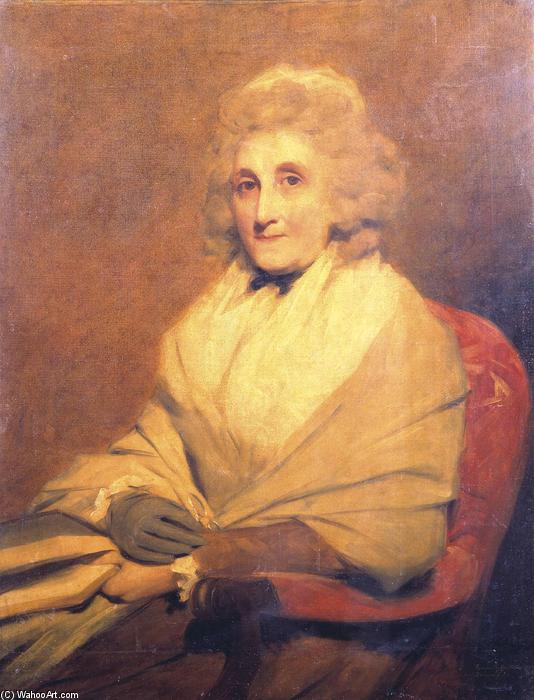
Mrs Cay


 Розгорнути текст
Гікле / Художній принт
Друк جيкле або на полотні музейної якості з оперативним виготовленням та різноманітними варіантами фінішної обробки. ( Замовити картину ручної роботи Перейти до цифрових зображень)




P118B ₴10

P118H ₴10

P118W ₴10

P438Z ₴10

P508JH ₴12

P508YH ₴12

P805H ₴10

P805Z ₴10

P919BZ ₴10

P919G ₴10

P919XJ ₴10

P959ZH ₴10

P968JZ ₴12

W106C ₴8

W218G ₴10

W218JH ₴8

W218Y ₴10

W307PJ ₴10

W316G ₴10

W316PJ ₴8

W316Y ₴10

W398PJ ₴8

W4111J ₴10

W500HY ₴15

W500JH ₴15

W692G ₴12

W849H ₴8

W940BG ₴15

W953PJ ₴8




Обирайте з наших стандартних розмірів, що відповідають оригінальним пропорціям твору мистецтва.

Введіть необхідну ширину та висоту, щоб принт ідеально підійшов до вашої рами або стіни. Принт можна лише обрізати, але не можна зробити більшим за оригінал, тому при зміні пропорцій частина зображення буде втрачена. Перед друком ми надсилаємо вам цифровий макет для затвердження. Зображення на цій сторінці не відображає реальну обрізку — її можна побачити лише на макеті.
Доставка по всьому світу () за 2 тижні замість стандартних 4/5 тижнів. (1 Листопад)

Безкоштовна експрес-доставка по всьому світу

Високоякісне лляне полотно

Повне страхове покриття доставки

Гарантія повернення митних зборів

Гарантія точного відтворення кольорів

Політика повернення протягом 100 днів (лише у разі виявлення дефектів)

Гарантія повернення 100% коштів

Пропозиція на оптові замовлення
 Скляний варіант доступний лише для розмірів до 110 см

Mrs Cay
Гікле / Художній принт
Розмір репродукції
-


Підсумкова вартість
₴ 3596
Henry Raeburn: A Scottish Portraitist's Mastery of Light, Character & National Identity
Sir Henry Raeburn (1756–1823) stands as an unparalleled figure in the annals of British portraiture—a testament to artistic vision and unwavering dedication. Born amidst the intellectual fervor of the Scottish Enlightenment, his journey from humble beginnings to royal patronage exemplifies the transformative power of talent and perseverance. Orphaned at a young age, Raeburn’s formative years were shaped by the steadfast support of his brother William, who secured him an education at Heriot's Hospital in Edinburgh—a foundation that would prove instrumental in nurturing his burgeoning artistic inclinations. This early grounding instilled within him a meticulous attention to detail and a profound understanding of observation, qualities that would become hallmarks of his distinctive style. His apprenticeship under James Gilliland, the esteemed goldsmith, honed his technical skills and introduced him to the intricacies of crafting miniature portraits on ivory—a medium favored by discerning collectors and celebrated for its ability to capture subtle nuances of expression. However, Raeburn’s artistic ambitions extended far beyond mere replication; he sought to imbue his canvases with a palpable sense of life, striving to convey not just likeness but also the very essence of his subjects' personalities. This pursuit of psychological realism distinguishes him from many of his contemporaries and elevates his work to a level of enduring artistic merit. The influence of David Martin—Allan Ramsay’s former assistant—further solidified Raeburn’s stylistic trajectory, guiding him toward mastering oil painting techniques that prioritized tonal gradation and atmospheric perspective. He meticulously studied the works of Michelangelo, recognizing the importance of capturing monumental grandeur while simultaneously conveying emotional depth—a lesson that profoundly impacted his artistic sensibilities. Notably, he embraced a revolutionary approach to portraiture by utilizing a technique known as “drawing from life,” painstakingly sketching his subjects before applying paint—a method that ensured unparalleled accuracy and immediacy. Raeburn’s prolific output spanned decades, producing an impressive array of portraits depicting figures from across the spectrum of Scottish society—aristocrats, clergymen, scholars, and statesmen alike. His canvases are imbued with a remarkable sensitivity to light and shadow, skillfully manipulating tonal values to sculpt form and evoke mood. Moreover, Raeburn's compositions often incorporate symbolic elements that reflect his subjects’ virtues or aspirations—a characteristic feature of Neo-classical portraiture that underscores the artist’s intellectual engagement with philosophical ideas. Consider “Mrs Cay,” a captivating depiction of Lady Georgiana Stuart (née Sutherland), commissioned by her husband Robert Stewart, 3rd Earl of Uxbridge. Painted in 1823, shortly before Raeburn's death, this portrait exemplifies his mastery of tonal gradation and psychological observation. The muted palette—dominated by earthy browns and creams—creates a serene atmosphere that subtly conveys Lady Stuart’s dignified composure. Her gaze is direct yet contemplative, hinting at inner thoughts and emotions beyond the surface appearance. The inclusion of a shawl draped around her shoulders adds textural richness to the composition and reinforces the image's sense of intimacy. Raeburn’s meticulous attention to detail—evident in the rendering of Lady Stuart’s hair and clothing—demonstrates his unwavering commitment to artistic excellence. Ultimately, Henry Raeburn’s legacy resides not merely in his technical prowess but also in his profound understanding of human character and his ability to translate complex psychological states onto canvas. His portraits continue to resonate with viewers today, offering glimpses into the lives and sensibilities of a bygone era—a testament to the enduring power of art to illuminate the human condition.- Artist: Henry Raeburn (1756–1823)
- Medium: Oil on Canvas
- Style: Neo-Classical
- Notable Technique: Drawing from Life, Atmospheric Perspective
- Historical Context: Scottish Enlightenment
Symbolism & Emotional Impact
The subdued color palette of “Mrs Cay”—primarily browns and creams—serves to heighten the portrait’s contemplative mood. The careful positioning of Lady Stuart's gaze directs the viewer's attention inward, inviting reflection on her inner thoughts and emotions. Furthermore, the shawl symbolizes warmth and comfort, subtly conveying Lady Stuart’s grace and refinement. Raeburn’s masterful use of tonal gradation sculpts form and creates a sense of depth—enhancing the portrait’s visual impact and capturing the essence of its subject's personality.Technical Considerations
Raeburn’s technique involved painstakingly sketching his subjects from life before applying paint—a method that ensured unparalleled accuracy and immediacy. He meticulously studied Michelangelo’s monumental sculptures, recognizing the importance of conveying grandeur while simultaneously capturing emotional depth. The artist's mastery of oil painting techniques—particularly tonal gradation and atmospheric perspective—contributed significantly to the portrait’s luminous quality and its ability to evoke mood.Legacy & Influence
Henry Raeburn remains a pivotal figure in British art history, celebrated for his innovative approach to portraiture and his unwavering dedication to artistic excellence. His influence can be discerned in subsequent generations of painters who sought to emulate his stylistic vision—solidifying his place as one of Scotland’s most revered artists.Питання та відповіді
Який настрій передає «Mrs Cay» роботи Генрі Райберн?
Загальний настрій «Mrs Cay» роботи Генрі Райберн — Elegant. Цей настрій передає загальну атмосферу твору.
Який це вид твору мистецтва: «Mrs Cay» роботи Генрі Райберн?
«Mrs Cay» — це твір у техніці WallArt.
Чи доступний попередній перегляд «Mrs Cay» у доповненій реальності?
Ви можете приміряти «Mrs Cay» роботи Генрі Райберн на власну стіну за допомогою сторінки Перегляд в AR з використанням технології доповненої реальності на сумісному пристрої.
Біографія митця
A Scottish Master of Realism: The Life and Art of Sir Henry Raeburn
Sir Henry Raeburn emerged from the shadows of early 18th-century Scotland, a figure whose artistic journey defied convention and ultimately redefined portraiture. Born in Stockbridge, Edinburgh, in 1756 – a village then on the outskirts of the city – his life began with an unexpected tragedy: the loss of both parents before he reached the age of six. Raised by his elder brother, William, Raeburn’s early years were marked by hardship and a reliance on familial support. This formative experience instilled in him a quiet determination that would later fuel his relentless pursuit of artistic mastery. His family's background as textile manufacturers provided a foundation for stability, allowing him to pursue his burgeoning passion without the immediate pressures of commercial obligations.From Goldsmith’s Apprentice to Miniature Master
Raeburn’s formal education was limited, yet this didn’t hinder his innate talent. At fifteen, he apprenticed himself to James Gilliland, a goldsmith and jeweler in Edinburgh's Old Town – a craft that honed his meticulous attention to detail and his understanding of intricate design. It was within the world of miniature portraiture that Raeburn truly began to flourish. He quickly demonstrated an extraordinary ability to capture likenesses with remarkable accuracy, creating exquisite portraits on ivory that were highly sought after by the Scottish elite. This early success provided him with financial security and a platform from which to develop his artistic vision. He was particularly adept at rendering the subtle nuances of facial expression, conveying not just physical resemblance but also the personality and character of his subjects.The Italian Influence: A Turning Point
Around 1784, Raeburn embarked on a transformative journey to Italy – a pilgrimage that would profoundly shape his artistic style. While the exact details remain somewhat shrouded in mystery, this trip allowed him to immerse himself in the works of the Old Masters, particularly those of Caravaggio and Rembrandt. He studied their masterful use of light and shadow, their dramatic compositions, and their ability to capture the psychological depth of their subjects. Returning to Edinburgh in 1786, Raeburn brought with him a renewed sense of purpose and a bolder, more expressive approach to painting. He began experimenting with larger canvases and incorporating elements of Baroque style into his work – a departure from the delicate miniatures that had defined his early career.The Rise of a National Portraitist
By the late 1780s, Raeburn had firmly established himself as Edinburgh’s leading portrait painter. He attracted commissions from prominent figures in Scottish society, including Adam Smith, David Hume, and James Grant – men who shaped the intellectual and cultural landscape of the nation. His portraits were characterized by a remarkable honesty and directness, capturing not just the outward appearance of his subjects but also their inner character and status. Raeburn’s technique was masterful—a combination of meticulous observation, confident brushwork, and a sophisticated understanding of light and shadow. He often positioned his subjects against dark backgrounds, allowing their faces and figures to emerge with striking clarity. His most famous work, *The Young Polo Player*, exemplifies this approach – it's not simply a depiction of a sporting gentleman; it’s an energetic snapshot of youthful vitality and aristocratic leisure.Recognition and Legacy: A Scottish Icon
In 1815, Raeburn achieved the pinnacle of his career when he was elected to the Royal Academy in London—a momentous occasion that solidified his reputation as one of Britain's leading portrait painters. Shortly before his death in 1823, he was appointed His Majesty’s Limner for Scotland – a testament to his enduring influence and artistic merit. Raeburn’s legacy extends far beyond the canvases he created. He represents a triumph of self-education, perseverance, and artistic vision—a symbol of Scottish ingenuity and creativity. His paintings continue to be studied and admired by artists and scholars alike, inspiring generations with their realism, psychological insight, and masterful technique. His work remains an integral part of Scotland’s rich cultural heritage, a testament to the enduring power of art to capture the essence of human experience.
Генрі Райберн
1756 - 1823 , Шотландія
Короткі факти
- Artistic Movement Or Style: Портрет, Реалізм
- Artists Or Movements Influenced By This Artist: ['Шотландське мистецтво']
- Artists Who Influenced This Artist:
- Девід Мартін
- Джошуа Рейнольдс
- Date Of Birth: 4 березня 1756
- Date Of Death: 8 липня 1823
- Full Name: Henry Raeburn
- Nationality: Шотландець
- Notable Artworks:
- The Young Polo Player
- Alexander Allan
- Sir John Hay
- Place Of Birth: Stockbridge, UK
Пов'язані статті

Henry Raeburn Dobson: A Scottish Colourist Bridging Tradition & Modernity
Explore the life & work of Henry Raeburn Dobson, a key figure bridging Scottish tradition & modern art. Discover his neoclassical portraits, landscapes, and connection to the Colourists. Learn about collecting his works.
Sir John Watson Gordon: A Study in Scottish Landscape Painting & Tonal Impressionism
Explore the captivating portraits of Sir John Watson Gordon, a leading Scottish master. Discover his evolution from neoclassical style to atmospheric Tonalism and influence on 19th-century British art. Learn about his iconic sitters & legacy.

Топ-25 шедеврів Анрі Матісса: Кольори та форми, що змінили мистецтво | OriginalUniqueArt
Відкрийте для себе 25 найвідоміших шедеврів Анрі Матісса! Дізнайтесь історію фавізму, колірних рішень та унікального стилю художника. Репродукції картин Матісса для вашого дому – на OriginalUniqueArt.com. Дослідіть колекцію онлайн!
Henry Raeburn: A Scottish Portraitist's Mastery of Light, Character & National Identity
Explore the life & work of Henry Raeburn, a master Scottish portraitist. Discover his innovative techniques, captivating portraits of the Enlightenment era, and lasting legacy in art history. Learn more at OriginalUniqueArt.
George Paul Chalmers: Rediscovering the Angus Rembrandt & Scottish Colourist Roots
Explore the captivating world of George Paul Chalmers (1833-1878), a pivotal Scottish painter. Discover his landscapes, portraits & connection to the Aesthetic Movement and Colourists. Learn about this 'Angus Rembrandt's' legacy with OriginalUniqueArt.