
 Переглянути в інтер'єрі
 Надіслати як листівку
 Поділитися
 Деталі витвору
 Посібник

 Завантажити
 Схожі екземпляри
 Рентгенівське дослідження
 Слайд-шоу
 Q&A
Q&A Статистика
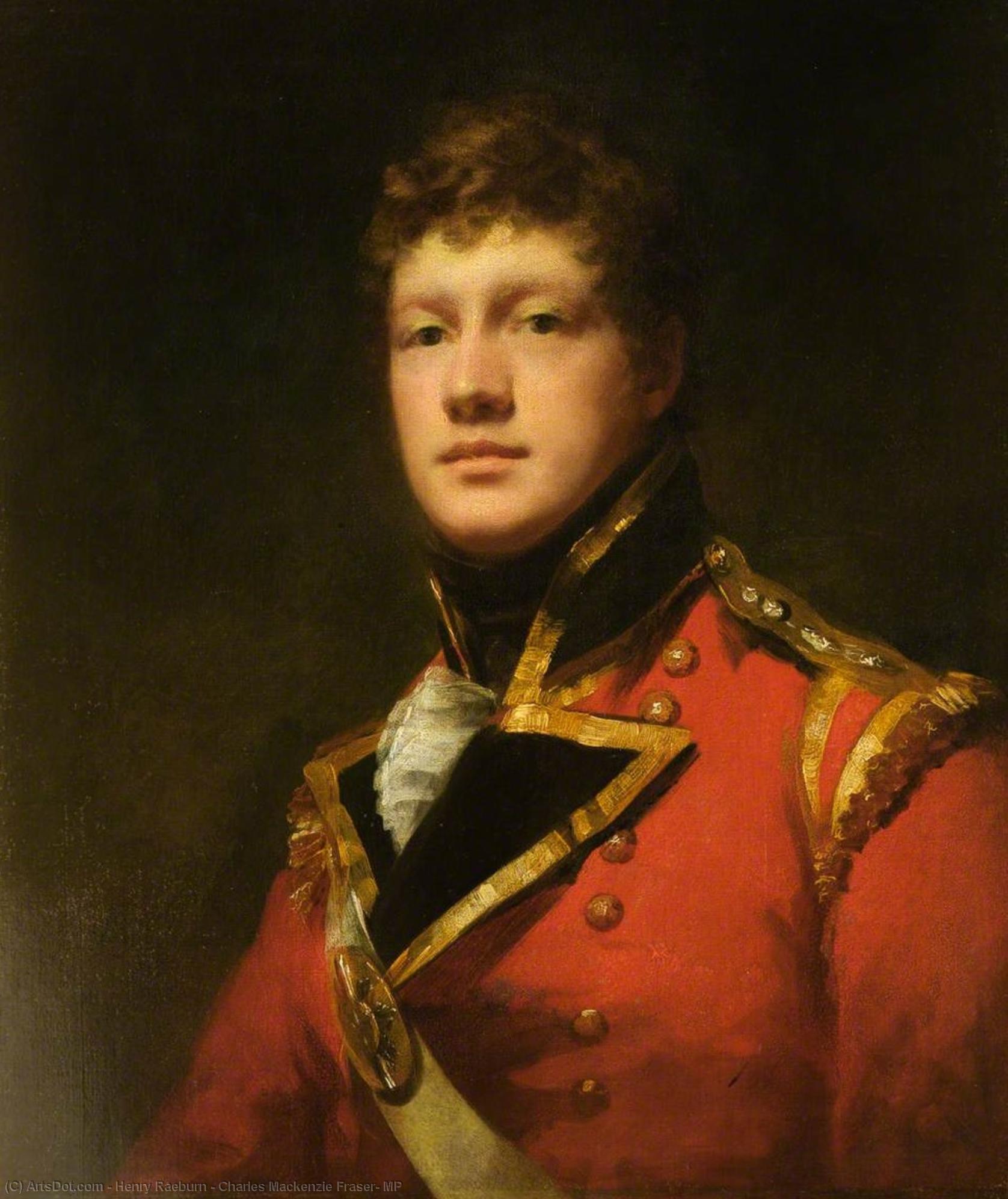
Charles Mackenzie Fraser, MP
 Acrylic On Canvas
- WallArt
- Romantic Realism
 75.0 x 62.0 cm
 The National Trust For Scotland
 Розгорнути текст
Отримайте файл, готовий до друку, якість якого значно перевищує якість веб-попереднього перегляду. Кожне цифрове зображення, яке ми продаємо, створене на основі високої роздільної здатності з нашої бази даних — зазвичай від 5 000 до 15 000 пікселів по ширині — тому ви можете впевнено друкувати у великому форматі, робити щільну обрізку або відтворювати найдрібніші деталі.
Жоден файл не залишається в нашій студії без уваги. Експерт із цифрової обробки звіряє кольори з оригінальною картиною та за потреби коригує їх, після чого покращує чіткість і деталізацію за допомогою професійних інструментів ретушування — завжди зберігаючи вірність мазкам пензля та стилю художника. Результатом є зображення, яке виглядає як справжня картина, а не як відскановане фото з накладеними фільтрами.
Ви затверджуєте результат перед завершенням замовлення: протягом 72 годин наш експерт надішле зображення електронною поштою для вашого перегляду. Не задоволені результатом? Ви можете попросити про внесення змін чи виправлень або отримати відшкодування, якщо якість не відповідає вашим очікуванням.
Саме на таку якість покладаються видавництва, дизайн-студії, галереї та друкарні.
Цифрове зображення
Завантажте файл високої роздільної здатності для особистого використання, друку та творчих проєктів. ( Перейти до друку Замовити картину ручної роботи)
Переваги кожного замовлення цифрових зображень
Експертна цифрова доставка з гарантією якості
Обираючи OriginalUniqueArt.com, ви отримуєте не просто зображення — ви отримуєте професійно вдосконалений цифровий витвір мистецтва, створений з надзвичайною точністю та підкріплений гарантією задоволення. Ось усе, що автоматично додається до вашого замовлення:

Швидка доставка на email
Ваш цифровий файл із зображенням високої роздільної здатності буде надісланий вам електронною поштою протягом 72 годин після оформлення замовлення — він буде готовий до негайного використання.

Цифровий файл із покращенням ШІ
Ваш витвір мистецтва професійно оптимізовано за допомогою передових інструментів штучного інтелекту та ручної корекції, що забезпечує максимальну деталізацію, чіткість і точність передачі кольорів.

Безкоштовне повторне завантаження назавжди
Випадково видалили або втратили файл? Не хвилюйтеся — ми надішлемо його вам повторно в будь-який час безкоштовно.

Без митних зборів — завжди
Насолоджуйтесь вашим витвором мистецтва миттєво без жодних мит, зборів або плати за доставку — цифрові завантаження завжди не оподатковуються.

Гарантія точності кольорів
Ми гарантуємо максимально точне відтворення оригінальних кольорів на вашому цифровому зображенні завдяки використанню професійних інструментів та систем управління кольором.

100-денна гарантія задоволення
Якщо ви не задоволені придбаним цифровим зображенням, ми внесемо правки або повернемо 100% вартості протягом 100 днів — без зайвих запитань.

Гарантія повернення 100% коштів
Незадоволені покупкою? Отримайте повне повернення коштів протягом 100 днів після отримання цифрового файлу — без зайвих запитань.

Знижки на оптові замовлення
Купуйте 3 зображення — заощаджуйте 10% — Купуйте 5 — заощаджуйте 15% — Купуйте 10+ — заощаджуйте 20%. Чудово підходить для творчих проєктів, галерей та агентств.
A Portrait of Distinction: Charles Mackenzie Fraser, MP by Henry Raeburn
Henry Raeburn’s “Charles Mackenzie Fraser, MP” is more than simply a likeness; it's a carefully constructed tableau of 18th-century British identity and the burgeoning confidence of the landed gentry. Painted in 1795, this portrait captures Charles Mackenzie Fraser, a prominent Scottish politician and member of Parliament, not merely as an individual but as a symbol of his social standing and intellectual pursuits. Raeburn’s masterful handling of light, texture, and pose elevates the scene beyond a straightforward representation, offering a glimpse into the values and aspirations of the era.
The subject himself is presented with an air of quiet authority. Fraser, dressed in a rich red coat adorned with gold buttons – a deliberate display of wealth and status – stands ramrod straight, his gaze direct and unwavering. The meticulous detail of his attire, from the intricate embroidery to the gleaming buttons, speaks volumes about his position within society. His dark, well-groomed mustache and neatly trimmed beard contribute to an image of considered elegance, reflecting the prevailing ideals of masculine decorum.
The Language of Portraiture: Raeburn’s Technique
Raeburn's skill lies not just in replicating appearance but in conveying character through subtle nuances. He employs a technique known as ‘chiaroscuro,’ skillfully manipulating light and shadow to sculpt Fraser’s form and draw attention to key features. Notice how the light catches the folds of his coat, highlighting its luxurious texture, while simultaneously deepening the shadows around his face, adding depth and intrigue. This masterful use of light creates a sense of three-dimensionality, bringing the portrait to life.
Furthermore, Raeburn’s brushwork is remarkably loose and expressive, particularly in the rendering of Fraser's clothing. Rather than meticulously detailing every thread, he uses short, broken strokes to suggest texture and movement, creating an impression of richness and dynamism. This technique, characteristic of his style, lends a sense of immediacy and vitality to the portrait, moving it beyond a static representation.
Historical Context: A Nation Forging Identity
“Charles Mackenzie Fraser, MP” was painted during a period of significant social and political change in Britain. The late 18th century witnessed the rise of the middle class, fueled by economic growth and expanding trade networks. Portraits like this one served as powerful tools for asserting status and demonstrating lineage within this evolving social landscape. Mackenzie Fraser’s position as a Member of Parliament underscored his importance within the political system, further solidifying his image as a man of influence and responsibility.
The portrait also reflects the broader cultural fascination with classical ideals that permeated British society at the time. The formal pose, reminiscent of ancient Roman statues, speaks to a desire for order, reason, and civic virtue – values highly prized by the Enlightenment thinkers who shaped the era’s intellectual climate.
Symbolism and Emotional Resonance
Beyond its surface appearance, the portrait is laden with symbolic meaning. The red coat, traditionally associated with military honor and leadership, subtly suggests Fraser's potential for public service. The dark background, devoid of distracting details, focuses attention entirely on the subject, reinforcing his importance and commanding presence.
Ultimately, “Charles Mackenzie Fraser, MP” is a compelling study in portraiture—a testament to Raeburn’s artistic skill and a window into the social and cultural values of 18th-century Britain. It invites us to contemplate not only the individual depicted but also the broader context of his time, offering a rich and rewarding experience for art lovers and collectors alike.
Питання та відповіді
Якої форми та розмірів є «Charles Mackenzie Fraser, MP» роботи Генрі Райберн?
«Charles Mackenzie Fraser, MP» роботи Генрі Райберн — це робота формату Portrait розміром 75 x 62 cm.
У якій кімнаті рекомендується розмістити «Charles Mackenzie Fraser, MP», враховуючи її палітру?
Враховуючи його кольорову гаму Earthy, роботу «Charles Mackenzie Fraser, MP» рекомендується розміщувати в Living Room.
До якого періоду творчості Генрі Райберн належить твір "Charles Mackenzie Fraser, MP"?
«Charles Mackenzie Fraser, MP» належить до Mature Period творчого шляху Генрі Райберн. Ця класифікація пов’язує твір із етапом становлення митця.
Біографія митця
A Scottish Master of Realism: The Life and Art of Sir Henry Raeburn
Sir Henry Raeburn emerged from the shadows of early 18th-century Scotland, a figure whose artistic journey defied convention and ultimately redefined portraiture. Born in Stockbridge, Edinburgh, in 1756 – a village then on the outskirts of the city – his life began with an unexpected tragedy: the loss of both parents before he reached the age of six. Raised by his elder brother, William, Raeburn’s early years were marked by hardship and a reliance on familial support. This formative experience instilled in him a quiet determination that would later fuel his relentless pursuit of artistic mastery. His family's background as textile manufacturers provided a foundation for stability, allowing him to pursue his burgeoning passion without the immediate pressures of commercial obligations.From Goldsmith’s Apprentice to Miniature Master
Raeburn’s formal education was limited, yet this didn’t hinder his innate talent. At fifteen, he apprenticed himself to James Gilliland, a goldsmith and jeweler in Edinburgh's Old Town – a craft that honed his meticulous attention to detail and his understanding of intricate design. It was within the world of miniature portraiture that Raeburn truly began to flourish. He quickly demonstrated an extraordinary ability to capture likenesses with remarkable accuracy, creating exquisite portraits on ivory that were highly sought after by the Scottish elite. This early success provided him with financial security and a platform from which to develop his artistic vision. He was particularly adept at rendering the subtle nuances of facial expression, conveying not just physical resemblance but also the personality and character of his subjects.The Italian Influence: A Turning Point
Around 1784, Raeburn embarked on a transformative journey to Italy – a pilgrimage that would profoundly shape his artistic style. While the exact details remain somewhat shrouded in mystery, this trip allowed him to immerse himself in the works of the Old Masters, particularly those of Caravaggio and Rembrandt. He studied their masterful use of light and shadow, their dramatic compositions, and their ability to capture the psychological depth of their subjects. Returning to Edinburgh in 1786, Raeburn brought with him a renewed sense of purpose and a bolder, more expressive approach to painting. He began experimenting with larger canvases and incorporating elements of Baroque style into his work – a departure from the delicate miniatures that had defined his early career.The Rise of a National Portraitist
By the late 1780s, Raeburn had firmly established himself as Edinburgh’s leading portrait painter. He attracted commissions from prominent figures in Scottish society, including Adam Smith, David Hume, and James Grant – men who shaped the intellectual and cultural landscape of the nation. His portraits were characterized by a remarkable honesty and directness, capturing not just the outward appearance of his subjects but also their inner character and status. Raeburn’s technique was masterful—a combination of meticulous observation, confident brushwork, and a sophisticated understanding of light and shadow. He often positioned his subjects against dark backgrounds, allowing their faces and figures to emerge with striking clarity. His most famous work, *The Young Polo Player*, exemplifies this approach – it's not simply a depiction of a sporting gentleman; it’s an energetic snapshot of youthful vitality and aristocratic leisure.Recognition and Legacy: A Scottish Icon
In 1815, Raeburn achieved the pinnacle of his career when he was elected to the Royal Academy in London—a momentous occasion that solidified his reputation as one of Britain's leading portrait painters. Shortly before his death in 1823, he was appointed His Majesty’s Limner for Scotland – a testament to his enduring influence and artistic merit. Raeburn’s legacy extends far beyond the canvases he created. He represents a triumph of self-education, perseverance, and artistic vision—a symbol of Scottish ingenuity and creativity. His paintings continue to be studied and admired by artists and scholars alike, inspiring generations with their realism, psychological insight, and masterful technique. His work remains an integral part of Scotland’s rich cultural heritage, a testament to the enduring power of art to capture the essence of human experience.
Генрі Райберн
1756 - 1823 , Шотландія
Короткі факти
- Artistic Movement Or Style: Портрет, Реалізм
- Artists Or Movements Influenced By This Artist: ['Шотландське мистецтво']
- Artists Who Influenced This Artist:
- Девід Мартін
- Джошуа Рейнольдс
- Date Of Birth: 4 березня 1756
- Date Of Death: 8 липня 1823
- Full Name: Henry Raeburn
- Nationality: Шотландець
- Notable Artworks:
- The Young Polo Player
- Alexander Allan
- Sir John Hay
- Place Of Birth: Stockbridge, UK