
 Переглянути в інтер'єрі
 Надіслати як листівку
 Поділитися
 Деталі витвору
 Посібник

 Завантажити
 Схожі екземпляри
 Рентгенівське дослідження
 Слайд-шоу
 Питання та відповіді
 Статистика
Andrew Duncan

- 127.0 x 104.0 cm


 Розгорнути текст
Гікле / Художній принт
Друк جيкле або на полотні музейної якості з оперативним виготовленням та різноманітними варіантами фінішної обробки. ( Замовити картину ручної роботи Перейти до цифрових зображень)




P118B ₴10

P118H ₴10

P118W ₴10

P438Z ₴10

P508JH ₴12

P508YH ₴12

P805H ₴10

P805Z ₴10

P919BZ ₴10

P919G ₴10

P919XJ ₴10

P959ZH ₴10

P968JZ ₴12

W106C ₴8

W218G ₴10

W218JH ₴8

W218Y ₴10

W307PJ ₴10

W316G ₴10

W316PJ ₴8

W316Y ₴10

W398PJ ₴8

W4111J ₴10

W500HY ₴15

W500JH ₴15

W692G ₴12

W849H ₴8

W940BG ₴15

W953PJ ₴8




Обирайте з наших стандартних розмірів, що відповідають оригінальним пропорціям твору мистецтва.

Введіть необхідну ширину та висоту, щоб принт ідеально підійшов до вашої рами або стіни. Принт можна лише обрізати, але не можна зробити більшим за оригінал, тому при зміні пропорцій частина зображення буде втрачена. Перед друком ми надсилаємо вам цифровий макет для затвердження. Зображення на цій сторінці не відображає реальну обрізку — її можна побачити лише на макеті.
Доставка по всьому світу () за 2 тижні замість стандартних 4/5 тижнів. (4 Листопад)

Безкоштовна експрес-доставка по всьому світу

Високоякісне лляне полотно

Повне страхове покриття доставки

Гарантія повернення митних зборів

Гарантія точного відтворення кольорів

Політика повернення протягом 100 днів (лише у разі виявлення дефектів)

Гарантія повернення 100% коштів

Пропозиція на оптові замовлення
 Скляний варіант доступний лише для розмірів до 110 см

Andrew Duncan
Гікле / Художній принт
Розмір репродукції
-


Підсумкова вартість
₴ 3644
A Portrait of Dignified Reflection: Andrew Duncan by Henry Raeburn
Henry Raeburn’s “Andrew Duncan” is more than simply a likeness; it's a carefully constructed tableau of 18th-century Scottish identity, intellect, and the quiet dignity of a man deeply engaged with his profession. Painted around 1819, this oil on canvas portrait captures not just the physical appearance of Andrew Duncan, a prominent physician and medical reformer, but also an aura of thoughtful contemplation that speaks volumes about his character and standing within Edinburgh society. The painting resides in the Royal College of Physicians of Edinburgh, a testament to its enduring value as both a work of art and a historical document.
Raeburn’s masterful technique is immediately apparent. He employs a dramatic chiaroscuro – a stark contrast between light and shadow – that sculpts Duncan's face with remarkable precision. The strong directional lighting, originating from an unseen source, emphasizes the lines of his brow, the subtle wrinkles around his eyes, and the texture of his coat, lending him a palpable sense of age and experience. The artist’s meticulous brushwork is evident in every detail, from the folds of the fabric to the delicate rendering of the lace collar. This isn't merely a representation; it’s an embodiment of Duncan’s presence, imbued with a quiet authority.
A Window into the Enlightenment
“Andrew Duncan” firmly places itself within the context of the Scottish Enlightenment – a period of intellectual and cultural flourishing that profoundly shaped Britain. Raeburn, as one of the era's most celebrated portraitists, was deeply intertwined with this movement. His subjects were often leading figures in science, medicine, law, and politics, reflecting the importance placed on reason, knowledge, and civic engagement. The inclusion of the framed drawing of a grand building – likely an architectural study or plan – subtly reinforces Duncan’s profession and his connection to the intellectual pursuits of the time. It suggests a mind occupied not just with healing bodies but also with shaping the physical landscape of Edinburgh.
Symbolism and Social Standing
Beyond its technical brilliance, the portrait is rich in symbolic meaning. The seated posture of Duncan – relaxed yet attentive – conveys a sense of self-assuredness and intellectual curiosity. His gaze, directed slightly off to the side, suggests contemplation rather than direct confrontation, hinting at a man comfortable in his own mind. The dark, richly textured clothing speaks to his social standing and wealth, while the lace collar adds an element of refinement and formality typical of the era. The composition itself is carefully balanced, creating a sense of stability and order – mirroring the values Raeburn sought to capture in his portraits.
A Legacy of Realism
Henry Raeburn’s “Andrew Duncan” stands as a pivotal work in the history of British portraiture. His commitment to realism, combined with an acute understanding of human psychology and a keen eye for detail, established him as a leading figure in his field. The painting's enduring appeal lies not only in its technical mastery but also in its ability to evoke a sense of connection – inviting viewers to contemplate the life and character of a man who embodied the spirit of the Scottish Enlightenment. It’s a portrait that transcends mere representation, offering a glimpse into a bygone era and reminding us of the power of art to capture both the outward appearance and the inner essence of its subject.
Питання та відповіді
Який розмір друку рекомендується для «Andrew Duncan»?
Для роботи "Andrew Duncan" рекомендується розмір друку Medium. Також доступні інші розміри з тими ж пропорціями.
Кольори «Andrew Duncan» роботи Генрі Райберн яскраві чи приглушені?
Насиченість кольору у творі "Andrew Duncan" становить Muted, а його інтенсивність — Monochromatic.
Наскільки популярним є твір «Andrew Duncan» у межах Neoclassicism?
«Andrew Duncan» роботи Генрі Райберн має рівень популярності Recognized і належить до течії Neoclassicism.
Біографія митця
A Scottish Master of Realism: The Life and Art of Sir Henry Raeburn
Sir Henry Raeburn emerged from the shadows of early 18th-century Scotland, a figure whose artistic journey defied convention and ultimately redefined portraiture. Born in Stockbridge, Edinburgh, in 1756 – a village then on the outskirts of the city – his life began with an unexpected tragedy: the loss of both parents before he reached the age of six. Raised by his elder brother, William, Raeburn’s early years were marked by hardship and a reliance on familial support. This formative experience instilled in him a quiet determination that would later fuel his relentless pursuit of artistic mastery. His family's background as textile manufacturers provided a foundation for stability, allowing him to pursue his burgeoning passion without the immediate pressures of commercial obligations.From Goldsmith’s Apprentice to Miniature Master
Raeburn’s formal education was limited, yet this didn’t hinder his innate talent. At fifteen, he apprenticed himself to James Gilliland, a goldsmith and jeweler in Edinburgh's Old Town – a craft that honed his meticulous attention to detail and his understanding of intricate design. It was within the world of miniature portraiture that Raeburn truly began to flourish. He quickly demonstrated an extraordinary ability to capture likenesses with remarkable accuracy, creating exquisite portraits on ivory that were highly sought after by the Scottish elite. This early success provided him with financial security and a platform from which to develop his artistic vision. He was particularly adept at rendering the subtle nuances of facial expression, conveying not just physical resemblance but also the personality and character of his subjects.The Italian Influence: A Turning Point
Around 1784, Raeburn embarked on a transformative journey to Italy – a pilgrimage that would profoundly shape his artistic style. While the exact details remain somewhat shrouded in mystery, this trip allowed him to immerse himself in the works of the Old Masters, particularly those of Caravaggio and Rembrandt. He studied their masterful use of light and shadow, their dramatic compositions, and their ability to capture the psychological depth of their subjects. Returning to Edinburgh in 1786, Raeburn brought with him a renewed sense of purpose and a bolder, more expressive approach to painting. He began experimenting with larger canvases and incorporating elements of Baroque style into his work – a departure from the delicate miniatures that had defined his early career.The Rise of a National Portraitist
By the late 1780s, Raeburn had firmly established himself as Edinburgh’s leading portrait painter. He attracted commissions from prominent figures in Scottish society, including Adam Smith, David Hume, and James Grant – men who shaped the intellectual and cultural landscape of the nation. His portraits were characterized by a remarkable honesty and directness, capturing not just the outward appearance of his subjects but also their inner character and status. Raeburn’s technique was masterful—a combination of meticulous observation, confident brushwork, and a sophisticated understanding of light and shadow. He often positioned his subjects against dark backgrounds, allowing their faces and figures to emerge with striking clarity. His most famous work, *The Young Polo Player*, exemplifies this approach – it's not simply a depiction of a sporting gentleman; it’s an energetic snapshot of youthful vitality and aristocratic leisure.Recognition and Legacy: A Scottish Icon
In 1815, Raeburn achieved the pinnacle of his career when he was elected to the Royal Academy in London—a momentous occasion that solidified his reputation as one of Britain's leading portrait painters. Shortly before his death in 1823, he was appointed His Majesty’s Limner for Scotland – a testament to his enduring influence and artistic merit. Raeburn’s legacy extends far beyond the canvases he created. He represents a triumph of self-education, perseverance, and artistic vision—a symbol of Scottish ingenuity and creativity. His paintings continue to be studied and admired by artists and scholars alike, inspiring generations with their realism, psychological insight, and masterful technique. His work remains an integral part of Scotland’s rich cultural heritage, a testament to the enduring power of art to capture the essence of human experience.
Генрі Райберн
1756 - 1823 , Шотландія
Короткі факти
- Artistic Movement Or Style: Портрет, Реалізм
- Artists Or Movements Influenced By This Artist: ['Шотландське мистецтво']
- Artists Who Influenced This Artist:
- Девід Мартін
- Джошуа Рейнольдс
- Date Of Birth: 4 березня 1756
- Date Of Death: 8 липня 1823
- Full Name: Henry Raeburn
- Nationality: Шотландець
- Notable Artworks:
- The Young Polo Player
- Alexander Allan
- Sir John Hay
- Place Of Birth: Stockbridge, UK
Пов'язані статті

Neoclassical Portraiture: The Timeless Elegance of Order, Grace, and Academic Mastery
Explore the refined world of Neoclassical portraiture. Discover the mastery of line, light, and order through an expert exploration of academic art history, from Jacques-Louis David to Jean-Antoine Houdon. Immerse yourself in the timeless elegance of classical realism.

Топ-25 шедеврів Анрі Матісса: Кольори та форми, що змінили мистецтво | OriginalUniqueArt
Відкрийте для себе 25 найвідоміших шедеврів Анрі Матісса! Дізнайтесь історію фавізму, колірних рішень та унікального стилю художника. Репродукції картин Матісса для вашого дому – на OriginalUniqueArt.com. Дослідіть колекцію онлайн!

Henry Raeburn Dobson: A Scottish Colourist Bridging Tradition & Modernity
Explore the life & work of Henry Raeburn Dobson, a key figure bridging Scottish tradition & modern art. Discover his neoclassical portraits, landscapes, and connection to the Colourists. Learn about collecting his works.
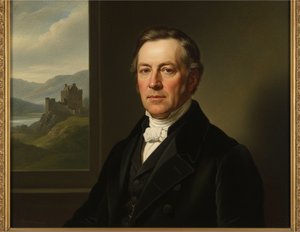
Henry Raeburn: A Scottish Portraitist's Mastery of Light, Character & National Identity
Explore the life & work of Henry Raeburn, a master Scottish portraitist. Discover his innovative techniques, captivating portraits of the Enlightenment era, and lasting legacy in art history. Learn more at OriginalUniqueArt.
Sir John Watson Gordon: A Study in Scottish Landscape Painting & Tonal Impressionism
Explore the captivating portraits of Sir John Watson Gordon, a leading Scottish master. Discover his evolution from neoclassical style to atmospheric Tonalism and influence on 19th-century British art. Learn about his iconic sitters & legacy.