

 Переглянути в інтер'єрі
 Надіслати як листівку
 Поділитися
 Детальніше

 Завантажити
 Схожі експонати
 Рентгенівське дослідження
 Слайд-шоу
 Статистика
Sunday
 Oil On Canvas
- WallArt
- Impressionism
 1898
1898 113.0 x 192.0 cm
 Musée de la Chartreuse
 Читати далі
Олійная репродукція ручної роботи
Написана вручну олією на полотні у вашому розмірі та рамі, виготовлена на замовлення нашими художниками. ( Перейти до друку Перейти до цифрових зображень)




P118B $10

P118H $10

P118W $10

P438Z $10

P508JH $12

P508YH $12

P805H $10

P805Z $10

P919BZ $10

P919G $10

P919XJ $10

P959ZH $10

P968JZ $12

W106C $8

W218G $10

W218JH $8

W218Y $10

W307PJ $10

W316G $10

W316PJ $8

W316Y $10

W398PJ $8

W4111J $10

W500HY $15

W500JH $15

W692G $12

W849H $8

W940BG $15

W953PJ $8




Обирайте з наших стандартних розмірів, що відповідають оригінальним пропорціям твору мистецтва.

Ви можете вказати власні розміри, щоб репродукція ідеально підійшла до конкретної рами або інтер'єру. Якщо вибраний вами розмір не відповідає пропорціям оригіналу, ми або обріжемо полотно, або доповнимо картину додатковими елементами, промальованими вручну. Цифровий макет буде надіслано вам на затвердження перед початком виробництва.
Зверніть увагу, що попередній перегляд на екрані не відображає фактичне обрізання або розширення зображення. Тільки макет точно покаже остаточну композицію.
Хоча ми можемо виготовити виріб у нестандартному розмірі, для збереження оригінальних пропорцій рекомендуємо обирати варіанти зі встановленого списку.
Після оформлення замовлення команда OriginalUniqueArt.com зв'яжеться з клієнтом електронною поштою для отримання інструкцій та надасть попередній макет
Доставка по всьому світу () за 3–4 тижні замість стандартних 5 тижнів. (9 Вересень). Без жодних компромісів у якості.

Безкоштовна експрес-доставка по всьому світу

Високоякісне лляне полотно

Повне страхове покриття доставки

Гарантія відшкодування митних зборів

Гарантія точного відтворення кольорів

Політика повернення протягом 100 днів (тільки у разі виявлення дефектів)

Гарантія повернення 100% коштів

Пропозиція на оптові замовлення
 Скляний варіант доступний лише для розмірів до 110 см

Sunday
Матеріал репродукції
Розмір репродукції
-


Підсумкова вартість
$ 450
A Moment of Tranquility: Henri Le Sidaner's "Sunday"
Henri Le Sidaner’s “Sunday,” painted in 1898, is more than just a depiction of women gathered in a park; it’s an invitation to pause and absorb the quiet beauty of a fleeting moment. The canvas breathes with a soft, diffused light that suggests either dawn or dusk, bathing the scene in an ethereal glow. This isn't a bustling social gathering captured mid-conversation, but rather a tableau of contemplative stillness, where figures seem suspended between worlds – perhaps reflecting on the week past or anticipating the one to come. The overall impression is undeniably Impressionistic, characterized by loose brushstrokes and a focus on capturing the ephemeral qualities of light and color, moving beyond strict realism to evoke an emotional response in the viewer.The Essence of Intimism and Light
Le Sidaner was a master of what’s known as “Intimism,” a late 19th-century movement that emphasized intimate scenes and quiet domesticity. Unlike some Impressionists who sought grand landscapes or vibrant cityscapes, Le Sidaner found beauty in the understated – in the gentle play of light on fabric, the subtle shifts in color across a park’s foliage, and the unspoken connections between people. His technique is particularly noteworthy; he employed thin washes of oil paint, layering them meticulously to build up both color and form. This process created a slightly grainy texture, enhancing the sense of atmosphere and lending an almost dreamlike quality to the scene. The horizontal lines dominating the landscape—the ground, the distant trees—create a foundation of stability, while vertical elements in the figures and foliage provide a gentle counterpoint, guiding the eye through the composition. The artist’s deliberate use of pale pinks, whites, and creams contributes significantly to the serene and delicate mood, avoiding harsh contrasts and instead opting for harmonious blends that soothe the senses.A Glimpse into Belle Époque Society
Painted during the Belle Époque—a period often characterized by optimism, peace, and artistic innovation—"Sunday" offers a glimpse into the leisure activities of upper-class women in late 19th-century France. While not overtly narrative, the scene suggests a moment of respite from societal obligations, a chance for quiet reflection amidst nature's beauty. The setting itself – a park-like space with carefully manicured greenery—speaks to the era’s appreciation for cultivated landscapes and refined aesthetics. Le Sidaner wasn't interested in documenting specific events; rather, he aimed to capture a feeling, an atmosphere of tranquility that resonated with the prevailing mood of the time while also hinting at a deeper sense of introspection.Symbolism and Emotional Resonance
Beyond its aesthetic appeal, "Sunday" carries subtle symbolic weight. The soft light could be interpreted as representing hope or spiritual renewal, aligning with the day's traditional association with rest and reflection. The gathering of women suggests themes of community, connection, and shared experience. The overall feeling is one of peaceful contemplation—a moment suspended in time, inviting viewers to shed their own burdens and embrace a sense of calm. Le Sidaner’s genius lies in his ability to evoke such profound emotions through seemingly simple imagery, creating a work that continues to resonate with audiences today. The painting isn't just about what is seen; it's about the feeling it evokes—a quiet longing for beauty, peace, and connection in an increasingly complex world.Біографія митця
Early Life and Background
Henri Le Sidaner, a name synonymous with evocative domestic scenes and tranquil landscapes, was born on August 7th, 1862, in the vibrant port city of Port Louis, Mauritius. His origins were deeply rooted in Breton heritage – his father, Jean Marie Le Sidaner, worked as a ship inspector for Lloyd’s, a position that necessitated frequent travels and exposed the family to diverse cultures. The Le Sidaners' life took an important turn in 1872 when they relocated to Dunkerque, France, establishing a new home amidst the bustling coastal town. This move marked the beginning of Henri’s journey into the world of art, nurtured by his parents who recognized and encouraged his early artistic inclinations.
Henri's formative years were spent in Dunkerque, where he attended the Collège et Lycée Notre Dame des Dunes. It was here that a spark ignited within him – a passion for painting that would eventually define his entire career. The town’s atmosphere, with its blend of maritime traditions and burgeoning artistic circles, undoubtedly played a role in shaping his nascent talent.
Artistic Training and Influences
Driven by an unwavering dedication to his craft, Henri secured a prestigious scholarship that enabled him to pursue his artistic ambitions in Paris. In 1880, at the tender age of eighteen, he enrolled at the École nationale supérieure des beaux-arts – a renowned institution that had nurtured generations of French artists. It was within these hallowed halls that he began his formal training under the tutelage of Alexandre Cabanel, a prominent figure in Belle Époque French painting. However, their artistic philosophies soon diverged, leading to a respectful but ultimately decisive separation. Le Sidaner’s early influences were profoundly shaped by the revolutionary techniques and aesthetics of Impressionism and Pointillism.
Artists like Édouard Manet, known for his bold departures from academic tradition, and Claude Monet, with his groundbreaking explorations of light and color, served as pivotal mentors. Furthermore, he was captivated by the innovative approach of the Pointillists – artists who employed tiny dots of pure color to create luminous effects. These diverse influences coalesced within Le Sidaner’s artistic vision, laying the foundation for his distinctive style.
Seeking further inspiration and collaboration, Henri joined the Colonie artistique d'Étaples – a collective of artists dedicated to honing their skills in the coastal town of Étaples. This environment fostered experimentation, camaraderie, and a shared pursuit of artistic excellence.
Artistic Style and Development
Le Sidaner’s artistic style is instantly recognizable for its subtle yet profound beauty. He eschewed bold brushstrokes and vibrant hues in favor of a muted palette dominated by subdued colors, nuanced greys, and delicate opals. His technique involved applying these pigments with uneven, dappled brushstrokes – a deliberate choice that created an atmosphere of gentle mystery and quiet contemplation. This masterful manipulation of light and shadow is particularly evident in his nocturnes, where he captured the ethereal beauty of twilight hours with remarkable sensitivity.
Over time, Le Sidaner’s style underwent a subtle but significant evolution. Initially influenced by Impressionism and Pointillism, he gradually developed a more personal aesthetic – one that blended these techniques with elements of Symbolism. This resulted in paintings that possessed both a sense of realism and an underlying emotional depth.
In 1905, Le Sidaner sought refuge from the Parisian bustle, establishing a home in Gerberoy, a charming village nestled in the Picardy countryside. It was here, amidst the ruins of a medieval fortress, that he created his most celebrated works – seductive views of meticulously cultivated gardens filled with roses and dappled sunlight. These paintings became synonymous with his artistic identity, solidifying his reputation as a master of atmospheric landscapes.
Major Works and Recognition
Throughout his prolific career, Henri Le Sidaner produced a remarkable body of work encompassing still lifes, domestic interiors, and evocative landscape scenes. Among his most celebrated paintings are "Still Life and a Window, Gisors," a captivating study of light and form, and “Table Au Clair De Lune,” which exemplifies his mastery of capturing the subtle nuances of twilight. His works have been exhibited in prestigious galleries across France and internationally, garnering critical acclaim and attracting discerning collectors.
Le Sidaner’s artistic achievements were formally recognized by the French government, culminating in a Legion of Honour award in 1913 – a testament to his enduring contribution to the world of art. His paintings are currently housed in museums across Europe, including the Musée des Beaux-Arts Tournai in Belgium, ensuring that his legacy will continue to inspire and delight for generations to come.
Historical Significance
Henri Le Sidaner is often regarded as a pivotal figure bridging the gap between Impressionism and Post-Impressionism. His unique style – characterized by its subtle color harmonies, atmospheric depth, and intimate subject matter – distinguishes him from his contemporaries. He possessed an extraordinary ability to capture the essence of everyday life, transforming ordinary scenes into moments of profound beauty and emotional resonance.
Le Sidaner’s legacy extends beyond his individual works; he represents a culmination of artistic trends and influences, embodying the spirit of innovation and sensitivity that defined the late 19th and early 20th centuries. His paintings continue to resonate with viewers today, offering glimpses into a world of quiet contemplation and understated elegance.
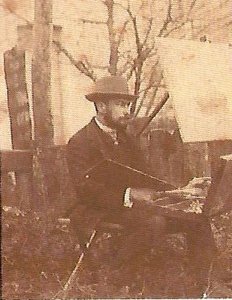
Генрі Ле Сіданер
1862 - 1939 , Маврикій
Короткі факти
- Artistic Movement Or Style: Інтимізм, Імпресіонізм
- Artists Or Movements Influenced By This Artist: ['Імпресіонізм']
- Artists Who Influenced This Artist:
- Едуард Мане
- Клод Моне
- Пойнтільісти
- Date Of Birth: 7 серпня 1862
- Date Of Death: 14 липня 1939
- Full Name: Henri Eugène Augustin Le Sidaner
- Nationality: Француз
- Notable Artworks:
- Still life і вікно, Джисорс
- Beauvais Square by Moonlight
- Place Of Birth: Порт-Луї, Маврикій
Пов'язані статті
Portrayals of Power & Perception: A Historical Survey of Women in Art
Explore the rich history of women in art – from iconic muses to groundbreaking artists. Discover feminist movements & reclaim female narratives with OriginalUniqueArt. Expert insights for discerning collectors.
Henri Le Sidaner: Evoking Atmosphere & Intimacy in Post-Impressionist Landscapes
Discover the evocative world of Henri Le Sidaner, a master of Intimist painting. Explore his tranquil landscapes & atmospheric interiors – a celebration of light and intimacy. Learn about his life, style, and lasting legacy.
Топ-25 шедеврів П’єра-Огюста Ренуара: мистецтво, краса та декор для вашого дому
Відкрийте для себе 25 найкращих шедеврів П’єра-Огюста Ренуара! Імпресіонізм, балерини, портрети – історія мистецтва та натхнення для вашого дому. Репродукції картин високої якості на OriginalUniqueArt.com.

Топ-10 шедеврів імпресіонізму: пейзажі, що змінили мистецтво | OriginalUniqueArt
Відкрийте для себе 10 шедеврів імпресіонізму, що змінили пейзажне мистецтво! Дізнайтесь історії Моне, Ренуара та інших майстрів. Купіть репродукції картин імпресіоністів преміум-якості на OriginalUniqueArt.com і додайте елегантності вашому інтер'єру. Дослідіть колекцію онлайн!
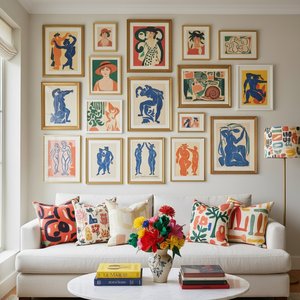
Топ-25 шедеврів Анрі Матісса: Кольори та форми, що змінили мистецтво | OriginalUniqueArt
Відкрийте для себе 25 найвідоміших шедеврів Анрі Матісса! Дізнайтесь історію фавізму, колірних рішень та унікального стилю художника. Репродукції картин Матісса для вашого дому – на OriginalUniqueArt.com. Дослідіть колекцію онлайн!