
 Переглянути в інтер'єрі
 Надіслати
 Поділитися
 Деталі витвору

 Завантажити
 Схожі вироби
 Рентгенівське дослідження
 Слайд-шоу
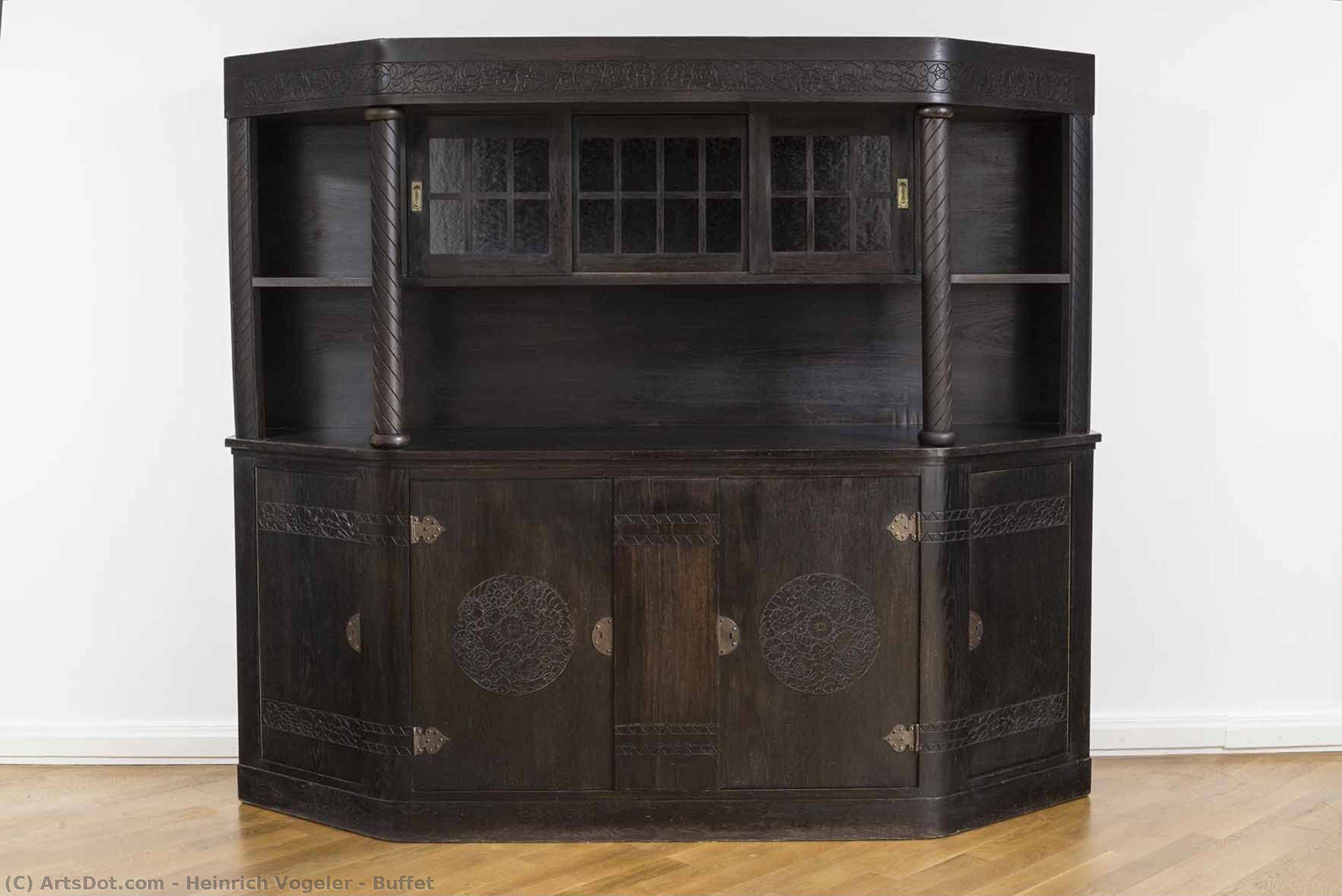
Buffet


 Розгорнути текст
Олійная репродукція ручної роботи
Написана вручну олією на полотні у вашому розмірі та рамі, виготовлена на замовлення нашими художниками. ( Перейти до друку Перейти до зображення)




































Обирайте з наших стандартних розмірів, що відповідають оригінальним пропорціям твору мистецтва.

Ви можете вказати власні розміри, щоб репродукція підійшла до конкретної рами або інтер'єру. Якщо вибраний вами розмір не відповідає пропорціям оригіналу, ми або обріжемо полотно, або доповнимо картину додатковими елементами, промальованими вручну. Цифровий макет буде надіслано вам на затвердження перед початком виробництва.
Зверніть увагу, що попередній перегляд на екрані не відображає фактичне обрізання або розширення зображення. Тільки макет точно покаже остаточну композицію.
Хоча ми можемо виготовити виріб у нестандартному розмірі, для збереження оригінальних пропорцій рекомендуємо обирати варіанти зі встановленого списку.
Після оформлення замовлення команда OriginalUniqueArt.com зв'яжеться з клієнтом електронною поштою для отримання інструкцій та надасть попередній макет
Доставка по всьому світу () за 3–4 тижні замість стандартних 5 тижнів. (30 Липень). Без жодних компромісів у якості.

Безкоштовна експрес-доставка по всьому світу

Високоякісне лляне полотно

Повне страхове покриття доставки

Гарантія відшкодування митних зборів

Гарантія точного відтворення кольорів

Політика повернення протягом 60 днів (лише у разі виявлення дефектів)

Гарантія повернення 100% коштів

Знижка на багатоелементні замовлення
 Скляний варіант доступний лише для розмірів до 110 см

Buffet
Матеріал репродукції
Розмір репродукції
-


Підсумкова ціна
$ 300
Біографія митця
Heinrich Vogeler: Bridging Romantic Idealism and Socialist Engagement
Heinrich Vogeler (1872-1942) stands as a pivotal figure in German art history, embodying the spirit of the Düsseldorf School and profoundly impacted by the burgeoning Worpswede colony. Born in Bremen, his artistic journey unfolded against the backdrop of shifting cultural currents—from early romantic landscapes to later socially conscious paintings reflecting his unwavering commitment to communist ideals—establishing him as an artist deeply attuned to both aesthetic beauty and ethical responsibility. His formative years were marked by rigorous academic training at the Kunstakademie Düsseldorf (1890–95), where he honed his skills alongside contemporaries like Erich Heckel and Wilhelm Wagenfeld, absorbing the stylistic innovations of Impressionism and Post-Impressionism. These influences instilled in Vogeler a sensitivity to light and color that would permeate his subsequent oeuvre. Notably, his visits to Belgium and Italy exposed him to the grandeur of Renaissance art and broadened his artistic horizons. However, it was Worpswede—the idyllic Künstlerkolonie established in 1895—that truly cemented Vogeler’s reputation as a landscape painter and solidified his connection to a vibrant artistic community. He purchased a cottage there named Birkenhof (Low German for birken tree cottage), planting numerous birch trees around it, symbolizing resilience and renewal – motifs that would recur throughout his work. Vogeler's artistic style evolved dramatically over time. Initially characterized by ethereal landscapes imbued with Romantic sentiment—particularly depictions of the Bremen region—his paintings gradually embraced bolder brushstrokes and expressive color palettes reflecting the influence of Fauvist tendencies. He skillfully blended Impressionistic techniques with Symbolist aesthetics, creating images that captured not merely visual beauty but also profound emotional resonance. His book illustrations in Art Nouveau style showcased his mastery of decorative design and demonstrated a keen understanding of contemporary artistic trends. Beyond his artistic accomplishments, Vogeler’s intellectual convictions played an equally significant role in shaping his creative output. Inspired by Maxim Gorky's writings during a trip to Łódź, he developed a deep empathy for the plight of the working class—a sentiment that intensified during observations of Glasgow and Manchester slums. This humanist impulse fueled his artistic exploration of social issues, culminating in powerful depictions of industrial landscapes and portraits reflecting the hardships faced by ordinary people. Following World War I, Vogeler joined the Communist Party of Germany (KPD), actively participating in the Workers’ and Soldiers’ Council of Bremen during the German Revolution of 1918–19. His involvement extended to artistic endeavors aimed at promoting socialist ideals—a commitment that endured throughout his life. Despite facing personal challenges including a divorce from Martha Schröder, Vogeler remained steadfast in his dedication to art and ideology until his death in 1942. He continued to produce paintings reflecting the realities of postwar Germany, demonstrating an unwavering belief in social justice and artistic expression as instruments for fostering human compassion. Heinrich Vogeler’s legacy resides not only in his stunning landscapes but also in his enduring contribution to German art history—a testament to an artist who seamlessly blended aesthetic brilliance with ethical conviction.
heinrich vogeler
1872 - 1942
Короткі факти
- Artistic Movement Or Style: Düsseldorf School & Worpswede
- Artists Or Movements Influenced By This Artist: ['Social Realism']
- Artists Who Influenced This Artist:
- Maxim Gorky
- Georges Rodenbach
- Date Of Birth: December 12, 1872
- Date Of Death: June 14, 1942
- Full Name: Johann Heinrich Vogeler
- Nationality: German
- Notable Artworks:
- Birkenhof Landscape
- Celtic Landscape
- Place Of Birth: Bremen, Germany
Пов'язані статті
Frank Brangwyn: A Life Immersed in Colour, Craft & the Spirit of Modern British Art
Explore the vibrant life & prolific work of Frank Brangwyn, a master of British art. Discover his stunning paintings, designs, and monumental Empire Panels – a celebration of colour, craft, and artistic innovation.

The Roaring Twenties Revisited: Art Deco & Modernist Expressions for the Discerning Collector
Explore the glamour of Art Deco & the innovation of Modernism! Discover key artists, investment potential, and expert guidance for collecting 1920s art. Enhance your space with timeless masterpieces.

Beyond Myth & Madness: Exploring the Visionary Art of Johann Heinrich Füssli
Explore the captivating world of Johann Heinrich Füssli (Henry Fuseli), a master of Romantic art. Discover his iconic 'The Nightmare' and Shakespearean scenes, plus insights for collectors & enthusiasts.
Erté: The Art Deco Visionary Who Defined Modern Glamour
Explore the glamorous world of Erté, the 'Father of Art Deco'. Discover his iconic fashion illustrations, stunning sculptures & enduring legacy. Expert insights for art collectors.
Paul Manship: Reassessing the Master of American Art Deco Sculpture
Explore the captivating world of Paul Manship, a leading figure in American Art Deco sculpture. Discover his iconic works like Prometheus, influence on modernism, and investment potential. Expert insights for collectors.

