

 Переглянути в інтер'єрі
 Надіслати
 Поділитися
 Деталі
 Посібник

 Завантажити
 Схожі предмети колекціонування
 Рентгенівське дослідження
 Слайд-шоу
 Статистика переглядів
Christ before Pilate
 Oil On Panel
- German Realism
 1437
1437- Renaissance
 148.0 x 140.0 cm
 Державні музеї Берліна
 Читати далі
Олійная репродукція ручної роботи
Написана вручну олією на полотні у вашому розмірі та рамі, виготовлена на замовлення нашими художниками. ( Перейти до друку Перейти до цифрових зображень)




P118B $10

P118H $10

P118W $10

P438Z $10

P508JH $12

P508YH $12

P805H $10

P805Z $10

P919BZ $10

P919G $10

P919XJ $10

P959ZH $10

P968JZ $12

W106C $8

W218G $10

W218JH $8

W218Y $10

W307PJ $10

W316G $10

W316PJ $8

W316Y $10

W398PJ $8

W4111J $10

W500HY $15

W500JH $15

W692G $12

W849H $8

W940BG $15

W953PJ $8




Обирайте з наших стандартних розмірів, що відповідають оригінальним пропорціям твору мистецтва.

Ви можете вказати власні розміри, щоб репродукція ідеально підійшла до конкретної рами або інтер'єру. Якщо вибраний вами розмір не відповідає пропорціям оригіналу, ми або обріжемо полотно, або доповнимо картину додатковими елементами, промальованими вручну. Цифровий макет буде надіслано вам на затвердження перед початком виробництва.
Зверніть увагу, що попередній перегляд на екрані не відображає фактичне обрізання або розширення зображення. Тільки макет точно покаже остаточну композицію.
Хоча ми можемо виготовити виріб у нестандартному розмірі, для збереження оригінальних пропорцій рекомендуємо обирати варіанти зі встановленого списку.
Після оформлення замовлення команда OriginalUniqueArt.com зв'яжеться з клієнтом електронною поштою для отримання інструкцій та надасть попередній макет
Доставка по всьому світу () за 3–4 тижні замість стандартних 5 тижнів. (26 Вересень). Без жодних компромісів у якості.

Безкоштовна експрес-доставка по всьому світу

Високоякісне лляне полотно

Повне страхове покриття доставки

Гарантія повернення митних зборів

Гарантія точного відтворення кольорів

Політика повернення протягом 100 днів (лише у разі виявлення дефектів)

Гарантія повернення 100% коштів

Знижка на оптові замовлення
 Скляний варіант доступний лише для розмірів до 110 см

Christ before Pilate
Техніка репродукції
Розмір репродукції
-


Загальна вартість
$ 300
The Weight of Judgment: Christ Before Pilate
To stand before this depiction of Christ before Pilate is to step directly into the crucible of human history and divine confrontation. Painted in 1437 by Hans Multscher, this work transcends a mere narrative scene; it is a profound meditation on innocence facing overwhelming temporal power. The composition immediately draws the eye to the central drama: Jesus, seated with an air of serene dignity, enduring the scrutiny of Pontius Pilate and the surrounding throng. Multscher masterfully captures not just the event, but the palpable tension that hangs in the air—the weight of judgment pressing down upon all figures.
A Masterpiece of Early German Realism
Hans Multscher stands as a pivotal figure, an artist whose vision helped shepherd German art from the lingering echoes of the Gothic into the bright dawn of Renaissance naturalism. His technique is remarkable for its commitment to detail and emotional verisimilitude. One can almost feel the texture of the robes and observe the subtle gestures of the accusers. The inclusion of specific objects—the bowl near the lower left, the cup aloft in the upper right, and the visible swords—are not mere set dressing; they are carefully placed signifiers that ground the theological drama in a tangible, believable reality. This meticulous attention to material detail speaks volumes about Multscher’s deep study of the observable world.
Symbolism Woven into the Scene
Every element within this panel seems imbued with symbolic resonance. The contrast between Christ's calm composure and the agitated energy of the surrounding figures creates a powerful visual dialectic. Consider the implements: the swords, symbols of earthly authority and potential violence, stand in stark opposition to the spiritual truth embodied by the central figure. These objects serve as potent reminders that the conflict depicted is not merely political, but fundamentally spiritual. The entire arrangement invites contemplation on themes of sacrifice, martyrdom, and the enduring nature of grace against the tide of human fallibility.
Bringing Sacred Drama Home
For the discerning collector or designer seeking an anchor piece for a grand hall or chapel setting, this reproduction offers unparalleled depth. Owning a work echoing Multscher’s genius allows one to connect with the intellectual and spiritual currents that defined early Northern European art. The rich narrative quality ensures that the artwork remains engaging across generations, inviting viewers not just to look, but to participate in the contemplation of its weighty themes. It is an heirloom piece, carrying the resonance of 15th-century devotion rendered with breathtaking, enduring realism.
Біографія митця
A Pioneer of German Realism: The Life and Art of Hans Multscher
Hans Multscher, a name often overshadowed by the towering figures of his contemporaries, nevertheless stands as a pivotal figure bridging the stylistic transition from late Gothic to early Renaissance in Germany. Born around 1400 in the small Bavarian town of Reichenhofen – now part of Leutkirch im Allgäu – Multscher’s life was one of constant movement and intellectual curiosity. He wasn't merely a craftsman; he was an explorer, driven by a desire to absorb the artistic innovations blossoming across Europe. His journey took him beyond the familiar landscapes of his homeland, exposing him to the burgeoning realism and meticulous detail characteristic of Early Netherlandish painting – a style that would profoundly shape his unique aesthetic vision. This fascination with Northern European art, particularly its emphasis on naturalism and emotional depth, became the cornerstone of his artistic development.- Early Influences: Multscher’s formative years were spent in Reichenhofen, a region steeped in Gothic tradition. However, even at a young age, he demonstrated an aptitude for observation and a desire to move beyond the stylized conventions of the era.
- Travels and Learning: Driven by his artistic ambition, Multscher embarked on extensive travels throughout Germany, France, and the Netherlands. These journeys were not merely vacations; they were deliberate quests for knowledge, allowing him to witness firsthand the groundbreaking techniques and innovative approaches being developed by leading artists of the time.
- Ulm: A Turning Point: In 1427, Multscher established himself as a free citizen of Ulm – a thriving commercial hub on the Danube River. This move marked a significant turning point in his career, providing him with access to new markets, patrons, and artistic opportunities.
The Workshop and Artistic Development
Multscher’s workshop was far more than just a production facility; it served as a vibrant incubator of artistic experimentation. Records indicate that he oversaw a substantial team – sometimes numbering as many as sixteen assistants – fostering an environment where traditional Gothic forms were gradually infused with the naturalism he had absorbed during his travels. This blending of influences is particularly evident in his sculptural work, which moved away from the elongated figures and stylized drapery typical of the late Gothic period towards more anatomically accurate representations and a greater sense of emotional depth. The faces of his saints are no longer idealized; they possess a palpable humanity, reflecting a deeper understanding of human psychology. His paintings, though fewer in number than his sculptures, demonstrate an equally compelling shift. The *Wurzacher Altar*, begun in 1437, stands as a testament to this evolving style. This ambitious project – originally intended for the church of St. James in Wurzach – showcases Multscher’s mastery of oil painting – a relatively new medium at the time – and his ability to render textures, light, and shadow with remarkable precision. The altar's panels depict scenes from the life of Christ and the Virgin Mary, each imbued with a sense of palpable humanity that set it apart from earlier devotional art. It’s important to note that Multscher wasn’t solely focused on religious subjects; his commissions also included secular works, such as the group of emperors adorning the eastern window of Ulm's city hall, demonstrating his versatility and appeal to a broad clientele. The workshop was not just about creating objects; it was about disseminating ideas, refining techniques, and shaping the artistic landscape of Swabia.Key Works and Lasting Legacy
Beyond the *Wurzacher Altar*, several other works cemented Multscher’s reputation as one of Germany’s most important artists. The sculpture of *Holy Mary Magdalen*, now housed in Frankfurt's Liebieghaus, is a particularly poignant example of his ability to convey profound emotion through sculpted form. Her sorrowful expression and the delicate rendering of her hair and clothing reveal a deep understanding of human psychology. Another notable work is the *Man of Sorrows* – copies of which can be found at Ulm Minster – a powerful depiction of Christ’s suffering that reflects the devotional fervor of the era. These pieces, along with his contributions to the Ulm city hall, demonstrate Multscher's skill in both sculpture and painting, as well as his ability to adapt his style to different contexts and patrons. Multscher’s influence extended far beyond his own lifetime; the workshop he established continued to thrive after his death in 1467, disseminating his artistic principles throughout Swabia and beyond. He wasn't simply a master craftsman; he was a teacher, an innovator, and a catalyst for change – a figure who helped usher in a new era of artistic realism in Germany.A Bridge Between Eras
Hans Multscher’s significance lies not only in the beauty and technical skill of his art but also in his role as a bridge between two distinct periods. He was among the first German artists to fully embrace the realism and naturalism that were transforming art in northern Europe, paving the way for subsequent generations of Renaissance masters. His work represents a crucial moment in the development of German art, marking a departure from the stylized conventions of the Gothic period towards a more humanistic and observational approach. While he didn’t entirely abandon traditional forms – elements of Gothic ornamentation can still be detected in his work – he skillfully integrated them with new techniques and aesthetic sensibilities, creating a unique artistic language that resonated deeply with his contemporaries and continues to captivate audiences today. He stands as a testament to the power of artistic exchange and the enduring legacy of those who dare to challenge convention.Exploring Multscher’s World Today
Fortunately, numerous examples of Hans Multscher's artistry survive, allowing us to appreciate his genius firsthand. The Gemäldegalerie Alte Meister in Dresden houses an impressive collection of European paintings from the 15th to 18th centuries, offering a broader context for understanding Multscher’s place within art history. For those interested in exploring high-quality reproductions of his work, platforms like OriginalUniqueArt and OriginalUniqueArt offer meticulously hand-painted copies that capture the nuances of his original masterpieces. Furthermore, resources such as Wikipedia and the Web Gallery of Art provide valuable biographical information and detailed analyses of his artistic style. By engaging with these resources, we can continue to celebrate the life and legacy of Hans Multscher – a true pioneer of German realism whose art continues to inspire and move us centuries later.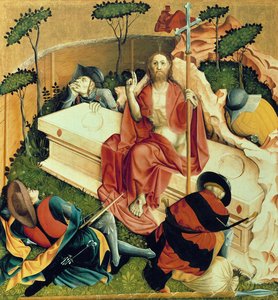
Ганс Фредрік Гуде
1400 - 1467 , Німеччина
Довідкова інформація
- Artistic Movement Or Style: Пізній готизм/Ренесанс
- Artists Or Movements Influenced By This Artist: ['Ренесанс']
- Artists Who Influenced This Artist:
- Скандинавські стилі
- Нідерландські стилі
- Date Of Birth: c. 1400
- Date Of Death: 1467
- Full Name: Hans Multscher
- Nationality: Німецький
- Notable Artworks:
- Марія Магдалина
- Чоловік смутку
- Група імператорів
- Вуццакерський алтарь
- Place Of Birth: Reichenbach, Німеччина
Схожі статті

10 шедеврів німецького експресіонізму, що змінили мистецтво | OriginalUniqueArt
Пориньте у світ німецького експресіонізму! 10 шедеврів від Кандинського, Кірхнера та інших – історія творчості, емоцій та кольорів. Купуйте репродукції картин на OriginalUniqueArt.com та створіть неповторний інтер'єр.
The Northern Awakening: Artistic Innovation & Cultural Transformation in the German Renaissance
Explore the artistic innovation of the German Renaissance! Discover Dürer, the Danube School & Reformation art. Learn about techniques, materials & lasting influence. Find museum-quality reproductions at OriginalUniqueArt.
Топ-25 шедеврів Фра Анджеліко: італійське Відродження для вашого дому | OriginalUniqueArt
Відкрийте для себе 25 шедеврів Фра Анджеліко – італійського майстра Відродження! Дізнайтесь історію кожної фрески та картини, їхній духовний зміст та техніку виконання. Репродукції картин високої якості для вашого дому на OriginalUniqueArt.com.
Sacred Narratives Embodied: A Comprehensive Exploration of Religious Iconography in Art History
Explore the rich history of religious iconography in art! Discover symbolism, movements & masterpieces from Byzantine to Renaissance periods. Expert insights for collectors and enthusiasts at OriginalUniqueArt.

Hans Holbein the Younger: A Renaissance Portraitist's Mastery of Realism & Psychological Insight
Explore the life & art of Hans Holbein the Younger, a Renaissance master renowned for his strikingly realistic portraits and psychological insight. Discover iconic works like 'The Ambassadors' and delve into his lasting legacy.
