
 Переглянути в інтер'єрі
 Надіслати як листівку
 Поділитися
 Детальніше

 Завантажити
 Схожі експонати
 Рентгенівське дослідження
 Слайд-шоу
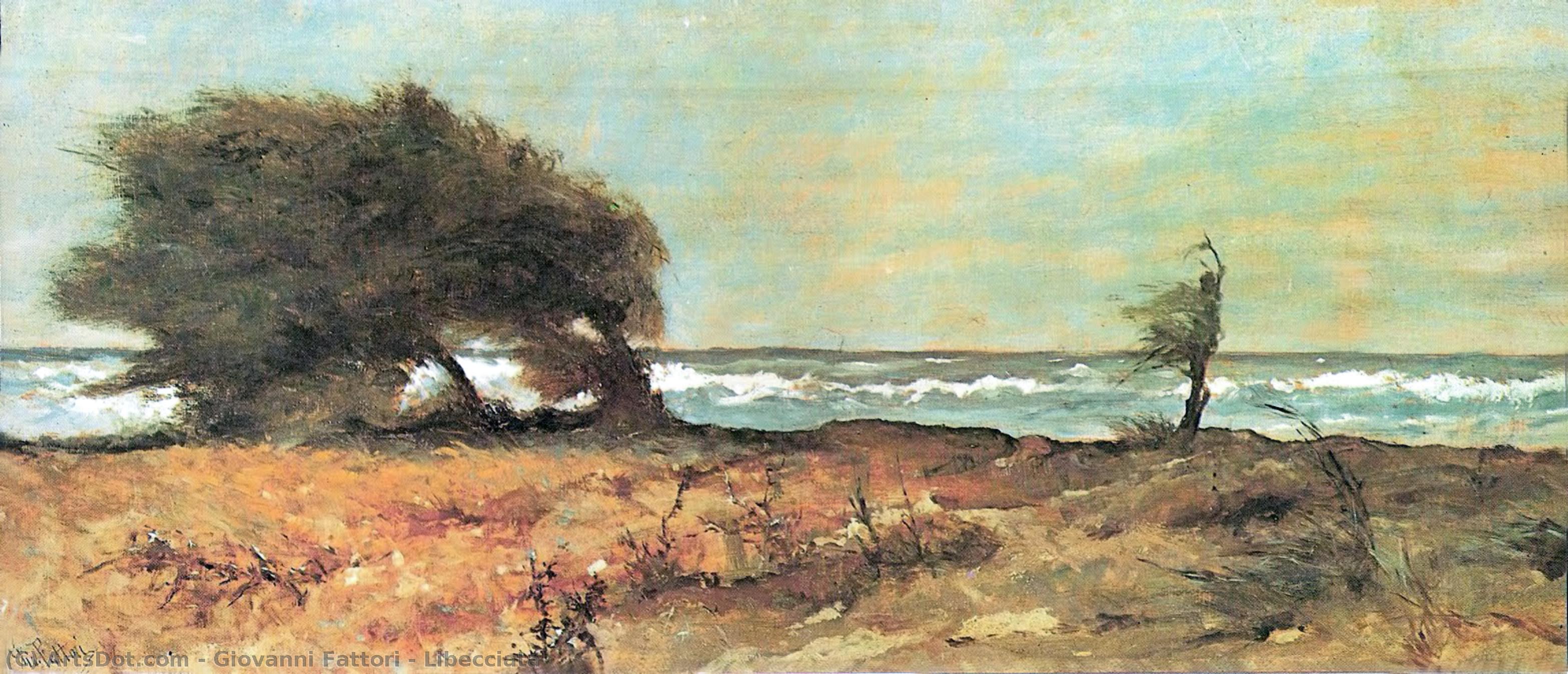
Libecciata


 Читати далі
Олійная репродукція ручної роботи
Написана вручну олією на полотні у вашому розмірі та рамі, виготовлена на замовлення нашими художниками. ( Замовити принт Купити цифрове зображення)




P118B $10

P118H $10

P118W $10

P438Z $10

P508JH $12

P508YH $12

P805H $10

P805Z $10

P919BZ $10

P919G $10

P919XJ $10

P959ZH $10

P968JZ $12

W106C $8

W218G $10

W218JH $8

W218Y $10

W307PJ $10

W316G $10

W316PJ $8

W316Y $10

W398PJ $8

W4111J $10

W500HY $15

W500JH $15

W692G $12

W849H $8

W940BG $15

W953PJ $8




Обирайте з наших стандартних розмірів, що відповідають оригінальним пропорціям твору мистецтва.

Ви можете вказати власні розміри, щоб репродукція ідеально підійшла до конкретної рами або інтер'єру. Якщо вибраний вами розмір не відповідає пропорціям оригіналу, ми або обріжемо полотно, або доповнимо картину додатковими елементами, промальованими вручну. Цифровий макет буде надіслано вам на затвердження перед початком виробництва.
Зверніть увагу, що попередній перегляд на екрані не відображає фактичне обрізання або розширення зображення. Тільки макет точно покаже остаточну композицію.
Хоча ми можемо виготовити виріб у нестандартному розмірі, для збереження оригінальних пропорцій рекомендуємо обирати варіанти зі встановленого списку.
Після оформлення замовлення команда OriginalUniqueArt.com зв'яжеться з клієнтом електронною поштою для отримання інструкцій та надасть попередній макет
Доставка по всьому світу () за 3–4 тижні замість стандартних 5 тижнів. (15 Серпень). Без жодних компромісів у якості.

Безкоштовна експрес-доставка по всьому світу

Високоякісне лляне полотно

Повне страхове покриття доставки

Гарантія відшкодування митних зборів

Гарантія точного відтворення кольорів

Політика повернення протягом 60 днів (лише у разі виявлення дефектів)

Гарантія повернення 100% коштів

Пропозиція на оптові замовлення
 Скляний варіант доступний лише для розмірів до 110 см

Libecciata
Матеріал репродукції
Розмір репродукції
-


Підсумкова вартість
$ 300
Опис твору
Giovanni Fattori: Capturing Tuscan Tranquility – A Window into the Macchiaioli Movement
Giovanni Fattori stands as a cornerstone of the Macchiaioli movement, an Italian artistic revolution that fundamentally altered perceptions of landscape painting in the late 19th century. Born in Livorno in 1825, Fattori’s journey from aspiring commerce student to internationally recognized painter embodies the transformative power of artistic passion—a passion he relentlessly pursued throughout his life.
Initially guided by familial expectations towards a more conventional profession, Fattori's innate talent for drawing quickly superseded these influences. An apprenticeship with Giuseppe Baldini in 1845 ignited his formal artistic education, propelling him to Florence and the Academy of Fine Arts where he briefly interrupted his studies during the tumultuous period of Italy’s unification—experiences that instilled within him a profound appreciation for patriotic fervor and shaped his subsequent artistic vision.
“Libecciata”: A Symphony of Color and Motion
"Libecciata," painted in 1880, exemplifies Fattori's mastery of the Macchiaioli aesthetic. This monumental canvas—measuring approximately 28.4 x 68 cm—depicts a dramatic seascape near Antignano, Livorno, powerfully conveying the raw energy of the Tuscan coast under gale-force winds.
Fattori’s technique is characterized by “macchiaiolo,” or “splashed” painting – a revolutionary approach that prioritized bold brushstrokes and vibrant color patches over meticulous detail. Rather than blending colors smoothly, Fattori applied pigment directly onto the canvas, creating textured surfaces that pulsed with luminosity. This method brilliantly captures the dynamism of the wind-swept dunes and sea spray, mirroring the turbulent spirit of the era.
Historical Context: The Birth of Impressionism
The Macchiaioli movement emerged as a reaction against academic painting’s rigid conventions and idealized representations. Influenced by Barbizon painters like Théodore Rousseau and Frédéric Bazille, Fattori sought to depict nature with uncompromising honesty—to capture its essence without resorting to illusionistic techniques.
This artistic rebellion coincided with the burgeoning influence of Impressionism in France, spearheaded by Claude Monet and Pierre-Auguste Renoir. Fattori’s work foreshadowed many Impressionist principles, demonstrating a shared commitment to portraying fleeting moments of light and atmosphere—a stylistic hallmark that cemented his place as a precursor to this groundbreaking movement.
Symbolic Resonance: Tranquility Amidst Turbulence
Despite the dramatic depiction of wind and sea spray, “Libecciata” possesses an underlying sense of serenity. Fattori’s careful composition focuses on two prominent trees—a substantial trunked specimen dominating the foreground and a smaller companion tree harmoniously positioned alongside it—representing resilience and steadfastness against adversity.
The scattered birds traversing the scene serve as emblems of freedom and vitality, punctuating the canvas with splashes of color. Furthermore, Fattori’s inclusion of figures enjoying the coastal landscape underscores the importance of human connection to nature—a theme that resonates powerfully across artistic traditions.
Location & Legacy: A Florentine Treasure
"Libecciata" resides within the Museo Civico Giovanni Fattori in Livorno, Italy—a testament to Fattori’s enduring legacy as a champion of Tuscan landscape painting. Its presence in this esteemed institution underscores its significance as a cornerstone of Italian art history and continues to inspire artists and collectors alike.
Біографія митця
A Life Immersed in Light and Landscape
Giovanni Fattori, a name inextricably linked to the Macchiaioli movement and a significant precursor to Impressionism, emerged from the vibrant artistic landscape of 19th-century Italy. Born in Livorno in 1825, his journey – transforming from an aspiring commerce student into a celebrated painter – is a compelling testament to the profound allure of a dedicated artistic calling. Initially guided by familial expectations towards a more practical profession, Fattori’s innate talent for drawing swiftly asserted itself, leading him to an apprenticeship with Giuseppe Baldini in 1845. This marked the beginning of his formal artistic education, ultimately culminating in studies at the prestigious Florence Academy of Fine Arts – though these were briefly interrupted by his active participation during the tumultuous years of Italy's struggle for unification, the Risorgimento. These formative experiences, witnessing firsthand the fervor and upheaval of nation-building, deeply shaped his later work, imbuing it with a potent sense of patriotic spirit and a keen observation of contemporary life. His early artistic explorations primarily focused on historical narratives and portraits, influenced by the style of Giuseppe Bezzuoli; however, these served merely as stepping stones on a path that would ultimately lead him to embrace a radically new approach to painting.The Birth of the Macchiaioli
The 1850s proved to be a pivotal period in Fattori’s artistic development. Florence became a crucible of innovation, and he frequented the Caffè Michelangelo – a vibrant hub where artists challenged established academic conventions and experimented with novel forms of expression. It was here that he connected with Telemaco Signorini and other like-minded creatives, forging the core of what would become known as the Macchiaioli – a group whose name derives from the Italian word “macchia,” meaning ‘spot’ or ‘patch.’ This wasn't merely a stylistic label; it represented a fundamental shift in artistic philosophy. Inspired by the Barbizon School painters, particularly Giovanni Costa, Fattori embraced *plein-air* painting—working directly outdoors to capture the effects of light and shadow—and focused on depicting visual impressions rather than meticulously rendering every detail. His groundbreaking work, Dopo la Battaglia di Magenta (After the Battle of Magenta), completed in 1860-61, stands as a landmark achievement – a pioneering depiction of contemporary history that broke from traditional heroic representations of warfare and offered a strikingly realistic portrayal of its aftermath. The painting’s raw emotional power and unconventional composition signaled a new direction for Italian art.Maturity and Tuscan Visions
Fattori's mature style was characterized by a masterful synthesis of *plein-air* observation with the deliberate arrangement of forms learned through academic training. He didn’t abandon structure in favor of pure impressionism; instead, he skillfully blended the immediacy of outdoor painting with the careful composition honed during his formal studies. Recurring themes emerged throughout his career: landscapes imbued with the golden light of Tuscany, poignant portraits – notably those of his sister-in-law Argia– and evocative scenes of military life that reflected his earlier experiences during the Risorgimento. After 1880, Fattori found himself increasingly drawn to the Maremma region, a wild and untamed landscape south of Florence. This area became a source of endless inspiration, profoundly influencing his later works with its unique atmosphere, rugged beauty, and the lives of those who inhabited it. He also dedicated considerable energy to etching after 1884, demonstrating his versatility as an artist and exploring new avenues for expressing his artistic vision. The Maremma, with its vast plains and dramatic skies, provided Fattori with a canvas upon which he could explore the relationship between humanity and nature, often depicting solitary figures dwarfed by the immensity of the landscape.Key Influences & Artistic Style
Giovanni Fattori’s artistic development was shaped by a confluence of influences. The Barbizon School painters, particularly their emphasis on *plein-air* painting and capturing the essence of nature, served as a crucial model. Giovanni Costa's innovative approach to depicting contemporary life also resonated deeply with Fattori. Giuseppe Bezzuoli’s style initially influenced his early historical and portrait works. Fattori’s distinctive artistic style is characterized by several key elements: *plein-air* painting—working directly from nature, capturing the fleeting effects of light; bold, unblended brushstrokes that create a sense of immediacy and movement; and an emphasis on capturing the subtle nuances of light and shadow. His compositions often feature carefully arranged forms, reflecting his academic training, while simultaneously embracing the spontaneity and freshness of *plein-air* painting.A Lasting Legacy: Shaping Italian Identity
Giovanni Fattori’s significance extends far beyond his technical innovations. As a leading figure of the Macchiaioli movement, he played a crucial role in establishing a distinctly Italian approach to modern painting – one that diverged from prevailing academic traditions and embraced a more direct engagement with the natural world. His emphasis on *plein-air* painting and capturing fleeting moments of light foreshadowed the developments of Impressionism, demonstrating his forward-thinking artistic sensibility. Perhaps most importantly, Fattori’s depictions of Italian life—particularly during the Risorgimento—helped to forge a sense of national identity through art. He captured not just the landscapes of Italy but also the spirit and struggles of its people, creating images that resonated deeply with a nation striving for unity and self-determination. His paintings became visual embodiments of Italian patriotism, celebrating the resilience and dignity of ordinary citizens. Today, his works are proudly displayed in prestigious museums such as the Museo Civico Giovanni Fattori in Livorno and the Galleria d'Arte Moderna del Civico Museo Revoltella in Trieste, ensuring that his legacy continues to inspire generations of artists and art enthusiasts alike. He remains a pivotal figure in Italian art history, a master of light, landscape, and the human spirit.- Key Influences: Barbizon School painters, Giovanni Costa, Giuseppe Bezzuoli.
- Major Themes: Tuscan landscapes, military life, portraits, scenes of contemporary Italy.
- Artistic Style: Macchiaioli, *plein-air* painting, bold brushstrokes, emphasis on light and shadow.

Джованні Фатьорі
1825 - 1908 , Італія
Короткі факти
- Artistic Movement Or Style: Маччіайолі, Плен-еер
- Artists Or Movements Influenced By This Artist: ['Імпресіонізм']
- Artists Who Influenced This Artist:
- Джованні Коста
- Школа Барбізона
- Date Of Birth: 6 вересня 1825
- Date Of Death: 30 серпня 1908
- Full Name: Giovanni Fattori
- Nationality: Італійський
- Notable Artworks:
- Після битви при Мадзаґні
- Червоний візок
- Римські вози
- Place Of Birth: Ліворно, Італія
Пов'язані статті

Giovanni Fattori: Realism, Identity & the Tuscan Landscape – A Macchiaioli Master
Explore the life & art of Giovanni Fattori, a leading figure of the Macchiaioli movement. Discover his revolutionary realism, captivating Tuscan landscapes, and lasting impact on Italian painting. Learn more at OriginalUniqueArt.
Топ-10 шедеврів пейзажу: мистецтво природи в інтер'єрі від OriginalUniqueArt
Відкрийте для себе 10 найвідоміших пейзажів в історії мистецтва! Ван Гог, Моне та інші майстри. Репродукції картин високої якості від OriginalUniqueArt – натхнення для вашого дому. Дослідіть колекцію онлайн!

Топ-10 шедеврів романтичного пейзажу: мистецтво, що захоплює дух | OriginalUniqueArt
Відкрийте для себе 10 шедеврів романтичного пейзажу! Каспар Давид Фрідріх, Тернер та інші майстри. Історія мистецтва, емоційні кольори природи та ідеї декору з OriginalUniqueArt.com. Дослідіть колекцію онлайн!

Evocations of Place: A Historical Journey Through Landscape Art
Explore the rich history of landscape art with OriginalUniqueArt. Discover renowned artists, movements like Impressionism & Romanticism, and expert guidance for collecting timeless pieces. Find your perfect serene escape today!

Топ-25 шедеврів Джона Констебла: пейзажі Англії для вашого дому | OriginalUniqueArt
Відкрийте для себе 25 найкращих шедеврів Джона Констебла! Англійські пейзажі, романтизм та емоційне світло в живописі. Репродукції картин високої якості для вашого дому від OriginalUniqueArt.com. Дослідіть повну колекцію онлайн!

