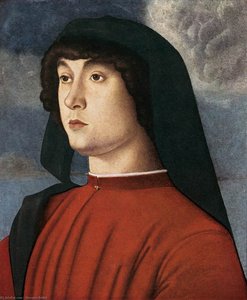
Переглянути в інтер'єрі
 Надіслати
 Поділитися
 Деталі
 Посібник

 Завантажити
 Схожі предмети колекціонування
 Рентгенівське дослідження
 Слайд-шоу
 Статистика переглядів
Sacred Conversation (detail)


 Читати далі
Гікле / Художній принт
Музейна якість друку جيкле або на полотні з оперативним виготовленням та різноманітними варіантами фінішної обробки. ( Купити картину ручної роботи Перейти до цифрових зображень)




P118B $10

P118H $10

P118W $10

P438Z $10

P508JH $12

P508YH $12

P805H $10

P805Z $10

P919BZ $10

P919G $10

P919XJ $10

P959ZH $10

P968JZ $12

W106C $8

W218G $10

W218JH $8

W218Y $10

W307PJ $10

W316G $10

W316PJ $8

W316Y $10

W398PJ $8

W4111J $10

W500HY $15

W500JH $15

W692G $12

W849H $8

W940BG $15

W953PJ $8




Обирайте з наших стандартних розмірів, що відповідають оригінальним пропорціям твору мистецтва.

Ви можете вказати власні розміри, щоб репродукція ідеально підійшла до конкретної рами або інтер'єру. Якщо обраний вами розмір не відповідає пропорціям оригіналу, ми або обріжемо полотно, або розширимо зображення за допомогою дзеркального відображення чи суцільної заливки країв. Перед початком виробництва вам буде надіслано цифровий макет для затвердження.
Будь ласка, зверніть увагу, що попередній перегляд на екрані не відображає фактичне обрізання або розширення. Тільки макет точно покаже фінальну композицію.
Хоча можливість замовлення індивідуальних розмірів доступна, ми рекомендуємо обирати формат із попередньо визначеного списку, щоб зберегти оригінальні пропорції.
Доставка по всьому світу () за 2 тижні замість стандартних 4/5 тижнів. (26 Вересень)

Безкоштовна експрес-доставка по всьому світу

Високоякісне лляне полотно

Повне страхове покриття доставки

Гарантія повернення митних зборів

Гарантія точного відтворення кольорів

Політика повернення протягом 100 днів (лише у разі виявлення дефектів)

Гарантія повернення 100% коштів

Знижка на оптові замовлення
 Скляний варіант доступний лише для розмірів до 110 см

Sacred Conversation (detail)
Гікле / Художній принт
Розмір репродукції
-


Загальна вартість
$ 80
A Vision of Divine Serenity
In the quietude of Giovanni Bellini’s Sacred Conversation (detail), we are invited into a realm where the earthly and the divine converge through a single, breathtaking gaze. This intimate study captures a moment of profound spiritual stillness, focusing on a figure of celestial elegance. The subject, adorned with an intricate crown and luminous pearls, gazes downward with a look of humble reverence that transcends time. Her hair, meticulously styled in an elaborate braid, cascades with a sculptural grace that speaks to the meticulous craftsmanship of the Venetian High Renaissance. Against a deep, velvety black background, her features emerge with a startling clarity, creating a chiaroscuro effect that draws the viewer into her personal orbit of contemplation.
The painting serves as more than a mere portrait; it is an emotional gateway. For the collector or the lover of fine art, this detail offers a window into the soul of the 15th century, where every pearl and every fold of fabric was imbued with symbolic weight. The downward tilt of her head suggests a state of prayerful introspection, making the piece an ideal focal point for spaces dedicated to peace, meditation, or quiet luxury. It is a work that does not demand attention through noise, but rather commands it through a soft, irresistible magnetism.
The Mastery of Venetian Light and Color
To behold this work is to witness the revolutionary spirit of Giovanni Bellini, the master who redefined the Venetian palette. Moving away from the rigid, flat traditions of Byzantine iconography, Bellini embraced the transformative power of oil paint to achieve a level of luminosity previously unseen in Western art. In this detail, one can observe his legendary ability to layer pigments, creating a sense of warmth and depth that feels almost tactile. The way light catches the sheen of the pearls and the subtle textures of her skin demonstrates a technical prowess that bridges the gap between realism and the ethereal.
The artist’s use of color is not merely decorative but deeply emotive. Even within this focused fragment, the interplay of light and shadow creates a rhythmic movement that guides the eye across the composition. For interior designers seeking to infuse a room with historical depth and sophisticated texture, this reproduction offers a masterclass in tonal subtlety. The stark contrast between the dark void of the background and the radiant highlights on the figure provides a dramatic tension that can anchor a contemporary gallery wall or complement the opulent textures of a classical study.
A Timeless Legacy for the Modern Collector
As we reflect on the historical context of the 1490s, we see an era defined by humanism and the blossoming of artistic innovation in Venice. Bellini was at the forefront of this movement, synthesizing the spiritual gravity of the past with a new, observational realism. This particular detail preserves that delicate balance, offering a piece of history that feels remarkably modern in its intimacy and psychological depth.
Owning a high-quality reproduction of such a significant work allows for the preservation of this Renaissance splendor within a private collection or a curated home environment. It is an investment in atmosphere—a way to bring the quiet, dignified grace of the Italian masters into the contemporary landscape. Whether placed in a sunlit salon or a dimly lit library, this Sacred Conversation detail continues to whisper the secrets of devotion and beauty to all who pause to look.
Біографія митця
A Venetian Master: The Life and Legacy of Giovanni Bellini
Giovanni Bellini, a name synonymous with the blossoming Renaissance in Venice, stands as a pivotal figure bridging the gap between the traditions of Byzantine art and the innovative spirit that would define the 16th century. Born around 1430 – though some sources suggest 1433 – into a family deeply entrenched in the artistic world, Bellini’s journey was one of continuous evolution, marked by a profound sensitivity to color, light, and the burgeoning humanism of his era. The precise nature of his familial relationships has been debated; for years Jacopo Bellini was considered his father, but modern scholarship increasingly points towards Jacopo being Giovanni's elder half-brother, with Gentile Bellini as his nephew rather than sibling. Regardless of these intricacies, young Giovanni grew up immersed in a workshop brimming with creativity and technical expertise, absorbing the foundations of painting from an early age. His initial training likely involved the traditional tempera techniques favored at the time, but it was his innate talent for observation and emotional expression that would set him apart.Early Influences and Artistic Development
The artistic landscape of 15th-century Venice was a unique blend of influences. The city’s position as a major trading hub exposed its artists to diverse styles and ideas, while the Byzantine heritage continued to exert a strong pull. Bellini's early works reflect this duality. Initially, his style bore the mark of his father and brother, Gentile, with compositions often characterized by meticulous detail and a somewhat restrained emotional palette. However, even in these early pieces, hints of his future brilliance began to emerge – a delicate handling of light, a growing interest in naturalistic settings, and an ability to imbue religious figures with a palpable sense of human pathos. The influence of Andrea Mantegna, his brother-in-law, is also readily apparent during this period, particularly in the clarity of line and sculptural forms. Bellini’s early commissions often involved collaborative projects, such as his contributions to the Scuola di San Marco alongside Gentile and other prominent Venetian artists. These large-scale works provided invaluable experience and allowed him to hone his skills while working alongside some of the most talented painters of the day.Revolutionizing Venetian Painting: Color, Light, and Oil
Bellini’s true revolution lay in his embrace of oil paint. While not the inventor of the technique, he was among the first Venetian artists to fully exploit its potential. Unlike tempera, which dried quickly and demanded a precise, linear approach, oil paint allowed for greater blending, richer colors, and subtle gradations of tone. This newfound freedom enabled Bellini to create paintings with an unprecedented depth and luminosity. His use of color became increasingly sophisticated, moving away from the bright, often harsh hues of earlier Venetian painting towards a more nuanced and harmonious palette. He masterfully captured the effects of light and atmosphere, imbuing his landscapes with a sense of serenity and realism that was groundbreaking for its time. This mastery of oil paint not only transformed his own work but also laid the foundation for the distinctive style that would come to define the Venetian school – a style celebrated for its sensuousness, coloristic richness, and atmospheric perspective. His paintings began to radiate an inner glow, reflecting a spiritual depth that resonated with viewers.Mature Works and Lasting Influence
As Bellini matured, his artistic vision continued to evolve. His altarpieces, such as those created for the churches of San Zaccaria and Santa Corona, demonstrate his ability to create complex compositions filled with symbolic meaning and emotional resonance. The *Transfiguration*, now housed in the Capodimonte Museum in Naples, exemplifies his mature style – a serene spirit combined with ripened artistic powers. He also served as conservator of the paintings in Doge’s Palace, further solidifying his reputation as Venice's leading artist. His influence extended far beyond his own lifetime. He became a mentor to a generation of younger painters, including Giorgione and Titian, who would carry on his legacy and push the boundaries of Venetian art even further. These pupils absorbed Bellini’s techniques and aesthetic principles, adapting them to their own individual styles and contributing to the golden age of Venetian painting. Bellini's impact can be seen in the works of countless artists who followed, solidifying his place as a true master of the Renaissance. He died in Venice in 1516, leaving behind a body of work that continues to inspire awe and admiration centuries later.A Legacy Enduring Through Time
Giovanni Bellini’s significance extends beyond his technical innovations and artistic achievements. He captured the spirit of a changing world – a world grappling with new ideas about humanity, spirituality, and the relationship between art and nature. His paintings are not merely representations of religious scenes; they are profound meditations on faith, beauty, and the human condition. His ability to imbue his figures with dignity and grace, combined with his masterful use of color and light, created a visual language that resonated deeply with his contemporaries and continues to captivate audiences today. *Bellini’s legacy is not simply one of artistic brilliance; it is a testament to the power of art to transcend time and connect us to the enduring values of human experience.* From the serene beauty of his Madonnas to the dramatic intensity of his religious scenes, Bellini's work remains a cornerstone of Western art history.
Джіввані Белліні
1433 - 1516 , Італія
Довідкова інформація
- Artistic Movement Or Style: Рінесанс, Венеціанська школа
- Artists Or Movements Influenced By This Artist:
- Джорджоне
- Тіціан
- Artists Who Influenced This Artist:
- Джакопо Белліні
- Дженте Белліні
- Андреа Мантegna
- Date Of Birth: c. 1430
- Date Of Death: 1516
- Full Name: Giovanni Bellini
- Nationality: Італійський
- Notable Artworks:
- Святий Єрмоген у пустині
- Трансфігурація
- Свята коронація Діви Марії
- Place Of Birth: Венеція, Італія
Схожі статті

The Golden Light of Innovation: Exploring the Venetian Renaissance Art Movement (1430–1580)
Explore the Golden Age of Venetian art (1430–1580). Discover Giorgione, Titian & Tintoretto's techniques, the 'colorito' revolution, and lasting influence. Expert insights for collectors & enthusiasts.
Oil on Panel: The Ultimate Guide to Bold, High-Impact Texture & Depth
Master the art of impact with our expert guide to oil on panel. Discover how impasto textures and heavy-body pigments create 3D depth and bold visual energy for modern interiors. Elevate your space with high-impact, hand-painted masterpieces designed for maximum aesthetic punch.

The Enduring Legacy of Oil on Canvas: Technique, History & Aesthetic Impact
Explore the rich history & techniques of oil painting – from Renaissance masters to Impressionism. Discover pigments, layering methods, and why this timeless medium endures. Expert insights for artists & art enthusiasts.

Venetian Renaissance: The Mastery of Color, Light, and the Art of Colorito
Explore the luminous mastery of the Venetian Renaissance. Discover how masters like Titian and Giorgione revolutionized art through colorito, light, and atmosphere. An expert guide to the golden age of Italian painting for collectors and enthusiasts.
Venetian Renaissance: The Golden Age of Color, Light, and Luminous Artistry
Embark on a journey through the Venetian Renaissance. Discover how masters like Giorgione and Titian revolutionized art through luminous color and light. Explore the profound legacy of the Venetian School and its enduring influence on the world of fine art.