
 Переглянути в інтер'єрі
 Надіслати як листівку
 Поділитися
 Детальніше

 Завантажити
 Схожі експонати
 Рентгенівське дослідження
 Слайд-шоу
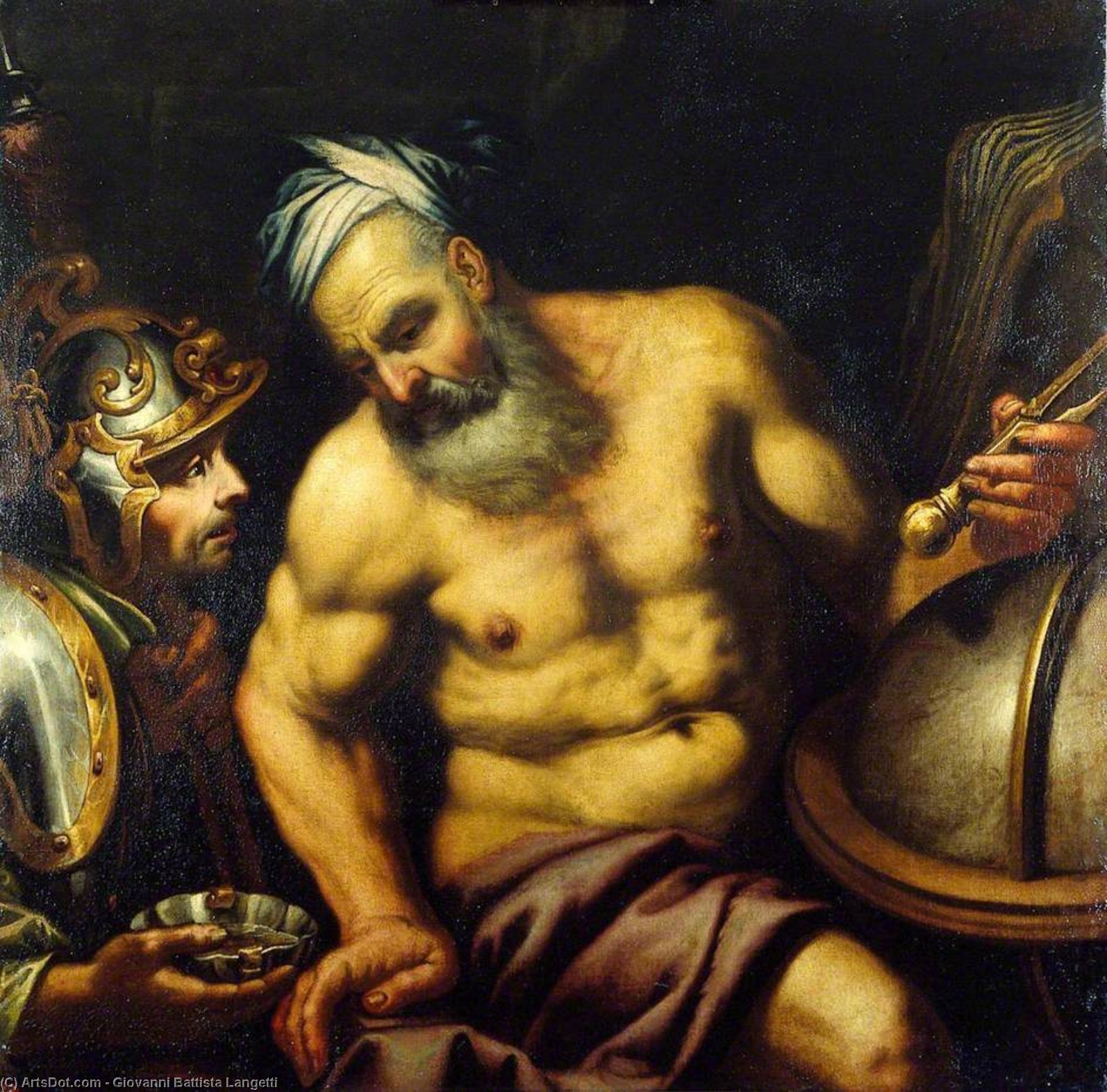
Aristotle Refusing the Hemlock
 Читати далі
Олійная репродукція ручної роботи
Написана вручну олією на полотні у вашому розмірі та рамі, виготовлена на замовлення нашими художниками. ( Замовити принт Купити цифрове зображення)




































Обирайте з наших стандартних розмірів, що відповідають оригінальним пропорціям твору мистецтва.

Ви можете вказати власні розміри, щоб репродукція ідеально підійшла до конкретної рами або інтер'єру. Якщо вибраний вами розмір не відповідає пропорціям оригіналу, ми або обріжемо полотно, або доповнимо картину додатковими елементами, промальованими вручну. Цифровий макет буде надіслано вам на затвердження перед початком виробництва.
Зверніть увагу, що попередній перегляд на екрані не відображає фактичне обрізання або розширення зображення. Тільки макет точно покаже остаточну композицію.
Хоча ми можемо виготовити виріб у нестандартному розмірі, для збереження оригінальних пропорцій рекомендуємо обирати варіанти зі встановленого списку.
Після оформлення замовлення команда OriginalUniqueArt.com зв'яжеться з клієнтом електронною поштою для отримання інструкцій та надасть попередній макет
Доставка по всьому світу () за 3–4 тижні замість стандартних 5 тижнів. (16 Серпень). Без жодних компромісів у якості.

Безкоштовна експрес-доставка по всьому світу

Високоякісне лляне полотно

Повне страхове покриття доставки

Гарантія відшкодування митних зборів

Гарантія точного відтворення кольорів

Політика повернення протягом 60 днів (лише у разі виявлення дефектів)

Гарантія повернення 100% коштів

Пропозиція на оптові замовлення
 Скляний варіант доступний лише для розмірів до 110 см

Aristotle Refusing the Hemlock
Матеріал репродукції
Розмір репродукції
-


Підсумкова вартість
$ 300
Біографія митця
The Dramatic Voice of Venetian Caravaggismo
Giovanni Battista Langetti stands as a pivotal figure in the Venetian Baroque, embodying the fervor and theatricality of Caravaggesque painting while simultaneously forging his own distinctive artistic vision. Born in Genoa in 1635, Langetti’s early training was shaped by exposure to prominent masters such as Assereto and Pietro da Cortona, whose stylistic principles provided him with a foundational mastery of form and composition. His formative years were further enriched by the mentorship of Giovanni Francesco Cassana, a period that honed his artistic sensibilities and prepared him for the competitive and vibrant art scene of Italy. However, it was Venice itself that truly captivated him, becoming the epicenter of his prolific career and providing the perfect stage for his exploration of light and shadow.
By the 1650s, Langetti had established himself within the Venetian landscape, swiftly adopting a strikingly Caravaggesque style. This approach was defined by tenebrism—a dramatic interplay of intense light and deep, enveloping shadows—and an uncompromising commitment to realism. For Langetti, this stylistic choice was far more than mere imitation of Caravaggio; it was a deliberate embrace of expressive power, used to translate profound human emotions onto the canvas. His work became a bridge between the gritty naturalism of the early 17th century and the grander, more theatrical flourishes of the late Baroque period.
Mastery of Narrative and Emotional Depth
The true brilliance of Langetti’s oeuvre lies in his ability to breathe life into biblical narratives and historical subjects, imbuing them with a psychological depth that resonates across centuries. He excelled at portraying figures caught in moments of extreme tension or spiritual crisis. In works such as Diogenes & Alexander, Langetti captures the legendary clash between philosophical wisdom and imperial power through breathtaking precision and theatrical lighting. His ability to manipulate texture and light allows the viewer to feel the weight of the historical moment, making the ancient past feel immediate and visceral.
This mastery of drama is equally evident in his religious compositions, where he explores themes of suffering, devotion, and faith. In Mary Magdalene at the Foot of the Cross, the artist utilizes the stark contrasts of the Caravaggesque tradition to highlight the raw emotion of the subject, creating a powerful meditation on grief and piety. Even in more singular character studies, such as his depiction of Cato, Langetti employs intense realism and rich, saturated colors to convey the internal struggles of his subjects. His technique ensures that every brushstroke contributes to the overarching narrative of human experience.
Legacy and Artistic Significance
Langetti’s contribution to the Venetian school of painting remains a significant chapter in the history of Italian art. While he operated within the established traditions of his time, his unique ability to blend Genoese training with Venetian colorism and Caravaggesque drama created a legacy of emotional intensity. His work serves as a testament to the enduring power of the Baroque era—a period where the boundaries between the painted image and the lived experience were blurred through the masterful use of light.
Today, Langetti is remembered not just as a follower of style, but as an innovator who helped define the dramatic vocabulary of his age. His paintings continue to captivate audiences, offering a window into a world of profound shadows and brilliant highlights, where every figure tells a story of triumph, tragedy, or quiet contemplation.

giovanni battista langetti
1635 - 1676 , Italy
Короткі факти
- Artistic Movement Or Style: Venetian Baroque
- Artists Or Movements Influenced By This Artist:
- Johann Karl Loth
- Antonio Zanchi
- Artists Who Influenced This Artist:
- Assereto
- Pietro da Cortona
- Giovanni Francesco Cassana
- Date Of Birth: 1635
- Full Name: Giovanni Battista Langetti
- Nationality: Italian
- Notable Artworks:
- Diogenes & Alexander
- Joseph Interpreting the Baker’s Dream
- The good samaritan
- Place Of Birth: Genoa, Italy


