Переглянути в інтер'єрі
 Надіслати
 Поділитися
 Деталі
 Посібник

 Завантажити
 Схожі предмети колекціонування
 Рентгенівське дослідження
 Слайд-шоу
 Статистика переглядів
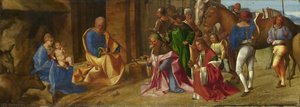
Giovanni Borgherini and His Tutor
 Acrylic On Canvas
- WallArt
- High Renaissance
 1508
1508 47.0 x 61.0 cm
 Національна галерея мистецтв
 Читати далі
Гікле / Художній принт
Музейна якість друку جيкле або на полотні з оперативним виготовленням та різноманітними варіантами фінішної обробки. ( Купити картину ручної роботи Перейти до цифрових зображень)




P118B $10

P118H $10

P118W $10

P438Z $10

P508JH $12

P508YH $12

P805H $10

P805Z $10

P919BZ $10

P919G $10

P919XJ $10

P959ZH $10

P968JZ $12

W106C $8

W218G $10

W218JH $8

W218Y $10

W307PJ $10

W316G $10

W316PJ $8

W316Y $10

W398PJ $8

W4111J $10

W500HY $15

W500JH $15

W692G $12

W849H $8

W940BG $15

W953PJ $8




Обирайте з наших стандартних розмірів, що відповідають оригінальним пропорціям твору мистецтва.

Ви можете вказати власні розміри, щоб репродукція ідеально підійшла до конкретної рами або інтер'єру. Якщо обраний вами розмір не відповідає пропорціям оригіналу, ми або обріжемо полотно, або розширимо зображення за допомогою дзеркального відображення чи суцільної заливки країв. Перед початком виробництва вам буде надіслано цифровий макет для затвердження.
Будь ласка, зверніть увагу, що попередній перегляд на екрані не відображає фактичне обрізання або розширення. Тільки макет точно покаже фінальну композицію.
Хоча можливість замовлення індивідуальних розмірів доступна, ми рекомендуємо обирати формат із попередньо визначеного списку, щоб зберегти оригінальні пропорції.
Доставка по всьому світу () за 2 тижні замість стандартних 4/5 тижнів. (27 Вересень)

Безкоштовна експрес-доставка по всьому світу

Високоякісне лляне полотно

Повне страхове покриття доставки

Гарантія повернення митних зборів

Гарантія точного відтворення кольорів

Політика повернення протягом 100 днів (лише у разі виявлення дефектів)

Гарантія повернення 100% коштів

Знижка на оптові замовлення
 Скляний варіант доступний лише для розмірів до 110 см

Giovanni Borgherini and His Tutor
Гікле / Художній принт
Розмір репродукції
-


Загальна вартість
$ 80
Giovanni Borgherini and His Tutor: A Venetian Masterpiece of Ambiguity
Giorgione’s *Giovanni Borgherini and His Tutor*, painted around 1505, stands as a cornerstone of Venetian Renaissance art—a painting that continues to fascinate scholars and captivate viewers alike. Currently residing in the National Gallery of Art in Washington D.C., this deceptively simple portrait transcends mere representation, embodying a profound exploration of human psychology and artistic innovation.
- Subject Matter: The artwork depicts two men—Giovanni Borgherini, a Florentine noble, and his tutor—standing side by side. Borgherini holds a sphere aloft, symbolizing wisdom and contemplation, while his gaze is directed towards an unseen object or document, hinting at intellectual discourse.
- Style & Technique: Giorgione’s masterful use of sfumato – the subtle blending of colors and tones—creates an ethereal atmosphere characteristic of Venetian painting during its golden age. The muted palette contributes to a sense of serenity and mystery, prioritizing mood over precise detail. This technique is particularly evident in the rendering of Borgherini's face and hands.
- Historical Context: Painted during Giorgione’s brief but influential period in Venice, *Giovanni Borgherini and His Tutor* reflects the humanist ideals prevalent at the time—a fascination with human experience and a belief in the power of observation. It aligns perfectly with the artistic trends emerging from Bellini's studio, where Giorgione honed his skills before embarking on his independent career.
Beyond its aesthetic qualities, the painting is laden with symbolic significance. The sphere represents knowledge and enlightenment, mirroring Borgherini’s intellectual pursuits. However, the unseen object—perhaps a manuscript or legal document—suggests complexities beyond mere erudition; it speaks to matters of governance and responsibility. Giorgione deliberately avoids portraying his subjects in conventional poses, opting for an understated elegance that invites contemplation.
The inclusion of a book on the right side reinforces this thematic concern. It symbolizes learning and tradition but also subtly underscores the importance of preserving established values amidst artistic experimentation. Giorgione’s genius lies not merely in capturing likeness but in conveying emotion—a quiet dignity and contemplative seriousness that lingers long after viewing the artwork.
Ultimately, *Giovanni Borgherini and His Tutor* is more than just a portrait; it's an invitation to delve into the inner life of its subjects and to appreciate Giorgione’s groundbreaking contribution to Renaissance art. Its enduring appeal stems from its ability to evoke feelings of serenity, intellectual curiosity, and profound human connection—qualities that continue to resonate with audiences today.
Біографія митця
Giorgione (1477/8-1510): Venetian Enigma
Giorgio Barbarelli da Castelfranco, known to the world as Giorgione, remains one of the most elusive and captivating figures in Renaissance art. Born in the small town of Castel Franco Veneto near Venice around 1477 or 1478 – the exact year is debated – his tragically short life, ending around 1510 at the age of thirty-two or thirty-three, belies an artistic impact that continues to resonate centuries later. Unlike many of his contemporaries whose lives are well documented, Giorgione’s story is shrouded in mystery, pieced together from scant historical records and the often romanticized accounts of Giorgio Vasari. What we do know suggests a man deeply immersed in the vibrant culture of Venice, a city that fostered both artistic innovation and a sensual appreciation for beauty. He likely apprenticed under Giovanni Bellini, a leading Venetian painter, absorbing the established traditions before forging his own unique path. Early commissions included portraits of prominent figures like Doge Agostino Barbarigo, demonstrating an immediate talent for capturing likeness and status. However, it was in his departure from conventional subject matter and his revolutionary approach to painting that Giorgione truly distinguished himself.Early Life and Artistic Training
Giorgio Barbarelli’s origins are relatively obscure. He hailed from Castelfranco Veneto, a prosperous town known for its textile industry and burgeoning artistic patronage. Little is definitively known about his family life or formative years; Vasari's account paints him as a quiet, unassuming man who possessed an innate talent for drawing and painting from a young age. Crucially, he received instruction under Giovanni Bellini, arguably Venice’s most influential painter of the early Renaissance. Bellini’s workshop served as a crucible for artistic innovation, fostering experimentation with color and technique – qualities that would become hallmarks of Giorgione's distinctive style. This apprenticeship instilled in Giorgione a profound understanding of Venetian painting traditions while simultaneously encouraging him to develop his own independent vision.A Revolutionary Style: Color and Atmosphere
Giorgione’s artistic style marked a significant break from the Florentine preoccupation with linear perspective and meticulous draftsmanship. He championed color, atmosphere, and an evocative moodiness that became foundational to the Venetian school. His technique involved softening outlines, employing subtle gradations of tone – *sfumato* – to create atmospheric effects, and prioritizing overall harmony over detailed representation. This wasn’t merely a technical decision; it reflected a fundamentally different artistic sensibility. Giorgione sought not to replicate reality but to capture its essence, its fleeting emotions, and its poetic resonance. Consider The Tempest (c. 1506-1508). The painting depicts a soldier and his companion contemplating a stormy landscape, bathed in diffused light. There’s no sharp delineation of forms; instead, Giorgione utilizes *sfumato* to blend colors seamlessly, creating an ethereal haze that conveys the drama of the scene without resorting to precise anatomical detail. This approach was revolutionary for its time, prioritizing emotional impact over visual accuracy—a hallmark of Venetian art and a departure from Florentine ideals.Notable Works: Visions of Beauty and Mystery
Giorgione’s oeuvre is remarkably small compared to his contemporaries, yet each painting possesses an unparalleled power to captivate the viewer. Pastoral Concert (Fête champêtre), completed shortly before his death, exemplifies this artistic ethos perfectly. The scene depicts musicians gathered in a tranquil meadow, bathed in golden sunlight. Giorgione eschews narrative complexity, focusing instead on capturing the beauty of the landscape and the serenity of human interaction. The colors are rich and luminous, conveying a sense of idyllic harmony—a testament to Giorgione’s mastery of color symbolism and atmospheric perspective. Other significant works include Sleeping Venus (c. 1509-1510), which portrays the goddess reclining peacefully amidst flowers, embodying Venetian ideals of feminine beauty and sensual grace; and Judith (c. 1504), a dramatic depiction of biblical heroism characterized by its expressive use of color and gesture.Influence and Legacy
Giorgione’s artistic innovations profoundly impacted subsequent generations of Venetian painters. He served as a mentor to Titian, who would become one of the most celebrated artists of the High Renaissance, inheriting Giorgione's stylistic principles and furthering his exploration of color and atmosphere. Giorgione’s legacy extends beyond technique; he instilled in Venetian painting a spirit of poetic contemplation—a willingness to prioritize feeling over form and to capture the elusive beauty of human experience. His influence can be seen throughout the Venetian school, shaping the artistic sensibilities of artists like Tintoretto and Veronese. Giorgione remains an artist whose work continues to inspire awe and admiration, cementing his place as a pivotal figure in Renaissance art history—a testament to the enduring power of vision and innovation.Key Works Revisited
- The Tempest (c. 1506-1508)
- Pastoral Concert (Fête champêtre) (c. 1509)
- Sleeping Venus (c. 1509-1510)
- Judith (c. 1504)

Джорджоне
1477 - 1510 , Італія
Довідкова інформація
- Artistic Movement Or Style: Високий Ренесанс, Венеціанська школа
- Artists Or Movements Influenced By This Artist: ['Тітіан']
- Artists Who Influenced This Artist:
- Джованні Белліні
- Мантенья
- Date Of Birth: 1477/78 або 1473/74
- Date Of Death: 1510
- Full Name: Giorgio Barbarelli da Castelfranco
- Nationality: Італійський
- Notable Artworks:
- Темпест
- Пасторальна концертна
- Сплющена Венера
- Place Of Birth: Кастельфранко Венеція, Італія
Схожі статті
Якопо Тінторетто: 25 шедеврів венесенського майстра | OriginalUniqueArt
Відкрийте 25 захопливих шедеврів Якопо Тінторетто! Венесенський ренесанс, бароко, емоційні композиції та світлотінь. Купуйте високоякісні репродукції картин на OriginalUniqueArt.com – мистецтво для вашого дому.
Venetian Renaissance: The Golden Age of Color, Light, and Luminous Artistry
Embark on a journey through the Venetian Renaissance. Discover how masters like Giorgione and Titian revolutionized art through luminous color and light. Explore the profound legacy of the Venetian School and its enduring influence on the world of fine art.

Venetian Renaissance: The Mastery of Color, Light, and the Art of Colorito
Explore the luminous mastery of the Venetian Renaissance. Discover how masters like Titian and Giorgione revolutionized art through colorito, light, and atmosphere. An expert guide to the golden age of Italian painting for collectors and enthusiasts.

The Golden Light of Innovation: Exploring the Venetian Renaissance Art Movement (1430–1580)
Explore the Golden Age of Venetian art (1430–1580). Discover Giorgione, Titian & Tintoretto's techniques, the 'colorito' revolution, and lasting influence. Expert insights for collectors & enthusiasts.

Giorgione: Enigma and Innovation in Early Venetian Renaissance Painting
Explore the enigmatic world of Giorgione, a pivotal figure in the Venetian Renaissance. Discover his innovative techniques, iconic paintings like 'The Tempest', and lasting influence on art history. Learn more at OriginalUniqueArt.