

 Переглянути в інтер'єрі
 Надіслати як листівку
 Поділитися
 Детальніше

 Завантажити
 Схожі експонати
 Рентгенівське дослідження
 Слайд-шоу
 Статистика
Henry Rice
 Oil On Canvas
- WallArt
- Neoclassical
 1815
1815 67.0 x 55.0 cm
 Музей Метрополітен
 Читати далі
Олійная репродукція ручної роботи
Написана вручну олією на полотні у вашому розмірі та рамі, виготовлена на замовлення нашими художниками. ( Перейти до друку Перейти до цифрових зображень)




P118B $10

P118H $10

P118W $10

P438Z $10

P508JH $12

P508YH $12

P805H $10

P805Z $10

P919BZ $10

P919G $10

P919XJ $10

P959ZH $10

P968JZ $12

W106C $8

W218G $10

W218JH $8

W218Y $10

W307PJ $10

W316G $10

W316PJ $8

W316Y $10

W398PJ $8

W4111J $10

W500HY $15

W500JH $15

W692G $12

W849H $8

W940BG $15

W953PJ $8




Обирайте з наших стандартних розмірів, що відповідають оригінальним пропорціям твору мистецтва.

Ви можете вказати власні розміри, щоб репродукція ідеально підійшла до конкретної рами або інтер'єру. Якщо вибраний вами розмір не відповідає пропорціям оригіналу, ми або обріжемо полотно, або доповнимо картину додатковими елементами, промальованими вручну. Цифровий макет буде надіслано вам на затвердження перед початком виробництва.
Зверніть увагу, що попередній перегляд на екрані не відображає фактичне обрізання або розширення зображення. Тільки макет точно покаже остаточну композицію.
Хоча ми можемо виготовити виріб у нестандартному розмірі, для збереження оригінальних пропорцій рекомендуємо обирати варіанти зі встановленого списку.
Після оформлення замовлення команда OriginalUniqueArt.com зв'яжеться з клієнтом електронною поштою для отримання інструкцій та надасть попередній макет
Доставка по всьому світу () за 3–4 тижні замість стандартних 5 тижнів. (10 Вересень). Без жодних компромісів у якості.

Безкоштовна експрес-доставка по всьому світу

Високоякісне лляне полотно

Повне страхове покриття доставки

Гарантія відшкодування митних зборів

Гарантія точного відтворення кольорів

Політика повернення протягом 100 днів (тільки у разі виявлення дефектів)

Гарантія повернення 100% коштів

Пропозиція на оптові замовлення
 Скляний варіант доступний лише для розмірів до 110 см

Henry Rice
Матеріал репродукції
Розмір репродукції
-


Підсумкова вартість
$ 300
The Enigmatic Figure: Gilbert Stuart Newton’s “Henry Rice”
Gilbert Stuart Newton's 1815 portrait, "Henry Rice," is more than a simple likeness; it’s a window into the burgeoning landscape of early America and the complex relationships between settlers, indigenous peoples, and the evolving American identity. The painting captures a man of considerable presence – Henry Rice – not merely as an individual, but as a pivotal figure in Minnesota's territorial development. Newton, trained under his renowned uncle Gilbert Stuart, masterfully employs the conventions of Neoclassical portraiture, yet imbues the image with a subtle intensity that transcends mere formality.

Gilbert Stuart Newton - Self Portrait
A Man of Two Worlds: Rice’s Life and Context
Henry Rice's life was inextricably linked to the dramatic transformation occurring in the Upper Midwest. Born in Nova Scotia, he became a key player in the fur trade, forging crucial alliances with the Ho-Chunk (Winnebago) and Ojibwe tribes. His role extended far beyond simple commerce; he served as a negotiator for treaties, shaping the political and territorial boundaries of what would become Minnesota. The portrait itself reflects this duality – Rice is presented as both a respected tribal leader’s confidante and a representative of American authority. His beard and mustache, meticulously rendered by Newton, speak to his age and experience, while his direct gaze conveys an undeniable strength and shrewdness.
Newton's artistic lineage further illuminates the painting’s significance. Trained by Gilbert Stuart, a titan of American portraiture, Newton inherited a tradition of capturing character and conveying status through careful observation and refined technique. However, Newton subtly diverges from his uncle’s style, injecting a greater sense of drama and psychological depth into his subjects.
The Language of Portraiture: Technique and Symbolism
Newton's masterful use of light and shadow establishes a formal yet engaging composition. The dark background emphasizes Rice’s figure, drawing the viewer’s attention to his face and posture. Note the subtle modeling of the fabric of his suit – a detail indicative of Newton’s meticulous approach to rendering texture. The arrangement of the figures in the background—a man behind him and another further away—suggests a scene of deliberation or perhaps even a moment of quiet authority. These secondary elements add layers of narrative, hinting at Rice's role as a mediator between cultures.
The portrait’s monochromatic palette – primarily shades of gray and brown – evokes the somber tones often associated with historical portraits from this period. This choice contributes to the painting’s sense of gravitas and reinforces its depiction of a man deeply involved in matters of state and diplomacy. The inclusion of the dark background, reminiscent of a study room or office, further emphasizes Rice's role as a figure of importance and decision-making.
A Legacy Preserved: Reproduction and Interpretation
Reproductions of “Henry Rice” offer a remarkable opportunity to connect with a pivotal moment in American history. OriginalUniqueArt’s faithful reproductions capture the painting’s nuanced details and atmospheric quality, allowing viewers to appreciate Newton's artistry and the story of Henry Rice—a man who played an instrumental role in shaping the destiny of Minnesota. This portrait is not simply a depiction of a historical figure; it’s a testament to the complex interplay of cultures and the enduring legacy of early American exploration and settlement.
Біографія митця
Gilbert Stuart Newton: Life & Legacy
Early Life and Family Background
- Birth and Origins: Gilbert Stuart Newton was born on September 2, 1795, in Halifax, Nova Scotia. He was the youngest of twelve children.
- Family Connections: His father, Henry Newton, was a customs official, and his mother, Ann, held a significant artistic lineage – she was the daughter of Gilbert Stuart, the renowned American portrait painter.
- Early Years & Return to America: The family initially resided in Boston but returned to Charlestown near Boston in 1803 following his father’s death.
Artistic Training and Influences
- Initial Path & Uncle's Guidance: Though initially intended for a commercial career, Newton was apprenticed to his uncle, Gilbert Stuart, marking the beginning of his artistic journey.
- European Studies: He traveled to Europe with an elder brother and studied painting in Florence. Later visits to Paris (1817) introduced him to artists like Charles Robert Leslie, Washington Allston, and David Wilkie.
- Royal Academy & Formal Training: Newton continued his education at the Royal Academy in London after a period spent in the Netherlands.
Artistic Style and Major Themes
- Romantic Sensibilities: Newton’s work is generally categorized within the Romantic movement, characterized by emotional intensity and dramatic narratives.
- Literary & Poetic Inspirations: He became particularly known for paintings inspired by literature and poetry. Subjects drawn from works like *Don Quixote* and Shakespeare were prominent in his oeuvre.
- Portraiture & Genre Scenes: While he painted portraits, including those of notable figures such as Washington Irving, Newton also excelled in genre scenes depicting moments from literary narratives.
Key Achievements and Recognition
- Royal Academy Affiliation: Newton was elected an Honorary Academician of the National Academy of Design (1827), an Associate of the Royal Academy (1829), and a full Academician in 1832.
- Exhibitions & Patronage: He regularly exhibited at the Royal Academy from 1818 onwards, gaining recognition and attracting patrons like the Marquis of Lansdowne.
- Public Collections: His works found their way into prominent public collections, including the National Gallery and the South Kensington Museum (now V&A).
Later Life and Legacy
- Mental Health & Final Years: Shortly after his election to the Royal Academy, Newton began to suffer from mental illness. He was admitted to an asylum at Chelsea where he continued to paint until his death on August 5, 1835.
- Burial Site: He is buried in St Mary’s Church Wimbledon, London.
- Historical Significance: Though overshadowed by his uncle Gilbert Stuart, Newton carved a niche for himself as a skilled and imaginative artist of the Romantic period. His literary-inspired paintings offer insights into the cultural tastes and artistic trends of 19th-century Britain.

gilbert stuart newton
1795 - 1835
Короткі факти
- Birth_Date: 1795
- Birth_Place: Halifax, Nova Scotia
- Death_Date: 1835
- Influenced_By: Gilbert Stuart (uncle)
- Movement: Romanticism
- Name: Gilbert Stuart Newton
- Nationality: British
- Notable_Works:
- Don Quixote in his Study
- Captain Macheath upbraided by Polly and Lucy
- Yorick and the Grisette
- The Window or the Dutch Girl
- Portia and Bassanio
Пов'язані статті

Топ-10 шедеврів у білих тонах: мистецтво світла та простору від OriginalUniqueArt
Відкрийте для себе 10 легендарних картин, де білий колір стає головним героєм! Історія Моне, Ван Гога та інших майстрів. Купіть репродукції шедеврів імпресіонізму на OriginalUniqueArt.com – мистецтво для вашого дому.

Monochrome Visions: Exploring the Aesthetic & Historical Significance of Black & White Photography
Explore the rich history & artistic power of black and white photography. From early techniques to iconic masters like Ansel Adams, discover why monochrome continues to captivate art lovers today. Expert insights for collectors.

Monochrome Edge: The Ultimate Design Flex—Level Up Your Space with Bold Black & White Art
Master the monochrome aesthetic with high-impact Black & White art from OriginalUniqueArt.com. From custom hand-painted oils to iconic pop culture remixes, discover the ultimate design flex for your urban space. Elevate your decor with bold, premium, and timeless monochrome masterpieces.

Топ-10 шедеврів живопису в чорних тонах: історія, мистецтво та декор від OriginalUniqueArt
Відкрийте для себе 10 найвідоміших картин у чорних тонах! Історія, техніка та емоції від OriginalUniqueArt. Романтизм, готика, експресіонізм – шедеври живопису онлайн. Купіть репродукцію мрії на OriginalUniqueArt.com!
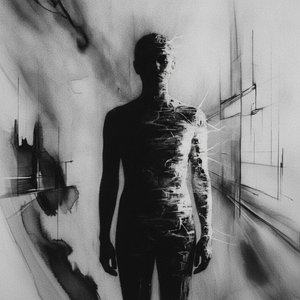
Shadow & Soul: Why Black & White Photography Remains the Ultimate Power Move in Modern Art
Discover why black & white photography remains a powerful force in contemporary art. Explore the impact of light, shadow, and texture through a visual journey of monochrome mastery and learn how to elevate your space with timeless grayscale aesthetics.