

 Переглянути в інтер'єрі
 Надіслати як листівку
 Поділитися
 Деталі витвору
 Посібник

 Завантажити
 Схожі екземпляри
 Рентгенівське дослідження
 Слайд-шоу
 Статистика
Mountain Landscape with a Windmill
 Oil On Canvas
- WallArt
- Post-Impressionism
 26.0 x 35.0 cm
 Національна Trust
 Розгорнути текст
Мистецький твір, представлений на цій сторінці, захищений законом про авторське право, що унеможливлює легальне створення або продаж його ідентичної репродукції. Цей захист забезпечується відповідно до міжнародних угод, таких як Бернська конвенція та національним законодавством, зокрема положеннями, що викладені в Законодавство США про авторське право — Розділ 17. Всі права захищені. Будь-яке використання без дозволу заборонено.
Цей метод повністю відповідає нормам авторського права, оскільки він не передбачає копіювання чи дублювання захищеного твору мистецтва. Натомість це творче переосмислення — створення нового малюнка під впливом оригіналу, який не є його точним відтворенням.
Гікле / Художній принт
Друк جيкле або на полотні музейної якості з оперативним виготовленням та різноманітними варіантами фінішної обробки. ( Замовити картину ручної роботи Перейти до цифрових зображень)




P118B ₴10

P118H ₴10

P118W ₴10

P438Z ₴10

P508JH ₴12

P508YH ₴12

P805H ₴10

P805Z ₴10

P919BZ ₴10

P919G ₴10

P919XJ ₴10

P959ZH ₴10

P968JZ ₴12

W106C ₴8

W218G ₴10

W218JH ₴8

W218Y ₴10

W307PJ ₴10

W316G ₴10

W316PJ ₴8

W316Y ₴10

W398PJ ₴8

W4111J ₴10

W500HY ₴15

W500JH ₴15

W692G ₴12

W849H ₴8

W940BG ₴15

W953PJ ₴8




Обирайте з наших стандартних розмірів, що відповідають оригінальним пропорціям твору мистецтва.

Введіть необхідну ширину та висоту, щоб принт ідеально підійшов до вашої рами або стіни. Принт можна лише обрізати, але не можна зробити більшим за оригінал, тому при зміні пропорцій частина зображення буде втрачена. Перед друком ми надсилаємо вам цифровий макет для затвердження. Зображення на цій сторінці не відображає реальну обрізку — її можна побачити лише на макеті.
Доставка по всьому світу () за 2 тижні замість стандартних 4/5 тижнів. (28 Жовтень)

Безкоштовна експрес-доставка по всьому світу

Високоякісне лляне полотно

Повне страхове покриття доставки

Гарантія повернення митних зборів

Гарантія точного відтворення кольорів

Політика повернення протягом 100 днів (лише у разі виявлення дефектів)

Гарантія повернення 100% коштів

Пропозиція на оптові замовлення
 Скляний варіант доступний лише для розмірів до 110 см

Mountain Landscape with a Windmill
Гікле / Художній принт
Розмір репродукції
-


Підсумкова вартість
₴ 3589
A Vision of the English Countryside: Gilbert Spencer’s ‘Mountain Landscape with a Windmill’
Gilbert Spencer's “Mountain Landscape with a Windmill” isn’t merely a depiction of a rural scene; it’s an immersion into the heart of late 19th-century England. Painted around 19XX, this artwork captures a quintessential moment in time – a quiet afternoon bathed in diffused light, dominated by the steadfast presence of a traditional windmill against a backdrop of rolling hills and verdant fields. Spencer, deeply rooted in his native Cookham, eschewed grand narratives or dramatic events, instead focusing on the subtle beauty of everyday life and the enduring connection between humanity and nature. The painting speaks to a sense of tranquility and timelessness, inviting the viewer into a world where the rhythms of rural existence are both comforting and profoundly evocative.
Fauvist Echoes and Post-Impressionist Sensibilities
Spencer’s artistic approach is immediately recognizable as a synthesis of Fauvist and Post-Impressionist influences. The bold, unblended brushstrokes—a hallmark of the Fauvist movement—create a vibrant energy within the landscape, injecting color with an almost impulsive quality. Yet, these energetic marks are tempered by the more considered techniques of Post-Impressionism, evident in the careful observation of light and form. The colors aren’t realistic representations of nature; instead, they're emotionally charged – deep greens, ochres, and blues conveying a sense of atmosphere and mood rather than precise detail. The simplified forms of the windmill and hills contribute to this stylized effect, prioritizing expressive power over strict adherence to photographic accuracy.
The Symbolism of Industry and Nature
The prominent windmill itself is more than just a picturesque element; it’s a potent symbol. In rural England, windmills represented both industry – the grinding of grain, the harnessing of natural energy – and a connection to the land. Spencer masterfully balances these dualities, presenting the windmill not as a machine imposing itself upon nature, but as an integral part of its landscape. The surrounding hills, bathed in soft light, suggest a harmonious relationship between human endeavor and the natural world. The composition invites contemplation on themes of tradition, progress, and the enduring spirit of rural life.
A Legacy of English Realism
Gilbert Spencer’s “Mountain Landscape with a Windmill” stands as a testament to his commitment to realism while embracing innovative artistic techniques. His work reflects a deep understanding of the English countryside—a landscape he loved and meticulously observed throughout his life. As a brother to the renowned Stanley Spencer, Gilbert forged his own distinct path, prioritizing clarity, directness, and an honest portrayal of everyday life. This painting exemplifies his ability to capture not just the visual appearance of a scene but also its emotional resonance, solidifying his place as a key figure in British art history. Reproductions offer a beautiful way to bring this evocative landscape into your home or office, allowing you to experience the tranquility and timeless beauty of rural England.
Питання та відповіді
Чи доступна робота "Mountain Landscape with a Windmill" у вигляді художнього принта?
Принт роботи «Mountain Landscape with a Windmill» роботи Гільберт Спенсер можна замовити безпосередньо на її сторінці Художній принт: художній принт на бавовняному полотні або архівному канвас-папері.
Які емоції викликають кольори «Mountain Landscape with a Windmill» роботи Гільберт Спенсер?
Палітра Neutrals у творі «Mountain Landscape with a Windmill» роботи Гільберт Спенсер гармонійно поєднується з його Tranquil емоційним настроєм. Колір — це один із способів, за допомогою якого витвір передає почуття.
Під якими ще іменами відомий Гільберт Спенсер?
Гільберт Спенсер також відомий/відома під іменами Gilbert Spencer.
Біографія митця
Життя, вкорінене в англійську землю: Світ Гільберта Спенсера
Гільберт Спенсер, який народився 4 серпня 1892 року в ідилічному селі Кукхем, Великобританія, був художником, глибоко чутливим до ритмів та нюансів англійського життя. Він прожив до 1979 року, залишивши по собі спадок творів, що тихо, але потужно вловлюють саму суть пейзажів та людей його країни. Будучи восьмою дитиною з одинадцяти, у родині, де батько, завдяки своїй ролі органіста та вчителя, прищеплював любов до музики, Спенсер виріс у скромних обставинах, проте в середовищі, багатому на інтелектуальну стимуляцію. Це виховання сформувало чутливість, яка згодом глибоко визначила його художнє багатство. Можливо, найзначнішим сімейним зв'язком був його молодший брат, сер Стенлі Спенсер — відомий живописець, чий власний самобутній стиль часто ставав приводом для порівнянь; проте Гільберт прокладав свій власний шлях з непохитною відданістю реалізму та унікальною особистою інтерпретацією навколишнього світу. Хоча формальна освіта була обмежена фінансовими труднощами, жваві дискусії в сімейному колі стали безцінною заміною, плекаючи допитливий розум, прагнучий досліджувати мистецькі вирази.Формувальні роки та мистецьке пробудження
Офіційне навчання Спенсера розпочалося у 1911 році в Школі мистецтв і ремесел Кембервелла, після чого він вивчав різьблення по дереву в Королівському коледжі мистецтв. Однак саме перебування в Лондонській школі витончених мистецтв Слейд (1913–1915) стало справді вирішальним. Там він опинився під глибоким впливом Генрі Тонкса, майстра графіки, чия увага до спостереження та технічної майстерності залишила незгладимий слід у підході Спенсера до живопису. Він досяг успіхів у Слейді, здобувши приз за малювання натурщика у 1914 році та отримавши визнання за свій амбітний муральний проєкт «Сім віків людини». Цей ранній успіх натякав на талант до масштабних композицій, що пізніше виявиться в його значущих монументальних роботах. Окрім офіційної програми, знайомство зі спільнотою Блумсбері через леді Оттоліну Моррелл — видатну меценатку мистецтв та господарку маєтку Гарсінгтон — розширило його художні горизонти та відкрило двері до яскравого інтелектуального кола. Ці ранні переживання заклали фундамент для кар'єри, що характеризувалася як технічною майстерністю, так собі глибоким залученням до культурних течій свого часу.Еволюція стилів та незмінні теми
Мистецький розвиток Спенсера позначений дослідженням різних стилів, проте він незмінно повертався до основної відданості реалізму. Його ранні пейзажі, такі як «Луг Сашес, Кукхем» (1914), виявляють вплив імпресіонізму в делікатному поводженні зі світлом і кольором. Пізніші роботи, наприклад, «Гірський пейзаж з вітряком», демонструють прийняття елементів фовізму та постімпресіонізму, що характеризуються сміливішими мазками та спрощеними формами. Проте Спенсер ніколи повністю не полишав свого прагнення точно зображувати англійську сільську місцевість та її мешканців. Предмет його творчості незмінно обертався навколо пейзажів, портретів, жанрових сцен та настінної розписи — усе це відображало глибокий зв'язок із провінційною Англією. Він володів винятковою здатністю вловити тиху гідність повсякденного життя, наповнюючи навіть здавалося б буденні сцени відчуттям краси та значущості. Ця відданість зображенню англійського життя з чіткістю та прямотою стала візитною карткою його художньої ідентичності.Досягнення та спадщина
Протягом усієї своєї кар'єри Гільберт Спенсер здобув значне визнання за свій внесок у британське мистецтво. Створення муралів у Холлівелл-Манр (1934–1936), що зображували легенду про заснування Коледжу Балліол, продемонструвало його майстерність у масштабній наративній живописі. Під час Другої світової війни він працював офіційним воєнним художником (1940–194лі), документуючи сцени військових тренувань та життя на внутрішньому фронті. Цей період надав унікальну можливість спостерігати та фіксувати вплив конфлікту на англійський ландшафт і людей. Талант Спенсера був додатково підтверджений його обранням асоційованим членом Королівської академії в 1950 році, а згодом — повним членством у 1959 році. Він також мав блискучу викладацьку кар'єру, обіймаючи професорські посади в Королівському коледжі мистецтв (1932–1948), Школі мистецтв Глазго (1948–1950) та Школі мистецтв і ремесел Кембервелла (1950–1957). Його опубліковані праці, включаючи автобіографію «Спогади художника» (1974) та біографію свого брата Стенлі Спенсера (1961), пропонують цінне розуміння його художньої філософії та творчої динаміки всередині родини. Визначні роботи включають «Війська в сільській місцевості», яка чудово передає мирне співіснування солдатів і сільського життя; «Літній вечір, Дурдем-Даунс», драматичне зображення соціального зібрання; та «Хлопчик із кроликом» (1931), ніжне зображення дитячої невинності. Гільберта Спенсера пам'ятають як значущого британського художника, який уловив суть англійського життя з чіткістю, прямотою та гостротою ока до деталей. Його творчість дає цінне розуміння соціальних і сільських ландшафтів Англії XX століття, а його спадщина продовжує надихати як художників, так і поціновувачів мистецтва. Він також є важливою постаттю як брат Стенлі Спенсера, що допомагає зрозуміти кар'єри обох митців у сімейному контексті.
Гільберт Спенсер
1892 - 1979 , Великобританія
Короткі факти
- Artistic Movement Or Style: Реалізм
- Artists Or Movements Influenced By This Artist: ['Імпресіонізм']
- Artists Who Influenced This Artist: ['Генрі Тонкс']
- Date Of Birth: 4 серпня 1892
- Date Of Death: 14 січня 1979
- Full Name: Gilbert Spencer
- Nationality: Англійський
- Notable Artworks:
- Сashes Meadow, Кохем
- Горизонтальний пейзаж із вітряком
- Place Of Birth: Кохем, Англія
Пов'язані статті
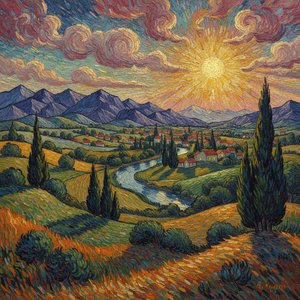
Beyond Impressionism: The Emotional Depth and Vibrant Evolution of Post-Impressionist Landscapes
Explore the profound evolution of Post-Impressionist landscapes. From Van Gogh's emotional brushwork to Cézanne's structural mastery, discover how these visionaries redefined art history through color and form in this expert guide for fine art enthusiasts.
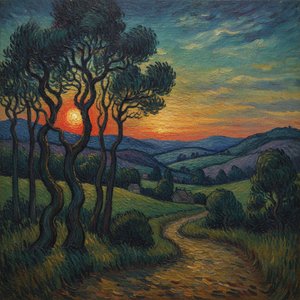
Beyond the Light: Capturing Raw Emotion and Subjective Vision in Post-Impressionist Landscapes
Explore the profound emotional depth of Post-Impressionist landscapes. Discover how masters like Van Gogh moved beyond light to capture raw human feeling through vibrant color and expressive texture in this expert art history retrospective.

Evocations of Place: A Historical Journey Through Landscape Art
Explore the rich history of landscape art with OriginalUniqueArt. Discover renowned artists, movements like Impressionism & Romanticism, and expert guidance for collecting timeless pieces. Find your perfect serene escape today!

25 шедеврів Поля Сезанна: подорож у світ імпресіонізму та натюрморту | OriginalUniqueArt
Відкрийте 25 найвідоміших картин Поля Сезанна! Дослідіть імпресіонізм, натюрморти та пейзажі художника. Купіть високоякісні репродукції та знайдіть ідеальний декор для вашого дому на OriginalUniqueArt.com.
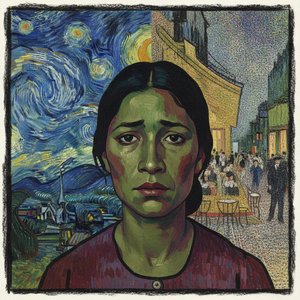
Beyond the Brush: How Post-Impressionism Recharged Modern Art with Bold Color and Raw Emotion
Dive into the high-energy revolution of Post-Impressionism. Discover how masters like Cézanne and Van Gogh traded fleeting light for bold colors and raw emotion, forever recharging modern art with the vibrant, structural intensity that defines today's most iconic visual aesthetics.
