
 Переглянути в інтер'єрі
 Надіслати як листівку
 Поділитися
 Детальніше

 Завантажити
 Схожі експонати
 Рентгенівське дослідження
 Слайд-шоу
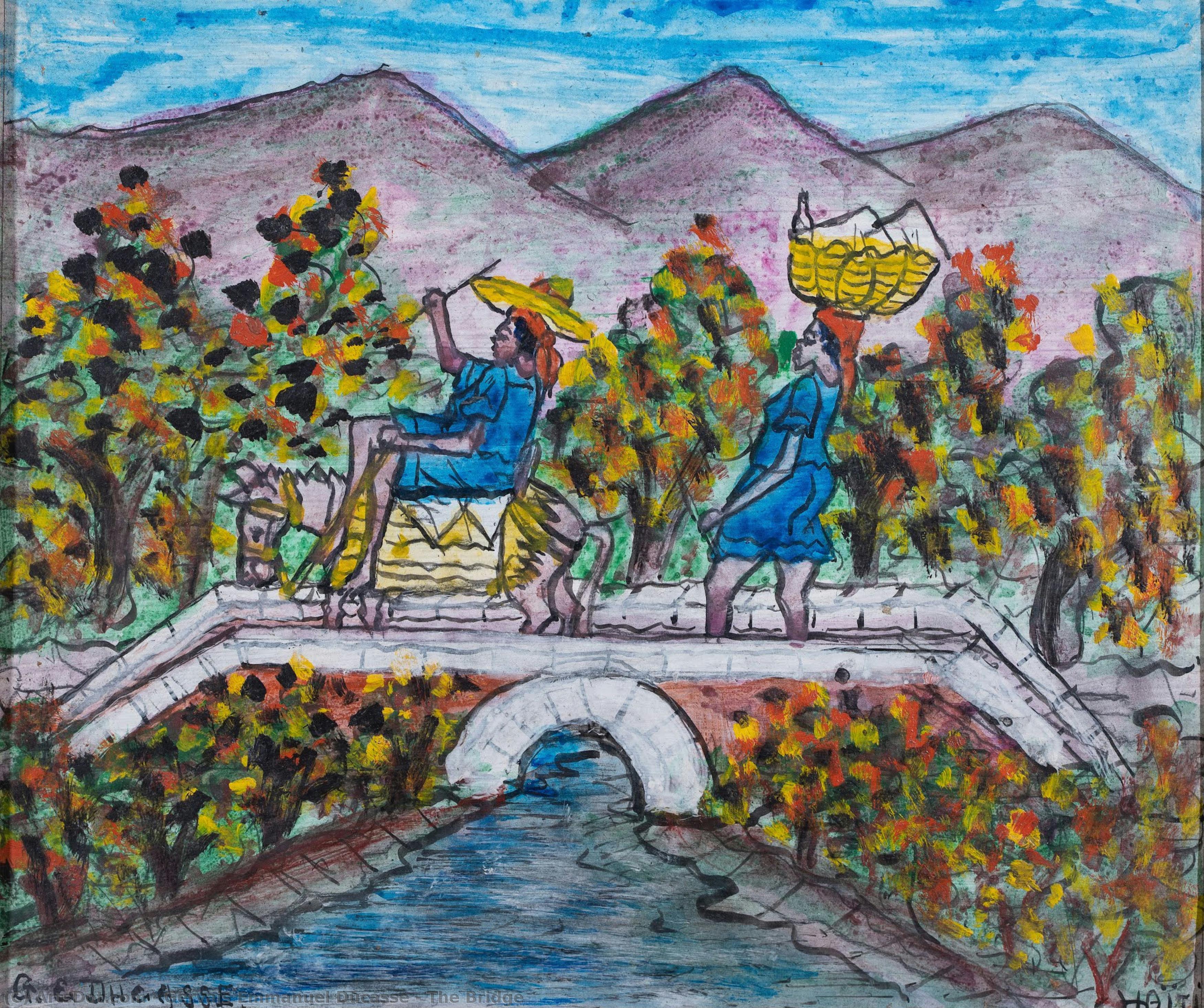
The Bridge


 Читати далі
Гікле / Художній принт
Музейна якість друку جيкле або на полотні з оперативним виготовленням та різноманітними варіантами фінішної обробки. ( Замовити репродукцію ручної роботи Купити цифрове зображення)




P118B $10

P118H $10

P118W $10

P438Z $10

P508JH $12

P508YH $12

P805H $10

P805Z $10

P919BZ $10

P919G $10

P919XJ $10

P959ZH $10

P968JZ $12

W106C $8

W218G $10

W218JH $8

W218Y $10

W307PJ $10

W316G $10

W316PJ $8

W316Y $10

W398PJ $8

W4111J $10

W500HY $15

W500JH $15

W692G $12

W849H $8

W940BG $15

W953PJ $8




Обирайте з наших стандартних розмірів, що відповідають оригінальним пропорціям твору мистецтва.

Ви можете вказати власні розміри, щоб репродукція ідеально підійшла до конкретної рами або інтер'єру. Якщо обраний вами розмір не відповідає пропорціям оригіналу, ми або обріжемо полотно, або розширимо зображення за допомогою дзеркального відображення чи суцільної заливки країв. Перед початком виробництва вам буде надіслано цифровий макет для затвердження.
Будь ласка, зверніть увагу, що попередній перегляд на екрані не відображає фактичне обрізання або розширення. Тільки макет точно покаже фінальну композицію.
Хоча можливість замовлення індивідуальних розмірів доступна, ми рекомендуємо обирати формат із попередньо визначеного списку, щоб зберегти оригінальні пропорції.
Доставка по всьому світу () за 2 тижні замість стандартних 4/5 тижнів. (18 Серпень)

Безкоштовна експрес-доставка по всьому світу

Високоякісне лляне полотно

Повне страхове покриття доставки

Гарантія відшкодування митних зборів

Гарантія точного відтворення кольорів

Політика повернення протягом 60 днів (лише у разі виявлення дефектів)

Гарантія повернення 100% коштів

Пропозиція на оптові замовлення
 Скляний варіант доступний лише для розмірів до 110 см

The Bridge
Гікле / Художній принт
Розмір репродукції
-


Підсумкова вартість
$ 80
Опис експоната
A Journey Through Color: Rediscovering Ducasse’s The Bridge
In the vibrant tapestry of Haitian Primitivism, few works capture the rhythmic pulse of daily life as enchantingly as Gervais Emmanuel Ducasse’s The Bridge. Painted in 1985, this masterpiece serves as a window into a world where movement and tradition intersect. The scene unfolds with a delightful sense of motion, featuring two women traversing a bridge atop donkeys, their silhouettes framed by the bright, sun-drenched atmosphere characteristic of Ducasse’s vision. As they journey across the span, the presence of colorful umbrellas provides not just shade, but a rhythmic visual element that guides the eye through the composition. The painting is more than a mere depiction of travel; it is a celebration of resilience and the steady, beautiful pace of life in a landscape shaped by both history and nature.
The technique employed by Ducasse is nothing short of hypnotic. Utilizing a palette that radiates with warmth and vitality, the artist employs bold, saturated hues to define the textures of the donkeys' coats, the woven baskets, and the architectural weight of the bridge itself. There is a certain folk-art charm in the way the figures are rendered—simplified yet deeply expressive—which allows the emotional resonance of the piece to take center stage. The contrast between the heavy, structural presence of the bridge and the light, airy movement of the travelers creates a dynamic tension that keeps the viewer perpetually engaged. For the discerning collector, this work offers a masterclass in how color can be used to evoke temperature, light, and even the scent of a tropical afternoon.
Beyond its aesthetic brilliance, The Bridge carries profound symbolic weight. In the context of Haitian art history, bridges often serve as metaphors for connection—between communities, between the past and the present, and between the struggles of colonial legacies and the emergence of a sovereign cultural identity. The donkeys, laden with baskets, represent the industrious spirit of the Haitian people, while the act of crossing together suggests a shared destiny. For interior designers seeking to infuse a space with soul and narrative, this painting offers an unparalleled opportunity. It brings a sense of warmth, a touch of exoticism, and a profound feeling of peace to any room, making it a cornerstone piece for those who value art that tells a story as much as it decorates a wall.
Біографія митця
Gervais Emmanuel Ducasse: A Haitian Visionary
Gervais Emmanuel Ducasse (1903-1988) stands as a pivotal figure in Haitian art history, recognized for his distinctive approach to depicting historical narratives and capturing the essence of Haitian culture through vibrant color palettes and bold stylistic choices. Born in Port-au-Prince, Haiti, Ducasse’s artistic journey unfolded against the backdrop of a nation grappling with colonial legacies and striving for cultural identity—a context that profoundly shaped his creative vision. While biographical details remain somewhat sparse, his dedication to painting solidified him as one of Haiti's most respected artists, leaving an indelible mark on Haitian art and inspiring subsequent generations.
Information regarding Ducasse’s formative years is limited; however, it’s understood that he possessed a natural inclination towards artistic expression from a young age within the bustling environment of Port-au-Prince. Exposure to Haitian traditions and folklore undoubtedly fueled his imagination and nurtured his burgeoning talent. His initial training likely involved absorbing techniques prevalent in Haitian folk art—characterized by simplified forms, bold colors, and expressive brushstrokes—which would later become hallmarks of his mature style. The influence of European Impressionism is also speculated as a formative element, introducing Ducasse to innovative approaches to color and light that he skillfully integrated into his own artistic vocabulary.
The Language of Color and Composition
Ducasse’s artistic signature lies in his masterful manipulation of color—a technique that distinguishes him from many contemporaries. He employed palettes brimming with hues drawn directly from the Haitian landscape, translating tropical flora and fauna onto canvas with remarkable accuracy. More importantly, Ducasting eschewed conventional compositional conventions, favoring dynamic arrangements that breathed life into his subjects. His work often features a rich impasto texture, where the physical application of paint adds a tactile dimension to the scenes he portrays.
His subject matter frequently celebrated the rhythms of daily Haitian life and the dignity of labor. In masterpieces such as Facon de Planter Le Riz, he captures the essence of rural toil with a vibrant folk-art sensibility, turning a scene of agricultural necessity into a poetic tribute to the land. Similarly, his ability to infuse movement into static scenes is evident in works like The Bridge, where the lively spirit of two women crossing a bridge on donkeys invites the viewer into a colorful moment of Haitian history. Through these compositions, Ducasse did more than just paint; he documented the soul of a people.
Legacy and Cultural Significance
Beyond the mere depiction of scenery, Ducasse’s work serves as a vital repository of Haitian cultural heritage. He possessed a unique ability to blend the mundane with the monumental, using bold lines and expressive colors to elevate folk traditions into the realm of fine art. His depictions of local customs, such as the energetic and spirited Gargeur Coqs, showcase his talent for capturing the raw energy of communal life through a lens of profound respect and artistic innovation.
The historical significance of Gervais Emmanuel Ducasse lies in his role as a bridge between traditional Haitian folk aesthetics and a more formalized artistic expression. His legacy is characterized by several key contributions:
- Cultural Preservation: Through his paintings, he immortalized scenes of rural labor, local traditions, and the vibrant landscapes of Haiti that might otherwise have faded from collective memory.
- Stylistic Innovation: By integrating elements of Impressionism with indigenous folk techniques, he helped expand the visual vocabulary of Caribbean art.
- National Identity: His work provided a visual language for a nation seeking to define itself through its own colors, textures, and historical narratives.
Today, the works of Ducasse continue to resonate in museums and private collections worldwide, serving as a testament to his enduring vision and his profound connection to the heart of Haiti.

gervais emmanuel ducasse
1903 - 1988 , Haiti
Короткі факти
- Artistic Movement Or Style: Colorful Haitian Primitive Art
- Date Of Birth: 1903
- Date Of Death: 1988
- Full Name: Gervais Emmanuel Ducasse
- Nationality: Haitian
- Notable Artworks:
- Cottages and Trees
- Vegetable Cart
- The Bridge
- Place Of Birth: Port-au-Prince, Haiti
Пов'язані статті

The Enduring Muse: Women as Subject & Symbol in Art History
Explore the rich history of women in art – from iconic muses to groundbreaking artists. Discover feminist movements, global perspectives & reclaim female narratives with OriginalUniqueArt.
The Enduring Muse: Women as Subject & Symbol in Art History
Explore the rich history of women in art – from archetypal representations to contemporary voices challenging norms. Discover iconic artists & movements, and learn about reclaiming female narratives through painting and beyond.
Portrayals of Power & Perception: A Historical Survey of Women in Art
Explore the rich history of women in art – from iconic muses to groundbreaking artists. Discover feminist movements & reclaim female narratives with OriginalUniqueArt. Expert insights for discerning collectors.
Топ-10 найвідоміших картин для вишуканої вітальні: мистецтво та інтер'єр від OriginalUniqueArt
Топ-10 найвідоміших картин для вітальні від OriginalUniqueArt! Від Моне до Ван Гога – дізнайтеся історії шедеврів, техніки та ідеї декору. Знайдіть репродукцію своєї улюбленої картини та створіть вишуканий інтер'єр. Дослідіть повну колекцію онлайн!
Топ-25 шедеврів Фернана Леже: мистецтво машинного віку для вашого дому | OriginalUniqueArt
Відкрийте для себе 25 шедеврів Фернана Леже – піонера кубізму та тубізму! Історія мистецтва, кольори та форми машинного віку. Репродукції картин високої якості від OriginalUniqueArt.com. Дослідіть повну колекцію онлайн!

