

 Переглянути в інтер'єрі
 Надіслати як листівку
 Поділитися
 Детальніше

 Завантажити
 Схожі експонати
 Рентгенівське дослідження
 Слайд-шоу
 Статистика
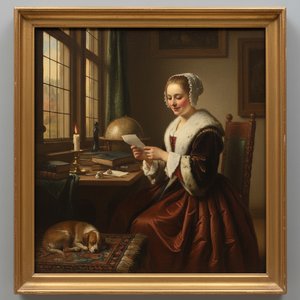
The Quack
 Олія на полотні
- Настінний декор
- Dutch Golden Age
 1652
1652- — Ранній модерн
 112.0 x 83.0 cm
 Музей Бойманса-ван-Бёнінгена
 Читати далі
Гікле / Художній принт
Музейна якість друку جيкле або на полотні з оперативним виготовленням та різноманітними варіантами фінішної обробки. ( Замовити репродукцію ручної роботи Перейти до цифрових зображень)




P118B $10

P118H $10

P118W $10

P438Z $10

P508JH $12

P508YH $12

P805H $10

P805Z $10

P919BZ $10

P919G $10

P919XJ $10

P959ZH $10

P968JZ $12

W106C $8

W218G $10

W218JH $8

W218Y $10

W307PJ $10

W316G $10

W316PJ $8

W316Y $10

W398PJ $8

W4111J $10

W500HY $15

W500JH $15

W692G $12

W849H $8

W940BG $15

W953PJ $8




Обирайте з наших стандартних розмірів, що відповідають оригінальним пропорціям твору мистецтва.

Ви можете вказати власні розміри, щоб репродукція ідеально підійшла до конкретної рами або інтер'єру. Якщо обраний вами розмір не відповідає пропорціям оригіналу, ми або обріжемо полотно, або розширимо зображення за допомогою дзеркального відображення чи суцільної заливки країв. Перед початком виробництва вам буде надіслано цифровий макет для затвердження.
Будь ласка, зверніть увагу, що попередній перегляд на екрані не відображає фактичне обрізання або розширення. Тільки макет точно покаже фінальну композицію.
Хоча можливість замовлення індивідуальних розмірів доступна, ми рекомендуємо обирати формат із попередньо визначеного списку, щоб зберегти оригінальні пропорції.
Доставка по всьому світу () за 2 тижні замість стандартних 4/5 тижнів. (12 Вересень)

Безкоштовна експрес-доставка по всьому світу

Високоякісне лляне полотно

Повне страхове покриття доставки

Гарантія відшкодування митних зборів

Гарантія точного відтворення кольорів

Політика повернення протягом 100 днів (тільки у разі виявлення дефектів)

Гарантія повернення 100% коштів

Пропозиція на оптові замовлення
 Скляний варіант доступний лише для розмірів до 110 см

The Quack
Гікле / Художній принт
Розмір репродукції
-


Підсумкова вартість
$ 80
A Window Into Dutch Golden Age Life: The Allure of Gerrit Dou’s “The Quack”
In the heart of the seventeenth-century Netherlands, a period defined by unparalleled mercantile success and intellectual curiosity, there existed a fascination with the theater of everyday life. Gerrit Dou’s 1652 masterpiece, “The Quack,” serves as a breathtaking portal into this vibrant era. As one of the most esteemed pupils of Rembrandt, Dou did not merely replicate reality; he refined it through the meticulous lens of the Leiden fijnschilders—the "fine painters." This work is far more than a simple depiction of a street vendor; it is a psychological study of human vulnerability and the colorful deceptions that once populated the bustling marketplace squares of Holland.
< p>The scene unfolds with a dramatic, almost cinematic tension. At the center of this social tableau stands the quack doctor, a charismatic figure peddling his mysterious vials and herbal concoctions to an expectant crowd. Through Dou’s masterful use of chiaroscuro, the light does not merely illuminate; it sculpts. The artist directs a focused glow onto the central figures, highlighting the textures of period attire—the heavy folds of fabric and the sheen of glass bottles—while allowing the periphery to recede into deep, contemplative shadows. This interplay of light and dark creates an atmosphere that is simultaneously lively and somber, inviting the viewer to lean in and witness the quiet drama of a transaction that may be more about hope than medicine.Mastery of Detail and the Art of Illusion
For the discerning collector or interior designer, the true magic of “The Quack” lies in its staggering technical precision. Dou was a virtuoso of trompe l'oeil, an artist capable of tricking the eye into perceiving tangible depth. Every element within the composition—from the rough, weathered bark of the ancient tree to the delicate reflections dancing upon the apothecary’s glass—is rendered with superhuman care. This level of detail provides a rich, tactile quality that makes the painting feel less like a flat canvas and more like a window into a living, breathing world.
The palette is a sophisticated arrangement of earth tones, muted golds, and deep shadows, lending the piece a timeless elegance that integrates seamlessly into both classical and contemporary interiors. The composition is balanced yet dynamic, capturing a fleeting moment of urban interaction that feels eternally preserved. To possess a reproduction of such a work is to bring a sense of historical weight and intellectual depth into a space, offering a conversation piece that celebrates the enduring legacy of the Dutch Golden Age.
Symbolism and Emotional Resonance
Beyond its surface beauty, “The Quack” resonates with profound symbolic undertones. The itinerant healer represents the universal human desire for relief and the perennial tension between scientific advancement and superstition. The bustling crowd, caught in various states of observation and skepticism, mirrors the social complexities of a society on the brink of modern enlightenment. There is an inherent intimacy in Dou’s work; despite the public setting, the painting captures private emotions—the greed of the seller, the desperation of the seeker, and the curiosity of the bystander.
For those seeking to inspire awe within a curated collection, this artwork offers an emotional journey. It evokes a sense of nostalgia for a lost world while demanding respect for the technical prowess required to capture it. Whether placed in a grand gallery or as a focal point in a sophisticated study, “The Quack” remains a testament to the power of art to transform a simple observation of life into a profound meditation on the human condition.
Біографія митця
Гerrit Dou (1613–1675): Майстер Світла та Деталі
Г Gerrit Dou, також відомий як Gérard Dou або да Gerrit Dou, був одним із провідних художників епохи Голландського золотого віку, що залишився в історії мистецтва незабутнім слідком. Його творчість вирізняється винятковою увагою до деталей та майстерним володінням технікою світлотіні, що робить його одним із найвидатніших представників фійншильдері — нідерландського жанру живопису високої поліпшеності.Раннє Життя та Освіта
Гerrit Dou народився в Лейдені у 1613 році, як син Марітхе Йансдоур ван Розенбург і майстра скла Гейрду Янссона Доува. Він отримав першу освіту в мистецтві виготовлення скла від батька, що стало важливим фундаментом для подальшої художньої кар'єри. Молодий Gerrit навчався у Лейденській Академії Мистецтв, де здобував досвід роботи з різними матеріалами та техніками живопису.Художня Спеціалізація та Стиль
Доу був одним із засновників Лейденської школи фійншильдері, що характеризується особливою увагою до реалістичної передачі форми та світла. Його творчий стиль відрізнявся ретельною обробкою полотна, використанням тонких шарів фарби та майстерним технічним виконанням. Найбільш значущими були його жанрові картини та нішеві живописні композиції, що демонстрували високий рівень художньої майстерності та вміння передавати атмосферу та емоції. Особливо вражає його вміння створювати відчуття глибини та об'ємності за допомогою світлотіні — техніки chiaroscuro, яка була характерна для мистецтва XVII століття.Найвідоміші Роботи та Колекції
Гerrit Dou створив безліч шедеврів живопису, серед яких особливо варто відзначити:- «Астроном» у світлотіні — Картина, що підтверджує майстерність Доу у передачі нюансів світла та тіней. Його увага до деталей дозволила йому створити вражаюче реалістичне зображення астронома в нічному приміщенні.
- Портрет старого жінки — Яскравий приклад фійншильдерського портрету, що демонструє вміння художника передавати характер та емоції людини через тонкі зміни кольору та світла.
- Сценки з повсякденного життя — Доу часто зображував сценки з повсякденного життя нідерландської буржуазної сім'ї, що дозволило йому дослідити психологічні особливості людини та передати атмосферу епохи.
Вплив та Наслідок
Гerrit Dou мав великий вплив на своїх учнів, серед яких Франс ван Мьерейс Старший і Габріель Метсу, що продовжили його традиції фійншильдерського живопису. Його творчість стала одним із символів епохи Голландського золотого віку та вплинула на розвиток мистецтва в цілому. Доу залишився в історії як один із найвидатніших художників свого часу, який створив справжній шедевр нідерландського живопису високої поліпшеності.
Геррит Доу
1613 - 1675 , Нідерланди
Короткі факти
- Artistic Movement Or Style: Фійнсхільдер (Вишукана живопис)
- Artists Or Movements Influenced By This Artist: ['Франс ван Мюріс старший']
- Artists Who Influenced This Artist: ['Рембрандт ван Рейн']
- Date Of Birth: 7 квітня 1613 р.
- Date Of Death: 9 лютого 1675 р.
- Full Name: Геррит Доу
- Nationality: Нідерландський
- Notable Artworks: ['«Астроном за свічками», Жанрні сцени']
- Place Of Birth: Лейден, Нідерланди
Пов'язані статті

Топ-10 шедеврів Золотої доби нідерландського мистецтва | OriginalUniqueArt.com
Відкрийте для себе 10 шедеврів Золотої доби нідерландського мистецтва! Рембрандт, Вермеєр та інші майстри. Історія створення, унікальні техніки та натхнення для вашого інтер'єру. Репродукції картин високої якості – OriginalUniqueArt.com
Gerrit Dou: Intimacy & Light in the Dutch Golden Age
Explore the exquisite world of Gerrit Dou, a master of Dutch Golden Age painting. Discover his intimate genre scenes, signature use of light, and lasting legacy. Learn about collecting Dou's works & their value.

Golden Age Reflections: Dutch Baroque Painting & Cultural Innovation
Explore the Dutch Golden Age of painting! Discover key artists like Vermeer & ter Borch, their innovative techniques, and the rich cultural context behind these Baroque masterpieces. Learn about collecting & appreciating this iconic art period.

Golden Light & Dutch Skies: The Timeless Magic of Dutch Golden Age Landscapes
Discover the breathtaking beauty of Dutch Golden Age landscapes. Explore the mastery of light, chiaroscuro, and 17th-century realism through an expert art history lens, celebrating the enduring legacy of the Dutch Masters for discerning collectors and art lovers.

Рембрандт ван Рейн: Топ-25 шедеврів для вашого дому | OriginalUniqueArt
Пориньте у світ Рембрандта ван Рейна! 25 культових шедеврів бароко, портретів та біблійних сцен. Купіть високоякісні репродукції картин Рембрандта для вашого дому на OriginalUniqueArt.com – музейне мистецтво онлайн!


