Переглянути в інтер'єрі
 Надіслати як листівку
 Поділитися
 Деталі витвору
 Посібник

 Завантажити
 Схожі екземпляри
 Рентгенівське дослідження
 Слайд-шоу
 Питання та відповіді
 Статистика
The Newborn


 Розгорнути текст
Гікле / Художній принт
Друк جيкле або на полотні музейної якості з оперативним виготовленням та різноманітними варіантами фінішної обробки. ( Замовити картину ручної роботи Перейти до цифрових зображень)




P118B ₴10

P118H ₴10

P118W ₴10

P438Z ₴10

P508JH ₴12

P508YH ₴12

P805H ₴10

P805Z ₴10

P919BZ ₴10

P919G ₴10

P919XJ ₴10

P959ZH ₴10

P968JZ ₴12

W106C ₴8

W218G ₴10

W218JH ₴8

W218Y ₴10

W307PJ ₴10

W316G ₴10

W316PJ ₴8

W316Y ₴10

W398PJ ₴8

W4111J ₴10

W500HY ₴15

W500JH ₴15

W692G ₴12

W849H ₴8

W940BG ₴15

W953PJ ₴8




Обирайте з наших стандартних розмірів, що відповідають оригінальним пропорціям твору мистецтва.

Введіть необхідну ширину та висоту, щоб принт ідеально підійшов до вашої рами або стіни. Принт можна лише обрізати, але не можна зробити більшим за оригінал, тому при зміні пропорцій частина зображення буде втрачена. Перед друком ми надсилаємо вам цифровий макет для затвердження. Зображення на цій сторінці не відображає реальну обрізку — її можна побачити лише на макеті.
Доставка по всьому світу () за 2 тижні замість стандартних 4/5 тижнів. (6 Листопад)

Безкоштовна експрес-доставка по всьому світу

Високоякісне лляне полотно

Повне страхове покриття доставки

Гарантія повернення митних зборів

Гарантія точного відтворення кольорів

Політика повернення протягом 100 днів (лише у разі виявлення дефектів)

Гарантія повернення 100% коштів

Пропозиція на оптові замовлення
 Скляний варіант доступний лише для розмірів до 110 см

The Newborn
Гікле / Художній принт
Розмір репродукції
-


Підсумкова вартість
₴ 3633
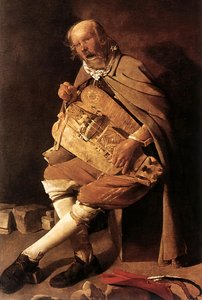
A Moment of Divine Intimacy: Georges de La Tour’s *The Newborn*
Georges de La Tour's 1649 masterpiece, *The Newborn*, is a profoundly moving depiction of the Virgin Mary cradling the infant Jesus. This Baroque painting exemplifies the artist’s signature style – a masterful use of chiaroscuro and an intimate portrayal of religious narrative. It offers a serene yet deeply emotional experience for the viewer, making it a captivating focal point for any collection or interior space.Style & Technique: The Essence of Baroque Tenebrism
De La Tour was a key figure in bringing Caravaggism to France, and *The Newborn* vividly demonstrates this influence. The painting is characterized by dramatic tenebrism, where stark contrasts between light and shadow sculpt the figures and heighten their emotional presence. Oil paints are applied with meticulous detail on canvas, creating smooth transitions of tone and rich color saturation. Notice how the light doesn’t simply illuminate; it *defines* form and directs our gaze to the central subjects. The brushstrokes, while visible upon close inspection, blend seamlessly to create a sense of realism and texture – from the soft skin of Mary and Jesus to the heavier fabrics draped around them.Subject & Composition: A Pyramidal Sanctuary
The composition is elegantly pyramidal, with Mary and the baby forming the apex, drawing the viewer’s eye upwards towards a sense of spiritual elevation. A second female figure leans in, observing this sacred moment – often identified as Saint Anne, mother of Mary. The scene unfolds within a dimly lit interior, creating an atmosphere of quiet reverence and intimacy. This isn't a grand public spectacle; it is a private, tender encounter.Historical Context: Faith & Artistic Innovation
Painted in 1649, *The Newborn* reflects the religious fervor prevalent during the Baroque period. De La Tour lived through turbulent times – France was engaged in conflicts and undergoing significant social change. His art offered a refuge, focusing on deeply personal faith and human connection. He served as “Painter to the King” yet maintained a strong connection to local patrons, reflecting his ability to bridge courtly sophistication with everyday devotion. Interestingly, De La Tour’s work experienced a period of obscurity after his death before being rediscovered in the 20th century.Symbolism & Emotional Resonance
The symbolism within *The Newborn* is rich and layered. The infant Jesus represents divinity incarnate, while Mary embodies motherhood, faith, and compassion. The attendant figure serves as a witness to this holy event, inviting the viewer to share in their contemplation. The painting evokes feelings of reverence, tenderness, and serenity. It’s not merely an illustration of a biblical story; it's an invitation to experience the profound emotional power of maternal love and spiritual devotion.Color Palette & Interior Design Considerations
The color palette is dominated by warm tones – reds, oranges, and browns – creating a sense of intimacy and spiritual warmth. These hues lend themselves beautifully to various interior design schemes, particularly those seeking a classic, elegant, or contemplative atmosphere. A reproduction of *The Newborn* would be stunning in a library, bedroom, or chapel-like space, adding depth and sophistication to the surroundings.- Ideal for: Traditional, Baroque, Eclectic interiors
- Color Harmony: Complements warm neutral palettes, rich wood tones, and jewel-toned accents.
- Placement Suggestions: Above a fireplace, in a reading nook, or as a focal point in a dining room.
Питання та відповіді
Чи не захищений твір "The Newborn" авторським правом?
Щодо авторського права, «The Newborn» є є суспільним надбанням — термін дії авторського права закінчився.
Яке відчуття передає «The Newborn» роботи Жорж де Латур?
«The Newborn» роботи Жорж де Латур передає Духовний відчуття в межах загального Безтурботний настрою.
Який загальний настрій передає «The Newborn» роботи Жорж де Латур?
Загальний настрій «The Newborn» роботи Жорж де Латур — Безтурботний. Цей настрій передає загальну атмосферу твору.
Біографія митця
A Life Bathed in Shadow: The Enigmatic World of Georges de La Tour
Georges de La Tour, a name that resonates with the hushed reverence reserved for masters of light and shadow, remains one of the most compelling figures of the French Baroque. Born in 1593 in Vic-sur-Seille, a small town nestled within the Duchy of Lorraine, his life unfolded against a backdrop of religious fervor and political upheaval. While details surrounding his early training remain somewhat elusive—scholars speculate about potential journeys to Italy or apprenticeships with local artists like Jacques Bellange—the seeds of his artistic vision were undoubtedly sown in this environment. He wasn’t born into an artistically established family; his father was a baker, yet the circumstances of his mother's lineage hint at a possible connection to nobility, a subtle influence perhaps reflected in the dignity and quiet grace that permeate his work. In 1617 he married Diane Le Nerf, establishing a stable home life in Lunéville, where he would spend much of his career serving both the French court and the Dukes of Lorraine. This dual patronage allowed him to flourish, yet it was within the intimate confines of domestic scenes and religious contemplation that his true genius found expression.The Dance of Light and Darkness: Artistic Influences and Development
De La Tour’s artistic journey wasn't one of radical innovation but rather a masterful synthesis of existing influences, transformed through the lens of his unique sensibility. The dramatic chiaroscuro—the stark contrast between light and dark—that defines his paintings owes an undeniable debt to Caravaggio, the Italian master who revolutionized painting with his intensely realistic and emotionally charged scenes. However, De La Tour didn’t simply imitate; he filtered Caravaggism through the prism of Dutch Caravaggisti, particularly those from the Utrecht School like Hendrick Terbrugghen. This fusion resulted in a style that was both powerful and restrained, characterized by a muted palette dominated by earth tones and subtle gradations of light. His early works, predating 1630, exhibit a greater vibrancy and dynamism, reflecting the influence of the Utrecht school. But as his career progressed, he moved towards an increasingly introspective and minimalist aesthetic. He began to pare down compositions, focusing on essential forms and reducing extraneous details, creating scenes that felt both timeless and deeply personal. This evolution wasn’t merely technical; it was a reflection of his growing spiritual depth and his desire to convey profound emotional truths through the simplest of means.Candlelight and Contemplation: Major Works and Recurring Themes
The hallmark of De La Tour's oeuvre is undoubtedly his masterful use of candlelight, which he employed not merely as a source of illumination but as a metaphor for divine grace and spiritual awakening. His paintings are often set at night, with figures bathed in the warm, flickering glow of a single candle or lamp. This creates an atmosphere of intimacy and quiet contemplation, drawing the viewer into the scene and inviting them to share in the emotional experience of the subjects. The Fortune-Teller, painted around 1630, exemplifies this early style—a lively genre scene rendered with sharp observation and dramatic lighting. But it is his later religious works that truly showcase his genius. Adoration of the Shepherds, created around 1640, demonstrates his ability to imbue a traditional subject with profound emotional resonance. The figures are not idealized or heroic; they are ordinary people, humbled by the presence of the divine. The Tears of Saint Peter, painted in the 1650s, is a particularly poignant example of his psychological insight—the apostle’s grief rendered with heartbreaking subtlety and realism. Saint Joseph the Carpenter, another iconic work, depicts a serene domestic scene, highlighting De La Tour's mastery of capturing the quiet dignity of everyday life. These paintings aren’t simply depictions of religious events; they are meditations on faith, doubt, and the human condition.A Rediscovered Legacy: Historical Significance and Enduring Appeal
Despite achieving recognition during his lifetime—he was appointed “Painter to the King” by Louis XIII in 1638—De La Tour’s work fell into relative obscurity after his death in 1652. For centuries, many of his paintings were misattributed to other artists, and his name faded from art historical memory. It wasn't until the early 20th century that a concerted effort was made to rediscover and re-evaluate his oeuvre, led by scholars like Hermann Voss. This rediscovery revealed an artist of extraordinary originality and depth, whose work bridged the gap between Caravaggism and French Classicism. De La Tour’s innovative use of light and shadow, combined with his psychological insight into his subjects, continues to captivate audiences today. His paintings offer a glimpse into 17th-century life and spirituality, reflecting both the religious fervor and the social realities of his time. *He remains celebrated for his ability to imbue everyday scenes with profound meaning and emotional depth*, reminding us that even in the darkest of times, there is always hope to be found in the flickering light of faith and human connection. His influence can be seen in later artists who explored similar themes of introspection and spiritual longing, solidifying his place as a pivotal figure in the history of European art.
Жорж де Латур
1593 - 1652 , Франція
Короткі факти
- Artistic Movement Or Style: Бароко, Тенебризм
- Artists Or Movements Influenced By This Artist: ['Французький класицизм']
- Artists Who Influenced This Artist:
- Караваджо
- Гендрик Тербрюгген
- Date Of Birth: 13 березня 1593
- Date Of Death: 30 січня 1652
- Full Name: Georges de La Tour
- Nationality: Француз
- Notable Artworks:
- Пророка Захарія
- Святий Іоанн Хреститель
- Покрова Богоматері
- Place Of Birth: Вік-ле-Комте, Франція
Пов'язані статті

25 шедеврів Жоржа Сера: Відкрийте світ точкового малярства | OriginalUniqueArt
Відкрийте світ Жоржа Сера! 25 культових картин імпресіонізму та пуантилізму. Історія мистецтва, унікальні техніки живопису та натхнення для декору вашого дому. Купуйте репродукції картин Сера високої якості на OriginalUniqueArt.com!
Georges de La Tour: Luminosity, Spirituality & Realism in Baroque Painting
Discover the captivating world of Georges de La Tour, a Baroque master renowned for his dramatic chiaroscuro & spiritual realism. Explore key works, influences, and his remarkable rediscovery. Learn more at OriginalUniqueArt.

Топ-25 шедеврів Гойї: історія мистецтва для вашого дому | OriginalUniqueArt
Відкрийте 25 шедеврів Франсіско Гойї! Історія мистецтва, глибокі портрети та темні офорти іспанського романтизму. Купіть репродукції картин Гойї для вашого дому на OriginalUniqueArt.com – музейна якість та бездоганний декор.

Топ-25 шедеврів Жоржа Брака: мистецтво кубізму для вашого дому | OriginalUniqueArt
Відкрийте для себе 25 найвідоміших шедеврів Жоржа Брака! Пориньте у світ кубізму, аналізуйте кольори та техніку легендарного французького художника. Репродукції картин Брак для вашого дому – на OriginalUniqueArt.com

Maurice Quentin de La Tour: Light, Shadow & the Rococo Portrait
Explore the captivating world of Maurice Quentin de La Tour, a master of Rococo portraiture. Discover his innovative pastel techniques, intimate depictions of French aristocracy, and lasting artistic legacy. Learn more at OriginalUniqueArt.