

 Переглянути в інтер'єрі
 Надіслати як листівку
 Поділитися
 Детальніше

 Завантажити
 Схожі експонати
 Рентгенівське дослідження
 Слайд-шоу
 Статистика
The Violin
 Oil On Canvas
- WallArt
- Cubist Fragmentation
 1914
1914- Modern
 92.0 x 60.0 cm
 Читати далі
Придбайте цифрову копію високої роздільної здатності з покращеною якістю, що значно перевершує онлайн-перегляд.
Кожен файл ретельно підготовлений нашими фахівцями за допомогою сучасних інструментів та професійної ручної ретуші. Ми гарантуємо виняткову чіткість, точну передачу кольору та високу деталізацію кожного зображення.
Фінальний файл надсилається електронною поштою протягом 72 годин і оптимізований для негайного використання у професійних виданнях та друкованих матеріалах. Таку якість обирають провідні дизайнерські студії, видавництва та галереї.
Цифрове зображення
Завантажте файл високої роздільної здатності для особистого використання, друку та творчих проєктів. ( Перейти до друку Замовити репродукцію ручної роботи)
Переваги кожного замовлення цифрових зображень
Експертна цифрова доставка з гарантією якості
Обираючи OriginalUniqueArt.com, ви отримуєте не просто зображення — ви отримуєте професійно вдосконалений цифровий витвір мистецтва, створений з надзвичайною точністю та підкріплений гарантією задоволення. Ось усе, що автоматично додається до вашого замовлення:

Швидка доставка на email
Ваш цифровий файл із зображенням високої роздільної здатності буде надісланий вам електронною поштою протягом 72 годин після оформлення замовлення — він буде готовий до негайного використання.

Цифровий файл із покращенням ШІ
Ваш витвір мистецтва професійно оптимізовано за допомогою передових інструментів штучного інтелекту та ручної корекції, що забезпечує максимальну деталізацію, чіткість і точність передачі кольорів.

Безкоштовне повторне завантаження назавжди
Випадково видалили або втратили файл? Не хвилюйтеся — ми надішлемо його вам повторно в будь-який час безкоштовно.

Без митних зборів — ніколи
Насолоджуйтесь вашим витвором мистецтва миттєво без жодних мит, зборів або плати за доставку — цифрові завантаження завжди не оподатковуються.

Гарантія точності кольорів
Ми гарантуємо максимально точне відтворення оригінальних кольорів на вашому цифровому зображенні завдяки використанню професійних інструментів та систем управління кольором.

100-денна гарантія задоволення
Якщо ви не задоволені придбаним цифровим зображенням, ми внесемо правки або повернемо 100% вартості протягом 100 днів — без зайвих запитань.

Гарантія повернення 100% коштів
Незадоволені покупкою? Отримайте повне повернення коштів протягом 100 днів після отримання цифрового файлу — без зайвих запитань.

Знижки на оптові замовлення
Купуйте 3 зображення — заощаджуйте 10% — Купуйте 5 — заощаджуйте 15% — Купуйте 10+ — заощаджуйте 20%. Чудово підходить для творчих проєктів, галерей та агентств.
A Symphony of Fragments: Reimagining the Violin
In the quiet tension of Georges Braque’s 1914 masterpiece, The Violin, we encounter more than a mere musical instrument; we witness the very moment the mirror of traditional reality was shattered and reassembled. This work stands as a cornerstone of Synthetic Cubism, a period where the artist moved beyond simply breaking objects apart to building them back up through a complex language of signs and textures. The violin, a universal symbol of lyrical beauty and human emotion, is stripped of its literal form and instead presented as a rhythmic arrangement of geometric planes. As one gazes upon the composition, the eye does not rest on a single, stable object but rather dances across overlapping surfaces—cubes, cylinders, and cones—that challenge our fundamental understanding of space and depth.
The painting’s stark, luminous background acts as a deliberate void, a white expanse that forces the viewer to confront the intricate, fractured anatomy of the instrument itself. Braque utilizes a sophisticated palette of muted earthy tones—rich ochres, deep browns, and subtle shadows—to lend a sense of tactile weight to the fragmented pieces. There is a profound materiality in his brushwork; one can almost feel the grain of the wood and the tension of the strings through the layered application of paint. This technique creates a sensory experience that transcends sight, inviting the collector to appreciate the structural rhythm and the "geometric truth" hidden beneath the surface of everyday objects.
The Intersection of Science and Soul
To understand The Violin, one must look toward the intellectual tremors felt across Europe in 1914. This was an era defined by radical shifts in thought, most notably Einstein’s theory of relativity, which dismantled the Newtonian concept of a fixed, predictable universe. Braque, much like his contemporary Pablo Picasso, sought to translate this new, fluid reality onto the canvas. By rejecting the single-point perspective that had dominated Western art since the Renaissance, Braque offers us multiple viewpoints simultaneously. He captures not just how an object looks from one angle, but how it exists in our memory and consciousness—a fragmented, multi-dimensional experience of time and space.
For the discerning interior designer or art enthusiast, this piece offers a profound emotional resonance. It is a work of intellectual depth that provides a sophisticated focal point for any modern space. The composition possesses a quiet, contemplative energy, making it an ideal selection for environments that value both avant-garde history and understated elegance. Whether placed in a sunlit gallery or a contemporary living room, The Violin serves as a conversation starter—a window into a period of immense cultural upheaval and a testament to the enduring power of human creativity to find order amidst complexity.
Біографія митця
Ранні роки та художні основи
Жорж Брак, який народився в Аржантеї, Франція, у 1882 році, ступив на шлях, глибоко переплетений із мінливим ландшафтом сучасного мистецтва. Його виховання в родині малярів та декораторів прищепило йому не лише технічне володіння матеріалами, а й раннє відчуття форми та структури. Хоча спочатку він пішов стопами свого батька, притаманна Браку художня схильність невдовзі привела його до формального навчання в École des Beaux-Arts у Гаврі, що стало початком його шляху до звання одного з найвпливовіших живописців XX століття. Цей фундамент — поєднання практичної майстерності та академічного навчання — виявився вирішальним, коли пізніше він почав деконструювати та переосмислювати традиційні художні канони.
Переїхавши до Парижа в 1902 році, Брак продовжив навчання в Académie Humbert, занурюючись у яскраве мистецьке середовище міста. Саме тут він зустрів таких митців, як Марі Лоренсін та Франсіс Пікабіа, зав’язавши зв'язки, що визначали його ранній розвиток. Його перші роботи відображали панівні впливи імпресіонізму та постімпресіонізму, проте вирішальна зустріч із зухвалими кольорами та експресивною свободою фовізму у 1905 році запалила нове спрямування в його мистецьких пошуках.
Прийняття фовізму та світанок кубізму
Прийняття Браком принципів фовізму, що характеризувалися інтенсивним, не натуралістичним кольором та емоційною експресією, яскраво втілене в таких полотнах, як Терпіння. У цей період він працював пліч-о-пліч із такими майстрами, як Анрі Матісс та Андре Дерен, експериментуючи з насиченою палітрою та спрощеними формами. Однак залученість Брока до фовізму не була суто імітаційною; він наповнив його унікальною чутливістю, пом'якшуючи нестримну експресію руху більш стриманим та аналітичним підходом.
Переломний момент настав у 1907 році після знайомства з ретроспективною виставкою робіт Поля Сезанна. Акцент Сезанна на геометричних формах і множинних перспективах глибоко вплинув на Брока, підготувавши ґрунт для його революційної співпраці з Пабло Пікассо. Починаючи з 1908 року, ці два титани мистецтва розпочали період інтенсивного інтелектуального обміну, що дав життя кубізму — революційному руху, який зруйнував традиційні уявлення про репрезентацію.
Разом Брак і Пікассо розробили аналітичний кубізм, розбиваючи об'єкти на фрагментовані геометричні фігури та одночасно представляючи кілька точок зору. Такі роботи, як Будинки в Л'Естак, демонструють цю ранню фазу, показуючи радикальний відхід від звичної перспективи та фокус на внутрішній структурі форм. Їхня палітра стала навмисно приглушеною, акцентуючи увагу на формі, а не на кольорі, оскільки вони прагнули передати цілісність присутності об'єкта, а не лише його зовнішній вигляд.
Інновації через фрагментацію та колаж
Партнерство Брока та Пікассо продовжувало розсувати межі художнього самовираження, що призвело до розвитку синтетичного кубізму близько 1912 року. Цей етап ознаменувався появою колажу — включенням матеріалів реального світу, таких як вирізки з газет, шпалери та тканина, у живопис. Ця інновація кинула виклик традиційній ієрархії між живописом і скульптурою, розмиваючи межі між мистецтвом і життям.
Першовідкривацьке використання Браком техніки *papier collé* (аплікація з паперу) стало значущою віхою в його творчій еволюції. Інтегруючи фрагменти повсякденних предметів у свої композиції, він порушив ілюзорний простір традиційного живопису та запровадив новий рівень матеріальності й текстури. Ця техніка не лише розширила формальні можливості мистецтва, а й відобразила зростаючий інтерес до взаємозв'язку між репрезентацією та реальністю.
Початок Першої світової війни у 1914 році перервав цю інтенсивну співпрацю, оскільки Брак був призваний на військову службу. Його досвід війни глибоко вплинув на його художнє бачення, спонукаючи досліджувати більш особисті та ліричні теми у своїх післявоєнних роботах.
Пізні роки та нев'януща спадщина
Після війни стиль Брока еволюціонував за межі суворих рамок кубізму, вбираючи елементи класичної композиції та оновлений інтерес до натюрморту. Зберігаючи геометричний вплив, що визначав його ранні роботи, він розробив більш нюансований і споглядальний підхід до живопису. Його пізні пейзажі та інтер'єри вирізняються спокійною атмосферою та витонченою гармонією кольорів.
Протягом усієї своєї кар'єри Брак залишався відданим дослідженню фундаментальних принципів форми, простору та репрезентації. Він продовжував експериментувати з різними матеріалами та техніками, розсуваючи межі художнього вираження аж до своєї смерті в 1963 році. Його вплив на наступні покоління митців є безмірним; він сформував курс сучасного мистецтва та надихнув незліченну кількість живописців, скульпторів і майстрів колажу.
Спадщина Жоржа Брока виходить за межі його окремих творів; він докорінно змінив наше розуміння того, як ми сприймаємо та представляємо світ навколо нас. Його дух співтворчості з Пікассо у поєднанні з власним унікальним художнім баченням закріпили за ним місце справжнього піонера модернізму — майстра, який наважився кинути виклик традиціям і переосмислити можливості живопису.
Впливи та визначні роботи
- Під впливом: Анрі Матісс, Андре Дерен, Поль Сезанн
- Ключові роботи: Будинки в Л'Естак, Терпіння, Скрипка та палітра, Мандола
- Вплив на історію мистецтва: Революціонізував мистецтво XX століття через кубізм; кинув виклик традиційним уявленням про перспективу та репрезентацію.
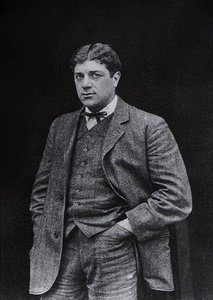
Жорж Брак
1882 - 1963 , Франція
Основна інформація
- Artistic Movement Or Style: Кубізм, Фуавр
- Artists Or Movements Influenced By This Artist:
- Пабло Пікассо
- Сучасне мистецтво
- Artists Who Influenced This Artist:
- Генрі Матіс
- Андре Дерен
- Поль Сезанн
- Date Of Birth: 13 травня 1882
- Date Of Death: 31 серпня 1963
- Full Name: Georges Braque
- Nationality: Француз
- Notable Artworks:
- Будинки в Л’Естаке
- Терпіння
- Віолончель і пензель
- Place Of Birth: Аржентел, Франція