

 Переглянути в інтер'єрі
 Надіслати як листівку
 Поділитися
 Детальніше

 Завантажити
 Схожі експонати
 Рентгенівське дослідження
 Слайд-шоу
 Статистика
The Poppies


 Читати далі
Гікле / Художній принт
Музейна якість друку جيкле або на полотні з оперативним виготовленням та різноманітними варіантами фінішної обробки. ( Замовити репродукцію ручної роботи Перейти до цифрових зображень)




P118B $10

P118H $10

P118W $10

P438Z $10

P508JH $12

P508YH $12

P805H $10

P805Z $10

P919BZ $10

P919G $10

P919XJ $10

P959ZH $10

P968JZ $12

W106C $8

W218G $10

W218JH $8

W218Y $10

W307PJ $10

W316G $10

W316PJ $8

W316Y $10

W398PJ $8

W4111J $10

W500HY $15

W500JH $15

W692G $12

W849H $8

W940BG $15

W953PJ $8




Обирайте з наших стандартних розмірів, що відповідають оригінальним пропорціям твору мистецтва.

Ви можете вказати власні розміри, щоб репродукція ідеально підійшла до конкретної рами або інтер'єру. Якщо обраний вами розмір не відповідає пропорціям оригіналу, ми або обріжемо полотно, або розширимо зображення за допомогою дзеркального відображення чи суцільної заливки країв. Перед початком виробництва вам буде надіслано цифровий макет для затвердження.
Будь ласка, зверніть увагу, що попередній перегляд на екрані не відображає фактичне обрізання або розширення. Тільки макет точно покаже фінальну композицію.
Хоча можливість замовлення індивідуальних розмірів доступна, ми рекомендуємо обирати формат із попередньо визначеного списку, щоб зберегти оригінальні пропорції.
Доставка по всьому світу () за 2 тижні замість стандартних 4/5 тижнів. (12 Вересень)

Безкоштовна експрес-доставка по всьому світу

Високоякісне лляне полотно

Повне страхове покриття доставки

Гарантія відшкодування митних зборів

Гарантія точного відтворення кольорів

Політика повернення протягом 100 днів (тільки у разі виявлення дефектів)

Гарантія повернення 100% коштів

Пропозиція на оптові замовлення
 Скляний варіант доступний лише для розмірів до 110 см

The Poppies
Гікле / Художній принт
Розмір репродукції
-


Підсумкова вартість
$ 80
A Fragment of Cubist Harmony
In the quiet revolution of early twentieth-century Paris, few works capture the seismic shift in perception as elegantly as Georges Braque’s The Poppies. At first glance, the viewer is met with a deceptively simple still life: a vase cradling three crimson blossoms against a muted, verdant backdrop. Yet, to linger on this canvas is to realize that Braque is not merely painting flowers; he is deconstructing the very fabric of reality. This masterpiece, born from the fertile period between 1908 and 1912, serves as a profound exploration of form and color, acting as a pivotal bridge between the fleeting impressions of the past and the structured, intellectual rigor of the Cubist movement.
The painting’s brilliance lies in its masterful use of technique to challenge the traditional eye. Moving away from the illusionistic depth of the Renaissance, Braque employs the foundational principles of Cubism to fragment his subject into a rhythmic arrangement of geometric planes. The vase is not a singular, solid object but a collection of overlapping yellow and green facets that suggest volume without relying on conventional shading. Even the poppies themselves are dissected into angular, vibrant shapes, capturing their scarlet essence from multiple viewpoints simultaneously. This deliberate rejection of single-point perspective invites the observer to participate in a visual puzzle, where the boundaries between object and space begin to dissolve.
The Intersection of Color and Emotion
Beyond its structural complexity, The Poppies possesses an emotional resonance that makes it a captivating choice for any sophisticated interior. Braque utilizes a restrained yet impactful palette; the earthy tones of the background provide a somber, grounded stage for the sudden, visceral bursts of scarlet from the petals. This contrast creates a subtle visual tension—a pulse of life within a structured, almost architectural composition. The inclusion of a crisp white circle behind the vase acts as a focal point of light, lending a sense of cosmic balance to the arrangement and preventing the muted greens from becoming stagnant.
For the collector or interior designer, this piece offers more than mere decoration; it offers an intellectual atmosphere. It is a work that commands attention through its quiet strength rather than through loud ornamentation. Whether placed in a modern minimalist gallery or as a centerpiece in a classic study, the painting’s ability to blend abstract geometry with organic subject matter provides a timeless elegance. To possess a reproduction of this work is to bring a piece of art history into the home—a fragment of that transformative era when artists like Braque and Picasso dared to reimagine the world not as it appears, but as it is fundamentally understood.
Біографія митця
Ранні роки та художні основи
Жорж Брак, який народився в Аржантеї, Франція, у 1882 році, ступив на шлях, глибоко переплетений із мінливим ландшафтом сучасного мистецтва. Його виховання в родині малярів та декораторів прищепило йому не лише технічне володіння матеріалами, а й раннє відчуття форми та структури. Хоча спочатку він пішов стопами свого батька, притаманна Браку художня схильність невдовзі привела його до формального навчання в École des Beaux-Arts у Гаврі, що стало початком його шляху до звання одного з найвпливовіших живописців XX століття. Цей фундамент — поєднання практичної майстерності та академічного навчання — виявився вирішальним, коли пізніше він почав деконструювати та переосмислювати традиційні художні канони.
Переїхавши до Парижа в 1902 році, Брак продовжив навчання в Académie Humbert, занурюючись у яскраве мистецьке середовище міста. Саме тут він зустрів таких митців, як Марі Лоренсін та Франсіс Пікабіа, зав’язавши зв'язки, що визначали його ранній розвиток. Його перші роботи відображали панівні впливи імпресіонізму та постімпресіонізму, проте вирішальна зустріч із зухвалими кольорами та експресивною свободою фовізму у 1905 році запалила нове спрямування в його мистецьких пошуках.
Прийняття фовізму та світанок кубізму
Прийняття Браком принципів фовізму, що характеризувалися інтенсивним, не натуралістичним кольором та емоційною експресією, яскраво втілене в таких полотнах, як Терпіння. У цей період він працював пліч-о-пліч із такими майстрами, як Анрі Матісс та Андре Дерен, експериментуючи з насиченою палітрою та спрощеними формами. Однак залученість Брока до фовізму не була суто імітаційною; він наповнив його унікальною чутливістю, пом'якшуючи нестримну експресію руху більш стриманим та аналітичним підходом.
Переломний момент настав у 1907 році після знайомства з ретроспективною виставкою робіт Поля Сезанна. Акцент Сезанна на геометричних формах і множинних перспективах глибоко вплинув на Брока, підготувавши ґрунт для його революційної співпраці з Пабло Пікассо. Починаючи з 1908 року, ці два титани мистецтва розпочали період інтенсивного інтелектуального обміну, що дав життя кубізму — революційному руху, який зруйнував традиційні уявлення про репрезентацію.
Разом Брак і Пікассо розробили аналітичний кубізм, розбиваючи об'єкти на фрагментовані геометричні фігури та одночасно представляючи кілька точок зору. Такі роботи, як Будинки в Л'Естак, демонструють цю ранню фазу, показуючи радикальний відхід від звичної перспективи та фокус на внутрішній структурі форм. Їхня палітра стала навмисно приглушеною, акцентуючи увагу на формі, а не на кольорі, оскільки вони прагнули передати цілісність присутності об'єкта, а не лише його зовнішній вигляд.
Інновації через фрагментацію та колаж
Партнерство Брока та Пікассо продовжувало розсувати межі художнього самовираження, що призвело до розвитку синтетичного кубізму близько 1912 року. Цей етап ознаменувався появою колажу — включенням матеріалів реального світу, таких як вирізки з газет, шпалери та тканина, у живопис. Ця інновація кинула виклик традиційній ієрархії між живописом і скульптурою, розмиваючи межі між мистецтвом і життям.
Першовідкривацьке використання Браком техніки *papier collé* (аплікація з паперу) стало значущою віхою в його творчій еволюції. Інтегруючи фрагменти повсякденних предметів у свої композиції, він порушив ілюзорний простір традиційного живопису та запровадив новий рівень матеріальності й текстури. Ця техніка не лише розширила формальні можливості мистецтва, а й відобразила зростаючий інтерес до взаємозв'язку між репрезентацією та реальністю.
Початок Першої світової війни у 1914 році перервав цю інтенсивну співпрацю, оскільки Брак був призваний на військову службу. Його досвід війни глибоко вплинув на його художнє бачення, спонукаючи досліджувати більш особисті та ліричні теми у своїх післявоєнних роботах.
Пізні роки та нев'януща спадщина
Після війни стиль Брока еволюціонував за межі суворих рамок кубізму, вбираючи елементи класичної композиції та оновлений інтерес до натюрморту. Зберігаючи геометричний вплив, що визначав його ранні роботи, він розробив більш нюансований і споглядальний підхід до живопису. Його пізні пейзажі та інтер'єри вирізняються спокійною атмосферою та витонченою гармонією кольорів.
Протягом усієї своєї кар'єри Брак залишався відданим дослідженню фундаментальних принципів форми, простору та репрезентації. Він продовжував експериментувати з різними матеріалами та техніками, розсуваючи межі художнього вираження аж до своєї смерті в 1963 році. Його вплив на наступні покоління митців є безмірним; він сформував курс сучасного мистецтва та надихнув незліченну кількість живописців, скульпторів і майстрів колажу.
Спадщина Жоржа Брока виходить за межі його окремих творів; він докорінно змінив наше розуміння того, як ми сприймаємо та представляємо світ навколо нас. Його дух співтворчості з Пікассо у поєднанні з власним унікальним художнім баченням закріпили за ним місце справжнього піонера модернізму — майстра, який наважився кинути виклик традиціям і переосмислити можливості живопису.
Впливи та визначні роботи
- Під впливом: Анрі Матісс, Андре Дерен, Поль Сезанн
- Ключові роботи: Будинки в Л'Естак, Терпіння, Скрипка та палітра, Мандола
- Вплив на історію мистецтва: Революціонізував мистецтво XX століття через кубізм; кинув виклик традиційним уявленням про перспективу та репрезентацію.
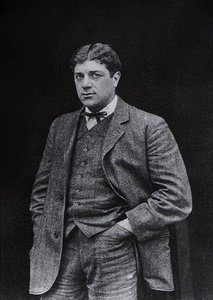
Жорж Брак
1882 - 1963 , Франція
Короткі факти
- Artistic Movement Or Style: Кубізм, Фуавр
- Artists Or Movements Influenced By This Artist:
- Пабло Пікассо
- Сучасне мистецтво
- Artists Who Influenced This Artist:
- Генрі Матіс
- Андре Дерен
- Поль Сезанн
- Date Of Birth: 13 травня 1882
- Date Of Death: 31 серпня 1963
- Full Name: Georges Braque
- Nationality: Француз
- Notable Artworks:
- Будинки в Л’Естаке
- Терпіння
- Віолончель і пензель
- Place Of Birth: Аржентел, Франція
Пов'язані статті
Deconstructing Reality: A Comprehensive Exploration of Cubist Still Life
Explore the revolutionary world of Cubist Still Life with OriginalUniqueArt. Discover Picasso & Braque's groundbreaking techniques, its philosophical roots, and lasting impact on modern art. Expert insights for collectors.

25 шедеврів Поля Сезанна: подорож у світ імпресіонізму та натюрморту | OriginalUniqueArt
Відкрийте 25 найвідоміших картин Поля Сезанна! Дослідіть імпресіонізм, натюрморти та пейзажі художника. Купіть високоякісні репродукції та знайдіть ідеальний декор для вашого дому на OriginalUniqueArt.com.

Fragmented Reality: A Guide to the Power and Perspective of Cubist Still Life Art
Explore the profound depth of Cubist still life art. Our expert guide delves into the revolutionary techniques of Picasso and Braque, offering art enthusiasts a deep understanding of fragmented reality, geometric form, and the enduring power of Cubism in fine art.

Cubist Still Life: Redefining Reality Through Fragmented Forms and Geometric Abstraction
Explore the profound evolution of Cubist still life, from Cézanne's structural foundations to the fragmented brilliance of Braque and Léger. Discover how geometric abstraction redefined reality through a sophisticated lens of form, color, and modern artistic mastery.

Топ-10 шедеврів геометричної абстракції: мистецтво для вашого інтер'єру від OriginalUniqueArt.com
Відкрийте для себе 10 шедеврів геометричної абстракції від Кандинського, Малевича та Мондріана! Історія мистецтва, кольори та форми. Репродукції картин преміум-класу на OriginalUniqueArt.com – ідеальний декор для вашого дому.


