

 Переглянути в інтер'єрі
 Надіслати як листівку
 Поділитися
 Детальніше

 Завантажити
 Схожі експонати
 Рентгенівське дослідження
 Слайд-шоу
 Статистика
The Mantelpiece
 Олія на полотні
- Настінне мистецтво
- Cubist Style
 1925
1925- — Раннє Середньовіччя
 130.0 x 74.0 cm
 Читати далі
Гікле / Художній принт
Музейна якість друку جيкле або на полотні з оперативним виготовленням та різноманітними варіантами фінішної обробки. ( Замовити репродукцію ручної роботи Перейти до цифрових зображень)




P118B $10

P118H $10

P118W $10

P438Z $10

P508JH $12

P508YH $12

P805H $10

P805Z $10

P919BZ $10

P919G $10

P919XJ $10

P959ZH $10

P968JZ $12

W106C $8

W218G $10

W218JH $8

W218Y $10

W307PJ $10

W316G $10

W316PJ $8

W316Y $10

W398PJ $8

W4111J $10

W500HY $15

W500JH $15

W692G $12

W849H $8

W940BG $15

W953PJ $8




Обирайте з наших стандартних розмірів, що відповідають оригінальним пропорціям твору мистецтва.

Ви можете вказати власні розміри, щоб репродукція ідеально підійшла до конкретної рами або інтер'єру. Якщо обраний вами розмір не відповідає пропорціям оригіналу, ми або обріжемо полотно, або розширимо зображення за допомогою дзеркального відображення чи суцільної заливки країв. Перед початком виробництва вам буде надіслано цифровий макет для затвердження.
Будь ласка, зверніть увагу, що попередній перегляд на екрані не відображає фактичне обрізання або розширення. Тільки макет точно покаже фінальну композицію.
Хоча можливість замовлення індивідуальних розмірів доступна, ми рекомендуємо обирати формат із попередньо визначеного списку, щоб зберегти оригінальні пропорції.
Доставка по всьому світу () за 2 тижні замість стандартних 4/5 тижнів. (9 Вересень)

Безкоштовна експрес-доставка по всьому світу

Високоякісне лляне полотно

Повне страхове покриття доставки

Гарантія відшкодування митних зборів

Гарантія точного відтворення кольорів

Політика повернення протягом 100 днів (тільки у разі виявлення дефектів)

Гарантія повернення 100% коштів

Пропозиція на оптові замовлення
 Скляний варіант доступний лише для розмірів до 110 см

The Mantelpiece
Гікле / Художній принт
Розмір репродукції
-


Підсумкова вартість
$ 80
A Fragmented World: Georges Braque’s “The Mantelpiece”
Georges Braque's "The Mantelpiece," painted in 1925 during his pivotal period of Cubist exploration, isn’t merely a still life; it’s a carefully constructed puzzle of perception. Measuring a substantial 130 x 74 cm, the canvas explodes with a controlled chaos – a deliberate dismantling of traditional representation to reveal the underlying structure of objects and space. This work, housed within the Museo Nacional Centro de Arte Reina Sofía in Madrid, stands as a testament to Braque’s radical departure from the established norms of late nineteenth-century art, solidifying his role as one of the movement's founding fathers alongside Pablo Picasso.
At first glance, the scene appears familiar: a guitar dominates the composition, its form fractured and presented from multiple viewpoints simultaneously. Surrounding it are an assortment of everyday objects – apples gleaming with reflected light, oranges radiating warmth, bananas hinting at ripeness, bowls overflowing with their contents, and bottles adding verticality to the arrangement. However, these aren’t rendered as unified, cohesive forms; instead, they're broken down into geometric planes, overlapping and intersecting in a dynamic interplay of angles and perspectives. Braque masterfully employs a muted palette – ochres, browns, and greys – which further emphasizes the textural qualities of the materials depicted, inviting close inspection and encouraging the viewer to actively piece together the image.
The Language of Cubism
“The Mantelpiece” is deeply rooted in the principles of Synthetic Cubism, a phase that saw Braque moving away from the purely analytical deconstruction of his earlier work. Here, he introduces brighter colors and more recognizable objects, albeit still presented in a fragmented manner. The key to understanding this piece lies in recognizing Braque’s deliberate manipulation of perspective. He doesn't offer a single, fixed viewpoint but instead presents multiple simultaneous perspectives, as if the viewer were stepping through a three-dimensional space. This technique, combined with the use of geometric shapes – cubes, cones, and cylinders – creates a sense of visual tension and dynamism, pulling the eye across the canvas in a continuous, almost restless, exploration.
The influence of Juan Gris’s “Guitar with Inlays,” another significant Cubist work from 1925, is palpable. While both artists explored similar themes – musical instruments and domestic objects – Gris often employed a more structured and geometric approach, whereas Braque's composition feels slightly looser and more evocative. Both works, however, demonstrate the core tenets of Synthetic Cubism: an interest in exploring form and space through abstraction, and a rejection of traditional illusionistic representation.
Symbolic Resonance and Emotional Impact
Beyond its purely formal qualities, “The Mantelpiece” carries a subtle symbolic weight. The guitar, a recurring motif in Braque’s work, can be interpreted as representing creativity, passion, or even the act of artistic creation itself. The fruits – symbols of abundance and nourishment – suggest a connection to everyday life and domesticity. The arrangement, with its overlapping planes and fragmented forms, mirrors the complexities of modern experience—a world increasingly fractured by industrialization and social change.
Despite its intellectual rigor, “The Mantelpiece” isn’t an emotionally cold or detached work. The careful attention to texture, the warm tones, and the intriguing arrangement all contribute to a sense of visual pleasure and quiet contemplation. It invites us to slow down, to observe closely, and to engage with the image on a deeply intuitive level. It's a piece that rewards repeated viewing, revealing new nuances and connections with each encounter.
Bringing “The Mantelpiece” Home
OriginalUniqueArt.com offers meticulously crafted, hand-painted reproductions of Georges Braque’s “The Mantelpiece,” allowing you to experience the power and beauty of this seminal Cubist masterpiece in your own space. Our artisans employ traditional oil painting techniques and utilize only the finest archival materials, ensuring that each reproduction faithfully captures the original's intricate details and vibrant colors. Whether you are an art enthusiast, a collector seeking to expand your collection, or an interior designer looking for a striking focal point, a OriginalUniqueArt.com reproduction of “The Mantelpiece” is a timeless investment in artistic excellence. Explore our selection at https://OriginalUniqueArt.com and bring the fragmented world of Georges Braque into your home.
Біографія митця
Ранні роки та художні основи
Жорж Брак, який народився в Аржантеї, Франція, у 1882 році, ступив на шлях, глибоко переплетений із мінливим ландшафтом сучасного мистецтва. Його виховання в родині малярів та декораторів прищепило йому не лише технічне володіння матеріалами, а й раннє відчуття форми та структури. Хоча спочатку він пішов стопами свого батька, притаманна Браку художня схильність невдовзі привела його до формального навчання в École des Beaux-Arts у Гаврі, що стало початком його шляху до звання одного з найвпливовіших живописців XX століття. Цей фундамент — поєднання практичної майстерності та академічного навчання — виявився вирішальним, коли пізніше він почав деконструювати та переосмислювати традиційні художні канони.
Переїхавши до Парижа в 1902 році, Брак продовжив навчання в Académie Humbert, занурюючись у яскраве мистецьке середовище міста. Саме тут він зустрів таких митців, як Марі Лоренсін та Франсіс Пікабіа, зав’язавши зв'язки, що визначали його ранній розвиток. Його перші роботи відображали панівні впливи імпресіонізму та постімпресіонізму, проте вирішальна зустріч із зухвалими кольорами та експресивною свободою фовізму у 1905 році запалила нове спрямування в його мистецьких пошуках.
Прийняття фовізму та світанок кубізму
Прийняття Браком принципів фовізму, що характеризувалися інтенсивним, не натуралістичним кольором та емоційною експресією, яскраво втілене в таких полотнах, як Терпіння. У цей період він працював пліч-о-пліч із такими майстрами, як Анрі Матісс та Андре Дерен, експериментуючи з насиченою палітрою та спрощеними формами. Однак залученість Брока до фовізму не була суто імітаційною; він наповнив його унікальною чутливістю, пом'якшуючи нестримну експресію руху більш стриманим та аналітичним підходом.
Переломний момент настав у 1907 році після знайомства з ретроспективною виставкою робіт Поля Сезанна. Акцент Сезанна на геометричних формах і множинних перспективах глибоко вплинув на Брока, підготувавши ґрунт для його революційної співпраці з Пабло Пікассо. Починаючи з 1908 року, ці два титани мистецтва розпочали період інтенсивного інтелектуального обміну, що дав життя кубізму — революційному руху, який зруйнував традиційні уявлення про репрезентацію.
Разом Брак і Пікассо розробили аналітичний кубізм, розбиваючи об'єкти на фрагментовані геометричні фігури та одночасно представляючи кілька точок зору. Такі роботи, як Будинки в Л'Естак, демонструють цю ранню фазу, показуючи радикальний відхід від звичної перспективи та фокус на внутрішній структурі форм. Їхня палітра стала навмисно приглушеною, акцентуючи увагу на формі, а не на кольорі, оскільки вони прагнули передати цілісність присутності об'єкта, а не лише його зовнішній вигляд.
Інновації через фрагментацію та колаж
Партнерство Брока та Пікассо продовжувало розсувати межі художнього самовираження, що призвело до розвитку синтетичного кубізму близько 1912 року. Цей етап ознаменувався появою колажу — включенням матеріалів реального світу, таких як вирізки з газет, шпалери та тканина, у живопис. Ця інновація кинула виклик традиційній ієрархії між живописом і скульптурою, розмиваючи межі між мистецтвом і життям.
Першовідкривацьке використання Браком техніки *papier collé* (аплікація з паперу) стало значущою віхою в його творчій еволюції. Інтегруючи фрагменти повсякденних предметів у свої композиції, він порушив ілюзорний простір традиційного живопису та запровадив новий рівень матеріальності й текстури. Ця техніка не лише розширила формальні можливості мистецтва, а й відобразила зростаючий інтерес до взаємозв'язку між репрезентацією та реальністю.
Початок Першої світової війни у 1914 році перервав цю інтенсивну співпрацю, оскільки Брак був призваний на військову службу. Його досвід війни глибоко вплинув на його художнє бачення, спонукаючи досліджувати більш особисті та ліричні теми у своїх післявоєнних роботах.
Пізні роки та нев'януща спадщина
Після війни стиль Брока еволюціонував за межі суворих рамок кубізму, вбираючи елементи класичної композиції та оновлений інтерес до натюрморту. Зберігаючи геометричний вплив, що визначав його ранні роботи, він розробив більш нюансований і споглядальний підхід до живопису. Його пізні пейзажі та інтер'єри вирізняються спокійною атмосферою та витонченою гармонією кольорів.
Протягом усієї своєї кар'єри Брак залишався відданим дослідженню фундаментальних принципів форми, простору та репрезентації. Він продовжував експериментувати з різними матеріалами та техніками, розсуваючи межі художнього вираження аж до своєї смерті в 1963 році. Його вплив на наступні покоління митців є безмірним; він сформував курс сучасного мистецтва та надихнув незліченну кількість живописців, скульпторів і майстрів колажу.
Спадщина Жоржа Брока виходить за межі його окремих творів; він докорінно змінив наше розуміння того, як ми сприймаємо та представляємо світ навколо нас. Його дух співтворчості з Пікассо у поєднанні з власним унікальним художнім баченням закріпили за ним місце справжнього піонера модернізму — майстра, який наважився кинути виклик традиціям і переосмислити можливості живопису.
Впливи та визначні роботи
- Під впливом: Анрі Матісс, Андре Дерен, Поль Сезанн
- Ключові роботи: Будинки в Л'Естак, Терпіння, Скрипка та палітра, Мандола
- Вплив на історію мистецтва: Революціонізував мистецтво XX століття через кубізм; кинув виклик традиційним уявленням про перспективу та репрезентацію.
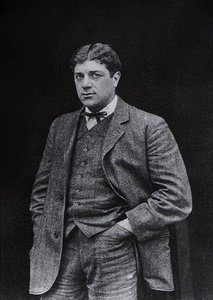
Жорж Брак
1882 - 1963 , Франція
Короткі факти
- Artistic Movement Or Style: Кубізм, Фуавр
- Artists Or Movements Influenced By This Artist:
- Пабло Пікассо
- Сучасне мистецтво
- Artists Who Influenced This Artist:
- Генрі Матіс
- Андре Дерен
- Поль Сезанн
- Date Of Birth: 13 травня 1882
- Date Of Death: 31 серпня 1963
- Full Name: Georges Braque
- Nationality: Француз
- Notable Artworks:
- Будинки в Л’Естаке
- Терпіння
- Віолончель і пензель
- Place Of Birth: Аржентел, Франція
Пов'язані статті
Cubism Unveiled: How Picasso and Braque Redefined Reality Through Geometric Abstraction
Explore the revolutionary world of Cubism. Discover how masters Pablo Picasso and Georges Braque dismantled reality through geometric abstraction to redefine modern art history.
Georges Braque: Pioneering Cubism & the Evolution of Modern Form
Explore the revolutionary art of Georges Braque, a pioneer of Cubism alongside Picasso. Discover his artistic evolution, key works, and lasting impact on modern art. A guide for discerning collectors.
Mastering Cubism: A Collector's Guide to the Revolutionary Vision of Georges Braque
Discover the profound legacy of Georges Braque. Our expert guide explores the evolution of Cubism, from Analytic deconstruction to Synthetic innovation, offering deep insights for discerning art collectors and connoisseurs of modern masterpieces.

25 шедеврів Жоржа Сера: Відкрийте світ точкового малярства | OriginalUniqueArt
Відкрийте світ Жоржа Сера! 25 культових картин імпресіонізму та пуантилізму. Історія мистецтва, унікальні техніки живопису та натхнення для декору вашого дому. Купуйте репродукції картин Сера високої якості на OriginalUniqueArt.com!

Топ-25 шедеврів Жоржа Брака: мистецтво кубізму для вашого дому | OriginalUniqueArt
Відкрийте для себе 25 найвідоміших шедеврів Жоржа Брака! Пориньте у світ кубізму, аналізуйте кольори та техніку легендарного французького художника. Репродукції картин Брак для вашого дому – на OriginalUniqueArt.com


