
 Переглянути в інтер'єрі
 Надіслати як листівку
 Поділитися
 Деталі витвору
 Посібник

 Завантажити
 Схожі екземпляри
 Рентгенівське дослідження
 Слайд-шоу
 Статистика
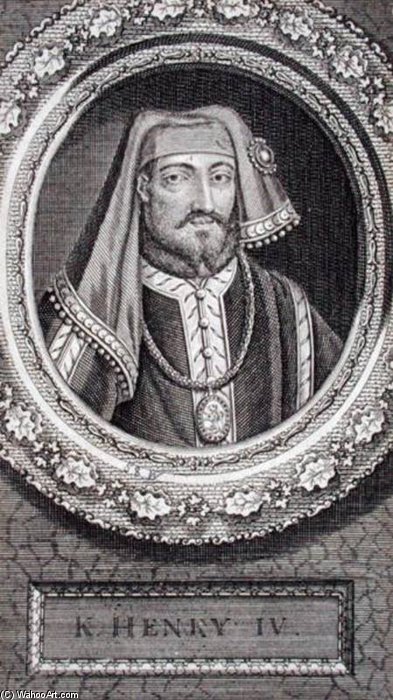
Henry Iv )

 Розгорнути текст
Гікле / Художній принт
Друк جيкле або на полотні музейної якості з оперативним виготовленням та різноманітними варіантами фінішної обробки. ( Замовити картину ручної роботи Перейти до цифрових зображень)




































Обирайте з наших стандартних розмірів, що відповідають оригінальним пропорціям твору мистецтва.

Введіть необхідну ширину та висоту, щоб принт ідеально підійшов до вашої рами або стіни. Принт можна лише обрізати, але не можна зробити більшим за оригінал, тому при зміні пропорцій частина зображення буде втрачена. Перед друком ми надсилаємо вам цифровий макет для затвердження. Зображення на цій сторінці не відображає реальну обрізку — її можна побачити лише на макеті.
Доставка по всьому світу () за 2 тижні замість стандартних 4/5 тижнів. (25 Жовтень)

Безкоштовна експрес-доставка по всьому світу

Високоякісне лляне полотно

Повне страхове покриття доставки

Гарантія повернення митних зборів

Гарантія точного відтворення кольорів

Політика повернення протягом 100 днів (лише у разі виявлення дефектів)

Гарантія повернення 100% коштів

Пропозиція на оптові замовлення
 Скляний варіант доступний лише для розмірів до 110 см

Henry Iv )
Гікле / Художній принт
Розмір репродукції
-


Підсумкова вартість
₴ 3591
Біографія митця
George Vertue: The Chronicler of British Art
George Vertue (1684 – 1756) stands as a singular figure in the annals of English engraving and antiquarian scholarship, an artist whose meticulous observations and painstaking reproductions cemented his place as a pivotal contributor to the burgeoning aesthetic sensibilities of the Enlightenment. More than merely a craftsman adept at transferring images from canvas to plate, Vertue was a historian, a collector, and a fervent advocate for preserving Britain’s artistic heritage—a role that profoundly shaped our understanding of the era's visual culture. Born in London amidst the Catholic fervor of his family, Vertue’s early life instilled within him a deep appreciation for detail and accuracy – qualities that would become hallmarks of his artistic practice and intellectual pursuits. His apprenticeship under Michael Vandergucht, a German engraver whose fortunes swiftly declined, provided invaluable experience in mastering the technical skills required to produce exceptional prints. However, it was his association with Godfrey Kneller’s Academy of Painting—where he collaborated closely with Thomas Gibson—that truly nurtured his artistic vision and fostered connections within London's intellectual elite. Gibson’s influence extended beyond mere instruction; Vertue absorbed Gibson’s stylistic sensibilities, particularly his masterful handling of chiaroscuro and his ability to convey psychological depth in portraiture. This careful study of Gibson’s technique would become a cornerstone of Vertue’s own artistic style—a style characterized by nuanced tonal gradations and an uncanny knack for capturing the essence of human emotion. Vertue’s passion for antiquarian research transcended his professional duties as an engraver. Driven by a desire to document the artistic achievements of Britain's past—particularly those predating the Elizabethan Renaissance—he embarked on a systematic endeavor to compile comprehensive notebooks filled with sketches, drawings, and detailed descriptions of artworks. These notebooks constitute an unparalleled resource for historians studying British art during Vertue’s lifetime, offering invaluable insights into stylistic trends, patronage networks, and artistic tastes. His membership in the Rose and Crown Club alongside luminaries like William Hogarth and Peter Tillmans underscores his position at the forefront of London's artistic discourse. Furthermore, expeditions undertaken with figures such as Edward Harley and Lord Coleraine yielded remarkable visual records of sites across England—a testament to Vertue’s dedication to firsthand observation and scholarly investigation. He meticulously documented Roman sculptures in Stowe House and explored medieval churches in Yorkshire, capturing their grandeur and beauty with unwavering precision. Vertue's contribution to British art history reached its zenith through his involvement in *Vetusta Monumenta*, a monumental project aimed at reconstructing Britain's artistic past. He undertook the daunting task of engraving numerous illustrations from classical texts and medieval manuscripts, ensuring their faithful reproduction for posterity. This ambitious undertaking demanded exceptional skill and patience—qualities Vertue possessed in abundance. The resulting prints served as invaluable visual aids for scholars studying antiquity and medieval art, establishing Vertue’s reputation as a champion of historical accuracy and artistic excellence. Following the death of Earl Harley, Vertue benefited from the patronage of Duchess Portland and Frederick, Prince of Wales—the latter commissioning portraits after Van Dyck and recognizing Vertue’s exceptional talent as an engraver. Notably, a portrait of Vertue himself was painted by Gibson in 1715, reflecting their collaborative relationship and Gibson's admiration for Vertue’s artistic prowess. His engraving of Gibson’s portrait stands as a poignant reminder of their shared intellectual curiosity and artistic sensibilities. George Vertue’s legacy extends far beyond his technical achievements; he is remembered primarily as a visionary who profoundly shaped the understanding of Britain’s artistic heritage during the Enlightenment. He played an instrumental role in fostering a new appreciation for classical art and scholarship—a contribution that continues to resonate today through *Vetusta Monumenta* and his enduring influence on subsequent generations of artists and historians. His meticulous notebooks remain a treasure trove of information, illuminating the artistic landscape of his time and securing his place among the most influential figures in documenting and disseminating knowledge about Britain’s artistic past.
Джордж Вертю
1684 - 1756 , Великобританія
Короткі факти
- Artistic Movement Or Style: Портретная гравюра
- Artists Or Movements Influenced By This Artist: ['Гораций Вальполльский']
- Artists Who Influenced This Artist:
- Михаэль Вандергюхт
- Томас Гибсон
- Date Of Birth: 1684
- Date Of Death: 1756
- Full Name: George Vertue
- Nationality: Английский
- Notable Artworks:
- Портрет Уильяма Крофта
- Портрет Джона Дженсона
- Place Of Birth: Лондон, Великобритания