

 Переглянути в інтер'єрі
 Надіслати
 Поділитися
 Деталі
 Посібник

 Завантажити
 Схожі предмети колекціонування
 Рентгенівське дослідження
 Слайд-шоу
 Статистика переглядів
The Lincolnshire Ox
 Acrylic
- WallArt
- Romantic Landscape Painting
 1790
1790 990.0 x 679.0 cm
 Walker Art Gallery
 Читати далі
Гікле / Художній принт
Музейна якість друку جيкле або на полотні з оперативним виготовленням та різноманітними варіантами фінішної обробки. ( Купити картину ручної роботи Перейти до цифрових зображень)




P118B $10

P118H $10

P118W $10

P438Z $10

P508JH $12

P508YH $12

P805H $10

P805Z $10

P919BZ $10

P919G $10

P919XJ $10

P959ZH $10

P968JZ $12

W106C $8

W218G $10

W218JH $8

W218Y $10

W307PJ $10

W316G $10

W316PJ $8

W316Y $10

W398PJ $8

W4111J $10

W500HY $15

W500JH $15

W692G $12

W849H $8

W940BG $15

W953PJ $8




Обирайте з наших стандартних розмірів, що відповідають оригінальним пропорціям твору мистецтва.

Ви можете вказати власні розміри, щоб репродукція ідеально підійшла до конкретної рами або інтер'єру. Якщо обраний вами розмір не відповідає пропорціям оригіналу, ми або обріжемо полотно, або розширимо зображення за допомогою дзеркального відображення чи суцільної заливки країв. Перед початком виробництва вам буде надіслано цифровий макет для затвердження.
Будь ласка, зверніть увагу, що попередній перегляд на екрані не відображає фактичне обрізання або розширення. Тільки макет точно покаже фінальну композицію.
Хоча можливість замовлення індивідуальних розмірів доступна, ми рекомендуємо обирати формат із попередньо визначеного списку, щоб зберегти оригінальні пропорції.
Доставка по всьому світу () за 2 тижні замість стандартних 4/5 тижнів. (27 Вересень)

Безкоштовна експрес-доставка по всьому світу

Високоякісне лляне полотно

Повне страхове покриття доставки

Гарантія повернення митних зборів

Гарантія точного відтворення кольорів

Політика повернення протягом 100 днів (лише у разі виявлення дефектів)

Гарантія повернення 100% коштів

Знижка на оптові замовлення
 Скляний варіант доступний лише для розмірів до 110 см

The Lincolnshire Ox
Гікле / Художній принт
Розмір репродукції
-


Загальна вартість
$ 80
A Monumental Portrait of Lincolnshire Livestock and Human Dignity
George Stubbs’s “The Lincolnshire Ox,” completed in 1790, transcends mere depiction; it embodies an ambitious exploration of anatomy, observation, and the intersection of rural life and scientific inquiry. This monumental canvas—measuring 990 x 679 cm—captures John Gibbons, a Lincolnshire farmer who achieved fame through his victory at a cock fight, alongside his extraordinary ox, a creature that defied conventional understanding of animal physiology during its time. Stubbs’s masterful rendering isn't simply about capturing the physical form; it’s an assertion of intellectual curiosity and a testament to the artist’s unwavering dedication to scientific accuracy.- Subject Matter: The painting centers on Gibbons himself, dressed in formal attire—a suit and hat—standing proudly beside his colossal ox. This juxtaposition immediately establishes a dialogue between human dignity and the raw power of nature. The inclusion of a champion cockerel perched atop branches underscores Stubbs’s fascination with animal behavior and reinforces the narrative of triumph and spectacle.
- Style & Technique: Stubbs employed a revolutionary approach to painting, prioritizing anatomical precision over idealized representation. He undertook extensive dissections of horses—a daring undertaking for his era—to meticulously study muscle structure and skeletal articulation. This dedication is palpable in “The Lincolnshire Ox,” where Stubbs painstakingly recreates the ox’s musculature with astonishing realism. The artist utilized oil paint on canvas, applying thick impasto strokes to convey texture and volume, particularly evident in the ox's hide.
Historical Context: Scientific Observation Meets Rural Tradition
The painting emerged during a period of burgeoning scientific interest in anatomy and natural history. Stubbs’s work aligns with the Enlightenment’s emphasis on empirical observation and rational inquiry—a stark contrast to the prevailing artistic conventions of the time, which favored mythological narratives and idealized portraits. Gibbons's ox wasn’t merely livestock; it represented a symbol of Lincolnshire’s agricultural prowess and was celebrated as an unparalleled specimen. The exhibition of the ox in London served as a focal point for showcasing scientific advancements alongside rural achievements.- Symbolism: Beyond its anatomical accuracy, “The Lincolnshire Ox” carries symbolic weight. The ox embodies strength, resilience, and fertility—qualities deeply rooted in Lincolnshire’s agricultural heritage. Furthermore, Gibbons's posture exudes confidence and accomplishment, reflecting the farmer’s success in securing this remarkable animal. The cockerel symbolizes victory and heralds a new era of scientific understanding.
Emotional Impact & Artistic Legacy
Stubbs’s “The Lincolnshire Ox” commands attention not only through its scale but also through its profound emotional resonance. The painting evokes awe at the grandeur of nature and admiration for human intellect—a harmonious blend that speaks to the enduring fascination with both animal anatomy and rural landscapes. Stubbs's pioneering technique continues to inspire artists today, demonstrating the transformative power of meticulous observation and unwavering commitment to artistic excellence. It stands as a cornerstone of British art history, securing its place as an unforgettable masterpiece.Біографія митця
Early Life and Training
George Stubbs (1724–1806), a celebrated English painter, was born on August 25, 1724, in Liverpool, United Kingdom. His early life remained largely undocumented until the age of 35, with most information gleaned from Ozias Humphrey’s memoirs, based on conversations with Stubbs himself in 1794. Stubbs embarked upon his artistic journey at the tender age of fifteen, initially apprenticed to his father, a currier or leather-dresser—a craft deeply rooted in the traditions of Lancashire.
He subsequently sought guidance from Hamlet Winstanley, another prominent painter and engraver residing in Lancaster. This brief apprenticeship provided him with invaluable exposure to the artistic collections housed at Knowsley Hall, fostering his burgeoning fascination for anatomical studies and shaping his future artistic vision.
Artistic Development and Notable Works
Stubbs’s unwavering dedication to anatomy propelled him to York in 1744, where he enrolled under the tutelage of surgeon Charles Atkinson at York County Hospital. This formative experience solidified his understanding of human musculature and skeletal structure—knowledge that would prove instrumental in his groundbreaking artistic endeavors.
One of Stubbs’s earliest surviving achievements was a set of illustrations commissioned for John Burton's textbook on midwifery, published in 1751. These meticulous depictions showcased his burgeoning skill in capturing precise anatomical details, demonstrating an early commitment to scientific accuracy alongside artistic expression.
Recognizing the transformative potential of dissection, Stubbs undertook a monumental undertaking: spending eighteen months meticulously dissecting horses—a practice considered controversial at the time—assisted by his wife, Mary Spencer. This ambitious project culminated in the publication of *Anatomy of the Horse* in 1766, featuring original drawings now residing within the Royal Academy’s collection—a testament to Stubbs's pioneering spirit and unwavering pursuit of artistic excellence.
Soon after, Stubbs attracted the patronage of influential aristocratic figures, notably the Third Duke of Richmond, who entrusted him with three monumental paintings in 1759. This commission marked a pivotal moment in Stubbs’s career, establishing him as a leading artist of his era and securing commissions from numerous dukes and lords throughout England.
Ultimately, Stubbs purchased a grand house in Marylebone, London—a symbol of his success and recognition—further cementing his legacy as one of the most significant painters of the eighteenth century.
Legacy and Notable Paintings
Stubbs’s magnum opus, *Whistlejacket*, commissioned by the Second Marquess of Rockingham, stands apart from its contemporaries. Unlike many artists of his time who favored serene landscapes or idealized portraits, Stubbs deliberately opted for a starkly minimalist background—a bold stylistic choice that underscored the central subject: a thoroughbred racehorse elevating its hind legs in an unprecedented display of movement and dynamism.
This painting exemplifies Stubbs’s unparalleled ability to convey not merely visual representation but also emotional resonance. It captures the raw energy and primal instinct of the animal kingdom, reflecting the burgeoning Romantic sensibility that characterized the period.
Alongside *Whistlejacket*, Stubbs produced a series of captivating paintings depicting a lion attacking a horse—a dramatic confrontation rendered with breathtaking realism and psychological depth. These works are considered among the earliest examples of Romantic art, demonstrating Stubbs’s profound influence on subsequent generations of artists.
Concluding Remarks
George Stubbs's contribution to British art is undeniable. His meticulous anatomical studies combined with his masterful depictions of animals—particularly horses—established him as a visionary artist who challenged conventions and elevated the genre of animal portraiture to new heights. His legacy continues to inspire awe and admiration, ensuring that Stubbs’s remarkable oeuvre remains accessible to scholars and enthusiasts alike.
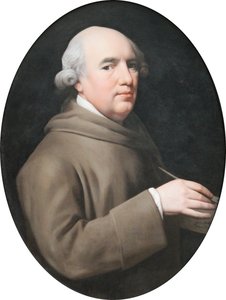
Джордж Стббс
1724 - 1806 , Великобританія
Довідкова інформація
- Artistic Movement Or Style: Романтизм
- Artists Or Movements Influenced By This Artist: ['Джошуа Рейнс']
- Artists Who Influenced This Artist: ['Хамлет Винстанейл']
- Date Of Birth: Август 25, 1724
- Date Of Death: Липень 10, 1806
- Full Name: George Stubbs
- Nationality: Британський
- Notable Artworks:
- Зустріч Левів з Конями
- Мисливець на оленів із двома спаннілями
- Place Of Birth: Лондон, Великобританія
Схожі статті

The Enduring Form: Sculpture Across History, Technique & Emotional Resonance
Explore the rich history of sculpture with OriginalUniqueArt. Discover key techniques, influential artists & investment potential for discerning collectors. Expert insights into valuing and collecting timeless masterpieces.

The Enduring Form: Exploring Themes & Techniques in Sculpture Across Historical Periods
Explore the rich history of sculpture from ancient masterpieces to contemporary innovations. Discover key techniques, influential artists & investment potential for discerning art collectors.
Тварини у мистецтві: оживляючи простір та символізм української культури
Дослідіть символізм тварин в українському мистецтві! Від народних оберегів до сучасних інтерпретацій – розкрийте глибину культурної спадщини та вплив образів на простір.

10 легендарних бронзових скульптур, що змінили мистецтво | OriginalUniqueArt
Відкрийте 10 легендарних бронзових скульптур, що змінили хід мистецтва! Дізнайтесь історії Мікеланджело, Родена та інших геніїв. Репродукції картин преміум-класу для вашого дому – на OriginalUniqueArt.com

10 Легендарних Бронзових Шедеврів, Які Змінили Мистецтво | OriginalUniqueArt
Відкрийте для себе 10 легендарних бронзових шедеврів, що змінили мистецтво! Історія створення, художні техніки та вплив скульпторів Ренесансу й Античності. Купуйте репродукції картин на OriginalUniqueArt.com – музейна якість для вашого дому.


