
 Переглянути в інтер'єрі
 Надіслати як листівку
 Поділитися
 Деталі витвору
 Посібник

 Завантажити
 Схожі екземпляри
 Рентгенівське дослідження
 Слайд-шоу
 Питання та відповіді
 Статистика
Lord Grosvenor

- 99.0 x 83.0 cm


 Розгорнути текст
Гікле / Художній принт
Друк جيкле або на полотні музейної якості з оперативним виготовленням та різноманітними варіантами фінішної обробки. ( Замовити картину ручної роботи Перейти до цифрових зображень)




P118B ₴10

P118H ₴10

P118W ₴10

P438Z ₴10

P508JH ₴12

P508YH ₴12

P805H ₴10

P805Z ₴10

P919BZ ₴10

P919G ₴10

P919XJ ₴10

P959ZH ₴10

P968JZ ₴12

W106C ₴8

W218G ₴10

W218JH ₴8

W218Y ₴10

W307PJ ₴10

W316G ₴10

W316PJ ₴8

W316Y ₴10

W398PJ ₴8

W4111J ₴10

W500HY ₴15

W500JH ₴15

W692G ₴12

W849H ₴8

W940BG ₴15

W953PJ ₴8




Обирайте з наших стандартних розмірів, що відповідають оригінальним пропорціям твору мистецтва.

Введіть необхідну ширину та висоту, щоб принт ідеально підійшов до вашої рами або стіни. Принт можна лише обрізати, але не можна зробити більшим за оригінал, тому при зміні пропорцій частина зображення буде втрачена. Перед друком ми надсилаємо вам цифровий макет для затвердження. Зображення на цій сторінці не відображає реальну обрізку — її можна побачити лише на макеті.
Доставка по всьому світу () за 2 тижні замість стандартних 4/5 тижнів. (7 Листопад)

Безкоштовна експрес-доставка по всьому світу

Високоякісне лляне полотно

Повне страхове покриття доставки

Гарантія повернення митних зборів

Гарантія точного відтворення кольорів

Політика повернення протягом 100 днів (лише у разі виявлення дефектів)

Гарантія повернення 100% коштів

Пропозиція на оптові замовлення
 Скляний варіант доступний лише для розмірів до 110 см

Lord Grosvenor
Гікле / Художній принт
Розмір репродукції
-


Підсумкова вартість
₴ 3637
The Equestrian Vision of George Stubbs
George Stubbs' "Lord Grosvenor’s Arabian Stallion with a Groom," painted in 1765, isn’t merely a portrait; it’s a meticulously crafted tableau vivant—a snapshot of aristocratic leisure and the profound connection between man and beast. Stubbs, already recognized as the foremost painter of horses of his era, transcends simple representation, instead offering a deeply considered study of anatomy, movement, and psychological nuance. This work exemplifies his pioneering approach to animal painting, firmly rooted in scientific observation yet imbued with a distinctly Romantic sensibility.
The scene unfolds within a softly rendered English landscape—rolling hills bathed in the golden light of late afternoon. The composition is dominated by the magnificent Arabian stallion, poised and alert, its muscular form captured with astonishing accuracy. Stubbs’s anatomical knowledge, honed through years of dissecting horses (a practice considered radical at the time), is immediately apparent in the precise rendering of every muscle, tendon, and bone. Yet, this isn't a cold, clinical study; the horse radiates vitality, its ears pricked forward, nostrils flared, conveying an intense awareness of its surroundings.
A Masterclass in Technique – Light, Shadow, and Sabino Markings
Stubbs’s mastery lies not just in his anatomical precision but also in his masterful manipulation of light and shadow. He employs a low horizon line, drawing the viewer's eye upwards to the horse, emphasizing its imposing presence against the backdrop of the landscape. The warm tones of the chestnut stallion—rich browns, golds, and russets—are contrasted with the cooler greens and blues of the foliage, creating a dynamic interplay of color that adds depth and realism to the scene. Notably, Stubbs meticulously portrays the horse’s unique genetic Sabino markings – the broad blaze running down its forehead, the striking white stockings, and the delicate white spots adorning its belly and sides—demonstrating an almost obsessive attention to detail.
The groom, a figure of quiet dignity, stands in stark contrast to the stallion’s spirited energy. Dressed in a dark suit, he exudes a reassuring presence, his posture suggesting years of experience and a deep understanding of horses. This juxtaposition—the youthful exuberance of the horse and the seasoned calm of its handler—adds another layer of complexity to the composition, hinting at the symbiotic relationship between man and animal.
Historical Context & Romantic Ideals
Painted during the mid-18th century, “Lord Grosvenor’s Arabian Stallion with a Groom” reflects the prevailing artistic trends of the time. Stubbs' work aligns with the burgeoning Romantic movement, which emphasized emotion, individualism, and the sublime beauty of nature. Unlike the rigid formality of Neoclassical art, Stubbs’s painting embraces a more naturalistic approach, capturing the essence of the subject rather than adhering to idealized forms. The inclusion of the landscape—a carefully constructed vista that evokes a sense of tranquility and grandeur—further reinforces this Romantic sensibility.
The portrait itself was commissioned for Richard Grosvenor, 7th Baronet, and 1st Earl Grosvenor, a prominent figure in English society. Such commissions were not merely about depicting a horse; they represented a celebration of aristocratic status, wealth, and the connection to the land. The painting served as a visual testament to the family’s equestrian pursuits and their appreciation for fine horses.
A Timeless Appeal – Reproduction & Beyond
“Lord Grosvenor’s Arabian Stallion with a Groom” remains a captivating work of art, admired for its technical brilliance, emotional depth, and historical significance. Reproductions offer an accessible way to experience the beauty and artistry of this iconic painting, bringing its timeless appeal into any home or office space. When selecting a reproduction, consider the quality of materials and the artist’s interpretation – ensuring that it faithfully captures Stubbs' original vision while maintaining a high level of detail and vibrancy.
Питання та відповіді
Чи є "Lord Grosvenor" типовим для звичного стилю Джордж Стббс?
Повторювані теми Джордж Стббс включають classical anatomy, romantic style, aristocratic patronage, equestrian art, animal studies, scientific accuracy, british landscape, rural life; «Lord Grosvenor» зосереджується на horse, equestrian, portraiture, groom, landscape, sabino, anatomy, 18th century.
Звідки приходять відвідувачі «Lord Grosvenor» роботи Джордж Стббс?
Для «Lord Grosvenor» існує сторінка Статистика переглядів, на якій відображено щомісячну кількість переглядів цього твору та інших робіт митця з розподілом за країнами та мовами.
У якому році та до якого напряму належить твір "Lord Grosvenor"?
«Lord Grosvenor» було створено у 1765 як твір у стилі Romanticism. Дата створення та художній напрям визначають місце цього твору в історії мистецтва.
Біографія митця
Early Life and Training
George Stubbs (1724–1806), a celebrated English painter, was born on August 25, 1724, in Liverpool, United Kingdom. His early life remained largely undocumented until the age of 35, with most information gleaned from Ozias Humphrey’s memoirs, based on conversations with Stubbs himself in 1794. Stubbs embarked upon his artistic journey at the tender age of fifteen, initially apprenticed to his father, a currier or leather-dresser—a craft deeply rooted in the traditions of Lancashire.
He subsequently sought guidance from Hamlet Winstanley, another prominent painter and engraver residing in Lancaster. This brief apprenticeship provided him with invaluable exposure to the artistic collections housed at Knowsley Hall, fostering his burgeoning fascination for anatomical studies and shaping his future artistic vision.
Artistic Development and Notable Works
Stubbs’s unwavering dedication to anatomy propelled him to York in 1744, where he enrolled under the tutelage of surgeon Charles Atkinson at York County Hospital. This formative experience solidified his understanding of human musculature and skeletal structure—knowledge that would prove instrumental in his groundbreaking artistic endeavors.
One of Stubbs’s earliest surviving achievements was a set of illustrations commissioned for John Burton's textbook on midwifery, published in 1751. These meticulous depictions showcased his burgeoning skill in capturing precise anatomical details, demonstrating an early commitment to scientific accuracy alongside artistic expression.
Recognizing the transformative potential of dissection, Stubbs undertook a monumental undertaking: spending eighteen months meticulously dissecting horses—a practice considered controversial at the time—assisted by his wife, Mary Spencer. This ambitious project culminated in the publication of *Anatomy of the Horse* in 1766, featuring original drawings now residing within the Royal Academy’s collection—a testament to Stubbs's pioneering spirit and unwavering pursuit of artistic excellence.
Soon after, Stubbs attracted the patronage of influential aristocratic figures, notably the Third Duke of Richmond, who entrusted him with three monumental paintings in 1759. This commission marked a pivotal moment in Stubbs’s career, establishing him as a leading artist of his era and securing commissions from numerous dukes and lords throughout England.
Ultimately, Stubbs purchased a grand house in Marylebone, London—a symbol of his success and recognition—further cementing his legacy as one of the most significant painters of the eighteenth century.
Legacy and Notable Paintings
Stubbs’s magnum opus, *Whistlejacket*, commissioned by the Second Marquess of Rockingham, stands apart from its contemporaries. Unlike many artists of his time who favored serene landscapes or idealized portraits, Stubbs deliberately opted for a starkly minimalist background—a bold stylistic choice that underscored the central subject: a thoroughbred racehorse elevating its hind legs in an unprecedented display of movement and dynamism.
This painting exemplifies Stubbs’s unparalleled ability to convey not merely visual representation but also emotional resonance. It captures the raw energy and primal instinct of the animal kingdom, reflecting the burgeoning Romantic sensibility that characterized the period.
Alongside *Whistlejacket*, Stubbs produced a series of captivating paintings depicting a lion attacking a horse—a dramatic confrontation rendered with breathtaking realism and psychological depth. These works are considered among the earliest examples of Romantic art, demonstrating Stubbs’s profound influence on subsequent generations of artists.
Concluding Remarks
George Stubbs's contribution to British art is undeniable. His meticulous anatomical studies combined with his masterful depictions of animals—particularly horses—established him as a visionary artist who challenged conventions and elevated the genre of animal portraiture to new heights. His legacy continues to inspire awe and admiration, ensuring that Stubbs’s remarkable oeuvre remains accessible to scholars and enthusiasts alike.
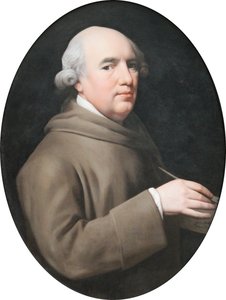
Джордж Стббс
1724 - 1806 , Великобританія
Короткі факти
- Artistic Movement Or Style: Романтизм
- Artists Or Movements Influenced By This Artist: ['Джошуа Рейнс']
- Artists Who Influenced This Artist: ['Хамлет Винстанейл']
- Date Of Birth: Август 25, 1724
- Date Of Death: Липень 10, 1806
- Full Name: George Stubbs
- Nationality: Британський
- Notable Artworks:
- Зустріч Левів з Конями
- Мисливець на оленів із двома спаннілями
- Place Of Birth: Лондон, Великобританія
Пов'язані статті

25 шедеврів Жоржа Сера: Відкрийте світ точкового малярства | OriginalUniqueArt
Відкрийте світ Жоржа Сера! 25 культових картин імпресіонізму та пуантилізму. Історія мистецтва, унікальні техніки живопису та натхнення для декору вашого дому. Купуйте репродукції картин Сера високої якості на OriginalUniqueArt.com!

Топ-25 шедеврів Жоржа Брака: мистецтво кубізму для вашого дому | OriginalUniqueArt
Відкрийте для себе 25 найвідоміших шедеврів Жоржа Брака! Пориньте у світ кубізму, аналізуйте кольори та техніку легендарного французького художника. Репродукції картин Брак для вашого дому – на OriginalUniqueArt.com
George Stubbs: Anatomical Precision & Romantic Vision in 18th-Century British Art
Explore the captivating world of George Stubbs, the 18th-century master renowned for his anatomical precision & Romantic animal paintings. Discover his legacy and investment potential.

The Equine Muse: A Historical & Artistic Exploration of Horses in Painting
Explore the captivating history of horses in painting! Discover Renaissance masterpieces, Baroque grandeur & expert insights for collecting equestrian art. Learn about symbolism, techniques & lasting value with OriginalUniqueArt.
The Noble Steed: A Historical and Artistic Exploration of Horses in Fine Art
Explore the rich history of horses in fine art! From ancient depictions to Renaissance masterpieces & beyond, discover iconic artworks and artists. Learn about symbolism, techniques, and find museum-quality reproductions at OriginalUniqueArt.


