

 Переглянути в інтер'єрі
 Надіслати
 Поділитися
 Деталі
 Посібник

 Завантажити
 Схожі предмети колекціонування
 Рентгенівське дослідження
 Слайд-шоу
 Статистика переглядів
Lion Attacking a Horse


 Читати далі
Придбайте цифрову копію високої роздільної здатності з покращеною якістю, що значно перевершує онлайн-перегляд.
Кожен файл ретельно підготовлений нашими фахівцями за допомогою сучасних інструментів та професійної ручної ретуші. Ми гарантуємо виняткову чіткість, точну передачу кольору та високу деталізацію кожного зображення.
Фінальний файл надсилається електронною поштою протягом 72 годин і оптимізований для негайного використання у професійних виданнях та друкованих матеріалах. Таку якість обирають провідні дизайнерські студії, видавництва та галереї.
Цифрове зображення
Завантажте файл високої роздільної здатності для особистого використання, друку та творчих проєктів. ( Перейти до друку Купити картину ручної роботи)
Що входить у кожне замовлення цифрових зображень
Експертна цифрова доставка з гарантією якості
Обираючи OriginalUniqueArt.com, ви отримуєте не просто зображення — ви отримуєте професійно вдосконалений цифровий витвір мистецтва, створений з надзвичайною точністю та підкріплений гарантією задоволення. Ось усе, що автоматично додається до вашого замовлення:

Швидка доставка на email
Ваш цифровий файл із зображенням високої роздільної здатності буде надісланий вам електронною поштою протягом 72 годин після оформлення замовлення — він буде готовий до негайного використання.

Цифровий файл із покращенням ШІ
Ваш витвір мистецтва професійно оптимізовано за допомогою передових інструментів штучного інтелекту та ручної корекції, що забезпечує максимальну деталізацію, чіткість і точність передачі кольорів.

Безкоштовне повторне завантаження назавжди
Випадково видалили або втратили файл? Не хвилюйтеся — ми надішлемо його вам повторно в будь-який час безкоштовно.

Без митних зборів — завжди
Насолоджуйтесь вашим витвором мистецтва миттєво без жодних мит, зборів або плати за доставку — цифрові завантаження завжди не оподатковуються.

Гарантія точності кольорів
Ми гарантуємо максимально точне відтворення оригінальних кольорів на вашому цифровому зображенні завдяки використанню професійних інструментів та систем управління кольором.

100-денна гарантія задоволення клієнта
Якщо ви не задоволені придбаним цифровим зображенням, ми внесемо правки або повернемо 100% вартості протягом 100 днів — без зайвих запитань.

Гарантія повернення 100% коштів
Незадоволені покупкою? Отримайте повне повернення коштів протягом 100 днів після отримання цифрового файлу — без зайвих запитань.

Знижки на оптові замовлення
Купуйте 3 зображення — заощаджуйте 10% — Купуйте 5 — заощаджуйте 15% — Купуйте 10+ — заощаджуйте 20%. Чудово підходить для творчих проєктів, галерей та агентств.
The Physical Encounter
In this oil on canvas painting from 1762, a lion and a horse are locked in a physical struggle. The horse is positioned on the left side of the frame with its head lowered toward the ground. A lion sits atop the equine's back, sinking its claws into the animal's skin and biting into the neck area. The musculature of both animals is rendered with anatomical precision, showing the tension in the horse's flanks and the weight of the predator's limbs. In the background, a landscape unfolds featuring rocky terrain, a shore, and various trees including stunted oaks and palms. A dog stands to the right of the horse in the distance. The lighting creates deep shadows across the scene, highlighting the texture of the lion's mane and the sheen of sweat on the horse's coat.
Anatomical Detail and Movement
The technique relies on a meticulous study of biological form. Every ripple of muscle and every tensed tendon is visible under the brushwork. This level of detail stems from an intensive period of anatomical dissection conducted by the artist. The composition captures specific points of motion, such as the horse's unsteady back leg and the flailing hair of its mane. The lion's posture shows the muscular effort required to maintain its position on the moving prey. Through the use of light and shadow, the textures of bone, fur, and skin are differentiated clearly. This approach connects the scientific observation of the Enlightenment with the emerging themes of the Romantic movement.
Historical and Symbolic Context
This work belongs to a series of seventeen paintings produced by George Stubbs that explore the theme of a horse being attacked by a lion. The imagery draws from classical traditions, specifically inspired by ancient Roman marble sculptures. While the subject involves wild animals, it was commissioned by the 2nd Marquess of Rockingham for his London residence. The encounter between the predator and the prey can be viewed as an allegory of civilization encountering barbarism or the struggle between ferocity and beauty. The painting sits within a period where artists began to use large-scale animal subjects to address the concept of the sublime, a state of being moved by terror and awe when observing uncontrollable natural forces from a distance.
Запитання та відповіді
Чи належить «Lion Attacking a Horse» Джордж Стббс до найбільш затребуваних творів Romanticism?
«Lion Attacking a Horse» Джордж Стббс класифікується як Iconic і належить до течії Romanticism.
Який основний відтінок пронизує «Lion Attacking a Horse» Джордж Стббс?
«Lion Attacking a Horse» має відтінок, що схиляється до Ochre to Sepia.
Чи є твір "Lion Attacking a Horse" суспільним надбанням?
Щодо авторського права, «Lion Attacking a Horse» є є суспільним надбанням — термін дії авторського права закінчився.
Біографія митця
Early Life and Training
George Stubbs (1724–1806), a celebrated English painter, was born on August 25, 1724, in Liverpool, United Kingdom. His early life remained largely undocumented until the age of 35, with most information gleaned from Ozias Humphrey’s memoirs, based on conversations with Stubbs himself in 1794. Stubbs embarked upon his artistic journey at the tender age of fifteen, initially apprenticed to his father, a currier or leather-dresser—a craft deeply rooted in the traditions of Lancashire.
He subsequently sought guidance from Hamlet Winstanley, another prominent painter and engraver residing in Lancaster. This brief apprenticeship provided him with invaluable exposure to the artistic collections housed at Knowsley Hall, fostering his burgeoning fascination for anatomical studies and shaping his future artistic vision.
Artistic Development and Notable Works
Stubbs’s unwavering dedication to anatomy propelled him to York in 1744, where he enrolled under the tutelage of surgeon Charles Atkinson at York County Hospital. This formative experience solidified his understanding of human musculature and skeletal structure—knowledge that would prove instrumental in his groundbreaking artistic endeavors.
One of Stubbs’s earliest surviving achievements was a set of illustrations commissioned for John Burton's textbook on midwifery, published in 1751. These meticulous depictions showcased his burgeoning skill in capturing precise anatomical details, demonstrating an early commitment to scientific accuracy alongside artistic expression.
Recognizing the transformative potential of dissection, Stubbs undertook a monumental undertaking: spending eighteen months meticulously dissecting horses—a practice considered controversial at the time—assisted by his wife, Mary Spencer. This ambitious project culminated in the publication of *Anatomy of the Horse* in 1766, featuring original drawings now residing within the Royal Academy’s collection—a testament to Stubbs's pioneering spirit and unwavering pursuit of artistic excellence.
Soon after, Stubbs attracted the patronage of influential aristocratic figures, notably the Third Duke of Richmond, who entrusted him with three monumental paintings in 1759. This commission marked a pivotal moment in Stubbs’s career, establishing him as a leading artist of his era and securing commissions from numerous dukes and lords throughout England.
Ultimately, Stubbs purchased a grand house in Marylebone, London—a symbol of his success and recognition—further cementing his legacy as one of the most significant painters of the eighteenth century.
Legacy and Notable Paintings
Stubbs’s magnum opus, *Whistlejacket*, commissioned by the Second Marquess of Rockingham, stands apart from its contemporaries. Unlike many artists of his time who favored serene landscapes or idealized portraits, Stubbs deliberately opted for a starkly minimalist background—a bold stylistic choice that underscored the central subject: a thoroughbred racehorse elevating its hind legs in an unprecedented display of movement and dynamism.
This painting exemplifies Stubbs’s unparalleled ability to convey not merely visual representation but also emotional resonance. It captures the raw energy and primal instinct of the animal kingdom, reflecting the burgeoning Romantic sensibility that characterized the period.
Alongside *Whistlejacket*, Stubbs produced a series of captivating paintings depicting a lion attacking a horse—a dramatic confrontation rendered with breathtaking realism and psychological depth. These works are considered among the earliest examples of Romantic art, demonstrating Stubbs’s profound influence on subsequent generations of artists.
Concluding Remarks
George Stubbs's contribution to British art is undeniable. His meticulous anatomical studies combined with his masterful depictions of animals—particularly horses—established him as a visionary artist who challenged conventions and elevated the genre of animal portraiture to new heights. His legacy continues to inspire awe and admiration, ensuring that Stubbs’s remarkable oeuvre remains accessible to scholars and enthusiasts alike.
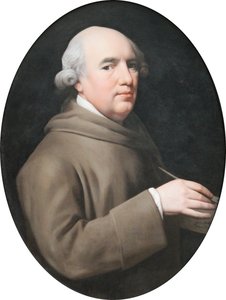
Джордж Стббс
1724 - 1806 , Великобританія
Коротко про автора
- Artistic Movement Or Style: Романтизм
- Artists Or Movements Influenced By This Artist: ['Джошуа Рейнс']
- Artists Who Influenced This Artist: ['Хамлет Винстанейл']
- Date Of Birth: Август 25, 1724
- Date Of Death: Липень 10, 1806
- Full Name: George Stubbs
- Nationality: Британський
- Notable Artworks:
- Зустріч Левів з Конями
- Мисливець на оленів із двома спаннілями
- Place Of Birth: Лондон, Великобританія