

 Переглянути в інтер'єрі
 Надіслати
 Поділитися
 Деталі
 Посібник

 Завантажити
 Схожі предмети колекціонування
 Рентгенівське дослідження
 Слайд-шоу
 Статистика переглядів
James Stanley
 Oil On Canvas
- WallArt
- Romanticism
 1755
1755- Early Modern
 625.0 x 750.0 cm
 Walker Art Gallery
 Читати далі
Придбайте цифрову копію високої роздільної здатності з покращеною якістю, що значно перевершує онлайн-перегляд.
Кожен файл ретельно підготовлений нашими фахівцями за допомогою сучасних інструментів та професійної ручної ретуші. Ми гарантуємо виняткову чіткість, точну передачу кольору та високу деталізацію кожного зображення.
Фінальний файл надсилається електронною поштою протягом 72 годин і оптимізований для негайного використання у професійних виданнях та друкованих матеріалах. Таку якість обирають провідні дизайнерські студії, видавництва та галереї.
Цифрове зображення
Завантажте файл високої роздільної здатності для особистого використання, друку та творчих проєктів. ( Перейти до друку Купити картину ручної роботи)
Що входить у кожне замовлення цифрових зображень
Експертна цифрова доставка з гарантією якості
Обираючи OriginalUniqueArt.com, ви отримуєте не просто зображення — ви отримуєте професійно вдосконалений цифровий витвір мистецтва, створений з надзвичайною точністю та підкріплений гарантією задоволення. Ось усе, що автоматично додається до вашого замовлення:

Швидка доставка на email
Ваш цифровий файл із зображенням високої роздільної здатності буде надісланий вам електронною поштою протягом 72 годин після оформлення замовлення — він буде готовий до негайного використання.

Цифровий файл із покращенням ШІ
Ваш витвір мистецтва професійно оптимізовано за допомогою передових інструментів штучного інтелекту та ручної корекції, що забезпечує максимальну деталізацію, чіткість і точність передачі кольорів.

Безкоштовне повторне завантаження назавжди
Випадково видалили або втратили файл? Не хвилюйтеся — ми надішлемо його вам повторно в будь-який час безкоштовно.

Без митних зборів — завжди
Насолоджуйтесь вашим витвором мистецтва миттєво без жодних мит, зборів або плати за доставку — цифрові завантаження завжди не оподатковуються.

Гарантія точності кольорів
Ми гарантуємо максимально точне відтворення оригінальних кольорів на вашому цифровому зображенні завдяки використанню професійних інструментів та систем управління кольором.

100-денна гарантія задоволення клієнта
Якщо ви не задоволені придбаним цифровим зображенням, ми внесемо правки або повернемо 100% вартості протягом 100 днів — без зайвих запитань.

Гарантія повернення 100% коштів
Незадоволені покупкою? Отримайте повне повернення коштів протягом 100 днів після отримання цифрового файлу — без зайвих запитань.

Знижки на оптові замовлення
Купуйте 3 зображення — заощаджуйте 10% — Купуйте 5 — заощаджуйте 15% — Купуйте 10+ — заощаджуйте 20%. Чудово підходить для творчих проєктів, галерей та агентств.
A Glimpse into Georgian Elegance
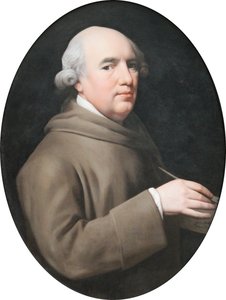
In the quiet, dignified presence of George Stubbs’s 1755 portrait, James Stanley, we encounter more than just a likeness; we step into the very heart of the Enlightenment. Before he became the preeminent master of equine anatomy, known for capturing the raw power of horses with scientific precision, Stubbs demonstrated a profound command over the human form. This early work serves as a captivating window into the social fabric of 18th-century Britain, presenting a gentleman whose identity remains shrouded in the mists of time, yet whose character radiates through the canvas. The sitter, identified only by an inscription noting his name and age of thirty-three, stands against a subtly textured, dark background that acts as a stage, stripping away all worldly distractions to focus the viewer’s entire attention upon the man himself.
The composition is masterfully understated, eschewing the grandiosity often found in aristocratic portraiture of the era in favor of a quiet, introspective intimacy. There is an immediate rapport established as Stanley’s gaze meets ours, inviting a moment of shared contemplation. This sense of connection is heightened by the artist's ability to balance formal dignity with a palpable human warmth. For the collector or interior designer, such a piece offers a sophisticated anchor for a room, providing a focal point that commands respect while maintaining an air of approachable grace.
The Intersection of Science and Artistry
What distinguishes this portrait is Stubbs’s unique ability to marry meticulous anatomical accuracy with a burgeoning impressionistic sensibility. While his later works would be celebrated for their rigorous study of musculature and bone structure, in James Stanley, we see the seeds of this scientific devotion applied to the human countenance. Every detail, from the subtle contours of the face to the texture of his attire, is rendered with a dedication to truth that was radical for its time. He avoids the trap of idealized beauty, choosing instead to honor the authentic features of his subject, a choice that lends the painting an enduring, timeless quality.
Technically, the work is a triumph of tonal variation. Stubbs employs a sophisticated play of light and shadow—chiaroscuro—to sculpt the figure out of the darkness. The edges of the subject are not harshly defined; rather, they softly bleed into the atmospheric background, creating a sense of depth and movement that prevents the portrait from feeling static. This technique anticipates the more fluid styles of later centuries, making the piece feel remarkably modern despite its mid-18th-century origins. The rich textures suggested by his clothing—the weight of the fabric and the glint of gold buttons—provide a tactile richness that makes the painting feel alive under varying light conditions.
An Enduring Legacy for the Discerning Eye
To possess a reproduction of this caliber is to bring a piece of British art history into one's personal sanctuary. James Stanley is not merely a decorative object; it is a conversation starter, a testament to an era where the pursuit of knowledge and the appreciation of beauty were inextricably linked. The painting evokes a sense of nostalgia for the Georgian age—a period of intellectual curiosity and refined elegance. Its somber palette and commanding presence make it an ideal choice for curated galleries, traditional studies, or contemporary spaces seeking a touch of historical gravity.
For those looking to inspire awe and reflection within a home or professional design project, this work offers unparalleled emotional resonance. It embodies the spirit of a pioneer—an artist who dared to look closer at the world around him. Whether viewed as a study in light, a masterclass in portraiture, or a relic of a bygone social landscape, Stubbs’s James Stanley remains a profound achievement that continues to captivate the soul of the art lover.
Запитання та відповіді
У якому віці Джордж Стббс створив(ла) "James Stanley"?
Джордж Стббс було 31 років, коли він створив «James Stanley» у 1755 році. Вік обчислено на основі року народження митця, 1724.
Яка дата створення «James Stanley» Джордж Стббс?
«James Stanley» Джордж Стббс було створено у 1755 році.
Яка яскравість твору «James Stanley» Джордж Стббс?
Кольори твору "James Stanley" мають рівень яскравості Dark.
Хто створив "James Stanley"?
Автором твору «James Stanley» є Джордж Стббс. Робота внесена до каталогу під іменем Джордж Стббс.
Чи є твір "James Stanley" суспільним надбанням?
Щодо авторського права, «James Stanley» є є суспільним надбанням — термін дії авторського права закінчився.
У якому музеї зберігається оригінал «James Stanley»?
«James Stanley» Джордж Стббс експонується в Walker Art Gallery, Ліверпуль, Сполучене Королівство. У переліку музею йдеться про оригінальний твір, а не про репродукції.
Яке місце в історії мистецтва посідає «James Stanley» Джордж Стббс?
«James Stanley» Джордж Стббс належить до течії Romanticism, що охоплює період Early Modern. Разом вони визначають місце цього твору в історії мистецтва.
Біографія митця
Early Life and Training
George Stubbs (1724–1806), a celebrated English painter, was born on August 25, 1724, in Liverpool, United Kingdom. His early life remained largely undocumented until the age of 35, with most information gleaned from Ozias Humphrey’s memoirs, based on conversations with Stubbs himself in 1794. Stubbs embarked upon his artistic journey at the tender age of fifteen, initially apprenticed to his father, a currier or leather-dresser—a craft deeply rooted in the traditions of Lancashire.
He subsequently sought guidance from Hamlet Winstanley, another prominent painter and engraver residing in Lancaster. This brief apprenticeship provided him with invaluable exposure to the artistic collections housed at Knowsley Hall, fostering his burgeoning fascination for anatomical studies and shaping his future artistic vision.
Artistic Development and Notable Works
Stubbs’s unwavering dedication to anatomy propelled him to York in 1744, where he enrolled under the tutelage of surgeon Charles Atkinson at York County Hospital. This formative experience solidified his understanding of human musculature and skeletal structure—knowledge that would prove instrumental in his groundbreaking artistic endeavors.
One of Stubbs’s earliest surviving achievements was a set of illustrations commissioned for John Burton's textbook on midwifery, published in 1751. These meticulous depictions showcased his burgeoning skill in capturing precise anatomical details, demonstrating an early commitment to scientific accuracy alongside artistic expression.
Recognizing the transformative potential of dissection, Stubbs undertook a monumental undertaking: spending eighteen months meticulously dissecting horses—a practice considered controversial at the time—assisted by his wife, Mary Spencer. This ambitious project culminated in the publication of *Anatomy of the Horse* in 1766, featuring original drawings now residing within the Royal Academy’s collection—a testament to Stubbs's pioneering spirit and unwavering pursuit of artistic excellence.
Soon after, Stubbs attracted the patronage of influential aristocratic figures, notably the Third Duke of Richmond, who entrusted him with three monumental paintings in 1759. This commission marked a pivotal moment in Stubbs’s career, establishing him as a leading artist of his era and securing commissions from numerous dukes and lords throughout England.
Ultimately, Stubbs purchased a grand house in Marylebone, London—a symbol of his success and recognition—further cementing his legacy as one of the most significant painters of the eighteenth century.
Legacy and Notable Paintings
Stubbs’s magnum opus, *Whistlejacket*, commissioned by the Second Marquess of Rockingham, stands apart from its contemporaries. Unlike many artists of his time who favored serene landscapes or idealized portraits, Stubbs deliberately opted for a starkly minimalist background—a bold stylistic choice that underscored the central subject: a thoroughbred racehorse elevating its hind legs in an unprecedented display of movement and dynamism.
This painting exemplifies Stubbs’s unparalleled ability to convey not merely visual representation but also emotional resonance. It captures the raw energy and primal instinct of the animal kingdom, reflecting the burgeoning Romantic sensibility that characterized the period.
Alongside *Whistlejacket*, Stubbs produced a series of captivating paintings depicting a lion attacking a horse—a dramatic confrontation rendered with breathtaking realism and psychological depth. These works are considered among the earliest examples of Romantic art, demonstrating Stubbs’s profound influence on subsequent generations of artists.
Concluding Remarks
George Stubbs's contribution to British art is undeniable. His meticulous anatomical studies combined with his masterful depictions of animals—particularly horses—established him as a visionary artist who challenged conventions and elevated the genre of animal portraiture to new heights. His legacy continues to inspire awe and admiration, ensuring that Stubbs’s remarkable oeuvre remains accessible to scholars and enthusiasts alike.
Джордж Стббс
1724 - 1806 , Великобританія
Коротко про автора
- Artistic Movement Or Style: Романтизм
- Artists Or Movements Influenced By This Artist: ['Джошуа Рейнс']
- Artists Who Influenced This Artist: ['Хамлет Винстанейл']
- Date Of Birth: Август 25, 1724
- Date Of Death: Липень 10, 1806
- Full Name: George Stubbs
- Nationality: Британський
- Notable Artworks:
- Зустріч Левів з Конями
- Мисливець на оленів із двома спаннілями
- Place Of Birth: Лондон, Великобританія