

 Переглянути в інтер'єрі
 Надіслати як листівку
 Поділитися
 Деталі витвору
 Посібник

 Завантажити
 Схожі екземпляри
 Рентгенівське дослідження
 Слайд-шоу
 Статистика
Finished study for


 Розгорнути текст
Олійная репродукція ручної роботи
Написана вручну олією на полотні у вашому розмірі та рамі, виготовлена на замовлення нашими художниками. ( Перейти до друку Перейти до цифрових зображень)




P118B ₴10

P118H ₴10

P118W ₴10

P438Z ₴10

P508JH ₴12

P508YH ₴12

P805H ₴10

P805Z ₴10

P919BZ ₴10

P919G ₴10

P919XJ ₴10

P959ZH ₴10

P968JZ ₴12

W106C ₴8

W218G ₴10

W218JH ₴8

W218Y ₴10

W307PJ ₴10

W316G ₴10

W316PJ ₴8

W316Y ₴10

W398PJ ₴8

W4111J ₴10

W500HY ₴15

W500JH ₴15

W692G ₴12

W849H ₴8

W940BG ₴15

W953PJ ₴8




Обирайте з наших стандартних розмірів, що відповідають оригінальним пропорціям твору мистецтва.

Введіть необхідну ширину та висоту, щоб картина підійшла до вашої рами або стіни. Оскільки це ручний розпис, для зміни пропорцій художник може дописати трохи більше по краях або дещо обрізати композицію — вибір за вами. Перед початком роботи ми надішлемо вам цифровий макет для затвердження. Зображення, показане на цій сторінці, не є реальним результатом — лише макет відображає майбутній вигляд.
Після оформлення замовлення команда OriginalUniqueArt.com зв'яжеться з клієнтом електронною поштою для отримання інструкцій та надасть попередній макет
Доставка по всьому світу () за 3–4 тижні замість стандартних 5 тижнів. (28 Жовтень). Без жодних компромісів у якості.

Безкоштовна експрес-доставка по всьому світу

Високоякісне лляне полотно

Повне страхове покриття доставки

Гарантія повернення митних зборів

Гарантія точного відтворення кольорів

Політика повернення протягом 100 днів (лише у разі виявлення дефектів)

Гарантія повернення 100% коштів

Пропозиція на оптові замовлення
 Скляний варіант доступний лише для розмірів до 110 см

Finished study for
Матеріал репродукції
Розмір репродукції
-


Підсумкова вартість
₴ 13446
George Stubbs’ Anatomical Precision: A Window into the Romantic Horse
George Stubbs' “Finished Study for The First Anatomical Table of the Muscles…of the Horse,” created in 1758, is far more than a mere scientific illustration; it’s a profound meditation on life, death, and the sublime beauty of the animal kingdom. This remarkably detailed graphite and charcoal drawing offers an intimate glimpse into the mind of one of history's most visionary artists, revealing not just the mechanics of equine anatomy but also Stubbs’ deep-seated fascination with capturing the essence of movement and emotion within his subjects.
Stubbs’ journey to this level of anatomical understanding was a deliberate one. Initially trained as a currier – a leatherworker – he recognized early on that true artistic representation demanded an intimate knowledge of the forms he sought to depict. He abandoned his family trade and, driven by an almost obsessive curiosity, apprenticed himself to Charles Atkinson, a surgeon at York County Hospital, immersing himself in the study of human anatomy. This foundational experience proved invaluable when he turned his attention to horses, creatures that had long captivated him. Stubbs’ relentless dissection of dozens of equine corpses – a practice considered somewhat morbid at the time – yielded an unparalleled understanding of muscle structure, skeletal alignment, and the subtle nuances of movement. The resulting drawings are not simply accurate representations; they are infused with a palpable sense of vitality.
A Romantic Vision of the Beast
“Finished Study” firmly places Stubbs within the burgeoning Romantic movement, a period characterized by an emphasis on emotion, imagination, and the power of nature. Unlike earlier depictions of horses that often prioritized idealized beauty or heroic narratives, Stubbs’ work focuses on the raw physicality of the animal – its strength, vulnerability, and inherent wildness. The skeletal structure is rendered with meticulous precision, yet it's not presented as a cold, lifeless arrangement. Instead, the lines suggest a dynamic tension, hinting at the potential for movement and action. The drawing anticipates the dramatic, almost theatrical compositions that would later define Romantic painting, particularly in Stubbs’ monumental equine paintings like “Whistlejacket.”
Furthermore, the choice of subject matter itself is significant. Horses were not merely beasts of burden or symbols of power; they represented a connection to the untamed wilderness – a realm of primal instinct and boundless energy. Stubbs' dedication to anatomical accuracy reflects a broader Romantic interest in understanding the natural world through scientific observation, but it’s coupled with an appreciation for the sublime—that feeling of awe and wonder inspired by confronting something vast and powerful.
Technique and Symbolism
The drawing’s power lies not only in its subject matter but also in Stubbs' masterful technique. The use of precise, linear hatching creates a remarkable sense of volume and depth, transforming the skeletal structure into a tangible presence on the page. Subtle variations in line density suggest the contours of muscle tissue beneath the bone, conveying a remarkable level of realism. The grayscale palette – devoid of color – emphasizes form and structure, lending the image an almost sculptural quality.
Beyond its technical merits, “Finished Study” carries symbolic weight. The depiction of death—represented through the skeletal remains—can be interpreted as a meditation on mortality and the cyclical nature of life. Yet, it’s not presented in a morbid light; rather, it serves to highlight the underlying beauty and inherent dignity of the animal form. The drawing ultimately celebrates the enduring power of nature and the artist's ability to capture its essence with both scientific rigor and artistic sensitivity.
A Legacy of Anatomical Mastery
George Stubbs’ “Finished Study for The First Anatomical Table of the Muscles…of the Horse” stands as a testament to his unparalleled skill and profound understanding of the animal world. It is a pivotal work in art history, bridging the gap between scientific observation and artistic expression. Reproductions of this remarkable drawing offer a unique opportunity to appreciate Stubbs’ genius and to contemplate the enduring power of nature—a timeless subject that continues to inspire artists and captivate audiences today.
Питання та відповіді
Як я можу переглянути «Finished study for» роботи Джордж Стббс у форматі слайд-шоу?
«Finished study for» роботи Джордж Стббс можна переглянути у форматі слайд-шоу на сторінці Слайд-шоу цього твору.
Чи можу я побачити «Finished study for» роботи Джордж Стббс на власній стіні перед покупкою?
Сторінка Перегляд в AR для твору «Finished study for» роботи Джордж Стббс використовує технологію доповненої реальності, щоб показати витвір у вашому власному просторі за допомогою сумісного пристрою.
Для чого рекомендується використовувати репродукцію «Finished study for» роботи Джордж Стббс?
Репродукція твору «Finished study for» роботи Джордж Стббс рекомендована для Reflective. Ця пропозиція ґрунтується на сюжеті, настрої та кольоровій гамі роботи.
Біографія митця
Early Life and Training
George Stubbs (1724–1806), a celebrated English painter, was born on August 25, 1724, in Liverpool, United Kingdom. His early life remained largely undocumented until the age of 35, with most information gleaned from Ozias Humphrey’s memoirs, based on conversations with Stubbs himself in 1794. Stubbs embarked upon his artistic journey at the tender age of fifteen, initially apprenticed to his father, a currier or leather-dresser—a craft deeply rooted in the traditions of Lancashire.
He subsequently sought guidance from Hamlet Winstanley, another prominent painter and engraver residing in Lancaster. This brief apprenticeship provided him with invaluable exposure to the artistic collections housed at Knowsley Hall, fostering his burgeoning fascination for anatomical studies and shaping his future artistic vision.
Artistic Development and Notable Works
Stubbs’s unwavering dedication to anatomy propelled him to York in 1744, where he enrolled under the tutelage of surgeon Charles Atkinson at York County Hospital. This formative experience solidified his understanding of human musculature and skeletal structure—knowledge that would prove instrumental in his groundbreaking artistic endeavors.
One of Stubbs’s earliest surviving achievements was a set of illustrations commissioned for John Burton's textbook on midwifery, published in 1751. These meticulous depictions showcased his burgeoning skill in capturing precise anatomical details, demonstrating an early commitment to scientific accuracy alongside artistic expression.
Recognizing the transformative potential of dissection, Stubbs undertook a monumental undertaking: spending eighteen months meticulously dissecting horses—a practice considered controversial at the time—assisted by his wife, Mary Spencer. This ambitious project culminated in the publication of *Anatomy of the Horse* in 1766, featuring original drawings now residing within the Royal Academy’s collection—a testament to Stubbs's pioneering spirit and unwavering pursuit of artistic excellence.
Soon after, Stubbs attracted the patronage of influential aristocratic figures, notably the Third Duke of Richmond, who entrusted him with three monumental paintings in 1759. This commission marked a pivotal moment in Stubbs’s career, establishing him as a leading artist of his era and securing commissions from numerous dukes and lords throughout England.
Ultimately, Stubbs purchased a grand house in Marylebone, London—a symbol of his success and recognition—further cementing his legacy as one of the most significant painters of the eighteenth century.
Legacy and Notable Paintings
Stubbs’s magnum opus, *Whistlejacket*, commissioned by the Second Marquess of Rockingham, stands apart from its contemporaries. Unlike many artists of his time who favored serene landscapes or idealized portraits, Stubbs deliberately opted for a starkly minimalist background—a bold stylistic choice that underscored the central subject: a thoroughbred racehorse elevating its hind legs in an unprecedented display of movement and dynamism.
This painting exemplifies Stubbs’s unparalleled ability to convey not merely visual representation but also emotional resonance. It captures the raw energy and primal instinct of the animal kingdom, reflecting the burgeoning Romantic sensibility that characterized the period.
Alongside *Whistlejacket*, Stubbs produced a series of captivating paintings depicting a lion attacking a horse—a dramatic confrontation rendered with breathtaking realism and psychological depth. These works are considered among the earliest examples of Romantic art, demonstrating Stubbs’s profound influence on subsequent generations of artists.
Concluding Remarks
George Stubbs's contribution to British art is undeniable. His meticulous anatomical studies combined with his masterful depictions of animals—particularly horses—established him as a visionary artist who challenged conventions and elevated the genre of animal portraiture to new heights. His legacy continues to inspire awe and admiration, ensuring that Stubbs’s remarkable oeuvre remains accessible to scholars and enthusiasts alike.
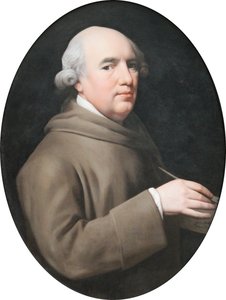
Джордж Стббс
1724 - 1806 , Великобританія
Короткі факти
- Artistic Movement Or Style: Романтизм
- Artists Or Movements Influenced By This Artist: ['Джошуа Рейнс']
- Artists Who Influenced This Artist: ['Хамлет Винстанейл']
- Date Of Birth: Август 25, 1724
- Date Of Death: Липень 10, 1806
- Full Name: George Stubbs
- Nationality: Британський
- Notable Artworks:
- Зустріч Левів з Конями
- Мисливець на оленів із двома спаннілями
- Place Of Birth: Лондон, Великобританія
Пов'язані статті
George Stubbs: Anatomical Precision & Romantic Vision in 18th-Century British Art
Explore the captivating world of George Stubbs, the 18th-century master renowned for his anatomical precision & Romantic animal paintings. Discover his legacy and investment potential.

25 шедеврів Жоржа Сера: Відкрийте світ точкового малярства | OriginalUniqueArt
Відкрийте світ Жоржа Сера! 25 культових картин імпресіонізму та пуантилізму. Історія мистецтва, унікальні техніки живопису та натхнення для декору вашого дому. Купуйте репродукції картин Сера високої якості на OriginalUniqueArt.com!
The Noble Steed on Canvas: A Historical & Artistic Exploration of Horse Painting Across Cultures
Explore the rich history of horse painting! Discover masterpieces from Stubbs to Munnings & learn about symbolism, techniques & artists. Find museum-quality reproductions at OriginalUniqueArt.

Топ-25 шедеврів Жоржа Брака: мистецтво кубізму для вашого дому | OriginalUniqueArt
Відкрийте для себе 25 найвідоміших шедеврів Жоржа Брака! Пориньте у світ кубізму, аналізуйте кольори та техніку легендарного французького художника. Репродукції картин Брак для вашого дому – на OriginalUniqueArt.com
Frederick Bridgman: Anatomical Mastery & the Evolution of Figure Drawing Instruction
Explore the anatomical mastery of George B. Bridgman & his revolutionary figure drawing techniques. Discover how his methods transformed art instruction and continue to inspire artists today. Learn more at OriginalUniqueArt.


