
 Переглянути в інтер'єрі
 Надіслати як листівку
 Поділитися
 Деталі витвору
 Посібник

 Завантажити
 Схожі екземпляри
 Рентгенівське дослідження
 Слайд-шоу
 Питання та відповіді
 Статистика
A Monkey

- 70.0 x 56.0 cm


 Розгорнути текст
Гікле / Художній принт
Друк جيкле або на полотні музейної якості з оперативним виготовленням та різноманітними варіантами фінішної обробки. ( Замовити картину ручної роботи Перейти до цифрових зображень)




P118B ₴10

P118H ₴10

P118W ₴10

P438Z ₴10

P508JH ₴12

P508YH ₴12

P805H ₴10

P805Z ₴10

P919BZ ₴10

P919G ₴10

P919XJ ₴10

P959ZH ₴10

P968JZ ₴12

W106C ₴8

W218G ₴10

W218JH ₴8

W218Y ₴10

W307PJ ₴10

W316G ₴10

W316PJ ₴8

W316Y ₴10

W398PJ ₴8

W4111J ₴10

W500HY ₴15

W500JH ₴15

W692G ₴12

W849H ₴8

W940BG ₴15

W953PJ ₴8




Обирайте з наших стандартних розмірів, що відповідають оригінальним пропорціям твору мистецтва.

Введіть необхідну ширину та висоту, щоб принт ідеально підійшов до вашої рами або стіни. Принт можна лише обрізати, але не можна зробити більшим за оригінал, тому при зміні пропорцій частина зображення буде втрачена. Перед друком ми надсилаємо вам цифровий макет для затвердження. Зображення на цій сторінці не відображає реальну обрізку — її можна побачити лише на макеті.
Доставка по всьому світу () за 2 тижні замість стандартних 4/5 тижнів. (15 Листопад)

Безкоштовна експрес-доставка по всьому світу

Високоякісне лляне полотно

Повне страхове покриття доставки

Гарантія повернення митних зборів

Гарантія точного відтворення кольорів

Політика повернення протягом 100 днів (лише у разі виявлення дефектів)

Гарантія повернення 100% коштів

Пропозиція на оптові замовлення
 Скляний варіант доступний лише для розмірів до 110 см

A Monkey
Гікле / Художній принт
Розмір репродукції
-


Підсумкова вартість
₴ 3637
The Enigmatic Subject: A Monkey’s Contemplative Gaze
George Stubbs' "A Monkey," painted in 1799, isn’t merely a depiction of an animal; it’s a carefully constructed tableau brimming with layered meaning. The subject itself – a monkey seated upon what appears to be a weathered rock or piece of wood – possesses an almost unnerving stillness. Its head is turned slightly away from the viewer, lending it a contemplative air, as if lost in its own thoughts. The pose, combined with the subtle tension in its muscles and the alert expression around its eyes, suggests a creature both intelligent and wary. This isn’t a playful romp through a jungle; there's an underlying sense of observation, perhaps even judgment, radiating from this primate. The artist masterfully captures a fleeting moment of awareness, inviting us to contemplate the animal’s inner world.
- Composition: The monkey is centrally positioned within a dark, shadowed environment, creating a dramatic contrast between light and shadow. This technique draws attention to the subject while simultaneously hinting at an unseen, potentially ominous, backdrop.
- Color Palette: Stubbs employs a muted palette dominated by earthy tones – browns, ochres, and grays – that evoke the feeling of a dense forest or jungle. These subdued colors contribute to the painting’s overall sense of mystery and depth.
Anatomical Mastery and the Roots of Romanticism
Stubbs was renowned for his unparalleled anatomical accuracy, particularly in his depictions of animals. “A Monkey” exemplifies this skill, showcasing a meticulous attention to detail in rendering the monkey’s fur, musculature, and skeletal structure. This dedication stemmed from his early training as an assistant to a surgeon, Charles Atkinson at York County Hospital, where he dissected horses to understand their anatomy. This scientific rigor is evident in the painting's realistic portrayal of the animal’s form—a hallmark of the burgeoning Romantic movement. The emphasis on observation and detailed representation, rather than idealized beauty, was revolutionary for its time.
The painting reflects a shift away from Neoclassical ideals that prioritized order and restraint towards a celebration of nature's power and complexity – a core tenet of Romanticism.Symbolic Layers: Fruit, Observation, and the Garden of Eden
Beyond its anatomical brilliance, “A Monkey” is rich in symbolic potential. The monkey’s grasp of two apples—one held delicately in its hand, the other resting nearby—immediately evokes the biblical story of Adam and Eve. This imagery suggests themes of temptation, knowledge, and perhaps even a critique of humanity's relationship with nature. The shadowed background further reinforces this sense of mystery and foreboding. The artist’s choice to depict the monkey in a contemplative pose, rather than engaging in playful activity, adds another layer of complexity—suggesting an awareness of its own situation and the potential consequences of its actions.
Furthermore, some scholars suggest that the painting may be a commentary on the role of artists and their relationship to nature, mirroring the themes explored in Jean Siméon Chardin’s “The Monkey Painter,” which depicts a monkey holding a paintbrush.A Legacy of Precision and Romantic Vision
“A Monkey” stands as a testament to George Stubbs' extraordinary talent and his pivotal role in shaping the course of British art. Its meticulous detail, evocative atmosphere, and symbolic depth continue to captivate viewers today. Reproductions of this iconic painting offer an opportunity to experience firsthand the artistry and intellectual curiosity that defined one of England’s greatest painters. It is a piece that invites repeated viewing, revealing new nuances with each encounter—a true masterpiece of anatomical precision and Romantic vision.
Питання та відповіді
Яку атмосферу передає "A Monkey"?
«A Monkey» має Calm атмосферу.
Яка техніка використана у творі "A Monkey"?
Техніка виконання «A Monkey» роботи Джордж Стббс — Acrylic On Canvas. Репродукції мають на меті відтворити вигляд цієї техніки.
Який домінуючий колір у «A Monkey» роботи Джордж Стббс?
Переважаючим кольором у творі «A Monkey» роботи Джордж Стббс є Espresso (#332f34).
Біографія митця
Ранні роки, родина та навчання
Ліверпуль, Сполучене Королівство, 1724 рік. Джордж Стббс з'являється на світ як син Джона Стббса, кодувальника, або обробника шкір, та Мері. Його дитинство проходить у межах сімейного бізнесу, серед шкір та інструментів. Цей ранній досвід взаємодії з фізичними властивостями тваринних шкур закладає тактильний фундамент для його зростаючої цікавості. До п'ятнадцяти років потяг до візуального відображення світу стає настільки сильним, що його неможливо ігнорувати. Він розпочинає свій мистецький шлях не через академічне навчання, а завдяки невблаганному, самостійному прагненню зрозуміти саму механіку життя.
Цей шлях був тернистим. Коротке учнівство у Гамлета Вінстенслі, художника та гравюриста з Ланкаширу, дало лише перше уявлення про професійну справу, але цей етап залишився лише короткою главою в його історії. Стббс шукав чогось більш суворого, ніж простое наслідування. Він вирушає до Йорка, де фокус його уваги зміщується з зовнішнього вигляду на внутрішню структуру. Під керівництвом хірурга Чарльза Аткінсона в окружній лікарні Йорка він розпочинає глибоке вивчення анатомії. Цей період дисекцій докорінно змінює його підхід, перетворюючи художника на дослідника скелетно-м'язової системи.
Він залишається переважно самоучкою, відточуючи свою технічну майстерність, спостерігаючи за роботами сучасників XVIII століття. Він вбирає методи таких великих митців, як Джошуа Рейнольдс та Томас Гейнсборо, проте його погляд завжди залишається прикріпленим до наукової точність. Він не просто прагне зобразити об'єкт; він хоче відчути напругу сухожиль та розташування кісток під шкірою. Саме цей перетин хірургічної точності та естетичного сприйняття визначає його ранній творчий розвиток.
Меценати, майстерня та замовлення
Успіх приходить до нього через пороги англійської аристократії. До 1759 року третій герцог Річмонд замовляє три масштабні полотна — цей крок остаточно закріплює професійний статус Джорджа Стббса. Його здатність з неймовірною точністю відтворювати фізичну реальність тварин швидко привертає увагу провідних аристократів. Художник переходить від периферії мистецького світу до найближчого оточення еліти, створюючи роботи для численних герцогів та лордів. Цей неперервний потік престижних замовлень забезпечує фінансову стабільність, необхідну для утвердження в столиці. Зрештою він купує будинок у Мейрлібон, Лондон, де залишається до кінця своїх днів.
Попит на його унікальний досвід поширюється на найвищі верстви суспільства, адже він користується навіть королівським покровительством. Репутація Стббса ґрунтується на вмінні задовольняти специфічні побажання власників, які сприймають своїх коней як символи статусу. Ці меценати шукають не просто портретне схожість; їм потрібна та анатомічна точність, яку може забезпечити лише він. Його майстерня перетворюється на центр значного виробництва, що задовольняє смаки класу, одержимого кінними досягненнями та розведенням породистих тварин.
Техніка та стиль
Творчість Джорджа Стббса розгортається на межі наукового пошуку та високого мистецтва. Його підхід ґрунтується на новаторському реалізмі, що виростає безпосередньо з фізичної природи тваринної форми. Поєднуючи анатомічну точність із виразними деталями, він виходить за межі простого портретного сходства, намагаючись зафіксувати саму механіку життя. Використовуючи тонкі градації тіней, він вдихає життя в кожне сухожилля та м'яз, відтворюючи внутрішню структуру своїх об'єктів з такою чіткістю, що вона стає відображенням його глибокого вивчення анатомії.
Ця одержимість механікою руху часто проявляється у сценах надзвичайної напруги. Художника захоплює тема дикого коня, якому загрожує лев — тема, яку він досліджує через численні варіації. Такі зображення лева, що нападає на коня є ранніми та знаковими прикладами романтизму. У цих роботах фокус зміщується зі статичного портрета на вісцеральну енергію виживання, де напруга м'язів стає головним рушійним механізмом композиції.
Ключові твори та шедеври
1766 рік став моментом доленового перетину мистецтва та науки. Саме тоді Джордж Стббс публікує Анатомію коня — революційний трактат, що виходить далеко за межі простого спостереження. Книга містить 18 деталізованих ілюстрацій, що стали результатом багаторічних досліджень та розтинів, спрямованих на розуміння самої механіки життя. Ця праця утвердила його як незапережного авторитета в питаннях будови коня, створивши візуальну мову для зображення м'язів та сухожиль, що визначають кожен рух живої істоти.
У той самий рік фокус уваги митця зміщується від внутрішньої будови до первісного, вісцерального досвіду. Картина Лев, що нападає на оленя захоплює мить чистого, непідвласного сценарію виживання. Напруга між хижаком і здобиччю відчувається майже фізично. Тема конфлікту — дикого коня, якому загрожує лев — стає наскрізною одержимістю художника, що проявляється у різних варіаціях протягом усієї його творчої діяльності. Це глибоке дослідження сили та руху, що перекидає місток між науковою документацією та новою, що зароджується, епохою романтизму.
Кульмінацією його кінського портрета стає Вістлджекет. Створена на замовлення 2-го маркиза Рокінгемського, ця картина зображує граційного коня на нейтральному фоні, що стало сміливим викликом художнім канонам того часу. Присутність об'єкта на полотні відчувається миттєво. Близько 1780 року він створює Арабського жеребця маркиза Рокінгемського, що ще раз підтверджує його високий статус у елітах тієї епохи. Здатність Джорджа Стббса вловити саму суть конкретної тварини залишається його найвидатнішим внеском у цей жанр.
- Вістлджекет
- Анатомія коня (1766)
- Лев, що нападає на оленя (1766)
- Арабський жеребець маркиза Рокінгемського (близько 1780)
Де можна побачити його роботи сьогодні
Спадщина анатомічної точності, яку залишив після себе Джордж Стббс, продовжує жити в залах провідних міжнародних інституцій. У Лондоні Національна галерея зберігає Whistlejacket — масштабний портрет чистопородного скакового коня, що вражає своєю монументальністю. Галерея Тейт також тримає у своїй колекції кілька його полотен. Ці твори дозволяють безпосередньо відчути ту неймовірну точність, яка стала визначальною рисою його творчого шляху.
По той бік Атлантики, у Єльському центрі британського мистецтва в Нью-Гавен зберігається значна кількість його робіт, що дозволяє побачити цілісну картину його творчої діяльності. У Сполучених Королівствах Художня галерея Вокера в Ліверпулі береже його картини, повертаючи його образи на батьківщину, де він народився. Проте вплив художника виходить далеко за межі полотна і проникає у наукову сферу; його книга Анатомія коня і досі залишається фундаментальною працею для вивчення анатомії коня.
- Whistlejacket — Національна галерея, Лондон
- Лев, що пожирає коня — Галерея Тейт, Лондон
- Моллі Довгонога зі своїм жокеєм — Художня галерея Вокера, Ліверпуль
- Сім'ї Мілбенк і Мельбурн — Національна галерея, Лондон
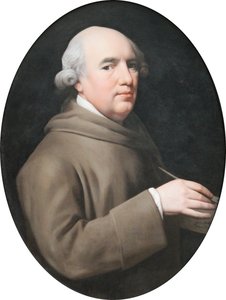
Джордж Стббс
1724 - 1806 , Сполучене Королівство
Короткі факти
- Artistic Movement Or Style: Романтизм
- Artists Or Movements Influenced By This Artist: ['Романтизм']
- Artists Who Influenced This Artist:
- Джошуа Рейнольдс
- Томас Гейнсборо
- Date Of Birth: 1724
- Date Of Death: 1806
- Full Name: Джордж Стббс
- Nationality: Англієць
- Notable Artworks:
- Whistlejacket
- Анатомія коня
- Лев, що нападає на коня
- Place Of Birth: Ліверпуль, Сполучене Королівство
Пов'язані статті
The Eloquent Body: Anatomy's Enduring Legacy in Art from Renaissance Dissection to Modern Representation
Explore the fascinating history of anatomy in art! From Renaissance dissections to modern masterpieces, discover how artists & scientists collaborated to depict the human form with unprecedented realism. Learn more at OriginalUniqueArt.

Unveiling the Raw Emotion: The Top 25 Masterpieces by Francis Bacon
Immerse yourself in the visceral world of Francis Bacon. Explore 25 iconic masterpieces, from distorted figures to haunting portraits. Discover the stories behind these expressionist legends and find museum-quality art reproductions for your collection at OriginalUniqueArt.com.
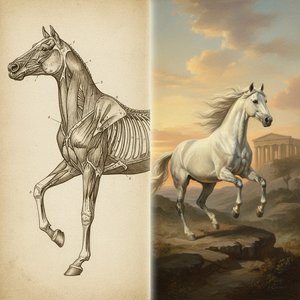
George Stubbs: Anatomical Precision & Romantic Vision in 18th-Century British Art
Explore the captivating world of George Stubbs, the 18th-century master renowned for his anatomical precision & Romantic animal paintings. Discover his legacy and investment potential.
Тварини у мистецтві: оживляючи простір та символізм української культури
Дослідіть символізм тварин в українському мистецтві! Від народних оберегів до сучасних інтерпретацій – розкрийте глибину культурної спадщини та вплив образів на простір.

Abbott Handerson Thayer: Ethereal Realism & Spiritual Symbolism in American Art
Explore the captivating world of Abbott Handerson Thayer, a pioneer of American realism & Symbolism. Discover his ethereal angel paintings, innovative techniques, and lasting influence on art history. Learn about his scientific pursuits & Transcendentalist spirit.


