
 Переглянути в інтер'єрі
 Надіслати як листівку
 Поділитися
 Детальніше

 Завантажити
 Схожі експонати
 Рентгенівське дослідження
 Слайд-шоу
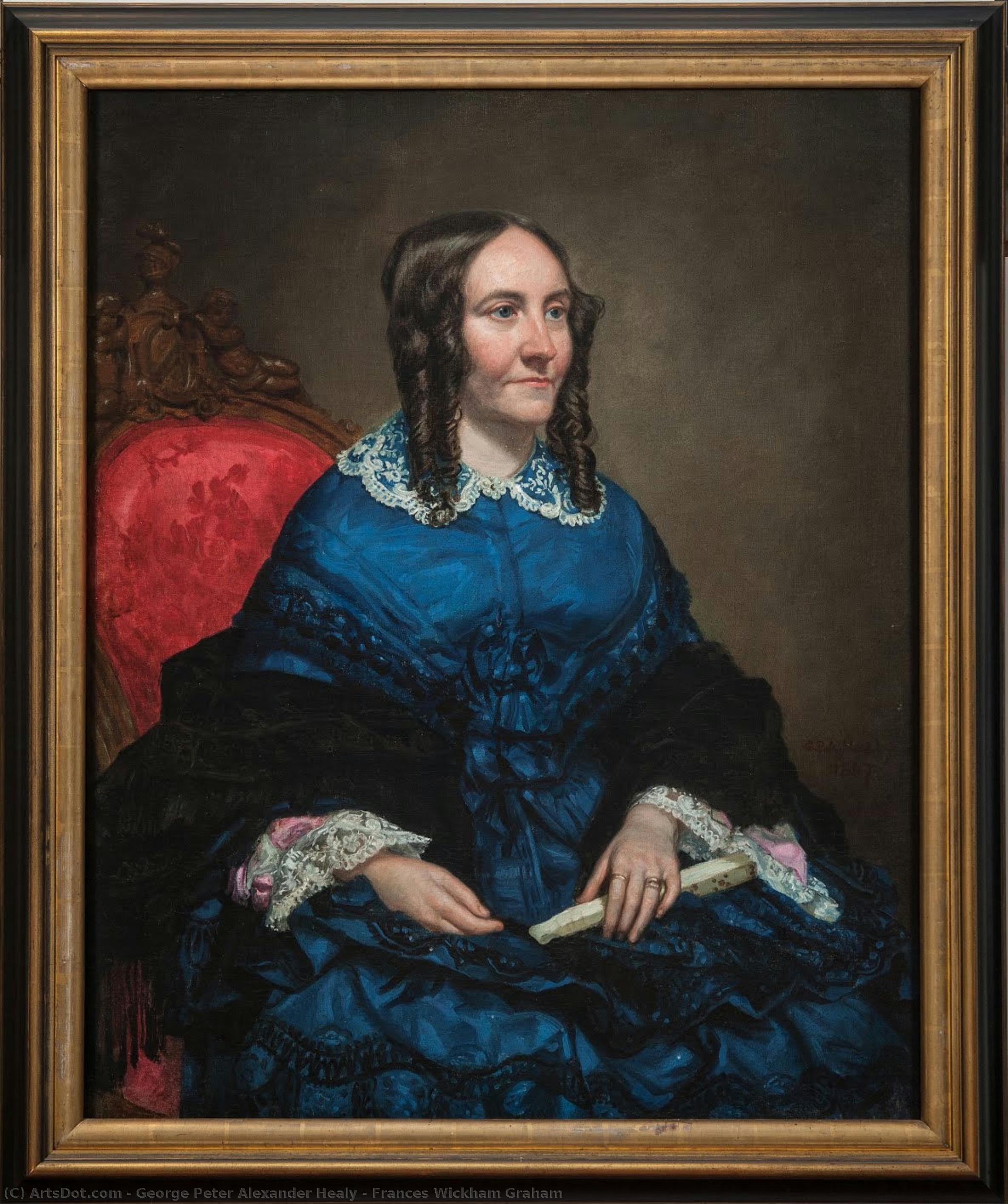
Frances Wickham Graham


 Читати далі
Гікле / Художній принт
Музейна якість друку جيкле або на полотні з оперативним виготовленням та різноманітними варіантами фінішної обробки. ( Замовити репродукцію ручної роботи Купити цифрове зображення)




P118B $10

P118H $10

P118W $10

P438Z $10

P508JH $12

P508YH $12

P805H $10

P805Z $10

P919BZ $10

P919G $10

P919XJ $10

P959ZH $10

P968JZ $12

W106C $8

W218G $10

W218JH $8

W218Y $10

W307PJ $10

W316G $10

W316PJ $8

W316Y $10

W398PJ $8

W4111J $10

W500HY $15

W500JH $15

W692G $12

W849H $8

W940BG $15

W953PJ $8




Обирайте з наших стандартних розмірів, що відповідають оригінальним пропорціям твору мистецтва.

Ви можете вказати власні розміри, щоб репродукція ідеально підійшла до конкретної рами або інтер'єру. Якщо обраний вами розмір не відповідає пропорціям оригіналу, ми або обріжемо полотно, або розширимо зображення за допомогою дзеркального відображення чи суцільної заливки країв. Перед початком виробництва вам буде надіслано цифровий макет для затвердження.
Будь ласка, зверніть увагу, що попередній перегляд на екрані не відображає фактичне обрізання або розширення. Тільки макет точно покаже фінальну композицію.
Хоча можливість замовлення індивідуальних розмірів доступна, ми рекомендуємо обирати формат із попередньо визначеного списку, щоб зберегти оригінальні пропорції.
Доставка по всьому світу () за 2 тижні замість стандартних 4/5 тижнів. (21 Серпень)

Безкоштовна експрес-доставка по всьому світу

Високоякісне лляне полотно

Повне страхове покриття доставки

Гарантія відшкодування митних зборів

Гарантія точного відтворення кольорів

Політика повернення протягом 60 днів (лише у разі виявлення дефектів)

Гарантія повернення 100% коштів

Пропозиція на оптові замовлення
 Скляний варіант доступний лише для розмірів до 110 см

Frances Wickham Graham
Гікле / Художній принт
Розмір репродукції
-


Підсумкова вартість
$ 80
Опис експоната
A Glimpse into Mid-Victorian Society
This captivating portrait of Frances Wickham Graham transports us directly into the refined, yet emotionally charged atmosphere of the American antebellum period. Painted by George Peter Alexander Healy, an artist renowned for his ability to capture likenesses with remarkable fidelity, the work serves not merely as a depiction of a woman, but as a carefully constructed tableau vivant of 1860s Virginia society. The subject, seated gracefully upon a vibrant red chair, commands attention. Her attire, rendered in shades of blue, speaks to the prevailing fashion sensibilities of the era, while the delicate gleam of her pearl necklace suggests both personal wealth and adherence to contemporary standards of feminine elegance. Healy masterfully captures the sitter’s composed demeanor; her expression is one of quiet seriousness, inviting the viewer into a moment of intimate contemplation.
The Artistry of George Peter Alexander Healy
To understand this painting is to appreciate the hand of its creator. George Peter Alexander Healy was more than just a portraitist; he was an observer of American history, chronicling the faces that shaped a nation. His technique allowed him to blend formal portraiture with narrative depth. Notice the subtle brushwork in the background and on the surrounding figures—the person visible near the top left corner and another at the bottom right—which anchors Frances within a larger social context. The inclusion of objects, such as the book resting on a surface before her, adds layers of potential symbolism, hinting at education, literature, or perhaps the domestic life that surrounded this prominent family.
Historical Echoes and Emotional Resonance
The historical context surrounding Frances Wickham Graham enriches the viewing experience immeasurably. The period itself was one of immense transition in American history, a time marked by both opulent social gatherings and underlying tensions. The accompanying narrative details—such as the mention of the fire at Hickory Hill—suggest a life lived through periods of profound upheaval. Despite any personal loss hinted at in the background lore, the subject’s bearing remains remarkably composed. This juxtaposition—the potential drama of history against the stillness of the painted moment—lends the piece a powerful emotional resonance. It speaks to resilience, grace under pressure, and the enduring spirit of womanhood within a structured society.
A Decorative Masterpiece for the Modern Collector
For the discerning collector or interior designer, this reproduction offers more than just wall art; it is an heirloom piece imbued with narrative weight. The rich jewel tones—the deep blue dress against the striking red chair—provide immediate visual drama, making it a stunning focal point in any formal drawing-room or library setting. Owning a high-quality rendition of Healy’s work allows one to connect tangibly with the artistry and social customs of the 19th century. It is an invitation to pause, reflect upon the passage of time, and admire the enduring skill of American portraiture.
Біографія митця
George Peter Alexander Healy: A Chronicle of American Faces
George Peter Alexander Healy, a name that resonates deeply within the annals of 19th-century American art, was far more than simply a painter of portraits. He was a meticulous observer of his time, a skilled craftsman who captured not just physical likenesses but also the very essence and spirit of those he depicted – presidents, dignitaries, and prominent figures who shaped the trajectory of a nation undergoing profound transformation. Born in Boston on July 15, 1813, Healy’s life was interwoven with both personal hardship and artistic triumph, ultimately culminating in a legacy defined by his remarkable ability to immortalize American history through the art of portraiture.Early Years and European Influences
Healy's childhood was marked by an early loss – the death of his father, a merchant marine captain – which instilled within him a sense of responsibility and resilience from a remarkably young age. Forced to contribute financially to his family’s upkeep, he began drawing at sixteen, fueled by a nascent ambition to pursue art. A pivotal moment in his formative years came through the guidance of Jane Stuart, daughter of the celebrated Gilbert Stuart, who generously loaned him a copy of Guido Reni's “Ecce Homo,” which Healy meticulously reproduced in color and subsequently sold – an early demonstration of his talent and entrepreneurial spirit. This mentorship laid the foundation for his artistic development, introducing him to the principles of formal training under Thomas Sully, whose influence would profoundly shape his technique and approach. In 1834, at the age of twenty-one, Healy embarked on a transformative journey to Europe, an experience that spanned sixteen years and fundamentally altered the course of his artistic life. He immersed himself in the vibrant art scenes of Paris and Rome, studying under masters like Antoine-Jean Gros and Thomas Couture. These encounters exposed him to the academic traditions of French realism, fostering a deep appreciation for meticulous detail and historical narrative. The influence of these European masters is readily apparent in his work – a refined technique, a nuanced understanding of composition, and an ability to imbue his portraits with a sense of gravitas and authority. He received a third-class medal at the Paris Salon in 1840, a significant recognition of his burgeoning talent within the international art community. Further validation arrived in 1843 when he was elected as an honorary academician into the National Academy of Design, solidifying his position as a respected artist on both sides of the Atlantic. This extended period abroad wasn’t merely about acquiring technical skills; it was about absorbing the cultural currents and intellectual ferment that defined Europe at the time – elements which would later infuse his portraits with depth and historical context.Capturing American Identity: Presidential Portraits
Upon his return to the United States in 1855, Healy quickly established himself as a leading portraitist, renowned for his ability to capture not just physical likenesses but also the character and essence of his sitters. He was immediately sought after by prominent figures – John C. Calhoun, James Buchanan, and many others – who recognized his skill in conveying authority and presence. However, it was his series of presidential portraits that truly cemented his legacy. Commissioned for the Corcoran Gallery in Washington, D.C., Healy meticulously immortalized every U.S. president from John Quincy Adams to Ulysses S. Grant, creating a visual record of American leadership during a period of immense transformation and national growth. These weren’t simply flattering depictions; they were insightful studies of personality and authority, offering glimpses into the lives and minds of those who shaped the nation's destiny. His portrait of Abraham Lincoln stands as an iconic representation of the 16th president – a powerful image that captures his solemnity, unwavering resolve, and profound humanity during a time of national crisis.Beyond Likeness: Historical Narrative and *The Peacemakers*
While celebrated for his portraits, Healy’s artistic ambition extended beyond mere representation. He sought to capture moments of historical significance, imbuing his canvases with narrative power. His most ambitious undertaking in this regard was *The Peacemakers* (1868), a monumental painting depicting a strategy session between Abraham Lincoln and his advisors following the end of the Civil War. This work is not just a depiction of a meeting; it’s a poignant meditation on peace, reconciliation, and the weight of leadership – a complex exploration of the challenges inherent in rebuilding a nation after devastating conflict. *The Peacemakers* showcases Healy's remarkable ability to orchestrate complex compositions, convey emotional depth through carefully considered gestures and expressions, and weave historical context into his artistic vision. It remains a powerful testament to his skill as a historical painter, offering a visual window into a pivotal moment in American history.A Lasting Legacy: Chicago and Remembrance
In 1892, Healy returned to Chicago, spending his final years surrounded by family and continuing to paint prolifically. He passed away on June 24, 1894, leaving behind an extensive body of work that continues to captivate and inspire art enthusiasts worldwide. His autobiography, *Reminiscences of a Portrait Painter*, published posthumously, provides invaluable insights into his life, artistic philosophy, and the world he inhabited – a deeply personal account filled with anecdotes and observations gleaned from decades spent observing human nature and capturing the essence of American society. Healy’s legacy rests not only on the sheer volume of his output but also on the quality and historical significance of his paintings. He was a master of realism, a keen observer of human nature, and a skilled storyteller who used his art to document the lives and times of those who shaped America. His portraits remain treasured artifacts – enduring reminders of the individuals who left their mark on history and offering a poignant glimpse into the past.Further Information
- Smithsonian American Art Museum: https://americanart.si.edu/artist/george-peter-alexander-healy-2141
- Wikipedia: https://en.wikipedia.org/wiki/George_Peter_Alexander_Healy

Джордж Пітер Олександр Хілі
1813 - 1894 , США
Короткі факти
- Artistic Movement Or Style: Реалізм
- Artists Or Movements Influenced By This Artist:
- Груо
- Кутузов
- Artists Who Influenced This Artist:
- Груо
- Кутузов
- Соллі
- Date Of Birth: 15 лип 1813
- Date Of Death: 24 чер 1894
- Full Name: George Peter Alexander Healy
- Nationality: Американський
- Notable Artworks:
- The Peacemakers
- Дж. К. Колтон
- Джеймс Бюканан
- Place Of Birth: Бостон, США
Пов'язані статті

Топ-10 знаменитих картин у відтінках сіро-блакитного: мистецтво для вашого дому
Пориньте у світ сіро-блакитного кольору! Від Моне до Ренуара – топ-10 знаменитих картин, що зачаровують глибиною відтінків. Історія мистецтва, техніки та натхнення для вашого дому. Знайдіть репродукцію мрії на OriginalUniqueArt.com!
Azure Visions: Exploring Representations of the Blue Dress in Western Art History
Explore the rich history of the blue dress in Western art! Discover its symbolism, from Renaissance masterpieces to modern interpretations by artists like Martin & Schiele. Uncover cultural meanings and artistic techniques.

The Allure of Azure: Exploring the Symbolic & Aesthetic Depths of Blue in Art History
Explore the rich history of blue in art! Discover its symbolism, from ancient pigments to modern masterpieces by Kandinsky & Seurat. Uncover the psychological impact and cultural meanings behind this captivating hue.

Топ-10 шедеврів американського реалізму: мистецтво правдивого відображення життя | OriginalUniqueArt
Відкрийте для себе 10 шедеврів американського реалізму! Дослідіть історії Ендрю Уайєта, Хопера та інших видатних художників. Купіть репродукції картин преміум-якості для вашого дому на OriginalUniqueArt.com.

Grant Wood & American Regionalism: Identity, Myth & the Rural Landscape
Explore the world of Grant Wood & American Regionalism with OriginalUniqueArt. Discover the symbolism behind 'American Gothic', recurring themes, and the movement's lasting impact on art history. High-quality reproductions available.

