

 Переглянути в інтер'єрі
 Надіслати
 Поділитися
 Деталі
 Посібник

 Завантажити
 Схожі предмети колекціонування
 Рентгенівське дослідження
 Слайд-шоу
 Статистика переглядів
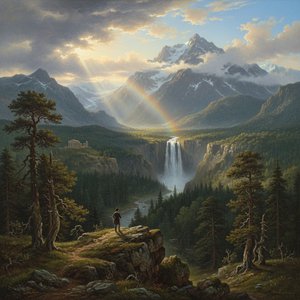
Swiss Landscape
 Romanticism
 1819
1819 29.0 x 45.0 cm
 New Walk Museum - Art Gallery
 Читати далі
Гікле / Художній принт
Музейна якість друку جيкле або на полотні з оперативним виготовленням та різноманітними варіантами фінішної обробки. ( Купити картину ручної роботи Перейти до цифрових зображень)




































Обирайте з наших стандартних розмірів, що відповідають оригінальним пропорціям твору мистецтва.

Ви можете вказати власні розміри, щоб репродукція ідеально підійшла до конкретної рами або інтер'єру. Якщо обраний вами розмір не відповідає пропорціям оригіналу, ми або обріжемо полотно, або розширимо зображення за допомогою дзеркального відображення чи суцільної заливки країв. Перед початком виробництва вам буде надіслано цифровий макет для затвердження.
Будь ласка, зверніть увагу, що попередній перегляд на екрані не відображає фактичне обрізання або розширення. Тільки макет точно покаже фінальну композицію.
Хоча можливість замовлення індивідуальних розмірів доступна, ми рекомендуємо обирати формат із попередньо визначеного списку, щоб зберегти оригінальні пропорції.
Доставка по всьому світу () за 2 тижні замість стандартних 4/5 тижнів. (27 Вересень)

Безкоштовна експрес-доставка по всьому світу

Високоякісне лляне полотно

Повне страхове покриття доставки

Гарантія повернення митних зборів

Гарантія точного відтворення кольорів

Політика повернення протягом 100 днів (лише у разі виявлення дефектів)

Гарантія повернення 100% коштів

Знижка на оптові замовлення
 Скляний варіант доступний лише для розмірів до 110 см

Swiss Landscape
Гікле / Художній принт
Розмір репродукції
-


Загальна вартість
$ 80
A Glimpse into the Painting's Details
The painting features a serene forest filled with trees, some of which have fallen over, creating a sense of movement and energy. In the background, snow-capped mountains rise majestically, adding depth and grandeur to the scene. A horse is visible near the center of the painting, possibly grazing on the lush green grass that covers the ground. The overall atmosphere of the painting conveys a sense of tranquility and appreciation for nature's beauty. Key Features of the Swiss Landscape painting include:- Oil on panel, measuring 29 x 45 cm
- Created in 1819 by George Howland Beaumont
- Housed at the New Walk Museum - Art Gallery in Leicester, United Kingdom
Exploring the Artist's Style
George Howland Beaumont was a British artist known for his landscape paintings. His style is characterized by attention to detail and a deep appreciation for nature. The Swiss Landscape painting is a prime example of his work, showcasing his ability to capture the beauty and serenity of the natural world. To learn more about George Howland Beaumont and his works, visit https://OriginalUniqueArt.com and explore their collection of handmade oil paintings reproductions. You can also find more information on Wikipedia about the New Walk Museum - Art Gallery and its extensive collection of art pieces.The Swiss Landscape painting is a must-see for anyone who appreciates landscape art and the beauty of nature. With its stunning depiction of the Swiss Alps, it is sure to captivate audiences and inspire a sense of wonder and awe.
Біографія митця
Sir George Howland Beaumont (1753 – 1827): A Life Dedicated to Art
George Howland Beaumont, born in Dunmow, Essex, on November 6th, 1753, was a British art patron and amateur painter whose life embodied the spirit of Romanticism and profoundly impacted the trajectory of British artistic culture. His lineage traced back to Sir George Beaumont, 6th Baronet, inheriting both noble title and substantial estate at a young age—a foundation upon which he built an extraordinary career devoted to preserving and disseminating Old Master paintings.Early Influences & Artistic Training
Beaumont’s formative years were marked by exposure to artistic excellence from an early age. Educated at Eton College under the tutelage of Alexander Cozens, a landscape painter renowned for his atmospheric depictions of the English countryside, he developed a lifelong fascination with capturing beauty and conveying emotion through visual art. This initial training instilled in him a meticulous observation of nature—a characteristic that would permeate his own artistic endeavors throughout his life. The influence of Cozens extended beyond mere technique; it fostered an appreciation for Romantic ideals – a belief in the sublime power of untamed landscapes and the importance of feeling as much as intellect in artistic expression.The Grand Tour & Rediscovering Artistic Heritage
A pivotal moment arrived in 1782 when Beaumont embarked on a Grand Tour with his wife, Margaret Willes (née Barber), traversing Italy—a journey that irrevocably altered his worldview and ignited within him an ardent passion for the masterpieces of the Old Masters. Unlike many of his peers who sought fashionable pursuits abroad, Beaumont prioritized intellectual engagement alongside aesthetic appreciation. He immersed himself in the artistic traditions of Florence, Rome, and Venice, encountering artists like Raphael and Michelangelo firsthand—experiences that fundamentally reshaped his understanding of artistic excellence. This transformative voyage cemented his conviction that true beauty resided in the works of antiquity and inspired him to amass a collection dedicated to preserving these treasures for posterity. The acquisition of Claude Lorrain’s *A Landscape with Hagar and the Angel* became particularly cherished, embodying Beaumont's aesthetic ideals—a painting he would carry on journeys and meticulously care for throughout his life.Collecting & Patronage: Building a Legacy
Beaumont’s dedication to art extended beyond mere admiration; it manifested in active patronage of British artists and the ambitious undertaking of constructing a magnificent collection of Old Master paintings. Despite facing considerable financial constraints, he pursued this endeavor with unwavering determination—driven by a conviction that preserving artistic heritage was paramount. His holdings included works by Rembrandt, Rubens, and Canaletto—artists whose stylistic innovations challenged prevailing academic conventions. Notably, Beaumont championed the young John Constable, recognizing his talent and fostering a relationship that resulted in Constable’s evocative painting of Peele Castle in Storm—a testament to Beaumont's discerning eye and his belief in nurturing artistic potential. He served as Director of the British Institution from 1806, furthering his commitment to supporting artists and promoting cultural dialogue.The Founding of the National Gallery & Artistic Influence
Beaumont’s contribution to British art history culminated in his instrumental role in establishing the National Gallery—a landmark achievement that cemented his place among Britain's most influential figures. Recognizing a critical need for a public gallery dedicated to showcasing Old Master paintings, he spearheaded an initiative that transformed London’s cultural landscape. His unwavering conviction that art should be accessible to all fueled this endeavor—resulting in the acquisition of John Julius Angerstein’s collection and securing suitable premises for the gallery's inaugural exhibition in 1824. Beaumont’s legacy extends far beyond his own artistic creations; he instilled a profound appreciation for beauty and fostered an enduring commitment to preserving artistic heritage—a testament to his visionary leadership and unwavering devotion to art.
Джордж Хауланд Бьютмонт
1753 - 1827 , Великобританія
Довідкова інформація
- Artistic Movement Or Style: Романтизм
- Artists Or Movements Influenced By This Artist: ['Джон Констабль']
- Artists Who Influenced This Artist:
- Александр Козенс
- Річард Вілсон
- Date Of Birth: 1753
- Date Of Death: 1827
- Full Name: George Howland Beaumont
- Nationality: Британський
- Notable Artworks:
- Ландшафт з Хагар і Ангелом
- Вид Кізвіка
- Place Of Birth: Dunmow, Великобританія
Схожі статті
Evoking Nature's Sublime: A Comprehensive Exploration of 19th-Century Landscape Painting
Explore the captivating world of 19th-century landscape painting! Discover renowned artists like Friedrich & Monet, key movements, and find the perfect artwork to bring nature's serenity into your home. Expert insights at OriginalUniqueArt.

Топ-10 шедеврів романтичного пейзажу: мистецтво, що захоплює дух | OriginalUniqueArt
Відкрийте для себе 10 шедеврів романтичного пейзажу! Каспар Давид Фрідріх, Тернер та інші майстри. Історія мистецтва, емоційні кольори природи та ідеї декору з OriginalUniqueArt.com. Дослідіть колекцію онлайн!

25 шедеврів Жоржа Сера: Відкрийте світ точкового малярства | OriginalUniqueArt
Відкрийте світ Жоржа Сера! 25 культових картин імпресіонізму та пуантилізму. Історія мистецтва, унікальні техніки живопису та натхнення для декору вашого дому. Купуйте репродукції картин Сера високої якості на OriginalUniqueArt.com!

Топ-25 шедеврів Жоржа Брака: мистецтво кубізму для вашого дому | OriginalUniqueArt
Відкрийте для себе 25 найвідоміших шедеврів Жоржа Брака! Пориньте у світ кубізму, аналізуйте кольори та техніку легендарного французького художника. Репродукції картин Брак для вашого дому – на OriginalUniqueArt.com

Evocations of Place: A Historical Journey Through Landscape Art
Explore the rich history of landscape art with OriginalUniqueArt. Discover renowned artists, movements like Impressionism & Romanticism, and expert guidance for collecting timeless pieces. Find your perfect serene escape today!