
 Переглянути в інтер'єрі
 Надіслати як листівку
 Поділитися
 Деталі витвору
 Посібник

 Завантажити
 Схожі екземпляри
 Рентгенівське дослідження
 Слайд-шоу
 Q&A
Q&A Статистика
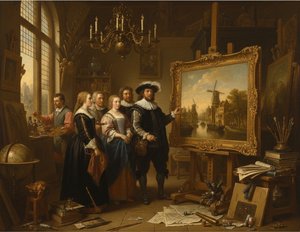
Vegetable Market in Amsterdam

- 97.0 x 81.0 cm


 Розгорнути текст
Гікле / Художній принт
Друк جيкле або на полотні музейної якості з оперативним виготовленням та різноманітними варіантами фінішної обробки. ( Замовити картину ручної роботи Перейти до цифрових зображень)




P118B ₴10

P118H ₴10

P118W ₴10

P438Z ₴10

P508JH ₴12

P508YH ₴12

P805H ₴10

P805Z ₴10

P919BZ ₴10

P919G ₴10

P919XJ ₴10

P959ZH ₴10

P968JZ ₴12

W106C ₴8

W218G ₴10

W218JH ₴8

W218Y ₴10

W307PJ ₴10

W316G ₴10

W316PJ ₴8

W316Y ₴10

W398PJ ₴8

W4111J ₴10

W500HY ₴15

W500JH ₴15

W692G ₴12

W849H ₴8

W940BG ₴15

W953PJ ₴8




Обирайте з наших стандартних розмірів, що відповідають оригінальним пропорціям твору мистецтва.

Введіть необхідну ширину та висоту, щоб принт ідеально підійшов до вашої рами або стіни. Принт можна лише обрізати, але не можна зробити більшим за оригінал, тому при зміні пропорцій частина зображення буде втрачена. Перед друком ми надсилаємо вам цифровий макет для затвердження. Зображення на цій сторінці не відображає реальну обрізку — її можна побачити лише на макеті.
Доставка по всьому світу () за 2 тижні замість стандартних 4/5 тижнів. (3 Листопад)

Безкоштовна експрес-доставка по всьому світу

Високоякісне лляне полотно

Повне страхове покриття доставки

Гарантія повернення митних зборів

Гарантія точного відтворення кольорів

Політика повернення протягом 100 днів (лише у разі виявлення дефектів)

Гарантія повернення 100% коштів

Пропозиція на оптові замовлення
 Скляний варіант доступний лише для розмірів до 110 см

Vegetable Market in Amsterdam
Гікле / Художній принт
Розмір репродукції
-


Підсумкова вартість
₴ 3609
A Window into the Golden Age: The Soul of Amsterdam
In the heart of the seventeenth century, amidst the burgeoning prosperity of the Dutch Golden Age, Gabriel Metsu captured a moment that transcends mere commerce to become a profound meditation on human connection. Vegetable Market in Amsterdam, executed around 1661, is far more than a simple depiction of a marketplace; it is a vibrant, breathing snapshot of a society in motion. As the viewer enters this scene, they are immediately enveloped by the rhythmic energy of a bustling morning. The air seems thick with the quiet murmurs of negotiation and the earthy scent of fresh produce. Metsu does not merely paint a subject; he constructs an atmosphere where every figure—from the focused merchant to the casual passerby—contributes to a larger tapestry of urban life, offering a window into the social fabric of a city at its zenith.
The composition is a masterclass in balanced vitality. At the center of this domestic theater sits a table laden with the bountiful offerings of the earth, acting as an anchor for the surrounding figures. Metsu utilizes subtle geometric arrangements to guide our gaze through the crowd, ensuring that while the scene is filled with activity, it never descends into chaos. A watchful dog, resting quietly near the edge of the frame, provides a touch of domestic realism and a moment of stillness amidst the human flurry. This careful orchestration of movement and rest creates a sense of naturalism that invites the collector to step directly into the canvas, making it an ideal centerpiece for any space seeking to evoke warmth and historical depth.
The Mastery of Light and Illusion
What truly distinguishes this work is Metsu’s extraordinary command over trompe-l'œil and the delicate manipulation of light. A hallmark of the Dutch Baroque, his technique relies on an almost scientific precision to simulate reality. He employs a subtle palette, eschewing garish colors in favor of nuanced tones that reflect the soft, ambient illumination characteristic of a Northern European interior. Through the masterful use of chiaroscuro, Metsu allows light to dance across surfaces—glinting off the skin of a ripe fruit, catching the fold of a linen sleeve, or reflecting softly upon the polished floor. This interplay of shadow and brilliance creates an astonishing sense of three-dimensional depth, tricking the eye into perceiving a tangible space.
For the discerning interior designer, the technical brilliance of this piece offers unparalleled versatility. The painting’s ability to simulate texture—the roughness of a vegetable skin versus the smoothness of a ceramic bowl—adds a layer of sensory richness to a room. Metsu’s restraint is his greatest strength; by avoiding excessive ornamentation, he allows the true beauty of light and form to take center stage. This makes the artwork not just a historical relic, but a sophisticated element of modern decor that brings a sense of quiet luxury and intellectual curiosity to a curated collection.
A Legacy of Human Connection
Beyond its technical merits, Vegetable Market in Amsterdam resonates on an emotional level through its celebration of the everyday. There is a profound dignity in Metsu’s portrayal of common life. By elevating a mundane market scene to the status of high art, he reminds us of the beauty found in routine interactions and the shared experiences of community. The painting captures the essence of genre painting—the art of the genre or the everyday—where the extraordinary is found within the ordinary.
To possess a reproduction of this masterpiece is to invite a piece of history into one's home. It serves as a constant reminder of the enduring human spirit and the timeless allure of the Dutch masters. Whether placed in a sunlit gallery or a cozy study, Metsu’s work provides a focal point of storytelling, sparking conversations about history, art, and the vibrant, interconnected world that continues to fascinate us centuries later.
Питання та відповіді
Наскільки гармонійними є кольори у творі «Vegetable Market in Amsterdam» роботи Габріель Метсу?
«Vegetable Market in Amsterdam» роботи Габріель Метсу демонструє Unified Palette колірну гармонію.
Де можна придбати написані вручну репродукції «Vegetable Market in Amsterdam» роботи Габріель Метсу?
Ви можете замовити написану вручну репродукцію твору «Vegetable Market in Amsterdam» роботи Габріель Метсу безпосередньо на його сторінці Репродукція ручного письма олією: олійна репродукція ручного розпису на лляному полотні, під замовлення.
Скільки років було Габріель Метсу, коли створювався твір "Vegetable Market in Amsterdam" у 1661 році?
Габріель Метсу створив(ла) «Vegetable Market in Amsterdam» у віці 32 років. Митець народився(лася) у 1629, а дата створення твору — 1661.
Біографія митця
Gabriel Metsu – A Life of Artistic Exploration
Gabriel Metsu (1629–1667) stands as a singular figure within the Dutch Golden Age, celebrated for his masterful depictions of domestic interiors and genre scenes imbued with subtle symbolism. His oeuvre—a mere handful of paintings compared to contemporaries like Rembrandt and Vermeer—holds an extraordinary power due to its meticulous observation of everyday life and its profound engagement with humanist ideals. This biography delves into Metsu’s formative years, artistic influences, prolific career, and enduring legacy, illuminating the complexities of a creative spirit that defied easy categorization.Early Life and Influences
Born in Leiden around November 27 or mid-December 1629, Gabriel Metsu descended from a lineage steeped in artistic tradition. His father, Jacques Metsu (c. 1588–1629), was a tapestry weaver and painter originally hailing from Hainault—a region renowned for its textile craftsmanship and artistic patronage. While Jacques’s output remains elusive to scholars, his involvement in the visual arts undoubtedly instilled in Gabriel an early appreciation for diverse techniques and aesthetic sensibilities. The Metsu family's relocation to Leiden exposed young Gabriel to a vibrant cultural milieu characterized by burgeoning intellectual discourse and artistic experimentation. Notably, his stepfather, Cornelis Bontecraey (d. 1649), was a skipper—a profession that afforded him considerable financial stability and facilitated access to broader horizons beyond Leiden’s confines. Jacquemijntje Garniers, Gabriel's mother, was a midwife—a role reflecting the social realities of the time and hinting at an upbringing marked by practicality alongside artistic awareness.Artistic Training and Style
Metsu’s artistic training remains shrouded in mystery, hampered by the scarcity of biographical information and the deliberate omission of dates from his paintings. Despite speculation regarding potential connections with Gerrit Dou—a fellow Leiden painter—evidence supporting this claim is scant. However, prevailing scholarly consensus points to Claes Pietersz. de Grebber (1590–1650), a Haarlem silversmith and prominent artist, as Metsu’s primary instructor. De Grebber's influence on Metsu’s early style—particularly his penchant for luminous chiaroscuro—is undeniable, mirroring the stylistic innovations championed by Rembrandt van Rijn during his formative years. Furthermore, Metsu’s apprenticeship with Antonie Claesz de Grebber—Gerrit’s son—reinforced this connection to Haarlem’s artistic elite and solidified Metsu's commitment to mastering foundational drawing skills. The Guild of Saint Luke in Leiden recognized Metsu’s talent early on, registering him as a member in 1648—a pivotal moment signifying his acceptance into the established artistic community and affirming his dedication to upholding professional standards.Notable Works and Artistic Innovations
Metsu's distinctive style—characterized by its understated elegance and meticulous attention to detail—established him as one of the foremost practitioners of genre painting during the Dutch Golden Age. Unlike Rembrandt’s dramatic theatricality or Vermeer’s serene idealism, Metsu eschewed grand narratives in favor of intimate portrayals of domestic life, capturing fleeting moments of human emotion with remarkable sensitivity. His canvases frequently depict young women engaged in commonplace activities—such as sewing or reading—often framed within windows that serve as symbolic portals to the outside world. Recurring motifs—including poultry sellers and market scenes—reflect Metsu’s fascination with emblems—visual symbols conveying moral lessons and philosophical concepts—a hallmark of humanist thought prevalent during his era. Among Metsu's most celebrated achievements are *The Sick Child* (c. 1664–66), a poignant depiction of maternal tenderness that draws inspiration from Vermeer’s masterful use of light and color; *Portrait of the Hinlopen Family*, a masterpiece blending genre conventions with portraiture—demonstrating Metsu's ability to synthesize diverse artistic influences into a cohesive visual idiom; and *A Visit to the Nursery*, which exemplifies his meticulous observation of domestic interiors and his skillful rendering of naturalistic textures.Legacy and Influence
Gabriel Metsu’s oeuvre—though comparatively modest in size—commands considerable admiration among art historians and collectors alike. His unwavering dedication to capturing the subtleties of human experience—coupled with his masterful command of technique—solidified his reputation as a visionary artist who transcended stylistic boundaries. Metsu's influence extended beyond his immediate contemporaries, inspiring subsequent generations of painters—including Pieter de Hooch—who embraced similar aesthetic principles and compositional strategies. Today, Metsu’s paintings reside in prestigious museums across Europe—most notably the Rijksmuseum in Amsterdam—where they continue to captivate audiences with their timeless beauty and profound psychological insight. His legacy serves as a reminder that artistic excellence can flourish even amidst stylistic diversity—and that true artistry resides not merely in grand gestures but in the quiet contemplation of everyday life.
Габріель Метсу
1629 - 1667 , Нідерланди
Короткі факти
- Artistic Movement Or Style: Голландська золота доба
- Artists Or Movements Influenced By This Artist: ['Геррит Доу']
- Artists Who Influenced This Artist:
- Рембрандт ван Рійн
- Йоганнес Вермер
- Date Of Birth: 1629
- Date Of Death: 1667
- Full Name: Gabriel Metsu
- Nationality: Нідерландський
- Notable Artworks:
- Художник відвідує дім
- Ярмарок птиць
- Портрет сім'ї Хінлопен
- Place Of Birth: Leiden, Netherlands
Пов'язані статті

Mastering Light & Shadow: A Journey Through the Dutch Golden Age's Luminous Legacy
Embark on a cultural journey through the Dutch Golden Age. Explore the masterful interplay of light and shadow in 17th-century masterpieces, from Rembrandt to Vermeer, and discover how this era of profound realism continues to inspire fine art collectors today.

Golden Age Reflections: Dutch Baroque Painting & Cultural Innovation
Explore the Dutch Golden Age of painting! Discover key artists like Vermeer & ter Borch, their innovative techniques, and the rich cultural context behind these Baroque masterpieces. Learn about collecting & appreciating this iconic art period.
Illuminating Innovation: Exploring the Dutch Golden Age of Painting
Explore the Dutch Golden Age of painting with OriginalUniqueArt. Discover Rembrandt, Vermeer & other Masters. Learn about key characteristics, iconic artworks, and lasting influence. Expert insights for collectors & enthusiasts.

Топ-10 шедеврів Золотої доби нідерландського мистецтва | OriginalUniqueArt.com
Відкрийте для себе 10 шедеврів Золотої доби нідерландського мистецтва! Рембрандт, Вермеєр та інші майстри. Історія створення, унікальні техніки та натхнення для вашого інтер'єру. Репродукції картин високої якості – OriginalUniqueArt.com

Golden Light & Dutch Skies: The Timeless Magic of Dutch Golden Age Landscapes
Discover the breathtaking beauty of Dutch Golden Age landscapes. Explore the mastery of light, chiaroscuro, and 17th-century realism through an expert art history lens, celebrating the enduring legacy of the Dutch Masters for discerning collectors and art lovers.


