

 Переглянути в інтер'єрі
 Надіслати
 Поділитися
 Деталі
 Посібник

 Завантажити
 Схожі предмети колекціонування
 Рентгенівське дослідження
 Слайд-шоу
 Статистика переглядів
Dead Cock
 Acrylic On Canvas
- WallArt
- Baroque
 57.0 x 40.0 cm
 Музей Прадо
 Читати далі
Олійная репродукція ручної роботи
Написана вручну олією на полотні у вашому розмірі та рамі, виготовлена на замовлення нашими художниками. ( Перейти до друку Перейти до цифрових зображень)




P118B ₴10

P118H ₴10

P118W ₴10

P438Z ₴10

P508JH ₴12

P508YH ₴12

P805H ₴10

P805Z ₴10

P919BZ ₴10

P919G ₴10

P919XJ ₴10

P959ZH ₴10

P968JZ ₴12

W106C ₴8

W218G ₴10

W218JH ₴8

W218Y ₴10

W307PJ ₴10

W316G ₴10

W316PJ ₴8

W316Y ₴10

W398PJ ₴8

W4111J ₴10

W500HY ₴15

W500JH ₴15

W692G ₴12

W849H ₴8

W940BG ₴15

W953PJ ₴8




Обирайте з наших стандартних розмірів, що відповідають оригінальним пропорціям твору мистецтва.

Введіть необхідну ширину та висоту, щоб картина підійшла до вашої рами або стіни. Оскільки це ручний розпис, для розміру іншої форми художник може написати трохи більше навколо картини або трохи обрізати її — вибір за вами. Перед початком роботи ми надішлемо вам цифровий макет для затвердження. Зображення, показане на цій сторінці, не є реальним результатом — лише макет відображає майбутній вигляд.
Після оформлення замовлення команда OriginalUniqueArt.com зв'яжеться з клієнтом електронною поштою для отримання інструкцій та надасть попередній макет
Доставка по всьому світу () за 3–4 тижні замість стандартних 5 тижнів. (23 Жовтень). Без жодних компромісів у якості.

Безкоштовна експрес-доставка по всьому світу

Високоякісне лляне полотно

Повне страхове покриття доставки

Гарантія повернення митних зборів

Гарантія точного відтворення кольорів

Політика повернення протягом 100 днів (лише у разі виявлення дефектів)

Гарантія повернення 100% коштів

Знижка на оптові замовлення
 Скляний варіант доступний лише для розмірів до 110 см

Dead Cock
Техніка репродукції
Розмір репродукції
-


Загальна вартість
₴ 13486
A Silent Testament: Gabriel Metsu’s “Dead Cock”
Gabriel Metsu's "Dead Cock," painted circa 1659-1660, is not merely a still life; it’s a profoundly unsettling meditation on mortality, vulnerability, and the fleeting nature of beauty. This small panel, measuring just 57 x 40 cm, housed within the Museo del Prado in Madrid, commands attention with its stark simplicity and unnerving realism. It depicts a recently deceased rooster, meticulously rendered with an almost clinical precision – feathers ruffled, skin subtly flushed, and feet delicately positioned on a simple wooden hook. Yet, it’s precisely this meticulous detail that elevates the painting beyond a straightforward depiction of death; Metsu forces us to confront the raw, unvarnished truth of decay.
Metsu's artistic trajectory is notoriously complex, defying easy categorization. He was a “highly eclectic artist,” as art historian Arnold Houbraken noted, moving seamlessly between history paintings, portraits, and genre scenes – often blending influences from various masters like Rembrandt and Jan Steen. This versatility is particularly evident in "Dead Cock," which draws upon elements of both Dutch Baroque realism and the more emotionally charged style of Flemish artists. The composition itself is deceptively straightforward: a single subject dominating the frame, bathed in a muted, almost somber light that emphasizes its vulnerability. The dark background serves to heighten the rooster’s presence, creating a dramatic contrast that underscores its stillness.
The Symbolism of Mortality and Loss
The symbolism embedded within “Dead Cock” is layered and open to interpretation. The rooster itself – traditionally associated with masculinity, vitality, and heraldry – becomes an emblem of loss and the inevitable decline of life. Its recent demise is palpable; the subtle discoloration of its skin hints at the swiftness of death, while the carefully arranged feathers suggest a deliberate attempt to preserve some semblance of dignity in the face of oblivion. The hook, a simple, utilitarian object, serves as a stark reminder of the rooster’s fate – suspended between life and death, a poignant symbol of suspension itself.
Furthermore, the painting's context within Metsu’s oeuvre—his penchant for depicting solitary women engaged in domestic activities—adds another layer of meaning. The rooster’s vulnerability mirrors the fragility of human existence, echoing themes often explored in his genre scenes. It’s a quiet lament on the transient beauty of life and the inevitability of decay, rendered with an almost unnerving stillness.
Technique and Artistic Nuances
Metsu's technical skill is undeniable. He masterfully employs chiaroscuro – the dramatic contrast between light and shadow – to sculpt the form of the rooster, creating a sense of three-dimensionality that belies its small scale. The meticulous rendering of feathers, with their individual textures and subtle variations in color, demonstrates an extraordinary level of detail and observation. The use of oil paint allows for a rich, luminous quality, capturing the delicate sheen of skin and the subtle reflections on the rooster’s plumage.
Notably, Metsu's work was often characterized by a deliberate lack of overt sentimentality. He avoided dramatic gestures or exaggerated expressions, instead opting for a quiet, understated realism that invites contemplation. This restraint is particularly evident in “Dead Cock,” where the painting’s power lies not in its emotional intensity but in its ability to evoke a profound sense of melancholy and reflection.
A Reproduction Worth Cherishing
OriginalUniqueArt offers meticulously hand-painted reproductions of Gabriel Metsu's "Dead Cock," capturing the essence of this haunting masterpiece. Each reproduction is created by skilled artists using archival-quality materials, ensuring that the colors and details faithfully replicate those of the original painting. Whether displayed in a formal gallery setting or incorporated into a personal collection, this reproduction provides a tangible connection to one of the most enigmatic figures of the Dutch Golden Age – a silent testament to the beauty and fragility of life.
Запитання та відповіді
Як описують палітру «Dead Cock» Габріель Метсу?
У творі «Dead Cock» Габріель Метсу використана Earthy палітра кольорів. Ця палітра узагальнює загальний колірний характер роботи.
Яку емоцію передає твір "Dead Cock" у межах стилю Baroque?
У межах течії Baroque, «Dead Cock» зафіксовано в Melancholic тональності.
З яких матеріалів створено "Dead Cock" та в якому стилі?
«Dead Cock» Габріель Метсу поєднує в собі техніку Acrylic On Canvas зі стилем Baroque. Техніка та напрям описують спосіб створення та стилістику твору.
Біографія митця
Gabriel Metsu – A Life of Artistic Exploration
Gabriel Metsu (1629–1667) stands as a singular figure within the Dutch Golden Age, celebrated for his masterful depictions of domestic interiors and genre scenes imbued with subtle symbolism. His oeuvre—a mere handful of paintings compared to contemporaries like Rembrandt and Vermeer—holds an extraordinary power due to its meticulous observation of everyday life and its profound engagement with humanist ideals. This biography delves into Metsu’s formative years, artistic influences, prolific career, and enduring legacy, illuminating the complexities of a creative spirit that defied easy categorization.Early Life and Influences
Born in Leiden around November 27 or mid-December 1629, Gabriel Metsu descended from a lineage steeped in artistic tradition. His father, Jacques Metsu (c. 1588–1629), was a tapestry weaver and painter originally hailing from Hainault—a region renowned for its textile craftsmanship and artistic patronage. While Jacques’s output remains elusive to scholars, his involvement in the visual arts undoubtedly instilled in Gabriel an early appreciation for diverse techniques and aesthetic sensibilities. The Metsu family's relocation to Leiden exposed young Gabriel to a vibrant cultural milieu characterized by burgeoning intellectual discourse and artistic experimentation. Notably, his stepfather, Cornelis Bontecraey (d. 1649), was a skipper—a profession that afforded him considerable financial stability and facilitated access to broader horizons beyond Leiden’s confines. Jacquemijntje Garniers, Gabriel's mother, was a midwife—a role reflecting the social realities of the time and hinting at an upbringing marked by practicality alongside artistic awareness.Artistic Training and Style
Metsu’s artistic training remains shrouded in mystery, hampered by the scarcity of biographical information and the deliberate omission of dates from his paintings. Despite speculation regarding potential connections with Gerrit Dou—a fellow Leiden painter—evidence supporting this claim is scant. However, prevailing scholarly consensus points to Claes Pietersz. de Grebber (1590–1650), a Haarlem silversmith and prominent artist, as Metsu’s primary instructor. De Grebber's influence on Metsu’s early style—particularly his penchant for luminous chiaroscuro—is undeniable, mirroring the stylistic innovations championed by Rembrandt van Rijn during his formative years. Furthermore, Metsu’s apprenticeship with Antonie Claesz de Grebber—Gerrit’s son—reinforced this connection to Haarlem’s artistic elite and solidified Metsu's commitment to mastering foundational drawing skills. The Guild of Saint Luke in Leiden recognized Metsu’s talent early on, registering him as a member in 1648—a pivotal moment signifying his acceptance into the established artistic community and affirming his dedication to upholding professional standards.Notable Works and Artistic Innovations
Metsu's distinctive style—characterized by its understated elegance and meticulous attention to detail—established him as one of the foremost practitioners of genre painting during the Dutch Golden Age. Unlike Rembrandt’s dramatic theatricality or Vermeer’s serene idealism, Metsu eschewed grand narratives in favor of intimate portrayals of domestic life, capturing fleeting moments of human emotion with remarkable sensitivity. His canvases frequently depict young women engaged in commonplace activities—such as sewing or reading—often framed within windows that serve as symbolic portals to the outside world. Recurring motifs—including poultry sellers and market scenes—reflect Metsu’s fascination with emblems—visual symbols conveying moral lessons and philosophical concepts—a hallmark of humanist thought prevalent during his era. Among Metsu's most celebrated achievements are *The Sick Child* (c. 1664–66), a poignant depiction of maternal tenderness that draws inspiration from Vermeer’s masterful use of light and color; *Portrait of the Hinlopen Family*, a masterpiece blending genre conventions with portraiture—demonstrating Metsu's ability to synthesize diverse artistic influences into a cohesive visual idiom; and *A Visit to the Nursery*, which exemplifies his meticulous observation of domestic interiors and his skillful rendering of naturalistic textures.Legacy and Influence
Gabriel Metsu’s oeuvre—though comparatively modest in size—commands considerable admiration among art historians and collectors alike. His unwavering dedication to capturing the subtleties of human experience—coupled with his masterful command of technique—solidified his reputation as a visionary artist who transcended stylistic boundaries. Metsu's influence extended beyond his immediate contemporaries, inspiring subsequent generations of painters—including Pieter de Hooch—who embraced similar aesthetic principles and compositional strategies. Today, Metsu’s paintings reside in prestigious museums across Europe—most notably the Rijksmuseum in Amsterdam—where they continue to captivate audiences with their timeless beauty and profound psychological insight. His legacy serves as a reminder that artistic excellence can flourish even amidst stylistic diversity—and that true artistry resides not merely in grand gestures but in the quiet contemplation of everyday life.
Габріель Метсу
1629 - 1667 , Нідерланди
Довідкова інформація
- Artistic Movement Or Style: Голландська золота доба
- Artists Or Movements Influenced By This Artist: ['Геррит Доу']
- Artists Who Influenced This Artist:
- Рембрандт ван Рійн
- Йоганнес Вермер
- Date Of Birth: 1629
- Date Of Death: 1667
- Full Name: Gabriel Metsu
- Nationality: Нідерландський
- Notable Artworks:
- Художник відвідує дім
- Ярмарок птиць
- Портрет сім'ї Хінлопен
- Place Of Birth: Leiden, Netherlands
Схожі статті

25 шедеврів Данте Габріеля Россетті: мистецтво, краса та декор для вашого дому
Відкрийте 25 захопливих шедеврів Данте Габріеля Россетті! Пориньте у світ прерафаелітів, символізму та неймовірної краси. Купуйте репродукції картин онлайн на OriginalUniqueArt.com – декор для вашого дому з музейною якістю.

Топ-10 шедеврів Золотої доби нідерландського мистецтва | OriginalUniqueArt.com
Відкрийте для себе 10 шедеврів Золотої доби нідерландського мистецтва! Рембрандт, Вермеєр та інші майстри. Історія створення, унікальні техніки та натхнення для вашого інтер'єру. Репродукції картин високої якості – OriginalUniqueArt.com

Gabriel Metsu: Illuminating Dutch Daily Life with Exquisite Detail
Explore the captivating world of Gabriel Metsu, a leading Dutch Golden Age painter. Discover his exquisite genre scenes, masterful realism, and insightful social commentary. Learn about key works & his lasting legacy.
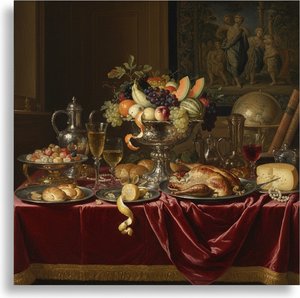
Abraham Hendricksz van Beyeren: Pioneering Dutch Still Life & the Banquet Tradition
Explore the captivating world of Dutch Golden Age still life with Abraham van Beyeren. Discover his innovative techniques, symbolic banquet scenes & lasting influence on art history. Learn about collecting these masterpieces.

Golden Light & Dutch Skies: The Timeless Magic of Dutch Golden Age Landscapes
Discover the breathtaking beauty of Dutch Golden Age landscapes. Explore the mastery of light, chiaroscuro, and 17th-century realism through an expert art history lens, celebrating the enduring legacy of the Dutch Masters for discerning collectors and art lovers.


