German Expressionism · 1914
Fighting Forms (Франц Марк, 1914)
Франц Марк (1880–1916) створив Fighting Forms. Дата створення — 1914. Він належить до напряму German Expressionism. Виконано в Олія на полотні. Екземпляр зберігається в Bayerische Staatsgemaldesammlungen у Мюнхен, Німеччина. Розмір: 91 × 131 cm
- 1914
- Олія на полотні
- 91 × 131 cm
- Bayerische Staatsgemaldesammlungen, Мюнхен

 Переглянути в інтер'єрі

 Картина олією ручної роботи
 Надіслати як листівку
 Поділитися
 Інформаційна картка


 Завантажити
 Схожі екземпляри
 Рентгенівське дослідження
 Слайд-шоу
 Питання та відповіді

 Статистика
Fighting Forms коротко
- Назва
- Fighting Forms
- Художник
- Франц Марк (1880–1916)
- Рік народження митця
- Мюнхен, Німеччина
- Дата
- 1914
- Матеріал
- Олія на полотні
- Розміри
- 91 × 131 cm
- Де подивитися
- Bayerische Staatsgemaldesammlungen, Мюнхен, Німеччина
Що зображено на Fighting Forms?
A Symphony of Conflict: Unpacking the Power of Franz Marc’s *Fighting Forms*
Franz Marc's 1914 painting, *Fighting Forms*, isn’t merely a visual representation; it’s an intensely felt experience. Created during a period of escalating anxieties surrounding the impending First World War, this work embodies the core tenets of Expressionism – a movement dedicated to conveying subjective emotions and inner turmoil rather than objective reality. Marc, a founding member of Der Blaue Reiter, sought to capture not just what he saw, but how he *felt*, channeling his spiritual concerns into a language of vibrant color and dynamic form. The painting immediately confronts the viewer with a swirling vortex of red and black, hues that instinctively evoke danger, struggle, and perhaps even death. Yet, within this apparent chaos lies a profound sense of yearning – a desperate plea for understanding amidst the looming darkness.
- The Palette of Emotion: Marc’s masterful use of color is paramount. The dominant reds represent aggression, violence, and the destructive forces threatening to consume humanity. These fiery tones are juxtaposed with the darker blacks and browns, symbolizing the unknown, the unconscious, and the inevitable consequences of conflict.
- Animal as Symbol: As a lifelong devotee of the animal kingdom, Marc frequently employed them as symbolic figures in his work. While not explicitly depicted here, the forms themselves suggest a primal struggle – a dance between predator and prey, life and death. This connection to the natural world provides a grounding element within the painting’s emotional intensity.
Deconstructing Abstract Forms: A Language of Tension
The composition of *Fighting Forms* is deliberately abstract, eschewing realistic representation in favor of conveying raw emotion. The swirling shapes aren't meant to depict specific objects or figures; instead, they embody the very essence of conflict – a chaotic interplay of opposing forces. Marc’s brushwork is loose and gestural, emphasizing movement and energy over precise detail. Notice how the lines seem to vibrate with an almost palpable tension, mirroring the anxieties of the era. The painting feels less like a static image and more like a captured moment of intense emotional upheaval – a visual representation of a battle waged not just on the battlefield, but within the human psyche.
Technique & Materials: Executed in oil on canvas, Marc’s technique is characterized by bold strokes and an expressive application of paint. The layering of colors creates depth and dynamism, while the loose brushwork contributes to the painting's overall sense of movement and urgency.Historical Context: A Precursor to War
To fully appreciate *Fighting Forms*, it’s crucial to understand its creation within the context of 1914. Europe was teetering on the brink of war, and Marc, like many artists of his time, felt a deep sense of foreboding. His work reflects this anxiety – not through explicit depictions of warfare, but through an exploration of the underlying emotions that fueled it: fear, uncertainty, and the potential for destruction. *Fighting Forms* can be seen as a visual meditation on the fragility of peace and the ever-present threat of violence. It’s a poignant reminder of how art can serve as a powerful reflection of its time.
A Legacy of Emotional Resonance
Franz Marc's *Fighting Forms* remains a profoundly moving work of art, continuing to resonate with viewers over a century later. Its abstract forms and emotionally charged colors capture the anxieties of a turbulent era while simultaneously offering a glimpse into the artist’s deeply held spiritual beliefs. Reproductions of this powerful painting offer an opportunity to bring its intensity into any space, prompting contemplation on themes of conflict, spirituality, and the enduring human condition. Consider how the vibrant hues might transform a room – injecting it with a sense of urgency and introspection.
У якому музеї зберігається Fighting Forms?
Bayerische Staatsgemaldesammlungen
Мюнхен, Німеччина
Історія Bayerische Staatsgemaldesammlungen Витоки Bayerische Staatsgemaldesammlungen сягають 1799 року, коли було засновано Centralgemäldegaleriedirektion. Розташована в Мюнхені, Німеччина, ця установа починала свій шлях як вишуканий простір, призначений для королівських колекцій. Це раннє призначення відображає епоху, коли мистецтво перебувало у приватних володіннях знаті, перш ніж перетворитися на той суспільний ресурс, яким воно є сьогодні.


Зображення високої роздільної здатності Fighting Forms

Суспільне надбання: художник помер у 1916 році.
Інші розміри, кадри та цитування →Франц Марк, Fighting Forms (1914).
Франц Марк (1880–1916), Fighting Forms, 1914, олія на полотні, Bayerische Staatsgemaldesammlungen, Мюнхен, Німеччина. Суспільне надбання Зображення: OriginalUniqueArt.com.
Відповіді на запитання про Fighting Forms
Де можна побачити оригінал «Fighting Forms» роботи Франц Марк?
Оригінал твору «Fighting Forms» можна побачити в Bayerische Staatsgemaldesammlungen, Мюнхен, Німеччина.
У якому році було створено "Fighting Forms"?
«Fighting Forms» роботи Франц Марк було створено у 1914 році.
Яка техніка використана у творі "Fighting Forms"?
Техніка виконання «Fighting Forms» роботи Франц Марк — Олія на полотні. Репродукції мають на меті відтворити вигляд цієї техніки.
Які розміри оригінального твору «Fighting Forms» роботи Франц Марк?
«Fighting Forms» має розмір 91 x 131 cm в оригіналі. Оригінальні розміри є корисним орієнтиром під час вибору розміру репродукції.
Чи можна вільно відтворювати зображення «Fighting Forms» роботи Франц Марк?
Щодо авторського права, «Fighting Forms» є є суспільним надбанням — термін дії авторського права закінчився.
Якому художнику приписують роботу "Fighting Forms"?
«Fighting Forms» приписують Франц Марк.
До якого художнього напряму належить «Fighting Forms» роботи Франц Марк?
«Fighting Forms» — це твір у стилі German Expressionism. Назва течії вказує на художню традицію, до якої належить цей твір.
До якого періоду творчості Франц Марк належить твір "Fighting Forms"?
«Fighting Forms» належить до Late Period творчого шляху Франц Марк. Ця класифікація пов’язує твір із етапом становлення митця.
Скільки років було Франц Марк, коли було створено «Fighting Forms»?
Франц Марк створив(ла) «Fighting Forms» у віці 34 років. Митець народився(лася) у 1880, а дата створення твору — 1914.
Про художника Франц Марк

1880–1916, Німеччина
Франц Марк
Ранні роки, родина та навчання Франц Марк народився в Мюнхені, Німеччина, у родині, де візуальна мова пейзажу вже була міцним фундаментом. Його батько, Вільгельм Марк, працював професійним художником-пейзажистом, що забезпечило синові пряме, хоча й не цілком визначене, знайомство з механікою мистецтва. Цей сімейний зв'язок означав, що інструменти майстерності були поруч із ним від самого початку, проте шлях Марка не був прямою лінією від спадщини до полотна. Перш ніж присвятити себе живопису, він витратив час на глибоке занурення в теологію — період духовних пошуків, який згодом визначив інтенсивність його візуального вираження.
Також за участю Франц Марк
 Блакитний кінь I1911
 без назви (4325)
 Великі сині коні1911
 Тироль1914
Есе до твору Fighting Forms
 The Visceral Language of Emotion: Exploring Representations of Intense Feeling in Art HistoryExplore the profound history of emotional representation in art. Discover how masters like Goya evoked feeling & the impact of affect theor…
 25 Masterpieces by Franz Marc: The Soul of German ExpressionismFranz Marc co-founded the Blue Rider movement in Munich. See 25 works including The Large Blue Horses and Tyrol from the era of Expressioni…
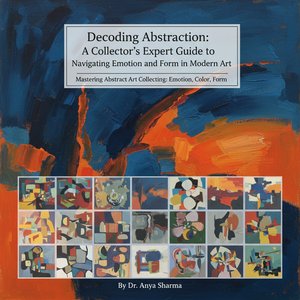 За межами зображення: Розшифровуючи емоції та значення в сучасному абстрактному мистецтвіРозкрийте глибину абстрактного мистецтва! Дослідіть історію, техніки та вплив ключових художників. Експертна аналітика для колекціонерів та…