

 Переглянути в інтер'єрі
 Надіслати як листівку
 Поділитися
 Деталі витвору
 Посібник

 Завантажити
 Схожі екземпляри
 Рентгенівське дослідження
 Слайд-шоу
 Статистика
The Lacemaker


 Розгорнути текст
Гікле / Художній принт
Друк جيкле або на полотні музейної якості з оперативним виготовленням та різноманітними варіантами фінішної обробки. ( Замовити картину ручної роботи Перейти до цифрових зображень)




P118B ₴10

P118H ₴10

P118W ₴10

P438Z ₴10

P508JH ₴12

P508YH ₴12

P805H ₴10

P805Z ₴10

P919BZ ₴10

P919G ₴10

P919XJ ₴10

P959ZH ₴10

P968JZ ₴12

W106C ₴8

W218G ₴10

W218JH ₴8

W218Y ₴10

W307PJ ₴10

W316G ₴10

W316PJ ₴8

W316Y ₴10

W398PJ ₴8

W4111J ₴10

W500HY ₴15

W500JH ₴15

W692G ₴12

W849H ₴8

W940BG ₴15

W953PJ ₴8




Обирайте з наших стандартних розмірів, що відповідають оригінальним пропорціям твору мистецтва.

Введіть необхідну ширину та висоту, щоб принт ідеально підійшов до вашої рами або стіни. Принт можна лише обрізати, але не можна зробити більшим за оригінал, тому при зміні пропорцій частина зображення буде втрачена. Перед друком ми надсилаємо вам цифровий макет для затвердження. Зображення на цій сторінці не відображає реальну обрізку — її можна побачити лише на макеті.
Доставка по всьому світу () за 2 тижні замість стандартних 4/5 тижнів. (26 Жовтень)

Безкоштовна експрес-доставка по всьому світу

Високоякісне лляне полотно

Повне страхове покриття доставки

Гарантія повернення митних зборів

Гарантія точного відтворення кольорів

Політика повернення протягом 100 днів (лише у разі виявлення дефектів)

Гарантія повернення 100% коштів

Пропозиція на оптові замовлення
 Скляний варіант доступний лише для розмірів до 110 см

The Lacemaker
Гікле / Художній принт
Розмір репродукції
-


Підсумкова вартість
₴ 3591
A Symphony of Silence and Skill
In the quiet corners of the Dutch Golden Age, there exists a profound beauty found not in grand spectacles, but in the rhythmic, meditative pulse of everyday life. The Lacemaker serves as a breathtaking window into this era of domestic tranquility. The painting captures a young woman lost in the delicate, painstaking labor of her craft, her focus so absolute that the world around her seems to dissolve into a soft, atmospheric haze. As she sits before her work, the viewer is invited to share in her solitude, experiencing a moment of stillness that feels both timeless and deeply intimate. This is not merely a portrait of a worker; it is an invitation to appreciate the dignity found in concentration and the quiet grace of a life lived with purpose.
The composition is a masterclass in the fijnschilder style, a technique synonymous with the legendary Dutch masters of Leiden. Every inch of the canvas vibrates with meticulous detail, from the intricate patterns of the lace to the heavy, tactile presence of the crimson and black patterned cloth draped across the table. The artist employs a sophisticated use of light—a soft, diffused glow that seems to emanebate from an unseen window, casting gentle shadows that lend a remarkable three-dimensionality to the scene. This subtle manipulation of luminosity creates a sense of depth, pulling the viewer into the room and making the textures of fabric, porcelain, and skin feel almost touchable. For the discerning collector or interior designer, this level of technical brilliance offers a piece that commands attention through its subtlety rather than through loud, jarring colors.
Symbolism and the Art of Observation
Beyond its surface beauty, The Lacemaker is rich with the symbolic language of the 17th century. The act of lacemaking itself was often viewed as a metaphor for virtue, patience, and the careful weaving of one's destiny. The woman’s composed posture and downward gaze reflect a sense of moral fortitude and intellectual engagement, suggesting that even the most humble domestic tasks can be elevated to an art form. The presence of the mirror on the table adds a layer of introspective depth, reflecting her image back to us and creating a psychological loop that emphasizes themes of self-reflection and the duality of public duty versus private thought.
The color palette is intentionally balanced to evoke a sense of calm yet sophisticated elegance. The vibrant red of the tablecloth provides a striking counterpoint to the muted, pearlescent tones of the woman’s attire, ensuring that the eye is drawn naturally toward her hands—the very site of her creative struggle and triumph. This careful orchestration of color and light makes the painting an ideal centerpiece for a curated space, offering a sense of historical weight and refined taste. Whether placed in a sunlit study or a more formal gallery setting, a high-quality reproduction of this masterpiece brings with it an aura of serenity and a profound connection to the enduring legacy of Dutch excellence.
Питання та відповіді
Наскільки відомим є твір "The Lacemaker" автора Frans van Mieris?
«The Lacemaker» роботи Frans van Mieris має Iconic рівень популярності. Ця класифікація відображає ступінь впізнаваності цього твору.
Яку атмосферу привносить «The Lacemaker» роботи Frans van Mieris в інтер'єр?
«The Lacemaker» роботи Frans van Mieris має Serene атмосферу і чудово підійде для Living Room. Настрій — це те, що цей твір привносить у навколишній простір.
Який розмір репродукції рекомендується для «The Lacemaker» роботи Frans van Mieris?
Для роботи "The Lacemaker" рекомендується розмір друку Medium. Також доступні інші розміри з тими ж пропорціями.
Біографія митця
Життя, занурене в деталі: Світ Франса ван Мьєріса Старшого
Франс ван Мьєріс Старший — ім'я, що стало синонімом ретельної деталізації та витонченого артистизму, посідає значне місце в історії нідерландського Золотого віку. Народившись у Лейдені в 1635 році, він обрав шлях, що відрізнявся від сімейної справи ювеліра — ремесла, яким займався його батько, Ян Бастіанс ван Мьєріс, — і присвятив себе чарівному світу живопису. Ця рання схильність до малювання підготувала ґрунт для кар'єри, яка б визначила стиль «фійньшільдер» та запропонувала інтимний погляд на нідерландське суспільство XVII століття. Його перше навчання у Абрахама Тооренфліта, а згодом вирішальні уроки від шанованого Герріта Доу, заклали міцний фундамент, на якому він вибудував свій самобутній художній голос. Ці роки становлення прищепили йому не лише технічну майстерність, а й глибоке розуміння наративної нюанси та силу тонкого спостереження.Сходження «фійньшільдера»
Ван Мьєріс швидко здобув славу майстра *fijnschilder* — нідерландського терміна, що означає «тонке живописне письмо». Ця техніка характеризувалася майже одержимою увагою до деталей, гладким та відшліфованим мазком і перевагою невеликих полотен. Йшлося не просто про відтворення реальності, а про її піднесення через неймовірну точність. Поверхні на його картинах ніби мерехтять життям: блиск атласу, делікатна текстура оксамиту, відблиск металу — усе передано з приголомшливою точністю. Він не просто малював кімнату; він відтворював саму атмосферу всередині неї, запрошуючи глядача в сцени домашнього затишку та достатку. Тематика його робіт часто оберталася навколо життя заможних верств: елегантні зібрання, вишукані інтер'єри, портрети, що вловлювали не лише зовнішність, а й характер. Повторювані мотиви, такі як обіди з устрицями, візити лікарів до пацієнтів та жінки, залучені до повсякденних справ, ставали вікнами у звичаї та соціальні ритуали вищих класів. Хоча спочатку він перебував під сильним впливом стилю Герріта Доу, Ван Мьєріс поступово розробив власний унікальний підхід. Він відійшов від надмірної деталізації на користь більшого акценту на взаємодії між постатями та розвитку сюжету всередині композицій. Пізніші роботи іноді демонструють темніші тональні якості порівняно з яскравішою палітрою його ранніх полотен, що відображає зростання зрілості та художнього пошуку.Знакові твори та нев'януча спадщина
Кілька ключових творів слугують свідченням майстерності Ван Мьєріса та еволюції його стилю. «Візит лікаря» (1657), що вважається одним із його найперших датованих і найважливіших шедеврів, демонструє його зросталу незалежність від впливу Доу. Ця картина є майстерним класом у передачі тихої напруги медичного огляду, виконаного з приголомшливим рівнем реалізму. Його «Автопортрет із цитерною» не менш захоплює, демонструючи здатність зображувати розкішне вбрання, одночасно передаючи відчуття особистості та інтроспекції. «Портрет дружини художника, Кунери ван дер Кок» уособлює його майстерність у портретному жанрі, підкреслюючи як технічну вправність, так і розуміння *chiaroscuro* — драматичної гри світла й тіні. Окрім жанрових сцен та портретів, Ван Мьєріс також звертався до алегоричного живопису, наприклад, зображуючи такі пороки, як пияцтво, паління та азартні ігри, що демонструвало широту його творчих можливостей. Вплив Франса ван Мьєріса вийшов далеко за межі його власного життя. Його спадщина відгукнулася в межах родини: його син Віллем ван Мьєріс (1662–1747) та внук Франс ван Мьєріс Молодший (1689–1763) обоє стали видатними майстрами жанрового живопису, продовжуючи художню традицію. Популярність його стилю також породила численних послідовників, найбільш примітним з яких був А. Д. Снафхан, який працював у Лейпцигу та мав покровительство двору Ангальт-Дессау.Безцінний внесок у нідерландське мистецтво
Франс ван Мьєріс відіграв ключову роль у формуванні руху *fijnschilder* у живописі нідерландського Золотого віку. Його відданість ретельним деталям, реалістичне зображення повсякденного життя та вищого суспільства, а також технічний блиск зробили вагомий внесок в епоху, яка вже була відома своїми мистецькими інноваціями. Він користувався покровительством видатних постатей, включаючи архідука Леопольда та Козімо III де' Медічі, що є свідченням міжнародного визнання його таланту. Навіть сьогодні його роботи продовжують захоплювати аудиторію своєю вишуканою майстерністю та проникливим зображенням культури XVII століття. Крадіжка автопортрета з Художньої галереї Нового Південного Уельсу в Сіднеї слугує ще одним нагадуванням про незмінну цінність і привабливість його мистецтва — спадщини, що продовжує надихати та інтригувати колекціонерів і поціновувачів мистецтва. Його картини — це не просто історичні артефакти; це вікна в минулу епоху, ретельно створені та сповнені позачасової краси.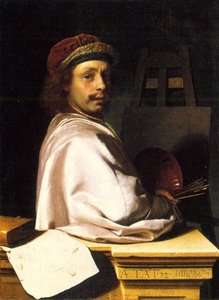
Frans van Mieris
1635 - 1681 , Нідерланди
Короткі факти
- Artistic Movement Or Style: Финшильдер
- Artists Or Movements Influenced By This Artist: ['Геррит Доу']
- Artists Who Influenced This Artist: ['Геррит Доу']
- Date Of Birth: Лейден, Нидерланды (1635)
- Date Of Death: 1681
- Full Name: Франс ван Мьерейс Старший
- Nationality: Нидерландский
- Notable Artworks:
- Доктор и пациент
- Портрет художника с цитерной
- Place Of Birth: Лейден
Пов'язані статті

Johannes Vermeer: Light, Intimacy & the Dutch Golden Age – A Comprehensive Exploration
Explore the life, techniques & enduring legacy of Johannes Vermeer, a master of Dutch Golden Age painting. Discover symbolism in his iconic works like 'The Milkmaid' and learn about his revolutionary use of light.

Golden Age Reflections: Dutch Baroque Painting & Cultural Innovation
Explore the Dutch Golden Age of painting! Discover key artists like Vermeer & ter Borch, their innovative techniques, and the rich cultural context behind these Baroque masterpieces. Learn about collecting & appreciating this iconic art period.

Illuminating Innovation: Exploring the Dutch Golden Age of Painting
Explore the Dutch Golden Age of painting with OriginalUniqueArt. Discover Rembrandt, Vermeer & other Masters. Learn about key characteristics, iconic artworks, and lasting influence. Expert insights for collectors & enthusiasts.

Golden Light & Dutch Skies: The Timeless Magic of Dutch Golden Age Landscapes
Discover the breathtaking beauty of Dutch Golden Age landscapes. Explore the mastery of light, chiaroscuro, and 17th-century realism through an expert art history lens, celebrating the enduring legacy of the Dutch Masters for discerning collectors and art lovers.

Топ-10 шедеврів Золотої доби нідерландського мистецтва | OriginalUniqueArt.com
Відкрийте для себе 10 шедеврів Золотої доби нідерландського мистецтва! Рембрандт, Вермеєр та інші майстри. Історія створення, унікальні техніки та натхнення для вашого інтер'єру. Репродукції картин високої якості – OriginalUniqueArt.com
