

 Переглянути в інтер'єрі
 Надіслати як листівку
 Поділитися
 Деталі витвору
 Посібник

 Завантажити
 Схожі екземпляри
 Рентгенівське дослідження
 Слайд-шоу
 Статистика
Boy Blowing Bubbles
 Олія на твердій основі
- Dutch Golden Age
 1663
1663 26.0 x 19.0 cm
 Маурітшгайс
 Розгорнути текст
Олійная репродукція ручної роботи
Написана вручну олією на полотні у вашому розмірі та рамі, виготовлена на замовлення нашими художниками. ( Перейти до друку Перейти до цифрових зображень)




P118B ₴10

P118H ₴10

P118W ₴10

P438Z ₴10

P508JH ₴12

P508YH ₴12

P805H ₴10

P805Z ₴10

P919BZ ₴10

P919G ₴10

P919XJ ₴10

P959ZH ₴10

P968JZ ₴12

W106C ₴8

W218G ₴10

W218JH ₴8

W218Y ₴10

W307PJ ₴10

W316G ₴10

W316PJ ₴8

W316Y ₴10

W398PJ ₴8

W4111J ₴10

W500HY ₴15

W500JH ₴15

W692G ₴12

W849H ₴8

W940BG ₴15

W953PJ ₴8




Обирайте з наших стандартних розмірів, що відповідають оригінальним пропорціям твору мистецтва.

Введіть необхідну ширину та висоту, щоб картина підійшла до вашої рами або стіни. Оскільки це ручний розпис, для зміни пропорцій художник може дописати трохи більше по краях або дещо обрізати композицію — вибір за вами. Перед початком роботи ми надішлемо вам цифровий макет для затвердження. Зображення, показане на цій сторінці, не є реальним результатом — лише макет відображає майбутній вигляд.
Після оформлення замовлення команда OriginalUniqueArt.com зв'яжеться з клієнтом електронною поштою для отримання інструкцій та надасть попередній макет
Доставка по всьому світу () за 3–4 тижні замість стандартних 5 тижнів. (25 Жовтень). Без жодних компромісів у якості.

Безкоштовна експрес-доставка по всьому світу

Високоякісне лляне полотно

Повне страхове покриття доставки

Гарантія повернення митних зборів

Гарантія точного відтворення кольорів

Політика повернення протягом 100 днів (лише у разі виявлення дефектів)

Гарантія повернення 100% коштів

Пропозиція на оптові замовлення
 Скляний варіант доступний лише для розмірів до 110 см

Boy Blowing Bubbles
Матеріал репродукції
Розмір репродукції
-


Підсумкова вартість
₴ 13465
The Enigmatic Charm of Frans van Mieris’ “Boy Blowing Bubbles”
Frans van Mieris the Elder's "Boy Blowing Bubbles," painted in 1663, isn’t merely a charming depiction of childhood; it’s a meticulously crafted window into the heart of the Dutch Golden Age. This oil on panel painting, now residing within the hallowed halls of the Mauritshuis museum in The Hague, transcends simple portraiture to become a profound meditation on transience, innocence, and the subtle beauty found within everyday life. Van Mieris, a master of the *fijnschilder* style – renowned for its exquisite detail and nuanced observation – has created an image that continues to captivate viewers centuries after its creation.
The painting immediately draws the eye to the central figure: a young boy lost in the simple pleasure of blowing bubbles. His posture, his focused gaze, and the delicate spheres floating around him evoke a sense of pure joy and unburdened innocence. Yet, beneath this apparent lightness lies a carefully constructed symbolism. The artist’s genius lies not just in capturing a fleeting moment but in imbuing it with layers of meaning rooted in the artistic conventions of his time.
A Window into Dutch Society: Context and Style
To fully appreciate “Boy Blowing Bubbles,” one must understand the context within which it was created. The Dutch Golden Age, spanning roughly from the mid-16th to the early 18th centuries, witnessed an unprecedented flourishing of art, commerce, and intellectual life. Artists like Van Mieris were tasked with documenting this era, capturing not only the grandeur of courtly life but also the quiet rhythms of domestic existence. Van Mieris’s style exemplifies this commitment to realism, yet it's elevated by a remarkable sensitivity to light, color, and texture – hallmarks of the *fijnschilder* movement.
The painting’s composition is deliberately balanced, drawing attention to the intricate details within the background. The ornate window frame, adorned with flowers, a birdcage, and a vase, serves as a miniature landscape in itself, reflecting the wealth and sophistication of the era. Notice how Van Mieris masterfully uses light to create depth and dimension, casting soft shadows that enhance the realism of the scene. The subtle variations in color – from the earthy tones of the furniture to the vibrant hues of the flowers – contribute to the painting’s overall harmony.
Symbolism and the Language of Vanitas
“Boy Blowing Bubbles” is deeply intertwined with the concept of *vanitas*, a prevalent theme in Dutch Golden Age art. *Vanitas* paintings served as reminders of mortality, urging viewers to contemplate the fleeting nature of earthly pleasures and possessions. The bubbles themselves are potent symbols of this transience – beautiful, ephemeral, and destined to disappear. The broken pot in the background further reinforces this idea, representing decay and loss.
However, Van Mieris doesn’t present a purely pessimistic view. The boy's joy is palpable, suggesting that even amidst the awareness of mortality, there is value in embracing the simple pleasures of life. The painting can be interpreted as a celebration of youth, innocence, and the beauty of fleeting moments – a poignant reminder to cherish the present.
A Timeless Masterpiece: Reproduction and Legacy
“Boy Blowing Bubbles” has resonated with audiences for centuries, inspiring countless reproductions and interpretations. Its enduring appeal lies in its ability to evoke a sense of nostalgia, wonder, and quiet contemplation. Today, high-quality reproductions capture the painting’s exquisite detail and luminous quality, allowing art lovers to bring this masterpiece into their homes or offices.
Whether displayed as a statement piece in a contemporary interior or studied for its historical significance, “Boy Blowing Bubbles” remains a testament to Frans van Mieris's artistic genius and a captivating window into the soul of the Dutch Golden Age. Its delicate beauty and profound symbolism continue to inspire and delight viewers around the world.
Питання та відповіді
Де я можу знайти гід до «Boy Blowing Bubbles»?
Для «Boy Blowing Bubbles» роботи Frans van Mieris доступна сторінка Довідка для студентів: друкований інформаційний лист про витвір мистецтва, розроблений для студентів та використання в навчальному процесі.
Скільки років було Frans van Mieris, коли він(ла) створив(ла) "Boy Blowing Bubbles"?
Frans van Mieris створив(ла) «Boy Blowing Bubbles» у віці 28 років. Митець народився(лася) у 1635, а дата створення твору — 1663.
Яка насиченість кольорів у творі «Boy Blowing Bubbles» роботи Frans van Mieris?
Кольори в «Boy Blowing Bubbles» роботи Frans van Mieris мають Монохромність насиченість.
Біографія митця
Життя, занурене в деталі: Світ Франса ван Мьєріса Старшого
Франс ван Мьєріс Старший — ім'я, що стало синонімом ретельної деталізації та витонченого артистизму, посідає значне місце в історії нідерландського Золотого віку. Народившись у Лейдені в 1635 році, він обрав шлях, що відрізнявся від сімейної справи ювеліра — ремесла, яким займався його батько, Ян Бастіанс ван Мьєріс, — і присвятив себе чарівному світу живопису. Ця рання схильність до малювання підготувала ґрунт для кар'єри, яка б визначила стиль «фійньшільдер» та запропонувала інтимний погляд на нідерландське суспільство XVII століття. Його перше навчання у Абрахама Тооренфліта, а згодом вирішальні уроки від шанованого Герріта Доу, заклали міцний фундамент, на якому він вибудував свій самобутній художній голос. Ці роки становлення прищепили йому не лише технічну майстерність, а й глибоке розуміння наративної нюанси та силу тонкого спостереження.Сходження «фійньшільдера»
Ван Мьєріс швидко здобув славу майстра *fijnschilder* — нідерландського терміна, що означає «тонке живописне письмо». Ця техніка характеризувалася майже одержимою увагою до деталей, гладким та відшліфованим мазком і перевагою невеликих полотен. Йшлося не просто про відтворення реальності, а про її піднесення через неймовірну точність. Поверхні на його картинах ніби мерехтять життям: блиск атласу, делікатна текстура оксамиту, відблиск металу — усе передано з приголомшливою точністю. Він не просто малював кімнату; він відтворював саму атмосферу всередині неї, запрошуючи глядача в сцени домашнього затишку та достатку. Тематика його робіт часто оберталася навколо життя заможних верств: елегантні зібрання, вишукані інтер'єри, портрети, що вловлювали не лише зовнішність, а й характер. Повторювані мотиви, такі як обіди з устрицями, візити лікарів до пацієнтів та жінки, залучені до повсякденних справ, ставали вікнами у звичаї та соціальні ритуали вищих класів. Хоча спочатку він перебував під сильним впливом стилю Герріта Доу, Ван Мьєріс поступово розробив власний унікальний підхід. Він відійшов від надмірної деталізації на користь більшого акценту на взаємодії між постатями та розвитку сюжету всередині композицій. Пізніші роботи іноді демонструють темніші тональні якості порівняно з яскравішою палітрою його ранніх полотен, що відображає зростання зрілості та художнього пошуку.Знакові твори та нев'януча спадщина
Кілька ключових творів слугують свідченням майстерності Ван Мьєріса та еволюції його стилю. «Візит лікаря» (1657), що вважається одним із його найперших датованих і найважливіших шедеврів, демонструє його зросталу незалежність від впливу Доу. Ця картина є майстерним класом у передачі тихої напруги медичного огляду, виконаного з приголомшливим рівнем реалізму. Його «Автопортрет із цитерною» не менш захоплює, демонструючи здатність зображувати розкішне вбрання, одночасно передаючи відчуття особистості та інтроспекції. «Портрет дружини художника, Кунери ван дер Кок» уособлює його майстерність у портретному жанрі, підкреслюючи як технічну вправність, так і розуміння *chiaroscuro* — драматичної гри світла й тіні. Окрім жанрових сцен та портретів, Ван Мьєріс також звертався до алегоричного живопису, наприклад, зображуючи такі пороки, як пияцтво, паління та азартні ігри, що демонструвало широту його творчих можливостей. Вплив Франса ван Мьєріса вийшов далеко за межі його власного життя. Його спадщина відгукнулася в межах родини: його син Віллем ван Мьєріс (1662–1747) та внук Франс ван Мьєріс Молодший (1689–1763) обоє стали видатними майстрами жанрового живопису, продовжуючи художню традицію. Популярність його стилю також породила численних послідовників, найбільш примітним з яких був А. Д. Снафхан, який працював у Лейпцигу та мав покровительство двору Ангальт-Дессау.Безцінний внесок у нідерландське мистецтво
Франс ван Мьєріс відіграв ключову роль у формуванні руху *fijnschilder* у живописі нідерландського Золотого віку. Його відданість ретельним деталям, реалістичне зображення повсякденного життя та вищого суспільства, а також технічний блиск зробили вагомий внесок в епоху, яка вже була відома своїми мистецькими інноваціями. Він користувався покровительством видатних постатей, включаючи архідука Леопольда та Козімо III де' Медічі, що є свідченням міжнародного визнання його таланту. Навіть сьогодні його роботи продовжують захоплювати аудиторію своєю вишуканою майстерністю та проникливим зображенням культури XVII століття. Крадіжка автопортрета з Художньої галереї Нового Південного Уельсу в Сіднеї слугує ще одним нагадуванням про незмінну цінність і привабливість його мистецтва — спадщини, що продовжує надихати та інтригувати колекціонерів і поціновувачів мистецтва. Його картини — це не просто історичні артефакти; це вікна в минулу епоху, ретельно створені та сповнені позачасової краси.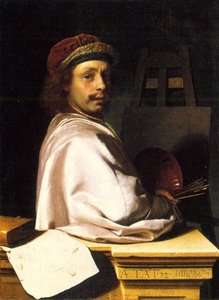
Frans van Mieris
1635 - 1681 , Нідерланди
Короткі факти
- Artistic Movement Or Style: Финшильдер
- Artists Or Movements Influenced By This Artist: ['Геррит Доу']
- Artists Who Influenced This Artist: ['Геррит Доу']
- Date Of Birth: Лейден, Нидерланды (1635)
- Date Of Death: 1681
- Full Name: Франс ван Мьерейс Старший
- Nationality: Нидерландский
- Notable Artworks:
- Доктор и пациент
- Портрет художника с цитерной
- Place Of Birth: Лейден
Пов'язані статті

Рембрандт ван Рейн: Топ-25 шедеврів для вашого дому | OriginalUniqueArt
Пориньте у світ Рембрандта ван Рейна! 25 культових шедеврів бароко, портретів та біблійних сцен. Купіть високоякісні репродукції картин Рембрандта для вашого дому на OriginalUniqueArt.com – музейне мистецтво онлайн!

Illuminating Innovation: Exploring the Dutch Golden Age of Painting
Explore the Dutch Golden Age of painting with OriginalUniqueArt. Discover Rembrandt, Vermeer & other Masters. Learn about key characteristics, iconic artworks, and lasting influence. Expert insights for collectors & enthusiasts.

Mastering Light & Shadow: A Journey Through the Dutch Golden Age's Luminous Legacy
Embark on a cultural journey through the Dutch Golden Age. Explore the masterful interplay of light and shadow in 17th-century masterpieces, from Rembrandt to Vermeer, and discover how this era of profound realism continues to inspire fine art collectors today.

Топ-10 шедеврів Золотої доби нідерландського мистецтва | OriginalUniqueArt.com
Відкрийте для себе 10 шедеврів Золотої доби нідерландського мистецтва! Рембрандт, Вермеєр та інші майстри. Історія створення, унікальні техніки та натхнення для вашого інтер'єру. Репродукції картин високої якості – OriginalUniqueArt.com

Golden Light & Dutch Skies: The Timeless Magic of Dutch Golden Age Landscapes
Discover the breathtaking beauty of Dutch Golden Age landscapes. Explore the mastery of light, chiaroscuro, and 17th-century realism through an expert art history lens, celebrating the enduring legacy of the Dutch Masters for discerning collectors and art lovers.
