
 Переглянути в інтер'єрі
 Надіслати
 Поділитися
 Деталі
 Посібник

 Завантажити
 Схожі предмети колекціонування
 Рентгенівське дослідження
 Слайд-шоу
 Статистика переглядів
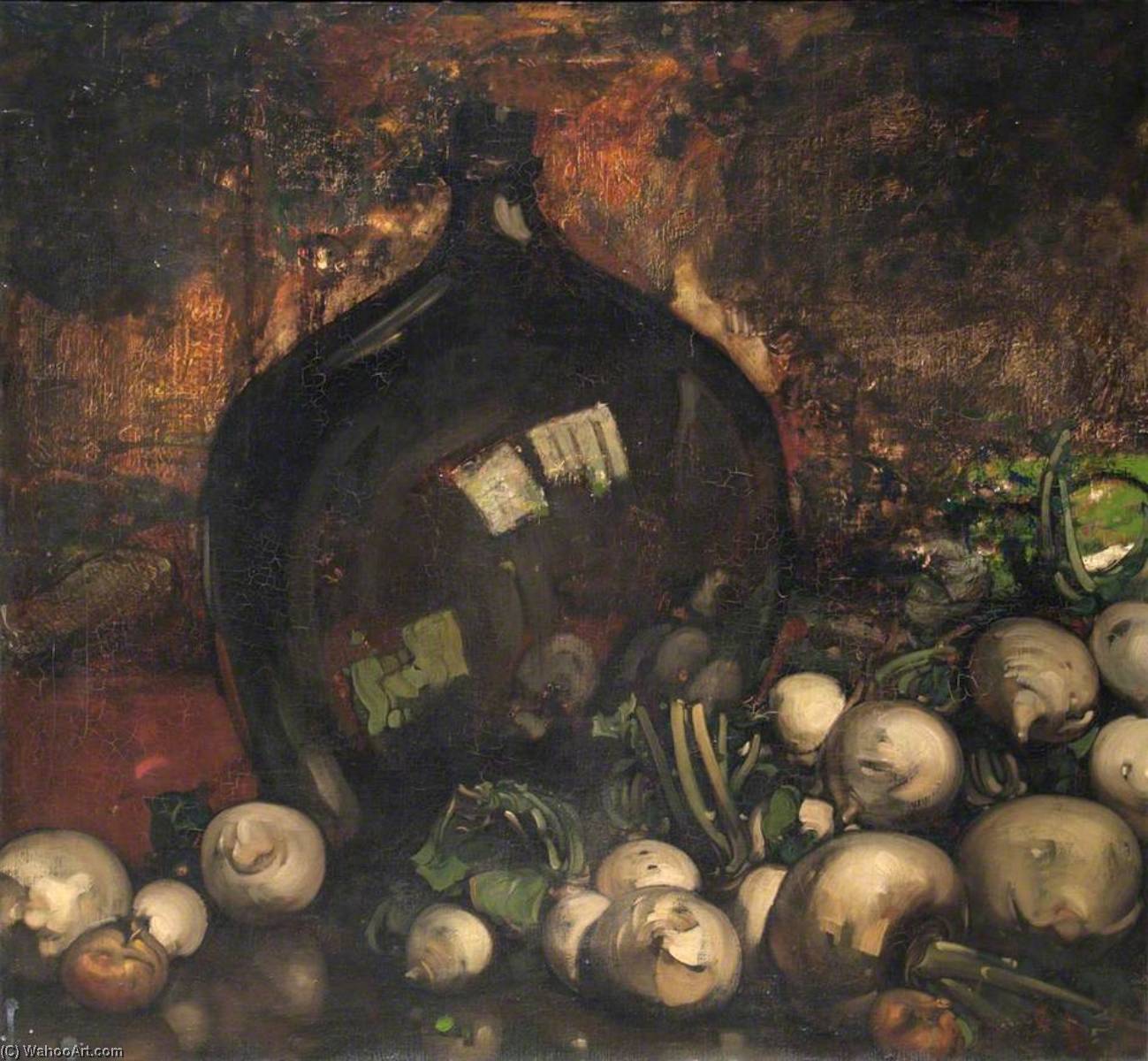
Turnips
 1902
1902 94.0 x 96.0 cm
 Читати далі
Олійная репродукція ручної роботи
Написана вручну олією на полотні у вашому розмірі та рамі, виготовлена на замовлення нашими художниками. ( Перейти до друку Перейти до цифрових зображень)




































Обирайте з наших стандартних розмірів, що відповідають оригінальним пропорціям твору мистецтва.

Type the width and the height you need, to fit your frame or your wall. This is hand-painted, so for a size with a different shape the artist can paint a bit more around the picture, or cut a bit — you choose. We send you a digital mockup to approve before the painting starts. The picture shown on this page does not show the real result — only the mockup does.
Після оформлення замовлення команда OriginalUniqueArt.com зв'яжеться з клієнтом електронною поштою для отримання інструкцій та надасть попередній макет
Доставка по всьому світу () за 3–4 тижні замість стандартних 5 тижнів. (14 Жовтень). Без жодних компромісів у якості.

Безкоштовна експрес-доставка по всьому світу

Високоякісне лляне полотно

Повне страхове покриття доставки

Гарантія повернення митних зборів

Гарантія точного відтворення кольорів

Політика повернення протягом 100 днів (лише у разі виявлення дефектів)

Гарантія повернення 100% коштів

Знижка на оптові замовлення
 Скляний варіант доступний лише для розмірів до 110 см

Turnips
Техніка репродукції
Розмір репродукції
-


Загальна вартість
₴ 13401
Біографія митця
A Life Forged in Light and Labor: The World of Frank Brangwyn
Sir Frank William Brangwyn, a name synonymous with vibrant color, dramatic landscapes, and the spirit of exploration, was born in Bruges, Belgium, on May 13th, 1867. His early life, steeped in artistic tradition through his father’s work as an ecclesiastical architect, laid the foundation for a career that would span decades and leave an indelible mark on British art and decorative design. His family's relocation to England in 1875 exposed young Frank to the burgeoning artistic scene of London, fostering within him a self-directed approach to learning – skipping classes at Westminster City School to immerse himself in the treasures of the South Kensington Museum and observing the techniques of master artists like Arthur Heygate Mackmurdo. This unconventional education nurtured an independent spirit that would define his unique artistic vision. Early apprenticeships with William Morris, initially focused on practical skills such as glazing and embroidery, introduced him to the core principles of the Arts and Crafts movement – a commitment to integrating art into everyday life and celebrating craftsmanship. However, it was Brangwyn’s own passion for painting that truly ignited his creative fire, culminating in a prestigious medal at the 1891 Paris Salon for his evocative “Funeral at Sea,” a pivotal moment that solidified his dedication to artistic expression.From Maritime Scenes to Orientalist Visions
Brangwyn's initial artistic focus was firmly rooted in the world of the sea – a subject he approached with meticulous detail and an acute understanding of atmospheric effects. His early works, such as “Shipping in Open Seas” (1889), captured the drama and toil of maritime life, reflecting both his personal fascination and the prevailing tastes of the era. However, it was during extensive travels throughout the 1890s – to Istanbul, Spain, Egypt, Turkey, and Morocco – that Brangwyn’s artistic horizons dramatically expanded. These journeys proved transformative, imbuing his work with a newfound vibrancy, exotic motifs, and an appreciation for the interplay of light and color. The influence of Orientalism is powerfully evident in paintings like “The Golden Horn, Constantinople,” showcasing a shift towards bolder palettes and a more expressive approach to composition. This wasn’t merely a stylistic change; it represented a conscious effort by Brangwyn to break free from conventional artistic constraints and embrace the richness and complexity of the cultures he encountered. He became an exceptionally versatile artist, seamlessly transitioning between various mediums – painting, drawing, engraving, illustration, stained glass design, furniture design, and ceramics – demonstrating a remarkable adaptability and a deep engagement with diverse artistic traditions. His collaborations with Japanese artist Urushibara Mokuchu on woodblock prints further exemplify this willingness to experiment and fuse different cultural influences.A Prolific Output and Monumental Commissions
The sheer volume of Brangwyn’s creative output is truly astonishing – estimated at over 12,000 works encompassing a vast range of media. This prolific productivity was fueled by an unwavering dedication to his craft and an insatiable curiosity about the world around him. He became renowned for his large-scale mural commissions, characterized by their breathtaking scale, vibrant colors, intricate detail, and often monumental presence. A particularly significant moment arrived in 1895 when Siegfried Bing, a prominent art dealer, commissioned Brangwyn to decorate the exterior of Galerie l’Art Nouveau in Paris – an opportunity that opened doors to a wider international audience and further solidified his reputation as a leading figure in decorative arts. Beyond murals, Brangwyn produced numerous illustrations for publications, including a six-volume reprint of Edward William Lane’s “One Thousand and One Nights,” showcasing his talent for narrative detail and capturing the exotic allure of distant lands. His work spanned diverse projects – from designing stained glass panels to creating furniture and ceramics – reflecting his multifaceted artistic vision. However, perhaps the most ambitious and ultimately controversial undertaking was his commission in 1924 to create a series of murals depicting scenes from the British Empire for the House of Lords. While initially embraced, these monumental works were eventually rejected by Parliament due to their perceived suitability for the setting, finding a new home instead in Swansea’s Guildhall as the centerpiece of the Brangwyn Hall – a lasting testament to his artistic legacy.Key Achievements and Recognition
Throughout his illustrious career, Frank Brangwyn received numerous accolades recognizing his exceptional talent and contributions to the art world. He was knighted in 1941, a testament to his distinguished service to the nation. He became an Associate of the Royal Academy in 1904 and a full Royal Academician in 1919, further cementing his position as one of Britain’s leading artists. In 1925-26, he served as President of the Society of Graphic Art, demonstrating his commitment to fostering artistic innovation. His work was exhibited internationally, garnering critical acclaim and establishing him as a respected figure on the European art scene. Notably, in 1936, Brangwyn presented Bruges with over 400 works – a generous gift that now resides in the Arents House Museum in Belgium, symbolizing his enduring connection to his birthplace. His legacy extends beyond individual artworks; he played a significant role in shaping the aesthetic landscape of Britain and Europe during a period of profound artistic and cultural change.A Lasting Influence
Frank Brangwyn’s life was a testament to the power of dedication, innovation, and an unwavering commitment to artistic expression. His journey from a young apprentice to a celebrated artist reflects his remarkable adaptability and his ability to transcend stylistic boundaries. His murals, in particular, transformed public spaces into vibrant showcases of color and imagination, leaving a lasting impact on British art history. Brangwyn’s prolific output and versatility established him as a significant figure in late 19th and early 20th-century art, demonstrating a remarkable ability to adapt and innovate throughout his long and distinguished career. He was not merely an artist; he was a designer, a craftsman, and a visionary who sought to enrich the world around him with beauty and artistry. His influence continues to be felt today, inspiring artists and designers alike to embrace experimentation, celebrate diversity, and strive for excellence in all their endeavors.
Франк Бранґвін
1867 - 1956 , Belgium
Довідкова інформація
- Full Name: Sir Frank William Brangwyn
- Nationality: British
- Date Of Birth: 1867
- Date Of Death: 1956
- Place Of Birth: Bruges, Belgium
- Notable Artworks:
- Funeral at Sea
- The Golden Horn
- Arab Musicians
- Begonias
- Artistic Movement Or Style: Arts & Crafts, Orientalism
- Artists Who Influenced This Artist: ['William Morris']
- Artists Or Movements Influenced By This Artist: ['British decorative arts']