Переглянути в інтер'єрі
 Надіслати як листівку
 Поділитися
 Деталі витвору
 Посібник

 Завантажити
 Схожі екземпляри
 Рентгенівське дослідження
 Слайд-шоу
 Питання та відповіді
 Статистика
San Bruno


 Розгорнути текст
Гікле / Художній принт
Друк جيкле або на полотні музейної якості з оперативним виготовленням та різноманітними варіантами фінішної обробки. ( Замовити картину ручної роботи Перейти до цифрових зображень)




P118B ₴10

P118H ₴10

P118W ₴10

P438Z ₴10

P508JH ₴12

P508YH ₴12

P805H ₴10

P805Z ₴10

P919BZ ₴10

P919G ₴10

P919XJ ₴10

P959ZH ₴10

P968JZ ₴12

W106C ₴8

W218G ₴10

W218JH ₴8

W218Y ₴10

W307PJ ₴10

W316G ₴10

W316PJ ₴8

W316Y ₴10

W398PJ ₴8

W4111J ₴10

W500HY ₴15

W500JH ₴15

W692G ₴12

W849H ₴8

W940BG ₴15

W953PJ ₴8




Обирайте з наших стандартних розмірів, що відповідають оригінальним пропорціям твору мистецтва.

Введіть необхідну ширину та висоту, щоб принт ідеально підійшов до вашої рами або стіни. Принт можна лише обрізати, але не можна зробити більшим за оригінал, тому при зміні пропорцій частина зображення буде втрачена. Перед друком ми надсилаємо вам цифровий макет для затвердження. Зображення на цій сторінці не відображає реальну обрізку — її можна побачити лише на макеті.
Доставка по всьому світу () за 2 тижні замість стандартних 4/5 тижнів. (4 Листопад)

Безкоштовна експрес-доставка по всьому світу

Високоякісне лляне полотно

Повне страхове покриття доставки

Гарантія повернення митних зборів

Гарантія точного відтворення кольорів

Політика повернення протягом 100 днів (лише у разі виявлення дефектів)

Гарантія повернення 100% коштів

Пропозиція на оптові замовлення
 Скляний варіант доступний лише для розмірів до 110 см

San Bruno
Гікле / Художній принт
Розмір репродукції
-


Підсумкова вартість
₴ 3651
Captivating Subject and Symbolism
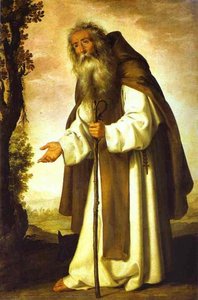
This exquisite oil painting captures a deeply contemplative moment of spiritual significance. The central figure, a young man dressed in a pristine white robe, embodies purity and devotion. His wide-eyed expression and slightly parted lips suggest a moment of divine revelation or inner awakening. Clutched in his hand is a pomegranate, a powerful symbol of resurrection, eternal life, and spiritual rebirth, while the small cross or staff he holds signifies faith and sacrifice. The composition invites viewers to reflect on themes of divine inspiration, sacrifice, and enlightenment, making it a profound addition to any sacred or contemplative space.Masterful Style and Technique
Executed in the tradition of Baroque realism, this painting demonstrates meticulous attention to detail, texture, and light. The artist employs chiaroscuro—dramatic contrasts between light and shadow—to emphasize the figure’s face and hands, creating a luminous focus that draws viewers into the emotional core of the scene. The textured fabric of the robe, the delicate rendering of the facial features, and the subtle play of light evoke a sense of depth and realism characteristic of masterful Baroque craftsmanship. The use of oil paints on canvas enhances the richness of colors and the luminous quality of the scene, making it a striking visual experience.Historical Context and Artistic Legacy
Inspired by the Spanish Baroque masters, particularly Francisco de Zurbarán, this artwork echoes the era’s emphasis on religious fervor and dramatic realism. During the 17th century, Spanish artists sought to evoke emotional intensity and spiritual reflection through their work, often depicting saints, martyrs, and divine figures with profound sincerity. This painting embodies that tradition, blending meticulous realism with symbolic depth. Its timeless appeal lies in its ability to evoke reverence and introspection, making it a treasured piece for collectors and art enthusiasts who appreciate historical religious art.Emotional Impact and Interior Inspiration
The somber yet luminous tone of this painting creates a powerful emotional resonance. Its contemplative mood invites viewers to pause, reflect, and connect with the divine themes portrayed. Perfect for a meditation room, a sacred space, or an elegant interior, this artwork adds a layer of spiritual sophistication and artistic excellence. Whether displayed in a private collection or a high-end interior, it serves as a timeless reminder of faith, sacrifice, and enlightenment—an inspiring centerpiece that elevates any environment with its profound beauty and historical significance.Питання та відповіді
«San Bruno» роботи Франсіско де Сурбаран — це світлий чи темний твір мистецтва?
За рівнем сприйнятої яскравості, «San Bruno» роботи Франсіско де Сурбаран є deep_shadow.
«San Bruno» роботи Франсіско де Сурбаран — це світлий чи темний твір мистецтва?
Загальна яскравість твору "San Bruno" становить deep_shadow, а його світловий показник — Dark.
Які права на відтворення твору "San Bruno" у Музей Кадіса?
Статус авторського права на «San Bruno» роботи Франсіско де Сурбаран є чітким: цей твір перебуває у є суспільним надбанням — термін дії авторського права закінчився. Його перебування в Музей Кадіса не змінює цього статусу.
Біографія митця
Early Life and Formation in Extremadura
Francisco de Zurbarán, born in Fuente de Cantos, Extremadura, Spain, in 1598, emerged from a region steeped in religious fervor and rural austerity—qualities that would profoundly shape his artistic vision. Though details of his earliest training remain somewhat elusive, we know he initially apprenticed with the local painter Alejandro de la Mina before moving to Seville to study under Alonso de Najera. It was within Najera’s workshop that Zurbarán began to absorb the burgeoning Baroque style, a dramatic departure from the more restrained artistic traditions of previous generations. Even in these formative years, a remarkable talent for capturing realistic detail and imbuing his subjects with emotional weight became apparent, hinting at the distinctive path he would forge as an artist. The stark landscapes and devout atmosphere of Extremadura instilled within him a sensibility that favored simplicity, solemnity, and a deep engagement with spiritual themes—characteristics that would define his mature work. His early exposure to the intense religious life of his native region undoubtedly contributed to his later focus on depicting saints, monks, and scenes of piety.The Seville Period: Establishing a Singular Style
By 1614, Zurbarán had established himself in Seville, a vibrant cultural hub and the gateway to Spain’s vast American colonies. He quickly rose to prominence, establishing a successful workshop and attracting numerous commissions, primarily for religious paintings intended for churches, monasteries, and private devotional use. This period witnessed the full flowering of his signature style—a compelling blend of stark realism and intense spirituality. His early works already showcased a masterful command of *tenebrism*, a technique borrowed from Caravaggio that employed dramatic contrasts between light and shadow to create a sense of drama and emphasize the emotional intensity of his subjects. He wasn’t merely replicating what he saw; he was striving to reveal an inner truth, a profound spiritual presence within each figure. His paintings weren't simply representations of saints or biblical scenes; they were invitations to contemplation, designed to evoke a visceral response in the viewer. The influence of earlier Spanish masters like Juan Sánchez Cotán, known for his austere still lifes and precise realism, is also evident in Zurbarán’s early work, as well as the sculptural traditions prevalent in Seville at the time.Master of Tenebrism and Religious Devotion
Zurbarán's artistic prowess lay in his ability to transform religious narratives into powerfully moving visual experiences. He became renowned for his depictions of monks, nuns, martyrs, and saints—figures often portrayed in moments of profound contemplation or suffering. His *Immaculate Conception* (c. 1635), housed in the Museo de Bellas Artes in Bilbao, exemplifies this mastery; the Virgin Mary is depicted with a serene dignity, bathed in ethereal light against a dark background, conveying both purity and divine grace. Similarly, his *Agnus Dei* (c. 1640), now part of the Metropolitan Museum of Art collection, presents a poignant image of Christ as the sacrificial lamb, radiating an aura of solemnity and sacrifice. The *Sudarium of St Veronica*, with its haunting depiction of the veil bearing the imprint of Christ’s face, showcases his exceptional control over tenebrism and emotional depth. He didn't shy away from portraying the physical realities of faith—the austerity of monastic life, the pain of martyrdom—but always infused these scenes with a sense of reverence and spiritual significance. His *St Francis Receiving the Stigmata* demonstrates his ability to depict profound spiritual experiences with remarkable sensitivity and realism. The series of paintings depicting Carthusian monks further exemplifies his skill in portraying austere religious life, capturing their quiet devotion and inner peace.Royal Patronage and Lasting Legacy
Around 1630, Zurbarán achieved a significant milestone in his career when he became a court painter to Philip IV. This appointment brought him increased recognition and access to royal commissions, further solidifying his reputation as one of Spain’s leading artists. However, despite this success, his popularity waned somewhat in later years with the rise of different artistic tastes. The economic hardships facing Spain during the mid-17th century also impacted his ability to secure large-scale projects. Nevertheless, Zurbarán continued to work diligently, adapting his style and exploring new themes. His influence on Spanish Baroque art is undeniable; his dramatic use of chiaroscuro and his focus on religious themes inspired generations of artists. A circle of followers, known as the “Zurbaranistas,” emerged, continuing to push the boundaries of tenebrism and explore the expressive possibilities of light and shadow. Though he passed away in 1664, Francisco de Zurbarán left behind a rich artistic legacy that continues to be celebrated today, securing his place as one of Spain’s most important Baroque painters—a master of religious art whose works continue to resonate with viewers centuries later.- Notable Works: Immaculate Conception (c. 1635), Agnus Dei (c. 1640), Sudarium of St Veronica, St Francis Receiving the Stigmata, Paintings of Carthusian Monks.
- Historical Significance: Zurbarán’s influence on Spanish Baroque is undeniable; his use of chiaroscuro and his focus on religious themes inspired generations of artists.

Франсіско де Сурбаран
1598 - 1664 , Іспанія
Короткі факти
- Artistic Movement Or Style: Бароко, Тенебризм
- Artists Or Movements Influenced By This Artist: ['Caravaggio']
- Artists Who Influenced This Artist: ['Juan Sánchez Cotán']
- Date Of Birth: 1598
- Date Of Death: 1664
- Full Name: Francisco de Zurbarán
- Nationality: Іспанець
- Notable Artworks:
- Immaculate Conception
- Agnus Dei
- St Francis Receiving Stigmata
- Place Of Birth: Fuente de Cantos, Іспанія
Пов'язані статті

Топ-10 шедеврів бароко: картини, що змінили мистецтво | OriginalUniqueArt.com
Відкрийте для себе 10 шедеврів бароко від Караваджо, Рембрандта та Рубенса! Історія мистецтва, техніки живопису та натхнення для вашого інтер'єру. Репродукції картин високої якості – OriginalUniqueArt.com

Mastering the Shadows: A Guide to the Drama and Chiaroscuro of Baroque Realism
Explore the profound drama of Baroque Realism. Discover how masters used chiaroscuro and tenebrism to command light and shadow, creating timeless emotional depth in 17th-century masterpieces.

The Visceral Stage: Exploring Dramatic Narratives & Emotional Intensity in Baroque Art
Explore the dramatic world of Baroque art! Discover iconic masters like Caravaggio & Rembrandt, their techniques, and the movement's lasting impact. Expert insights for collectors & enthusiasts at OriginalUniqueArt.

The Dramatic Flourish: Exploring the Baroque Movement's Enduring Legacy in Art History
Explore the dramatic world of Baroque art! Discover iconic artists like Caravaggio & Rubens, defining techniques, and its lasting impact on art history. Expert insights for collectors & enthusiasts at OriginalUniqueArt.

The Golden Age Reforged: Dramatic Realism & Religious Zeal in Spanish Baroque Art
Explore the dramatic world of Spanish Baroque art! Discover masters like Zurbarán & the powerful influence of religious zeal on painting techniques – a guide for collectors and enthusiasts.