Переглянути в інтер'єрі
 Надіслати
 Поділитися
 Деталі
 Посібник

 Завантажити
 Схожі предмети колекціонування
 Рентгенівське дослідження
 Слайд-шоу
 Статистика переглядів
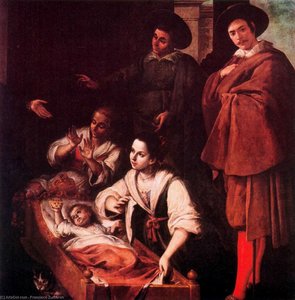
Martirio de Santiago


 Читати далі
Олійная репродукція ручної роботи
Написана вручну олією на полотні у вашому розмірі та рамі, виготовлена на замовлення нашими художниками. ( Перейти до друку Перейти до цифрових зображень)




P118B $10

P118H $10

P118W $10

P438Z $10

P508JH $12

P508YH $12

P805H $10

P805Z $10

P919BZ $10

P919G $10

P919XJ $10

P959ZH $10

P968JZ $12

W106C $8

W218G $10

W218JH $8

W218Y $10

W307PJ $10

W316G $10

W316PJ $8

W316Y $10

W398PJ $8

W4111J $10

W500HY $15

W500JH $15

W692G $12

W849H $8

W940BG $15

W953PJ $8




Обирайте з наших стандартних розмірів, що відповідають оригінальним пропорціям твору мистецтва.

Ви можете вказати власні розміри, щоб репродукція ідеально підійшла до конкретної рами або інтер'єру. Якщо вибраний вами розмір не відповідає пропорціям оригіналу, ми або обріжемо полотно, або доповнимо картину додатковими елементами, промальованими вручну. Цифровий макет буде надіслано вам на затвердження перед початком виробництва.
Зверніть увагу, що попередній перегляд на екрані не відображає фактичне обрізання або розширення зображення. Тільки макет точно покаже остаточну композицію.
Хоча ми можемо виготовити виріб у нестандартному розмірі, для збереження оригінальних пропорцій рекомендуємо обирати варіанти зі встановленого списку.
Після оформлення замовлення команда OriginalUniqueArt.com зв'яжеться з клієнтом електронною поштою для отримання інструкцій та надасть попередній макет
Доставка по всьому світу () за 3–4 тижні замість стандартних 5 тижнів. (26 Вересень). Без жодних компромісів у якості.

Безкоштовна експрес-доставка по всьому світу

Високоякісне лляне полотно

Повне страхове покриття доставки

Гарантія повернення митних зборів

Гарантія точного відтворення кольорів

Політика повернення протягом 100 днів (лише у разі виявлення дефектів)

Гарантія повернення 100% коштів

Знижка на оптові замовлення
 Скляний варіант доступний лише для розмірів до 110 см

Martirio de Santiago
Техніка репродукції
Розмір репродукції
-


Загальна вартість
$ 475
A Drama of Faith and Sacrifice: Unveiling Zurbarán’s *Martirio de Santiago*
Francisco de Zurbarán's *Martirio de Santiago*, a powerful Baroque masterpiece, doesn’t merely depict an event; it embodies a profound spiritual struggle rendered with breathtaking intensity. The painting captures the pivotal moment of Saint Bartholomew’s martyrdom, transforming a historical account into a visceral exploration of faith, sacrifice, and unwavering devotion. The scene unfolds within the stark confines of a partially ruined architectural space – imposing columns hinting at both the weight of history and the fragility of earthly structures before divine power. This deliberate setting isn't simply background; it grounds the narrative in time and place while simultaneously suggesting the transient nature of worldly existence against the eternal realm of faith. The sheer scale of the composition, combined with Zurbarán’s masterful handling of light and shadow, immediately draws the viewer into the heart of this dramatic confrontation.The Language of Light and Shadow: Tenebrism in Action
Zurbarán was deeply influenced by the revolutionary tenebrist style pioneered by Caravaggio, and *Martirio de Santiago* stands as a testament to his adeptness at wielding this technique. Tenebrism, derived from the Italian word for “darkness,” isn’t merely an aesthetic choice; it's a powerful narrative tool. The fiercely focused light illuminating Saint Bartholomew as he kneels in submission before his executioner serves to heighten emotional impact and draw attention to the central figure of faith. Surrounding figures are partially shrouded, not hidden, but rather existing within a realm of uncertainty and anticipation. This dramatic contrast symbolizes the eternal struggle between good and evil, hope and despair, life and death. The composition itself is dynamic, propelled by strong diagonal lines created through the positioning of bodies and architectural elements – guiding the viewer’s eye across the canvas and immersing them in the unfolding drama. It's a carefully orchestrated visual experience designed to evoke a deeply emotional response.Technique and Symbolism: A Masterclass in Baroque Detail
Executed with meticulous precision in oil on canvas, *Martirio de Santiago* showcases Zurbarán’s remarkable skill as a craftsman. The textures are rendered with astonishing realism – from the smooth, almost porcelain-like quality of skin to the rougher, more tactile depiction of stone and fabric. This attention to detail isn't simply about technical prowess; it enhances the painting’s emotional resonance. The restrained yet impactful color palette, dominated by warm browns, ochres, and deep reds, contributes to a somber atmosphere that underscores the gravity of the scene. The symbolism woven throughout is rich and layered. The sword, prominently displayed, represents both the violence inflicted upon the saint and his ultimate sacrifice for his beliefs. An angel observing from above signifies divine witness and offers a glimmer of hope amidst suffering. Saint Bartholomew’s kneeling posture embodies submission to God's will and unwavering faith in the face of death – a powerful statement of spiritual fortitude. This painting, created during the Counter-Reformation, served as a potent reaffirmation of Catholic doctrine and an inspiration for piety.An Enduring Legacy: Emotional Resonance and Contemporary Appeal
*Martirio de Santiago* evokes a spectrum of powerful emotions—suffering, sacrifice, reverence, and perhaps even awe. Zurbarán doesn’t shy away from the brutality of the scene but imbues it with a profound spiritual weight that transcends mere depiction. The painting invites contemplation on universal themes of faith, mortality, and the enduring power of the human spirit. For collectors and interior designers, a high-quality reproduction of this artwork offers more than just aesthetic appeal; it brings a sense of drama, sophistication, and historical depth to any space. Its somber yet compelling aesthetic lends itself particularly well to libraries, studies, or contemplative areas within a home or office – spaces designed for reflection and introspection. The painting’s enduring legacy lies in its ability to connect with viewers on a deeply emotional level, bridging the gap between centuries and cultures, and reminding us of the timeless power of faith and sacrifice.Біографія митця
Early Life and Formation in Extremadura
Francisco de Zurbarán, born in Fuente de Cantos, Extremadura, Spain, in 1598, emerged from a region steeped in religious fervor and rural austerity—qualities that would profoundly shape his artistic vision. Though details of his earliest training remain somewhat elusive, we know he initially apprenticed with the local painter Alejandro de la Mina before moving to Seville to study under Alonso de Najera. It was within Najera’s workshop that Zurbarán began to absorb the burgeoning Baroque style, a dramatic departure from the more restrained artistic traditions of previous generations. Even in these formative years, a remarkable talent for capturing realistic detail and imbuing his subjects with emotional weight became apparent, hinting at the distinctive path he would forge as an artist. The stark landscapes and devout atmosphere of Extremadura instilled within him a sensibility that favored simplicity, solemnity, and a deep engagement with spiritual themes—characteristics that would define his mature work. His early exposure to the intense religious life of his native region undoubtedly contributed to his later focus on depicting saints, monks, and scenes of piety.The Seville Period: Establishing a Singular Style
By 1614, Zurbarán had established himself in Seville, a vibrant cultural hub and the gateway to Spain’s vast American colonies. He quickly rose to prominence, establishing a successful workshop and attracting numerous commissions, primarily for religious paintings intended for churches, monasteries, and private devotional use. This period witnessed the full flowering of his signature style—a compelling blend of stark realism and intense spirituality. His early works already showcased a masterful command of *tenebrism*, a technique borrowed from Caravaggio that employed dramatic contrasts between light and shadow to create a sense of drama and emphasize the emotional intensity of his subjects. He wasn’t merely replicating what he saw; he was striving to reveal an inner truth, a profound spiritual presence within each figure. His paintings weren't simply representations of saints or biblical scenes; they were invitations to contemplation, designed to evoke a visceral response in the viewer. The influence of earlier Spanish masters like Juan Sánchez Cotán, known for his austere still lifes and precise realism, is also evident in Zurbarán’s early work, as well as the sculptural traditions prevalent in Seville at the time.Master of Tenebrism and Religious Devotion
Zurbarán's artistic prowess lay in his ability to transform religious narratives into powerfully moving visual experiences. He became renowned for his depictions of monks, nuns, martyrs, and saints—figures often portrayed in moments of profound contemplation or suffering. His *Immaculate Conception* (c. 1635), housed in the Museo de Bellas Artes in Bilbao, exemplifies this mastery; the Virgin Mary is depicted with a serene dignity, bathed in ethereal light against a dark background, conveying both purity and divine grace. Similarly, his *Agnus Dei* (c. 1640), now part of the Metropolitan Museum of Art collection, presents a poignant image of Christ as the sacrificial lamb, radiating an aura of solemnity and sacrifice. The *Sudarium of St Veronica*, with its haunting depiction of the veil bearing the imprint of Christ’s face, showcases his exceptional control over tenebrism and emotional depth. He didn't shy away from portraying the physical realities of faith—the austerity of monastic life, the pain of martyrdom—but always infused these scenes with a sense of reverence and spiritual significance. His *St Francis Receiving the Stigmata* demonstrates his ability to depict profound spiritual experiences with remarkable sensitivity and realism. The series of paintings depicting Carthusian monks further exemplifies his skill in portraying austere religious life, capturing their quiet devotion and inner peace.Royal Patronage and Lasting Legacy
Around 1630, Zurbarán achieved a significant milestone in his career when he became a court painter to Philip IV. This appointment brought him increased recognition and access to royal commissions, further solidifying his reputation as one of Spain’s leading artists. However, despite this success, his popularity waned somewhat in later years with the rise of different artistic tastes. The economic hardships facing Spain during the mid-17th century also impacted his ability to secure large-scale projects. Nevertheless, Zurbarán continued to work diligently, adapting his style and exploring new themes. His influence on Spanish Baroque art is undeniable; his dramatic use of chiaroscuro and his focus on religious themes inspired generations of artists. A circle of followers, known as the “Zurbaranistas,” emerged, continuing to push the boundaries of tenebrism and explore the expressive possibilities of light and shadow. Though he passed away in 1664, Francisco de Zurbarán left behind a rich artistic legacy that continues to be celebrated today, securing his place as one of Spain’s most important Baroque painters—a master of religious art whose works continue to resonate with viewers centuries later.- Notable Works: Immaculate Conception (c. 1635), Agnus Dei (c. 1640), Sudarium of St Veronica, St Francis Receiving the Stigmata, Paintings of Carthusian Monks.
- Historical Significance: Zurbarán’s influence on Spanish Baroque is undeniable; his use of chiaroscuro and his focus on religious themes inspired generations of artists.

Франсіско де Сурбаран
1598 - 1664 , Іспанія
Довідкова інформація
- Artistic Movement Or Style: Бароко, Тенебризм
- Artists Or Movements Influenced By This Artist: ['Caravaggio']
- Artists Who Influenced This Artist: ['Juan Sánchez Cotán']
- Date Of Birth: 1598
- Date Of Death: 1664
- Full Name: Francisco de Zurbarán
- Nationality: Іспанець
- Notable Artworks:
- Immaculate Conception
- Agnus Dei
- St Francis Receiving Stigmata
- Place Of Birth: Fuente de Cantos, Іспанія
Схожі статті

Francisco de Zurbarán: Mysticism, Realism & the Golden Age of Spanish Painting
Explore the captivating world of Francisco de Zurbarán, a master of Spanish Baroque painting. Discover his dramatic tenebrism, religious masterpieces like 'La Porciúncula,' and lasting influence on art history.
The Golden Age Reforged: Dramatic Realism & Religious Zeal in Spanish Baroque Art
Explore the dramatic world of Spanish Baroque art! Discover masters like Zurbarán & the powerful influence of religious zeal on painting techniques – a guide for collectors and enthusiasts.

The Dramatic Flourish: Exploring the Baroque Movement's Enduring Legacy in Art History
Explore the dramatic world of Baroque art! Discover iconic artists like Caravaggio & Rubens, defining techniques, and its lasting impact on art history. Expert insights for collectors & enthusiasts at OriginalUniqueArt.
The Dramatic Flourish: Exploring Themes of Power, Faith & Emotion in Baroque Artworks
Explore the dramatic world of Baroque art! Discover masters like Zurbarán & the powerful influence of religious zeal on painting techniques. Expert insights for collectors and enthusiasts.

Theatricality & Triumph: Baroque Drama in Painting & Sculpture
Explore the dramatic world of Baroque art! Discover its history, defining characteristics, & lasting influence on painting & sculpture. Expert insights into Caravaggio, Zurbarán, and Bernini – plus high-quality reproductions at OriginalUniqueArt.