 Перейти до друку
 Розгорнути текст







































 Для творів мистецтва або репродукцій, розмір яких перевищує 105 см (приблизно 41 дюйм) з будь-якого боку, рама доставляється у вигляді розібраного комплекту. Такий метод гарантує безпечну доставку та запобігає пошкодженням під час транспортування.


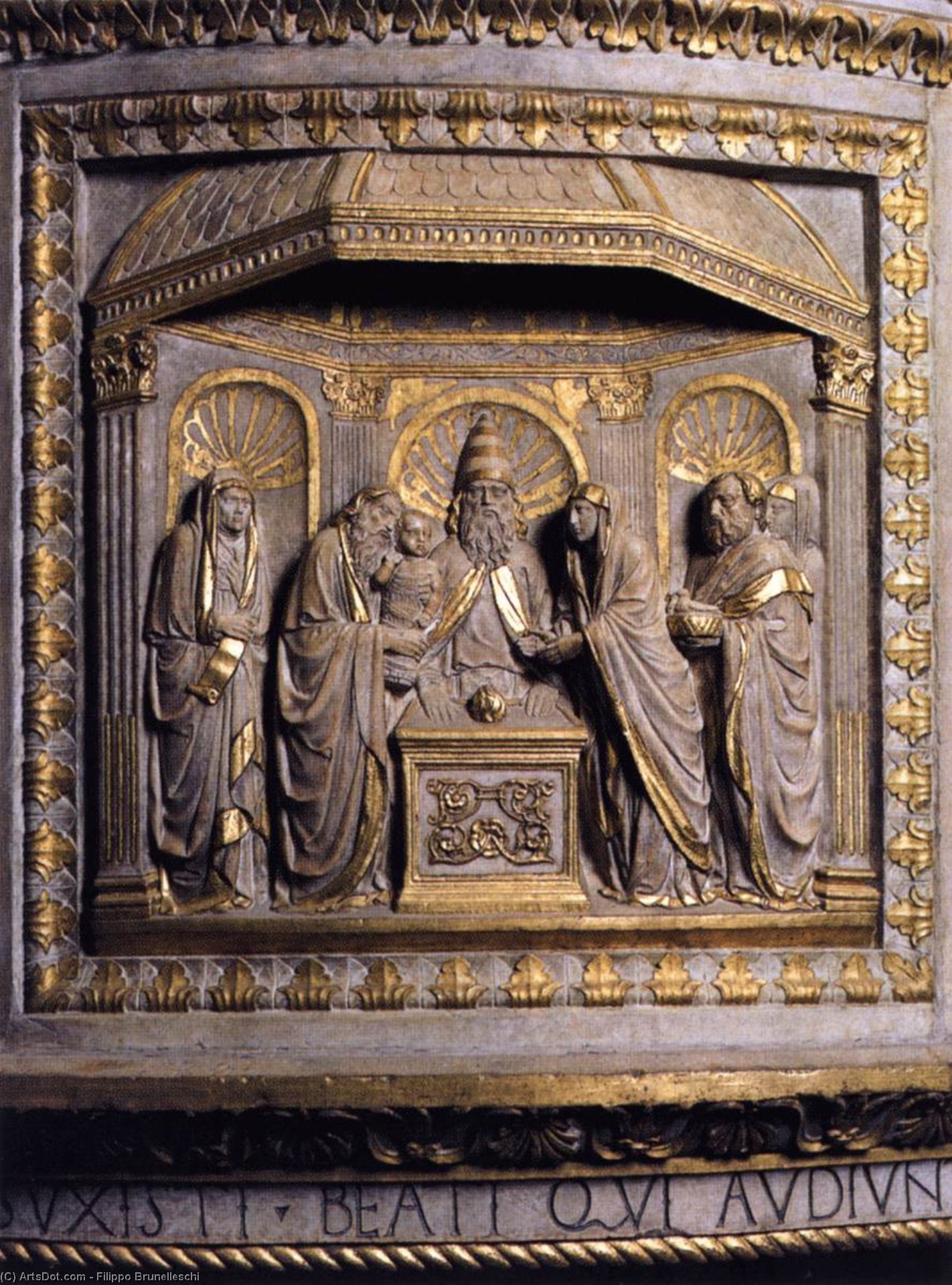
A Glimpse into Renaissance Devotion: The Pulpit Detail
To stand before this marble relief from the pulpit of Santa Maria Novella is to encounter a moment suspended in time—a tangible echo of 15th-century Florentine piety. Attributed to the masterful hand of Filippo Brunelleschi, this work, dating to 1443, transcends mere architectural decoration; it is a profound theological narrative carved into luminous stone. The very material, pristine white marble, seems imbued with the spiritual light of the Renaissance dawn. One cannot help but feel the weight of history pressing down, yet simultaneously lifted by the grace depicted within its intricate folds.
Mastery in Marble: Technique and Form
Brunelleschi’s technical prowess is breathtakingly evident here. The artist has achieved a remarkable illusionism, coaxing figures from solid stone as if they were emerging into life. Observe the drapery; the deep undercuts and varied textures capture the weight and flow of rich robes, suggesting both earthly materiality and heavenly transcendence. The composition itself is carefully orchestrated, framed by architectural elements—arches and columns—that lend a sense of monumental depth. This skillful handling of negative space against densely populated figures speaks to an understanding of form that was revolutionary for its time, bridging the lingering echoes of Gothic intricacy with the burgeoning clarity of Renaissance structure.
The Heart of the Scene: Symbolism and Narrative
At the core of the relief resides a scene rich with spiritual symbolism. A central figure, seated upon what appears to be an elevated throne, commands attention. This individual, holding a book—the very conduit of divine knowledge—is surrounded by supplicants, some standing in rapt attention, others kneeling in postures of humble devotion. The gathering suggests a moment of profound teaching or revelation. Every gesture, from the raised hand to the bowed head, is deliberate, guiding the viewer's eye through a carefully constructed hierarchy of spiritual importance. It speaks eloquently of the Church’s role as both teacher and sanctuary.
A Touch of Eternal Grandeur for Your Space
For those who seek to bring the gravitas and artistry of Italian Renaissance masters into their own homes or design spaces, this piece offers unparalleled depth. While the original possesses an undeniable aura of sacred grandeur, a high-quality reproduction allows you to incorporate its narrative power without altering your personal sanctuary. The interplay between the cool, smooth marble tones and the suggested warmth of the gold accents—visible in the ornate framework—creates an atmosphere of enduring elegance. It is not merely art; it is a conversation piece that whispers tales of genius, faith, and the dawn of modern artistic thought.
Питання та відповіді
У якому музеї зберігається оригінал «Pulpit (detail)»?
Оригінал «Pulpit (detail)» роботи Філіппо Брунеллессі зберігається в Санта-Марія Новелла, Флоренція, Італія. Репродукція дозволяє прикрасити цим твором ваш дім.
Яка техніка використана у творі "Pulpit (detail)"?
Техніка виконання «Pulpit (detail)» роботи Філіппо Брунеллессі — Marble. Репродукції мають на меті відтворити вигляд цієї техніки.
Як сюжет твору "Pulpit (detail)" перегукується із звичними темами Філіппо Брунеллессі?
Серед відомих тем Філіппо Брунеллессі, як і в gothic to renaissance transition art, christian doctrine teaching tool, brunelleschi's architectural patronage, public devotional sculpture work, у творі «Pulpit (detail)» особливий акцент зроблено на pulpit detail, marble relief, religious scene, brunelleschi art, medieval attire, figure sculpture, renaissance art.
 Надіслати як листівку
 Поділитися
 Деталі витвору
 Посібник

 Завантажити
 Схожі екземпляри
 Слайд-шоу
 Q&A
Q&A Статистика