

 Переглянути в інтер'єрі
 Надіслати як листівку
 Поділитися
 Деталі витвору
 Посібник

 Завантажити
 Схожі екземпляри
 Рентгенівське дослідження
 Слайд-шоу
 Статистика
Bijbelse Voorstelling


 Розгорнути текст
Гікле / Художній принт
Друк جيкле або на полотні музейної якості з оперативним виготовленням та різноманітними варіантами фінішної обробки. ( Замовити картину ручної роботи Перейти до цифрових зображень)




P118B ₴10

P118H ₴10

P118W ₴10

P438Z ₴10

P508JH ₴12

P508YH ₴12

P805H ₴10

P805Z ₴10

P919BZ ₴10

P919G ₴10

P919XJ ₴10

P959ZH ₴10

P968JZ ₴12

W106C ₴8

W218G ₴10

W218JH ₴8

W218Y ₴10

W307PJ ₴10

W316G ₴10

W316PJ ₴8

W316Y ₴10

W398PJ ₴8

W4111J ₴10

W500HY ₴15

W500JH ₴15

W692G ₴12

W849H ₴8

W940BG ₴15

W953PJ ₴8




Обирайте з наших стандартних розмірів, що відповідають оригінальним пропорціям твору мистецтва.

Введіть необхідну ширину та висоту, щоб принт ідеально підійшов до вашої рами або стіни. Принт можна лише обрізати, але не можна зробити більшим за оригінал, тому при зміні пропорцій частина зображення буде втрачена. Перед друком ми надсилаємо вам цифровий макет для затвердження. Зображення на цій сторінці не відображає реальну обрізку — її можна побачити лише на макеті.
Доставка по всьому світу () за 2 тижні замість стандартних 4/5 тижнів. (27 Жовтень)

Безкоштовна експрес-доставка по всьому світу

Високоякісне лляне полотно

Повне страхове покриття доставки

Гарантія повернення митних зборів

Гарантія точного відтворення кольорів

Політика повернення протягом 100 днів (лише у разі виявлення дефектів)

Гарантія повернення 100% коштів

Пропозиція на оптові замовлення
 Скляний варіант доступний лише для розмірів до 110 см

Bijbelse Voorstelling
Гікле / Художній принт
Розмір репродукції
-


Підсумкова вартість
₴ 3586
A Window into Baroque Faith: Exploring Ferdinand Bol’s Bijbelse Voorstelling
Ferdinand Bol (1616-1680), a figure largely eclipsed by Rembrandt and Vermeer during his lifetime, nevertheless stands as a cornerstone of the Dutch Golden Age—a period defined by artistic innovation and intellectual fervor. His legacy resides not merely in quantity but in quality: Bol produced remarkably accomplished works that continue to resonate with audiences today, offering glimpses into the spiritual landscape of seventeenth-century Holland. This painting, “Bijbelse Voorstelling” (Biblical Scene), exemplifies Bol’s mastery of Baroque aesthetics and his profound engagement with religious iconography. Created around 1669, it transcends a simple depiction of biblical narrative; instead, it presents a complex interplay of light, gesture, and psychological nuance that speaks to the enduring power of faith and artistic expression.The Scene: A Moment of Reverence
The artwork portrays an intimate tableau centered on two men kneeling before an angelic presence. One figure dominates the foreground, positioned with his head bowed in prayer—a posture indicative of solemn contemplation and devotion. Above him stands another man, extending a hand towards the kneeling individual’s shoulder; this gesture conveys compassion, guidance, or perhaps even divine intervention. The setting is subtly rendered as a forest interior, bathed in diffused light that contributes to an atmosphere of tranquility and spiritual significance. Two birds soar gracefully overhead, reinforcing the painting's connection to nature—a recurring motif within Baroque art symbolizing purity and ascension.Bol’s Baroque Technique: Mastering Light and Shadow
Ferdinand Bol’s artistic prowess is immediately apparent in his masterful manipulation of chiaroscuro – the dramatic contrast between light and dark – a hallmark technique of the Baroque period. Bol meticulously renders textures with remarkable precision, capturing the folds of drapery and the contours of faces with astonishing realism. The artist skillfully employs glazing techniques—thin layers of translucent paint applied over previous coats—to achieve luminous effects that imbue the scene with depth and vibrancy. This meticulous attention to detail underscores Bol’s commitment to conveying not just what he saw but also how he felt, channeling the emotional intensity characteristic of Baroque painting.Symbolism: Angels and Divine Grace
The angelic figures adorning the canvas serve as potent symbols of divine grace and spiritual authority. Their placement on either side of the kneeling man underscores the universality of faith—the belief in a higher power that transcends earthly concerns. The gesture of the standing man reaching out to offer support embodies compassion and reassurance, reflecting the humanist values prevalent during Bol’s era. Furthermore, the forest setting itself carries symbolic weight, representing Edenic innocence and spiritual renewal – themes frequently explored by Baroque artists as they sought to communicate profound theological ideas.Emotional Resonance: Capturing Inner Reflection
“Bijbelse Voorstelling” transcends mere visual representation; it invites contemplation on matters of faith and human experience. Bol’s depiction captures the palpable emotion of prayer—the vulnerability and earnestness inherent in seeking divine guidance. The painting's serene atmosphere encourages viewers to consider questions of morality, compassion, and spiritual aspiration. Like Rembrandt before him, Bol understood that art could serve as a conduit for conveying profound psychological truths – a legacy that continues to inspire artists and collectors alike.Питання та відповіді
Для якого приміщення та з якою метою рекомендується "Bijbelse Voorstelling"?
Рекомендоване використання (Statement) та розміщення у (Living Room) — це дві поради для «Bijbelse Voorstelling» роботи Фердинанд Боль.
Який настрій передає «Bijbelse Voorstelling» роботи Фердинанд Боль у межах Baroque?
«Bijbelse Voorstelling» сповнене Dramatic емоційності в межах стилю Baroque.
У якому музеї зберігається оригінал «Bijbelse Voorstelling»?
Оригінал «Bijbelse Voorstelling» роботи Фердинанд Боль зберігається в Рейксмюзеум, Амстердам, Netherlands. Репродукція дозволяє прикрасити цим твором ваш дім.
Біографія митця
Ferdinand Bol: A Forgotten Jewel of the Dutch Golden Age
Ferdinand Bol, a name perhaps less familiar than those of his illustrious contemporaries Rembrandt van Rijn and Johannes Vermeer, nevertheless holds a significant, if often overlooked, position within the pantheon of 17th-century Dutch Masters. Born in Dordrecht in 1616, Bol’s artistic journey was inextricably linked to that of Rembrandt, beginning with an apprenticeship in the master's Amsterdam studio – a formative period that profoundly shaped his style and ultimately led him to forge a distinct, yet undeniably influenced, artistic voice. This early association wasn’t merely one of imitation; it was a deep immersion into the revolutionary techniques and psychological depth pioneered by Rembrandt, laying the foundation for Bol’s own remarkable career. While details regarding his initial training remain somewhat shrouded in the mists of time – possibilities include tutelage under Jacob Cuyp in Dordrecht or Abraham Bloemaert in Utrecht – it is undeniable that Rembrandt's studio served as the crucible where Bol first honed his skills and began to develop his unique approach to painting.The Shadow of Rembrandt: Early Imitation and a Developing Style
Bol’s artistic development unfolded through a fascinating trajectory—one beginning with remarkably faithful emulation and gradually blossoming into a distinctive personal style. In his early works, the influence of Rembrandt is strikingly evident; compositions often mirror those of his teacher, employing similar *chiaroscuro* effects – dramatic contrasts between light and dark – and a penchant for portraying figures in moments of intense emotional or psychological drama. These early paintings are not simply copies, however; they demonstrate Bol’s remarkable ability to absorb and reinterpret Rembrandt's techniques, creating works that possess a palpable sense of immediacy and vitality. The meticulous detail, the expressive brushwork, and the carefully constructed narratives all bear the unmistakable stamp of his master. Yet, as Bol matured, he began to subtly shift away from direct imitation, introducing elements of clarity, elegance, and refined detail into his work. His palette lightened, reflecting a move towards brighter, more luminous colors, while his figures acquired a more polished, aristocratic bearing – a departure that signaled the emergence of his own artistic identity. This stylistic evolution is particularly evident in his portraits, which quickly became among his most sought-after commissions.Historical Narratives and Portraiture: A Diverse Oeuvre
Bol’s oeuvre is remarkably diverse, encompassing not only historical subjects and portraits but also *tronies* – character studies that captured the essence of individuals through subtle gestures and expressions – and even some landscape elements. He demonstrated a particular aptitude for large-scale historical paintings, imbuing them with a sense of grandeur and dramatic tension. The Peace Negotiations between Claudius Civilis and Quintus Petillius Cerealis on the Demolished Bridge, now housed in a museum collection, stands as a prime example of his skill in depicting complex narratives with compelling visual impact. The painting showcases not only his mastery of composition and perspective but also his ability to convey the weight of historical events through expressive gestures and carefully rendered details – a hallmark of Rembrandt’s own approach. However, it was perhaps in the realm of portraiture that Bol truly excelled. He possessed an uncanny ability to capture the likenesses of his sitters while simultaneously revealing their inner character and social status. His portraits are characterized by a refined elegance and psychological insight, offering glimpses into the lives and personalities of Amsterdam’s prominent citizens – merchants, politicians, artists, and members of the city's elite. Works like Man in Golden Helmet (Mars), now residing in Warsaw's National Museum, exemplify this talent, presenting a figure imbued with both authority and vulnerability.The Influence of Rembrandt and the Development of a Unique Style
Bol’s artistic development was profoundly shaped by his time with Rembrandt, but he didn’t simply replicate his master’s style. Instead, he absorbed its core principles – dramatic lighting, psychological depth, and masterful brushwork – and then skillfully adapted them to create a distinctly personal vision. This process is particularly evident in the evolution of his portraits. Initially, Bol's portraits closely resembled Rembrandt's, characterized by dark backgrounds and intense gazes. However, as he matured, he began to lighten his palettes, introduce brighter colors, and refine his brushwork, creating portraits that were both elegant and refined. This shift reflects a broader trend in Dutch art during the mid-17th century, as artists moved away from the dramatic chiaroscuro of the early Baroque period towards a more balanced and nuanced approach to light and color. Bol’s work also demonstrates a remarkable sensitivity to detail, particularly in his depictions of clothing and accessories – elements that often served as symbols of social status and wealth.Legacy and Rediscovery
Despite his success during his lifetime, Ferdinand Bol’s reputation waned considerably after his death in 1680. His works were often misattributed to Rembrandt, obscuring his individual contributions to Dutch Golden Age painting. It wasn't until the 20th century that concerted efforts began to re-evaluate his oeuvre and establish him as a significant artist in his own right. Today, scholars and collectors are increasingly recognizing the unique qualities of Bol’s work—his masterful technique, his evolving stylistic independence, and his ability to capture both the outward appearance and inner lives of his subjects. While his output remains relatively small compared to some of his contemporaries, the surviving paintings offer a captivating window into the artistic and cultural landscape of 17th-century Amsterdam. His legacy continues to inspire admiration and intrigue, ensuring that this once-forgotten master will continue to be rediscovered and appreciated by generations to come. The Museum Van Loon in Amsterdam and the Rembrandt House Museum both provide opportunities to encounter his work within the context of the era that shaped him.
Фердинанд Боль
1616 - 1680 , Нідерланди
Короткі факти
- Artistic Movement Or Style: Бароко
- Artists Or Movements Influenced By This Artist: ['Рембрандт']
- Artists Who Influenced This Artist: ['Рембрандт']
- Date Of Birth: 24 черв 1616
- Date Of Death: 24 гру 1680
- Full Name: Ferdinand Bol
- Nationality: Нідерландський
- Notable Artworks:
- Мирні переговори...
- Пірус показує...
- Чоловік у золотій шоломчику
- Place Of Birth: Дордрехт, Нідерланди
Пов'язані статті

Ferdinand Bol (1616-1680): A Dutch Master of Portraiture & Dramatic Light
Explore the captivating world of Ferdinand Bol (1616-1680), a master Dutch portraitist deeply influenced by Rembrandt. Discover his life, style, and enduring legacy with OriginalUniqueArt.

Рембрандт ван Рейн: Топ-25 шедеврів для вашого дому | OriginalUniqueArt
Пориньте у світ Рембрандта ван Рейна! 25 культових шедеврів бароко, портретів та біблійних сцен. Купіть високоякісні репродукції картин Рембрандта для вашого дому на OriginalUniqueArt.com – музейне мистецтво онлайн!

Rembrandt van Rijn: A Life Illuminated – Innovation, Emotion, and the Dutch Golden Age
Explore the life & art of Rembrandt van Rijn, a Dutch Golden Age master. Discover his innovative techniques, iconic paintings like 'The Night Watch', and enduring legacy. Expert insights for collectors & enthusiasts.
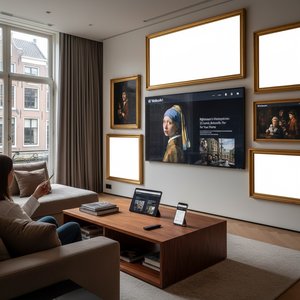
Топ-25 шедеврів Рейксмузею: мистецтво, історія та натхнення для вашого дому
Відкрийте для себе 25 найвідоміших шедеврів Рейксмузею Амстердама! Історія Рембрандта, Вермеєра та інших голландських майстрів. Купуйте репродукції картин високої якості для вашого дому на OriginalUniqueArt.com.

Топ-10 шедеврів голландського бароко: мистецтво для вашого дому від OriginalUniqueArt
Пориньте у світ голландського бароко! Від Рембрандта до Вермеєра – 10 шедеврів, що змінили мистецтво. Дізнайтеся історії створення та техніки живопису. Репродукції картин високої якості для вашого дому на OriginalUniqueArt.com
