
 Переглянути в інтер'єрі
 Надіслати як листівку
 Поділитися
 Детальніше

 Завантажити
 Схожі експонати
 Рентгенівське дослідження
 Слайд-шоу
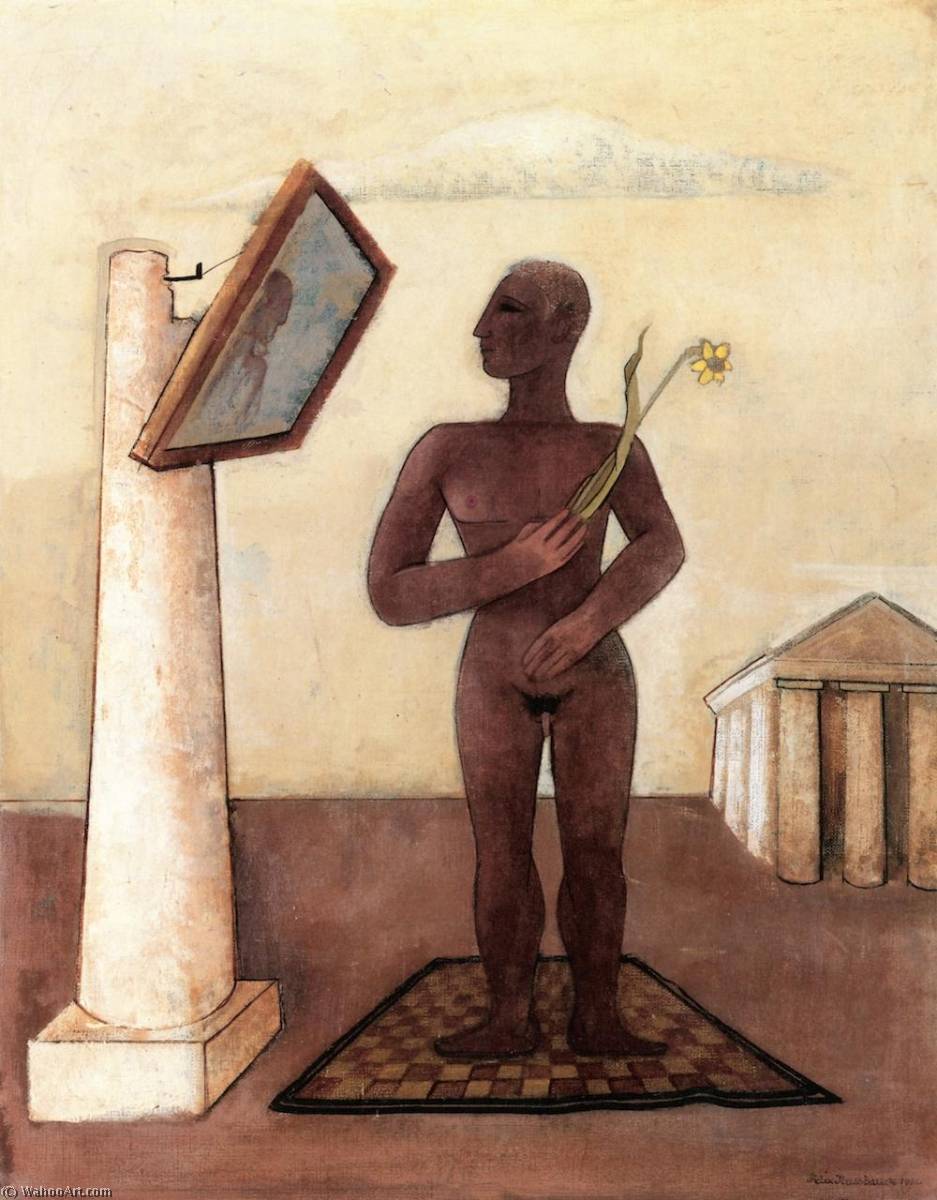
Narcussus
 1932
1932 64.0 x 51.0 cm
 Kulturgeschichtliche Museum Osnabrück
 Читати далі
Придбайте цифрову копію високої роздільної здатності з покращеною якістю, що значно перевершує онлайн-перегляд.
Кожен файл ретельно підготовлений нашими фахівцями за допомогою сучасних інструментів та професійної ручної ретуші. Ми гарантуємо виняткову чіткість, точну передачу кольору та високу деталізацію кожного зображення.
Фінальний файл надсилається електронною поштою протягом 72 годин і оптимізований для негайного використання у професійних виданнях та друкованих матеріалах. Таку якість обирають провідні дизайнерські студії, видавництва та галереї.
Цифрове зображення
Завантажте файл високої роздільної здатності для особистого використання, друку та творчих проєктів. ( Замовити принт Замовити репродукцію ручної роботи)
Переваги кожного замовлення цифрових зображень
Експертна цифрова доставка з гарантією якості
Обираючи OriginalUniqueArt.com, ви отримуєте не просто зображення — ви отримуєте професійно вдосконалений цифровий витвір мистецтва, створений з надзвичайною точністю та підкріплений гарантією задоволення. Ось усе, що автоматично додається до вашого замовлення:

Швидка доставка на email
Ваш цифровий файл із зображенням високої роздільної здатності буде надісланий вам електронною поштою протягом 72 годин після оформлення замовлення — він буде готовий до негайного використання.

Цифровий файл із покращенням ШІ
Ваш витвір мистецтва професійно оптимізовано за допомогою передових інструментів штучного інтелекту та ручної корекції, що забезпечує максимальну деталізацію, чіткість і точність передачі кольорів.

Безкоштовне повторне завантаження назавжди
Випадково видалили або втратили файл? Не хвилюйтеся — ми надішлемо його вам повторно в будь-який час безкоштовно.

Без митних зборів — ніколи
Насолоджуйтесь вашим витвором мистецтва миттєво без жодних мит, зборів або плати за доставку — цифрові завантаження завжди не оподатковуються.

Гарантія точності кольорів
Ми гарантуємо максимально точне відтворення оригінальних кольорів на вашому цифровому зображенні завдяки використанню професійних інструментів та систем управління кольором.

Гарантія задоволення протягом 60 днів
Якщо ви не задоволені придбаним цифровим зображенням, ми відкоригуємо його або повернемо 100% вартості протягом 60 днів — без жодних запитань.

Гарантія повернення 100% коштів
Не задоволені покупкою? Отримайте повне повернення коштів протягом 60 днів після отримання цифрового файлу — без жодних запитань.

Знижки на оптові замовлення
Купуйте 3 зображення — заощаджуйте 10% — Купуйте 5 — заощаджуйте 15% — Купуйте 10+ — заощаджуйте 20%. Чудово підходить для творчих проєктів, галерей та агентств.
Біографія митця
A Life Etched in Exile: The Haunting Vision of Felix Nussbaum
Felix Nussbaum’s story is a stark and profoundly moving testament to the power of art born from unimaginable suffering. Born in Osnabrück, Germany, in 1904, his life unfolded against the backdrop of rising nationalism and escalating persecution, culminating in the horrors of the Holocaust. He wasn't simply a victim *of* history; he was an artist who meticulously documented its impact on his soul, creating a body of work that stands as both a personal lament and a universal warning. Nussbaum’s paintings offer a rare, unflinching glimpse into the psychological landscape of displacement, fear, and ultimately, annihilation – a perspective often absent from broader historical narratives. His father, Philipp Nussbaum, a World War I veteran with an early passion for painting himself, recognized and nurtured his son's talent, providing encouragement that would prove vital in the darkening years to come. This initial support fostered a lifelong dedication to art, even as political realities increasingly constricted his path.Formative Years and Artistic Influences
Nussbaum’s artistic journey began with formal studies in Hamburg and Berlin in 1920, continuing for as long as circumstances allowed. His early work reveals a clear debt to the Post-Impressionist masters, particularly Vincent van Gogh and Henri Rousseau. The vibrant colors and expressive brushwork of these artists provided a foundation upon which Nussbaum would later build his unique style. However, he wasn’t content with mere imitation. He actively sought out new influences, drawn to the unsettling dreamscapes of Giorgio de Chirico and Carlo Carrà, pioneers of the *pittura metafisica* movement. The careful attention to color demonstrated by Carl Hofer's expressionist paintings also left a lasting impression on Nussbaum’s approach. These diverse inspirations coalesced into what would become known as his “New Objectivity” style – a blend of realism and surrealism, characterized by precise detail, unsettling compositions, and a pervasive sense of alienation. This period was marked by experimentation and growth, but the looming shadow of Nazi ideology soon threatened to extinguish his artistic promise.Exile, Isolation, and the Shadow of War
The ascent of the Nazis in 1933 irrevocably altered Nussbaum’s life. Studying on a scholarship in Rome at the Berlin Academy of the Arts, he witnessed firsthand the chilling pronouncements of Hitler's propaganda minister, outlining the tenets of Nazi art – glorification of heroism and the Aryan race. It became painfully clear that as a Jew, his place within the German artistic establishment was untenable. This realization forced him into exile, first to Paris and then to Belgium, where he married Felka Platek in 1937. The following decade was defined by fear and isolation. Despite finding some measure of safety, Nussbaum lived under constant threat, haunted by the knowledge of his parents’ perilous situation back in Germany. They had initially resisted his pleas to join them in exile, clinging to a misguided hope that things would improve, but ultimately returned home only to face the full force of Nazi persecution. This loss – the severing of his spiritual and financial support – deeply impacted Nussbaum's work, infusing it with an increasingly desperate and melancholic tone. He continued to paint prolifically during this period, finding solace and purpose in his art even as his world crumbled around him.A Testament to Suffering: Late Works and Lasting Legacy
The Nazi invasion of Belgium in 1940 marked a turning point. Nussbaum was arrested as a “hostile alien” and interned at the Saint-Cyprien camp in France, an experience that profoundly shaped his artistic vision. He managed to escape and went into hiding with Felka, relying on the generosity of friends for shelter and supplies. The final years of his life were spent in constant danger, producing some of his most powerful and haunting works. Self-Portrait with Jewish Identity Card (1943) is perhaps his most iconic painting – a stark and unflinching depiction of dehumanization, showing Nussbaum clutching the document that marked him as an outcast. Triumph of Death (1944), another masterpiece from this period, is filled with symbolic details—a crumpled music score playing “The Lambeth Walk,” a popular tune ironically juxtaposed with the surrounding despair—revealing Nussbaum’s meticulous attention to detail and his ability to imbue even mundane objects with profound meaning. Tragically, in 1944, Nussbaum's parents were murdered at Auschwitz. Shortly after, he and Felka were discovered by German forces, deported to Mechelen transit camp, and ultimately sent to Auschwitz themselves, where Felix was murdered upon arrival in August of that year. His brother and sister-in-law followed soon after, completing the annihilation of his family within a single year. Despite this unimaginable loss, Nussbaum’s art endures as a powerful testament to the resilience of the human spirit and a chilling reminder of the horrors of the Holocaust. The Felix Nussbaum Haus in Osnabrück stands as a fitting tribute to his life and work, ensuring that his voice continues to resonate for generations to come. His inclusion in documentaries like *Eyewitness* further solidifies his place among those artists who bore witness to history’s darkest chapters.
Фелікс Нюсбаум
1904 - 1945 , Німеччина
Основна інформація
- Artistic Movement Or Style: Сучасний об'єктний стиль / Surrealizm
- Artists Who Influenced This Artist:
- Вінсент ван Гог
- Генрі Россуа
- Джорджіо Де Черіко
- Карло Карра
- Керл Хофер
- Date Of Birth: 1904
- Date Of Death: 1945
- Full Name: Felix Nussbaum
- Nationality: Німецько-єврейський
- Notable Artworks:
- Автопортрет із свідоцтвом про єврейську ідентифікацію
- Тріумф смерті
- Живопис Фельки Платкек
- Маскарад
- Циган
- Place Of Birth: Osnabrück, Німеччина

