- Додому

- Репродукція картини олією
- Erich Mayer
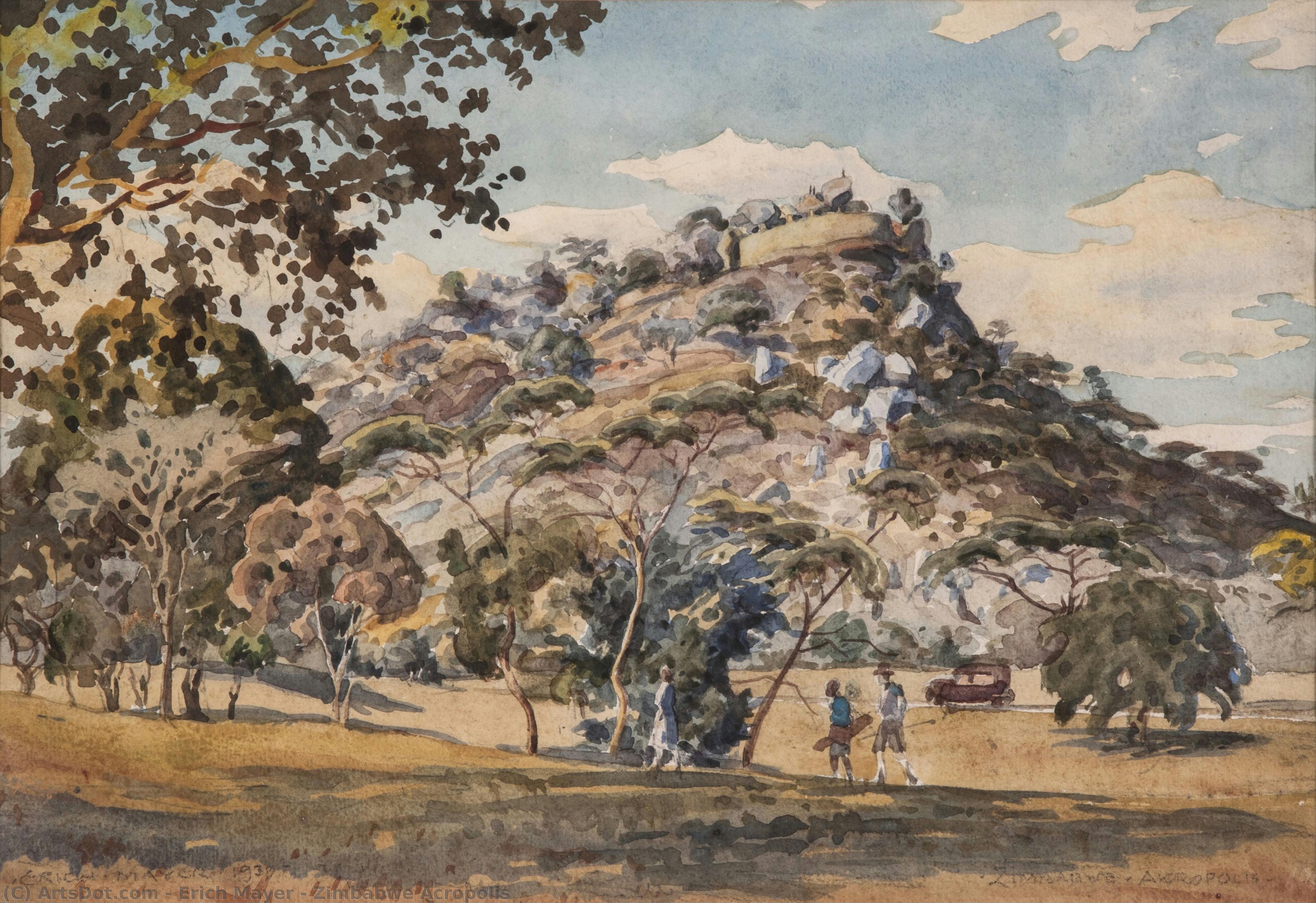
- Zimbabwe Acropolis
 Preview
 Надіслати
 Поділитися
 Деталі витвору

 Завантажити
 Схожі вироби
 Рентгенівське дослідження
 Слайд-шоу
Zimbabwe Acropolis
 Watercolor
- WallArt
- Contemporary Realism
 1939
1939- Modern
 29.0 x 42.0 cm
 University of Pretoria Museums
 Розгорнути текст
Олійная репродукція ручної роботи
Написана вручну олією на полотні у вашому розмірі та рамі, виготовлена на замовлення нашими художниками. ( Switch to Print Switch to Image)




P118B $10

P118H $10

P118W $10

P438Z $10

P508JH $12

P508YH $12

P805H $10

P805Z $10

P919BZ $10

P919G $10

P919XJ $10

P959ZH $10

P968JZ $12

W106C $8

W218G $10

W218JH $8

W218Y $10

W307PJ $10

W316G $10

W316PJ $8

W316Y $10

W398PJ $8

W4111J $10

W500HY $15

W500JH $15

W692G $12

W849H $8

W940BG $15

W953PJ $8




Обирайте з наших стандартних розмірів, що відповідають оригінальним пропорціям твору мистецтва.

Ви можете вказати власні розміри, щоб репродукція підійшла до конкретної рами або інтер'єру. Якщо вибраний вами розмір не відповідає пропорціям оригіналу, ми або обріжемо полотно, або доповнимо картину додатковими елементами, промальованими вручну. Цифровий макет буде надіслано вам на затвердження перед початком виробництва.
Зверніть увагу, що попередній перегляд на екрані не відображає фактичне обрізання або розширення зображення. Тільки макет точно покаже остаточну композицію.
Хоча ми можемо виготовити виріб у нестандартному розмірі, для збереження оригінальних пропорцій рекомендуємо обирати варіанти зі встановленого списку.
Після оформлення замовлення команда OriginalUniqueArt.com зв'яжеться з клієнтом електронною поштою для отримання інструкцій та надасть попередній макет
Доставка по всьому світу () за 3–4 тижні замість стандартних 5 тижнів. (28 Липень). Без жодних компромісів у якості.

Безкоштовна експрес-доставка по всьому світу

Високоякісне лляне полотно

Повне страхове покриття доставки

Гарантія відшкодування митних зборів

Гарантія точного відтворення кольорів

Політика повернення протягом 60 днів (лише у разі виявлення дефектів)

Гарантія повернення 100% коштів

Знижка на багатоелементні замовлення
 Скляний варіант доступний лише для розмірів до 110 см

Zimbabwe Acropolis
Матеріал репродукції
Розмір репродукції
-


Підсумкова ціна
$ 300
Опис твору
A Window into the Soul of Southern Africa
In the delicate, translucent layers of Erich Mayer’s watercolor "Zimbabwe Acropolis," we find more than just a landscape; we encounter a profound moment of stillness captured on the precipice of global upheaval. Painted in 1939, as the shadows of the Second World War began to lengthen across Europe, this work serves as a poignant testament to the enduring majesty of the African continent. Mayer, an artist whose life was defined by the turbulent shifts of history, uses the medium of watercolor to breathe life into the ancient stone structures and verdant hills of the Great Zimbabwe ruins. The painting invites the viewer to step into a serene assembly, where a small group of figures gathers amidst the sweeping grasses, their presence dwarfed by the monumental scale of the landscape, yet deeply connected to its rhythmic beauty.
The technique employed here is a masterclass in the subtle economy of watercolor. Mayer avoids heavy, oppressive strokes, opting instead for a fluid, atmospheric approach that allows light to permeate the paper itself. Through soft washes of earth tones—ochres, muted greens, and sun-bleached tans—he reconstructs the rugged topography of the Acropolis. The way the pigment settles into the grain of the paper mimics the natural textures of stone and vegetation, creating a sense of organic unity. There is a rhythmic quality to his brushwork; the scattered trees and the undulating terrain guide the eye through a composition that feels both expansive and intimate. For the collector, this piece offers a rare tactile quality, where the transparency of the medium evokes the very air of the Southern African veld.
Historical Resonance and Emotional Depth
To look upon "Zimbabwe Acropolis" is to engage with the complex biography of Erich Mayer himself. A man of German heritage living through the Anglo-Boer War and later facing internment during the World Wars, Mayer’s perspective was often that of an observer caught between worlds. This sense of being a witness is palpable in his work. The painting captures a peaceful, almost pastoral scene, yet knowing the historical context—the looming conflict that would soon disrupt such tranquility—adds a layer of bittersweet nostalgia to the viewing experience. The figures in the foreground, engaged in quiet companionship, represent a fleeting moment of human connection amidst the timelessness of the archaeological site.
For interior designers and art enthusiasts, this reproduction offers a sophisticated focal point that brings a sense of historical gravity and natural calm to any space. It is not merely a depiction of a place, but an evocative mood piece that speaks to themes of heritage, resilience, and the quiet dignity of the earth. The artwork functions beautifully in settings that value understated elegance and storytelling, providing a conversation piece that bridges the gap between the ancient past and the modern collector's eye. Owning a piece of Mayer’s legacy is an opportunity to preserve a fragment of a vanishing era, rendered with a sensitivity that remains as captivating today as it was in 1939.
Біографія митця
Erich Mayer: A Pioneer of South African Art
- Born: Mussino, Italy (1876)
- Died: Pretoria, South Africa (1960)
Early Life and Influences
Erich Ernst Karl Mayer was born in Karlsruhe, Germany, in 1876. He received his early education in Berlin and initially pursued studies in architecture, earning a scholarship to the Charlottenburg Technische Hochschule. However, illness interrupted his architectural training, leading him to seek a healthier climate and relocate to South Africa in 1898. His initial work involved serving as an assistant land surveyor in the Orange Free State.
The Boer War and Artistic Development
Mayer's life took a significant turn when he joined a Boer commando during the Anglo-Boer War (1899-1902). While participating in the conflict, he began sketching the local farmers and landscapes where his unit was stationed. Captured by British forces at Mafeking, Mayer endured imprisonment on St. Helena. During this period of confinement, he dedicated himself to art, honing his skills and developing his artistic vision. Upon his return to Germany after the war, he formally studied art before eventually returning to South Africa.
Artistic Style and Contributions
Settling in Pretoria in 1912, Mayer became a prominent figure in the South African art scene. He is best known for his meticulous watercolor paintings and oil paintings depicting rural life and landscapes of South Africa. His work often focused on portraying the lives of farmers and their families, capturing the essence of the country's interior regions with sensitivity and detail. A notable subject in his works was the Baobab tree ("Kremetartboom"). Mayer actively advocated for a "National Art Identity" within South Africa, seeking to develop an artistic style that reflected the unique character of the nation.
- Mediums: Primarily watercolor and oil painting.
- Subjects: Rural landscapes, portraits of farmers and their families, depictions of everyday life in South Africa.
- Style: Representational, characterized by meticulous detail and a sympathetic portrayal of his subjects.
Legacy and Historical Significance
Erich Mayer's contribution to South African art is significant for several reasons. He played a crucial role in fostering an indigenous artistic identity during a period when European influences were dominant. His empathetic depictions of rural life provided valuable insights into the lives of ordinary people, preserving a visual record of a bygone era. Mayer also shared his knowledge and skills by teaching woodcut printing to other artists, including the renowned JH Pierneef. His murals in the Jeppe Street Post Office (Johannesburg) and Monument High School (Krugersdorp) stand as lasting testaments to his artistic legacy.
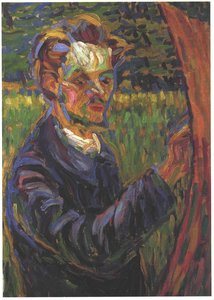
Erich Mayer
1940 - , Italy
Короткі факти
- Artistic Movement Or Style: Watercolor painting
- Artists Or Movements Influenced By This Artist: ['Henk Pierneef']
- Artists Who Influenced This Artist:
- Winslow Homer
- Henri Matisse
- Date Of Birth: 1876
- Date Of Death: 1960
- Full Name: Erich Ernst Karl Mayer
- Nationality: German-South African
- Notable Artworks: ['Baobab study near to Mussina']
- Place Of Birth: Karlsruhe, Germany
Пов'язані статті
Топ-25 шедеврів Метрополітен-музею: мистецтво для вашого дому від OriginalUniqueArt
Відкрийте для себе 25 найвідоміших шедеврів Метрополітен-музею! Історія мистецтва від Ван Гога до Моне. Репродукції картин онлайн – надихайтесь та створіть власний розкішний інтер'єр з OriginalUniqueArt.com.

Топ-10 легендарних акварелей, що змінили світ мистецтва | OriginalUniqueArt
Відкрийте для себе 10 легендарних акварелей від Turner, Monet та інших майстрів! Історія мистецтва, техніки живопису та натхнення для декору вашого дому. Купуйте репродукції картин аквареллю преміум-якості на OriginalUniqueArt.com.
Топ-25 шедеврів Національної галереї мистецтв: подорож у світ краси та натхнення | OriginalUniqueArt
Відкрийте для себе 25 шедеврів Національної галереї мистецтв! Історія Сезанна, Матісса, Пікассо та інших геніїв. Репродукції картин онлайн – надихайтесь для декору вашого дому з OriginalUniqueArt.com.

25 шедеврів Кацусіки Хокусая: мистецтво Японії для вашого дому | OriginalUniqueArt
Відкрийте 25 культових робіт Кацусіки Хокусая! Гравюри укійо-е, легендарна "Хвиля", пейзажі Фудзі та неймовірний світ японського мистецтва. Репродукції картин преміум-класу для вашого дому на OriginalUniqueArt.com.

Топ-25 шедеврів Джона Констебла: пейзажі Англії для вашого дому | OriginalUniqueArt
Відкрийте для себе 25 найкращих шедеврів Джона Констебла! Англійські пейзажі, романтизм та емоційне світло в живописі. Репродукції картин високої якості для вашого дому від OriginalUniqueArt.com. Дослідіть повну колекцію онлайн!

