
 Переглянути в інтер'єрі
 Надіслати як листівку
 Поділитися
 Деталі витвору
 Посібник

 Завантажити
 Схожі екземпляри
 Рентгенівське дослідження
 Слайд-шоу
 Q&A
Q&A Статистика
A Sermon in the Oude Kerk, Delft

- 73.0 x 60.0 cm


 Розгорнути текст
Гікле / Художній принт
Друк جيкле або на полотні музейної якості з оперативним виготовленням та різноманітними варіантами фінішної обробки. ( Замовити картину ручної роботи Перейти до цифрових зображень)




P118B ₴10

P118H ₴10

P118W ₴10

P438Z ₴10

P508JH ₴12

P508YH ₴12

P805H ₴10

P805Z ₴10

P919BZ ₴10

P919G ₴10

P919XJ ₴10

P959ZH ₴10

P968JZ ₴12

W106C ₴8

W218G ₴10

W218JH ₴8

W218Y ₴10

W307PJ ₴10

W316G ₴10

W316PJ ₴8

W316Y ₴10

W398PJ ₴8

W4111J ₴10

W500HY ₴15

W500JH ₴15

W692G ₴12

W849H ₴8

W940BG ₴15

W953PJ ₴8




Обирайте з наших стандартних розмірів, що відповідають оригінальним пропорціям твору мистецтва.

Введіть необхідну ширину та висоту, щоб принт ідеально підійшов до вашої рами або стіни. Принт можна лише обрізати, але не можна зробити більшим за оригінал, тому при зміні пропорцій частина зображення буде втрачена. Перед друком ми надсилаємо вам цифровий макет для затвердження. Зображення на цій сторінці не відображає реальну обрізку — її можна побачити лише на макеті.
Доставка по всьому світу () за 2 тижні замість стандартних 4/5 тижнів. (1 Листопад)

Безкоштовна експрес-доставка по всьому світу

Високоякісне лляне полотно

Повне страхове покриття доставки

Гарантія повернення митних зборів

Гарантія точного відтворення кольорів

Політика повернення протягом 100 днів (лише у разі виявлення дефектів)

Гарантія повернення 100% коштів

Пропозиція на оптові замовлення
 Скляний варіант доступний лише для розмірів до 110 см

A Sermon in the Oude Kerk, Delft
Гікле / Художній принт
Розмір репродукції
-


Підсумкова вартість
₴ 3596
The Soul of a Sacred Space: Emanuel de Witte’s ‘Interior of the Oude Kerk’
Emanuel de Witte's “A Sermon in the Oude Kerk, Delft” isn’t merely a painting; it’s an invitation. An invitation to step through its painted doorway and experience the quiet reverence, the diffused light, and the palpable sense of history within one of Holland’s most iconic churches. Completed around 1650, this remarkable work transcends simple architectural documentation, instead capturing the very *feeling* of being present in a sacred space – a feat rarely achieved by his contemporary, Pieter Saenredam, whose meticulous renderings focused primarily on precise lines and structures. De Witte sought to evoke atmosphere, to translate the spiritual essence of the Oude Kerk into a visual experience that resonates deeply with the viewer.
The painting immediately draws the eye through its masterful use of light. It’s not a bright, overtly dramatic illumination; rather, it's a soft, almost ethereal glow filtering through the stained glass windows and illuminating dust motes dancing in the air. This subtle lighting creates an illusion of depth, pulling the viewer into the heart of the church. Notice how De Witte doesn’t simply depict the architecture – he renders the *impression* of light upon it, imbuing the scene with a sense of tranquility and contemplation. The perspective is subtly skewed, lending a dreamlike quality to the space, as if we are momentarily transported into another realm.
A Window into Delft’s Golden Age
Delft itself holds immense historical significance. The Oude Kerk, dating back to the 14th century, has been a focal point of Dutch life for centuries, witnessing pivotal moments in the nation's history – from the arrival of William of Orange to the rise of the Dutch East India Company. De Witte’s painting serves as a poignant reminder of this rich heritage. The inclusion of details like the genealogical panels and the organ—symbols of both civic pride and religious devotion—ground the scene firmly within Delft’s identity. The presence of a dog, calmly observing the sermon, adds an unexpected layer of humanism, suggesting that even in a place of solemnity, everyday life continues to unfold.
Furthermore, the painting reflects the burgeoning artistic and intellectual climate of 17th-century Delft. The city was a hub for trade, craftsmanship, and innovation – particularly in the production of Delft Blue pottery, a style that would become synonymous with Dutch artistry. De Witte’s meticulous attention to detail and his ability to capture the nuances of light and shadow were hallmarks of this era's artistic flourishing. The painting is not just a religious scene; it’s a microcosm of Delft itself – vibrant, complex, and deeply rooted in tradition.
Symbolism and Emotional Resonance
Beyond its historical context, “A Sermon in the Oude Kerk” is rich in symbolism. The grave in the foreground serves as a potent reminder of mortality—a grounding element within the otherwise ethereal space. The figures present are not idealized representations; they are ordinary people engaged in a common ritual. This accessibility invites viewers to connect with the scene on a personal level, fostering a sense of shared humanity and spiritual connection. The painting’s overall mood is one of quiet contemplation and reverence—a feeling that lingers long after you've turned away from the canvas.
De Witte masterfully uses color to enhance this emotional impact. The muted tones of brown, gray, and gold create a sense of warmth and intimacy, while the splashes of blue in the stained glass windows add a touch of vibrancy and spiritual energy. The painting’s composition—with its diagonal lines and carefully arranged elements—guides the viewer's eye through the space, creating a dynamic yet harmonious visual experience.
A Legacy of Atmospheric Mastery
Emanuel de Witte’s “Interior of the Oude Kerk” stands as a testament to his unique artistic vision. Unlike Pieter Saenredam, who meticulously documented architectural details, De Witte prioritized capturing the *feeling* of space—the light, the atmosphere, and the spiritual essence of sacred interiors. This painting is not simply a representation of a church; it’s an immersive experience that transports the viewer to another time and place. Reproductions of this work continue to captivate audiences today, offering a glimpse into the soul of Delft and the enduring power of art to evoke emotion and inspire contemplation.
Питання та відповіді
Який розмір та орієнтацію рекомендується для друку «A Sermon in the Oude Kerk, Delft» роботи Емануель Де Віттє?
Для репродукції «A Sermon in the Oude Kerk, Delft» роботи Емануель Де Віттє рекомендується розмір Medium з орієнтацією Portrait.
Чи належить «A Sermon in the Oude Kerk, Delft» роботи Емануель Де Віттє до найбільш затребуваних творів Baroque?
«A Sermon in the Oude Kerk, Delft» має рівень популярності Recognized серед творів у стилі Baroque, представлених у каталозі.
Яку атмосферу передає "A Sermon in the Oude Kerk, Delft"?
Загальний настрій «A Sermon in the Oude Kerk, Delft» роботи Емануель Де Віттє — Calm. Цей настрій передає загальну атмосферу твору.
Біографія митця
A Life in Perspective: The World of Emanuel de Witte
Emanuel de Witte, a name perhaps less instantly recognizable than some of his Dutch Golden Age contemporaries, nevertheless occupies a significant and fascinating niche within the pantheon of 17th-century masters. Born in Alkmaar in 1617, De Witte’s artistic journey was one marked by both remarkable talent and considerable personal turmoil – a duality that seems to subtly infuse itself into the very atmosphere of his paintings. He wasn't driven by meticulous architectural documentation like Pieter Saenredam; instead, he sought to capture the *feeling* of space, the quality of light, and the subtle drama unfolding within sacred interiors. His canvases aren’t merely representations of churches; they are immersive experiences, inviting viewers into a world of quiet contemplation and spiritual resonance.From Delft Training to Amsterdam's Embrace
De Witte’s early life provided a solid foundation for his artistic pursuits. His father, a schoolmaster, instilled in him an appreciation for learning and intellectual curiosity – qualities that would later manifest in his careful observation of perspective and light. He formally entered the art world by joining the Guild of St Luke in Alkmaar in 1636, but it was his subsequent apprenticeship with Evert van Aelst in Delft that proved particularly formative. Van Aelst, a renowned still-life painter, imparted to De Witte a keen eye for detail and a masterful command of light and shadow – skills that would become hallmarks of his mature style. Initially, De Witte explored various genres—portraits, mythological scenes, religious narratives—but it was upon relocating to Amsterdam in 1651 that he truly found his calling. The city’s wealth of magnificent churches provided an inexhaustible source of inspiration, and he began to specialize in depicting their awe-inspiring interiors. The scale and grandeur of these spaces, combined with the play of light filtering through stained glass windows, presented a unique challenge – one De Witte embraced with remarkable skill.Master of Atmosphere and Imaginary Spaces
Amsterdam proved pivotal for De Witte's artistic development. He didn’t simply replicate existing church interiors; rather, he skillfully synthesized elements from different buildings, creating idealized spaces that felt both familiar and subtly otherworldly. The Oude Kerk in Amsterdam became a frequent subject on his canvases, appearing repeatedly from various vantage points – sometimes elevated to emphasize its imposing height, other times viewed from the bustling streets below. But these weren’t straightforward depictions. De Witte manipulated perspective, played with light and shadow, and populated the spaces with carefully arranged figures—often depicting worshippers in prayer or contemplation—to evoke a specific mood or atmosphere. He wasn't interested in photographic accuracy; he was striving to capture the *essence* of sacred space – its sense of reverence, tranquility, and spiritual depth. As Walter Liedtke noted, his primary interest lay not in the architecture itself but in “the space itself – its light, color, sheer extent, and mood.” This emphasis on atmospheric effect distinguishes him from more rigidly topographical painters of the era. He wasn’t concerned with precise measurements or architectural details; he was interested in creating a *feeling*—a sense of awe, peace, and connection to something greater than oneself.A Life Marked by Shadows
Despite his artistic success, De Witte's personal life was plagued by hardship. The death of his first wife brought profound grief, and subsequent legal troubles involving his second wife and daughter cast a long shadow over his later years. Financial difficulties led him to the humiliating position of indentured servitude to an art dealer, Joris de Wijs, a situation he ultimately breached, leading to further complications. Contemporary accounts paint a picture of a volatile temperament – a man prone to shouting at clients and engaging in disputes. This inner turmoil perhaps contributed to the unevenness of his later work, but it also adds another layer of complexity to our understanding of the artist and his creations. Tragically, De Witte’s life came to a devastating end in 1692 when he reportedly attempted suicide by hanging himself from a canal bridge; the rope broke, and he drowned. It was a grim finale for a man who had dedicated his life to capturing the beauty and serenity of sacred spaces.Legacy and Enduring Influence
Emanuel de Witte stands as an important figure in the last phase of architectural painting in the Netherlands, bridging the gap between meticulous documentation and atmospheric interpretation. His innovative use of light and perspective influenced subsequent generations of artists, and his paintings continue to offer valuable insights into 17th-century Dutch religious life and social customs. Today, works by De Witte are held in prestigious collections worldwide – at the Metropolitan Museum of Art in New York, the National Gallery of Art in Washington, D.C., and the Rijksmuseum in Amsterdam—testifying to his enduring legacy as a master of perspective, atmosphere, and emotional resonance. He reminds us that art is not merely about what we see but how we *feel* when we look.
Емануель Де Віттє
1617 - 1692 , Нідерланди
Короткі факти
- Artistic Movement Or Style: Бароко
- Artists Or Movements Influenced By This Artist: ['Пітер Янсза Саенредам']
- Artists Who Influenced This Artist: ['Еверт ван Аелст']
- Date Of Birth: 1617
- Date Of Death: 1692
- Full Name: Emanuel de Witte
- Nationality: Нідерландський
- Notable Artworks:
- Інтер'єр Оуда Керка
- Інтер'єр Нової церкви
- Place Of Birth: Алкмар, Нідерланди
Пов'язані статті
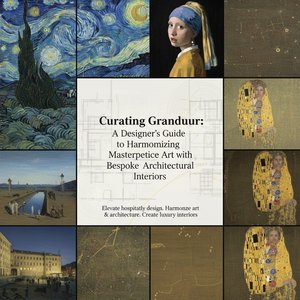
Гармонізація Історії та Відтінків: Посібник зі Співставлення Стилів Мистецтва з Архітектурною Архітектурою для Збалансованого Декору
Посібник зі створення гармонійного інтер'єру! Дізнайтеся, як поєднувати стилі мистецтва з архітектурою для елегантного декору. Експертні поради, тренди та натхнення від OriginalUniqueArt.
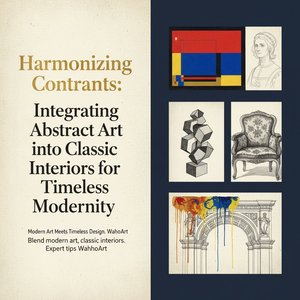
Гармонія Контрастів: Інтеграція Сучасної Абстрактної Живопису в Класичні Інтер'єри для Вічної Елегантності
Відкрийте гармонію контрастів! Експертні поради від OriginalUniqueArt щодо інтеграції сучасного абстрактного живопису в класичні інтер'єри. Підберіть ідеальне мистецтво для вашого дому – ексклюзивні репродукції та картини на замовлення з доставкою по Україні.

Топ-25 шедеврів Гойї: історія мистецтва для вашого дому | OriginalUniqueArt
Відкрийте 25 шедеврів Франсіско Гойї! Історія мистецтва, глибокі портрети та темні офорти іспанського романтизму. Купіть репродукції картин Гойї для вашого дому на OriginalUniqueArt.com – музейна якість та бездоганний декор.
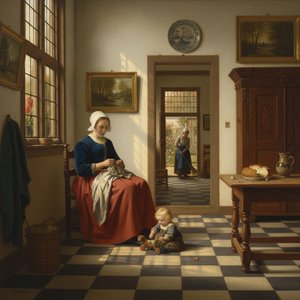
Pieter de Hooch: Illuminating Dutch Domestic Life & Golden Age Charm
Explore the captivating world of Pieter de Hooch, a master of Dutch Golden Age painting. Discover his innovative use of light, intimate domestic scenes, and lasting influence on art history. Learn more at OriginalUniqueArt.

Про нас
Відкрийте для себе нашу історію! Ми привносимо мистецтво світового класу у ваше життя завдяки експертному відбору, індивідуальним творам та безкоштовним попереднім переглядам. Затверджено приватними особами та компаніями з 2000 року.