Переглянути в інтер'єрі
 Надіслати як листівку
 Поділитися
 Детальніше

 Завантажити
 Схожі експонати
 Рентгенівське дослідження
 Слайд-шоу
San Pablo 4


 Читати далі
Гікле / Художній принт
Музейна якість друку جيкле або на полотні з оперативним виготовленням та різноманітними варіантами фінішної обробки. ( Замовити репродукцію ручної роботи Купити цифрове зображення)




P118B $10

P118H $10

P118W $10

P438Z $10

P508JH $12

P508YH $12

P805H $10

P805Z $10

P919BZ $10

P919G $10

P919XJ $10

P959ZH $10

P968JZ $12

W106C $8

W218G $10

W218JH $8

W218Y $10

W307PJ $10

W316G $10

W316PJ $8

W316Y $10

W398PJ $8

W4111J $10

W500HY $15

W500JH $15

W692G $12

W849H $8

W940BG $15

W953PJ $8




Обирайте з наших стандартних розмірів, що відповідають оригінальним пропорціям твору мистецтва.

Ви можете вказати власні розміри, щоб репродукція ідеально підійшла до конкретної рами або інтер'єру. Якщо обраний вами розмір не відповідає пропорціям оригіналу, ми або обріжемо полотно, або розширимо зображення за допомогою дзеркального відображення чи суцільної заливки країв. Перед початком виробництва вам буде надіслано цифровий макет для затвердження.
Будь ласка, зверніть увагу, що попередній перегляд на екрані не відображає фактичне обрізання або розширення. Тільки макет точно покаже фінальну композицію.
Хоча можливість замовлення індивідуальних розмірів доступна, ми рекомендуємо обирати формат із попередньо визначеного списку, щоб зберегти оригінальні пропорції.
Доставка по всьому світу () за 2 тижні замість стандартних 4/5 тижнів. (20 Серпень)

Безкоштовна експрес-доставка по всьому світу

Високоякісне лляне полотно

Повне страхове покриття доставки

Гарантія відшкодування митних зборів

Гарантія точного відтворення кольорів

Політика повернення протягом 60 днів (лише у разі виявлення дефектів)

Гарантія повернення 100% коштів

Пропозиція на оптові замовлення
 Скляний варіант доступний лише для розмірів до 110 см

San Pablo 4
Гікле / Художній принт
Розмір репродукції
-


Підсумкова вартість
$ 80
Опис експоната
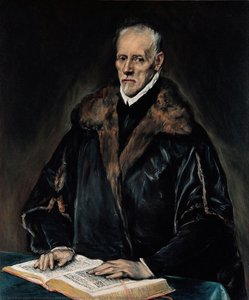
A Vision of Faith: The Spiritual Intensity of San Pablo 4
In the quiet, shadowed corners of art history, few figures command the room with as much profound gravity as El Greco’s San Pablo 4. This compelling portrait, widely believed to depict Saint Paul the Apostle, offers more than a mere likeness; it provides an intimate and reverent encounter with a soul in contemplation. The composition focuses intently on the figure from the waist up, pulling the viewer into a private moment of spiritual reflection. By utilizing a dark, undefined background, El Greco masterfully isolates the subject, stripping away the distractions of the material world to emphasize Paul’s inner spiritual presence. His gaze, directed slightly off-center, does not demand the viewer's attention through confrontation but rather invites a shared state of quiet meditation.
The painting serves as a breathtaking exemplar of the Baroque spirit, yet it is infused with the unmistakable, idiosyncratic voice of El Greco. While the work utilizes the dramatic chiaroscuro—the powerful interplay of light and shadow—characteristic of the era, it diverges from the typical exuberance found in many Baroque masterpieces. Instead, El Greco favors elongated forms and an intense emotionality that borders on the mystical. His figures are not merely anatomical representations; they are vessels of profound faith and inner turmoil. For the collector or interior designer, this piece brings a sense of dignified solemnity and intellectual depth to any space, acting as a window into a period where art and divinity were inextricably linked.
Mastery of Technique and the Byzantine Legacy
The technical execution of San Pablo 4 reveals the hand of a master who had synthesized the traditions of the East and West. Having been trained in the meticulous Byzantine tradition of Crete, El Greco brought a unique understanding of iconography to his later works in Spain. This is evident in the way he uses visible, textured brushstrokes to build volume within the rich drapery of Paul’s cloak. The layering of oil on canvas creates a luminous depth, allowing light to seemingly emerge from within the fabric itself. This technique lends a sense of realism to the textures while maintaining the stylized, ethereal aesthetic that defines his mature period.
The use of color and line further enhances the painting's emotional resonance. The palette is predominantly warm, creating an atmosphere of intensity and drama that contrasts sharply with the deep, enveloping shadows. Lines are used with precision to define the contours of the weathered face, the flowing beard, and the heavy folds of the clothing, providing a structural strength that anchors the more fluid, organic shapes. For those seeking to incorporate fine art into a curated environment, the painting’s ability to balance dramatic light with grounded, tactile textures makes it an extraordinary focal point for sophisticated decor.
Symbolism and the Eternal Echo of Devotion
Beyond its formal beauty, San Pablo 4 is rich with symbolic weight. The inclusion of a book—likely representing scripture or one of Paul’s influential epistles—is central to the narrative, signifying his role as an apostle and a teacher of wisdom. This element transforms the portrait from a simple study of a man into a tribute to the power of the written word and the endurance of faith. The painting evokes themes of wisdom, devotion, and the heavy responsibility of spiritual leadership.
As a precursor to both Expressionism and Cubism, El Greco’s work continues to resonate with modern sensibilities. His ability to capture the fragmentation of the human spirit through distorted forms and dramatic lighting ensures that his masterpieces remain timeless. Owning or displaying a high-quality reproduction of this work allows one to inhabit a space characterized by historical significance and spiritual depth, offering a constant source of inspiration and a profound connection to the golden age of Spanish art.
Біографія митця
Doménikos Theotokópoulos, Known As El Greco – “The Greek”
Doménikos Theotokópoulos, universally recognized as El Greco – “the Greek” – stands apart in the annals of European art history as a painter whose life and oeuvre defied easy categorization. Born in Crete, Greece (1541), under Venetian rule, his artistic journey traversed Venice and Rome before finding its ultimate expression in the spiritual heartland of Spain: Toledo. El Greco wasn’t merely shaped by these locations; he synthesized their diverse influences into an utterly distinctive style—one that foreshadowed the emotional fervor of Expressionism and the fragmented forms of Cubism centuries ahead of time. His formative years within Byzantine tradition instilled a meticulous attention to detail and a profound understanding of religious iconography, principles that would nevertheless propel him beyond conventional artistic boundaries. He signed his canvases in Greek, appending “Krḗs” – Cretan – as a defiant assertion of his heritage, even as he embraced new artistic horizons. The genesis of his singular style wasn’t solely rooted in technique but also nourished by the fervent religious climate of Crete and the rich tapestry woven by Venetian art masters like Titian and Tintoretto.A Venetian Apprenticeship: Absorbing Artistic Innovation
Around 1567, El Greco embarked on a transformative relocation to Venice—a move that irrevocably altered his artistic trajectory. Immersed in the pulsating artistic milieu of the Serenissima Republic, he diligently studied the luminaries of his era – Titian, Tintoretto, Veronese – absorbing their mastery of color palettes, compositional strategies, and dramatic lighting effects. He deliberately loosened his brushwork, embracing the sensual qualities inherent in oil paint and experimenting with techniques that would liberate him from rigid stylistic constraints. This Venetian influence is palpably present in early masterpieces such as *St. Sebastian* (1600), where anatomical precision harmoniously blends with theatrical illumination—a testament to El Greco’s ability to fuse meticulous observation with emotive expression. Furthermore, his exposure to Mannerism – a style characterized by elongated figures, distorted perspectives, and sophisticated arrangements – honed his artistic sensibilities and broadened his stylistic repertoire. While he demonstrated considerable talent within the competitive Roman art world, securing widespread acclaim proved elusive.Toledo: The Crucible of Spiritual Vision
His subsequent settlement in Toledo (1577) constituted a pivotal juncture in El Greco’s artistic evolution—a city steeped in religious fervor during the Counter- Reformation and ideally suited to nurture his profoundly spiritual canvases. This environment fostered both patronage and an atmosphere conducive to exploring themes of faith, mysticism, and transcendence. It was here that El Greco achieved his most enduring achievements, producing a series of paintings that solidified his reputation as one of Spain’s foremost artists—works imbued with an unparalleled emotional depth and stylistic originality. The monumental *Burial of the Count of Orgaz* (1586-1588), arguably his magnum opus, exemplifies these qualities spectacularly. This masterpiece seamlessly blends Byzantine artistic conventions with Venetian innovations, presenting a dramatic depiction of a miraculous event—the ascension of saints to bury a noble benefactor—with breathtaking realism juxtaposed against ethereal figures embodying divine intervention.A Style Defined By Distortion and Emotion
El Greco’s distinctive style is instantly recognizable—a stylistic hallmark that distinguishes him from his contemporaries. His depictions of human figures are frequently elongated, their bodies contorted in poses conveying intense spiritual ecstasy or profound anguish. This isn't merely a matter of artistic convention; it represents El Greco’s deliberate effort to transcend the limitations of representational art and capture the intangible realm of emotion and spirituality—a precursor to Expressionist sensibilities and Cubist fragmentation. He skillfully manipulated color—often employing hues that deviated dramatically from naturalistic palettes—to heighten the emotional impact of his compositions, mirroring the stylistic boldness championed by artists like Picasso and Braque. Moreover, dramatic lighting—characterized by stark contrasts between illumination and darkness—creates a theatrical atmosphere, drawing the viewer into the heart of the depicted narrative and amplifying its emotive resonance.Legacy: An Artist Ahead Of His Time
Despite encountering challenges securing recognition during his lifetime – largely due to stylistic divergences from prevailing artistic trends – El Greco’s legacy endured beyond his death in 1614. Artists like Picasso and Braque recognized him as a visionary forerunner of modern art, admiring his innovative use of form and perspective—elements that anticipated the aesthetic breakthroughs of subsequent generations. His expressive style resonated deeply with Expressionists who sought to convey emotional intensity through bold colors and dramatic compositions. Today, El Greco is revered as one of Spain’s most influential painters—a figure whose oeuvre continues to inspire awe and fascination, cementing his place among the titans of Western art history. His paintings transcend mere visual representation; they embody a profound spiritual quest—a testament to El Greco's unwavering conviction that art could illuminate the hidden depths of human experience and elevate consciousness toward transcendence.
Ель Греко
1541 - 1614 , Греція
Короткі факти
- Artistic Movement Or Style: Маньєризм, Бароко
- Artists Who Influenced This Artist:
- Тіціан
- Джентільєско
- Date Of Birth: 1541
- Date Of Death: 1614
- Full Name: Doménikos Theotokópoulos
- Nationality: Греко-Іспанія
- Notable Artworks:
- Похорон Графа Орґаза
- Вид Толедо
- Одягнення Христа
- Place Of Birth: Крит, Греція
Пов'язані статті
Топ-25 шедеврів Ель Греко: ікона живопису для вашого інтер'єру | OriginalUniqueArt
Відкрийте для себе 25 найзнаковіших шедеврів Ель Греко! Пориньте в світ іспанського живопису, манералізму та духовного мистецтва. Розкішні репродукції картин на OriginalUniqueArt.com – для вашого вишуканого інтер'єру. Дослідіть повну колекцію онлайн!
The Golden Age Reforged: Dramatic Realism & Religious Zeal in Spanish Baroque Art
Explore the dramatic world of Spanish Baroque art! Discover masters like Zurbarán & the powerful influence of religious zeal on painting techniques – a guide for collectors and enthusiasts.
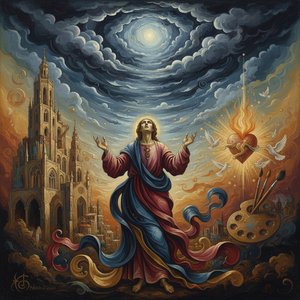
El Greco: Spirituality, Style & Innovation – A Renaissance Master's Legacy
Explore the captivating world of El Greco! Discover his unique style, spiritual intensity, and lasting impact on art history. Learn about this Renaissance master's life, iconic paintings & legacy.

The Dramatic Flourish: Exploring the Baroque Movement's Enduring Legacy in Art History
Explore the dramatic world of Baroque art! Discover iconic artists like Caravaggio & Rubens, defining techniques, and its lasting impact on art history. Expert insights for collectors & enthusiasts at OriginalUniqueArt.

The Visceral Stage: Exploring Dramatic Narratives & Emotional Intensity in Baroque Art
Explore the dramatic world of Baroque art! Discover iconic masters like Caravaggio & Rembrandt, their techniques, and the movement's lasting impact. Expert insights for collectors & enthusiasts at OriginalUniqueArt.