Меню

() ·

A painting made for you, by hand

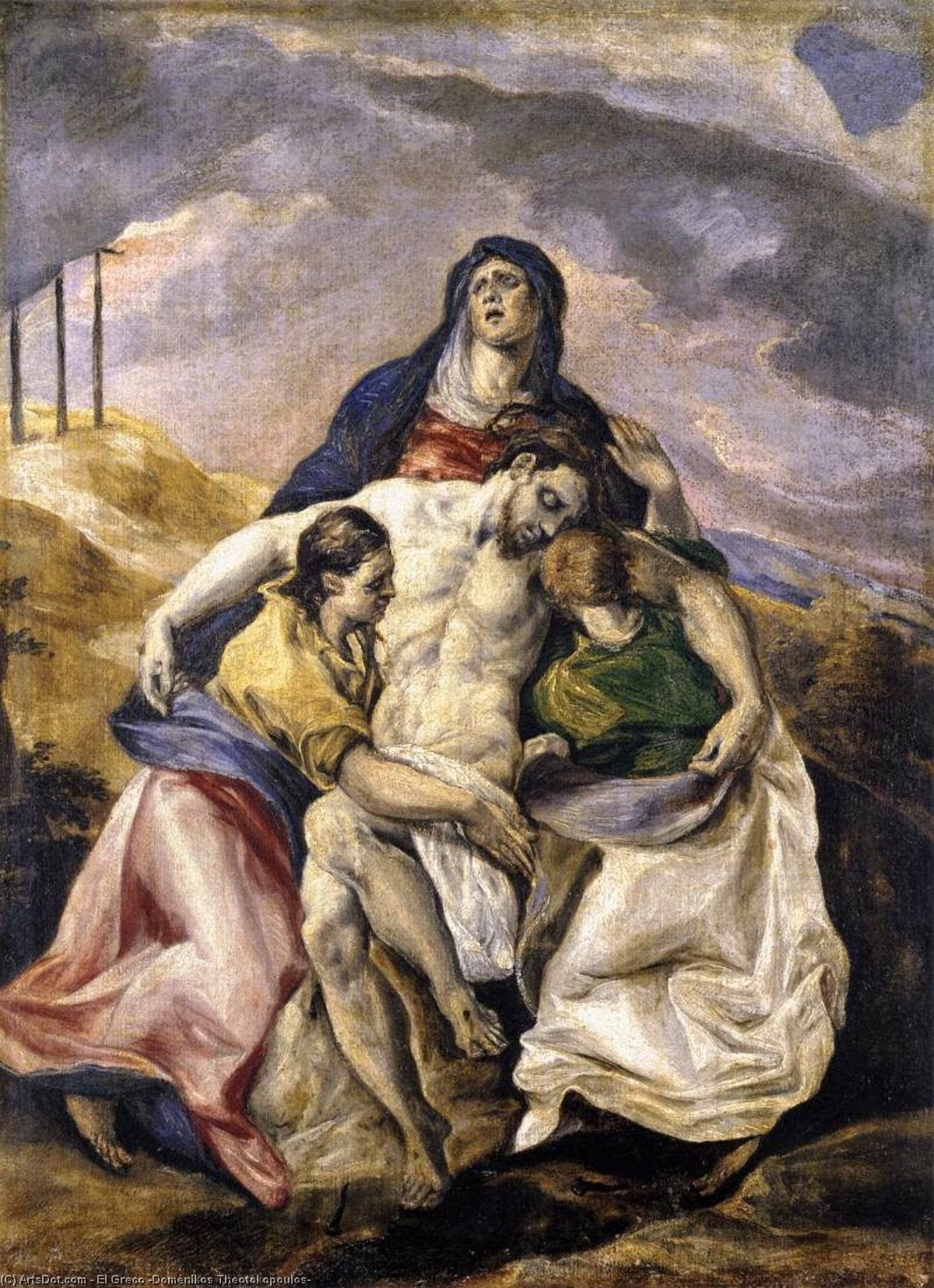
Pietà

Олійная репродукція ручної роботи

Написана вручну олією на полотні у вашому розмірі та рамі, виготовлена на замовлення нашими художниками. ( Перейти до друку Перейти до цифрових зображень)

Опис експоната

Experience the profound emotional intensity of El Greco's Pietà, a Mannerist masterpiece of distorted grace and spiritual sorrow that invites you to bring this timeless vision of devotion into your own collection.

Біографія митця

Свята Магдалина Е Greco – шедевр ренессансной живописи и христианской мистики. Изучите историю создания картины и ее символическое значение в музее искусства Кливленда!

from ·

Chapter 1

How large should it be?

Slide to change the size; the picture on the left shows the frame at its real width. The proportions of the original are kept.

Стандартний розмір
індивідуальний розмір
CM
INCH

Обирайте з наших стандартних розмірів, що відповідають оригінальним пропорціям твору мистецтва.

ширина
висота

Введіть необхідну ширину та висоту, щоб картина підійшла до вашої рами або стіни. Оскільки це ручний розпис, для зміни пропорцій художник може дописати трохи більше по краях або дещо обрізати композицію — вибір за вами. Перед початком роботи ми надішлемо вам цифровий макет для затвердження. Зображення, показане на цій сторінці, не є реальним результатом — лише макет відображає майбутній вигляд.

Chapter 2

How should it arrive?

Choose the edges of the stretched canvas

Choose your frame

Corner sample of the WhiteWrap canvas edge finish, stretched on масив дерева bars
White ₴1
Corner sample of the BlurSideWrap canvas edge finish, stretched on масив дерева bars
Blurside ₴1
Corner sample of the ExtendedWrap canvas edge finish, stretched on масив дерева bars
Extended ₴1
Corner sample of the P118B picture frame: формований полістирол, 5 cm wide and 3 cm thick
P118B ₴10
Corner sample of the P118H picture frame: формований полістирол, 5 cm wide and 3 cm thick
P118H ₴10
Corner sample of the P118W picture frame: формований полістирол, 5 cm wide and 3 cm thick
P118W ₴10
Corner sample of the P438Z picture frame: формований полістирол, 5.5 cm wide and 3.5 cm thick
P438Z ₴10
Corner sample of the P508JH picture frame: формований полістирол, 7 cm wide and 3.5 cm thick
P508JH ₴12
Corner sample of the P508YH picture frame: формований полістирол, 7 cm wide and 3.5 cm thick
P508YH ₴12
Corner sample of the P805H picture frame: формований полістирол, 5 cm wide and 3.5 cm thick
P805H ₴10
Corner sample of the P805Z picture frame: формований полістирол, 5 cm wide and 3.5 cm thick
P805Z ₴10
Corner sample of the P919BZ picture frame: формований полістирол, 7 cm wide and 3.5 cm thick
P919BZ ₴10
Corner sample of the P919G picture frame: формований полістирол, 7 cm wide and 3.5 cm thick
P919G ₴10
Corner sample of the P919XJ picture frame: формований полістирол, 7 cm wide and 3.5 cm thick
P919XJ ₴10
Corner sample of the P959ZH picture frame: формований полістирол, 5 cm wide and 3 cm thick
P959ZH ₴10
Corner sample of the P968JZ picture frame: формований полістирол, 6 cm wide and 4 cm thick
P968JZ ₴12
Corner sample of the W106C picture frame: масив дерева, 5 cm wide and 3 cm thick
W106C ₴8
Corner sample of the W218G picture frame: масив дерева, 5 cm wide and 3 cm thick
W218G ₴10
Corner sample of the W218JH picture frame: масив дерева, 5 cm wide and 3 cm thick
W218JH ₴8
Corner sample of the W218Y picture frame: масив дерева, 5 cm wide and 3 cm thick
W218Y ₴10
Corner sample of the W307PJ picture frame: масив дерева, 6 cm wide and 3 cm thick
W307PJ ₴10
Corner sample of the W316G picture frame: масив дерева, 6 cm wide and 3 cm thick
W316G ₴10
Corner sample of the W316PJ picture frame: масив дерева, 6 cm wide and 3 cm thick
W316PJ ₴8
Corner sample of the W316Y picture frame: масив дерева, 6 cm wide and 3 cm thick
W316Y ₴10
Corner sample of the W398PJ picture frame: масив дерева, 5 cm wide and 3 cm thick
W398PJ ₴8
Corner sample of the W4111J picture frame: масив дерева, 6.5 cm wide and 3.5 cm thick
W4111J ₴10
Corner sample of the W500HY picture frame: масив дерева, 7 cm wide and 5 cm thick
W500HY ₴15
Corner sample of the W500JH picture frame: масив дерева, 7 cm wide and 5 cm thick
W500JH ₴15
Corner sample of the W692G picture frame: масив дерева, 8 cm wide and 4 cm thick
W692G ₴12
Corner sample of the W849H picture frame: масив дерева, 5 cm wide and 3 cm thick
W849H ₴8
Corner sample of the W940BG picture frame: масив дерева, 7.5 cm wide and 4.5 cm thick
W940BG ₴15
Corner sample of the W953PJ picture frame: масив дерева, 6 cm wide and 3.5 cm thick
W953PJ ₴8
Corner sample of the H24-GOLD picture frame: різьблене дерево з левкасом, 10 cm wide and 6 cm thick
H24-GOLD ₴30
Corner sample of the H24-SILVER picture frame: різьблене дерево з левкасом, 10 cm wide and 6 cm thick
H24-SILVER ₴30
Corner sample of the H36-GOLD picture frame: різьблене дерево з левкасом, 15 cm wide and 6.5 cm thick
H36-GOLD ₴45
Corner sample of the H36-SILVER picture frame: різьблене дерево з левкасом, 15 cm wide and 6.5 cm thick
H36-SILVER ₴45

Moulding: . Overall size with the frame: .

Chapter 3

Who paints it, and should anything change?

Examples of what can be changed: Replace face with customer photo; Add pet (e.g., replace cat with dog); Include hidden message in background; Change background landscape or elements.
After order, OriginalUniqueArt.com team will email client for instructions and provide a mockup preview

Доставка по всьому світу () за 3–4 тижні замість стандартних 5 тижнів. (30 Жовтень). Без жодних компромісів у якості.

Chapter 4

The finishing touches

A nameplate, as in a museum?

Деталі гравірування на бронзовій табличці

This elegant plaque features the artist's name and the title of the artwork, finely engraved for a timeless presentation.

It is made from bronze with a refined, elegant finish. The text is precisely laser-engraved for a sharp and permanent result. Measuring 9x2 cm, the plaque is compact yet easy to read. It's built to be durable and scratch-resistant, offering a professional, museum-quality look. Mounting is simple thanks to the included adhesive backing.

Деталі прозорої акрилової таблички

The plaque includes essential engraved details such as the artist's name, the title of the artwork, the date it was created, the type of media used-like oil on canvas or watercolor-a brief description of the piece, and a QR code that links to the complete artwork information.

It is crafted from clear acrylic, offering a sleek, modern appearance. The text is UV-engraved in black to ensure strong visual contrast. With a size of 10x15 cm, it ensures optimal readability. It comes equipped with two metal hooks for secure wall mounting. The plaque is designed to be weather-resistant, making it suitable for various environments, and it includes interactive features that work seamlessly with smartphone scanning.

Деталі чорної акрилової таблички

This elegant plaque includes engraved information such as the artist's name, the title of the artwork, the date it was created, the type of media used (like oil on canvas or watercolor), a short description of the artwork, and a QR code for quick access to more information.

The plaque itself is made from refined black acrylic with a premium finish. The text is laser-engraved in white for high contrast and readability. Its size is 10x15 cm, designed to be easy to read. It comes with two metal hooks for professional mounting. The design is sleek and fits any interior style. It is also weather-resistant and durable, with built-in digital integration for mobile compatibility.

A protective varnish?

When do you need it?

Chapter 5

Your painting, as you ordered it

Pietà

Матеріал репродукції

Розмір репродукції

-

Видатний майстер-художник

Більше деталізації, витонченості та додаткового часу на створення твору

-

Рама для репродукції

-

-

Для творів мистецтва або репродукцій, розмір яких перевищує 105 см (приблизно 41 дюйм) з будь-якого боку, рама доставляється у вигляді розібраного комплекту. Такий метод гарантує безпечну доставку та запобігає пошкодженням під час транспортування.

Потребує професійного збирання — це не продукт для самостійного виготовлення (DIY).
Комплект має бути зібраний, а полотно натягнуте досвідченим майстром багетних робіт із використанням клейового дерева (не входить у комплект), щипців для натягування полотна та затискачів, щоб підрамник залишався рівним під час висихання клею. Неправильне збирання або нерівномірне натягування полотна може призвести до незворотного пошкодження твору мистецтва, що не підпадає під дію нашої гарантії.

  • У комплект входять усі бруски з цільного дерева, точно вирізані за розміром.

  • Збирається за допомогою гвинтів, що входять до комплекту, а також клейового розчину для кутових з'єднань, який не входить до комплекту і має бути підготовлений вашим майстром.

  • Потрібні професійні інструменти, які не входять до комплекту: щипці для натягування полотна (натягувач) та затискачі, щоб утримувати рейки рівно під час висихання клею.

Важливо:
Для з'єднання кутів потрібен клей для дерева, перекладини необхідно затиснути струбцинами до повного висихання клею, а для натягування полотна на зібрану раму знадобляться щипці для натягування полотна. Жоден із цих інструментів не входить до комплекту. Будь ласка, проконсультуйтеся з досвідченим майстром багетного оформлення перед замовленням рами такого розміру.

Етикетка експоната

-

-

Захисний лак

Глянцевий лак (підсилює яскравість кольорів, захищає від світла та вологи)

-

Персоналізувати мій витвір

Приклади можливих змін: заміна обличчя на фото клієнта; додавання домашньої тварини (наприклад, заміна кота на собаку); додавання прихованого повідомлення на фоні; зміна пейзажу або елементів фону.

-

Прискорено

Доставка по всьому світу () за 3–4 тижні замість стандартних 5 тижнів. (30 Жовтень). Без компромісів у якості.

-

Експрес-доставка

Доставка по всьому світу () протягом 5 тижнів. (6 Листопад).

Включено в ціну

Підсумкова вартість

₴ 13421

Загальна вартість ₴ 13421

Скляний варіант доступний лише для розмірів до 110 см

Included with every order

  • Безкоштовна експрес-доставка по всьому світу
  • Високоякісне лляне полотно
  • Повне страхове покриття доставки
  • Гарантія повернення митних зборів
  • Гарантія точного відтворення кольорів
  • Політика повернення протягом 100 днів (лише у разі виявлення дефектів)
  • Гарантія повернення 100% коштів
  • Пропозиція на оптові замовлення

A Vision of Sorrow and Grace: The Ethereal World of El Greco’s Pietà

In the quiet intensity of 1575, Domenikos Theotokópoulos, known to history as El Greco, captured a moment that transcends the boundaries of mere religious iconography. His Pietà is not simply a depiction of biblical grief; it is a profound psychological landscape where the earthly and the divine collide. As we gaze upon the Virgin Mary cradling the lifeless body of Jesus, we are invited into a space where sorrow is transformed into something luminous and transcendent. This masterpiece stands as a monumental testament to Renaissance spirituality, filtered through the intensely personal and visionary lens of a Cretan master who would eventually redefine the trajectory of European art.

The painting serves as a hauntingly beautiful meditation on compassion and sacrifice. Unlike more literal interpretations of the Lamentation, El Greco’s vision focuses on the emotional resonance of the figures. The weight of Christ's body is felt not just through physical gravity, but through the spiritual heaviness that permeates the composition. For collectors and lovers of fine art, this piece offers a rare opportunity to possess a fragment of the Mannerist revolution—a period where the artist’s internal truth took precedence over the rigid anatomical accuracy of the High Renaissance.

The Mastery of Mannerist Distortion and Light

To understand the impact of this work, one must look closely at El Greco’s deliberate departure from reality. Embracing the Mannerist style, the artist employs expressive distortions to communicate a heightened emotional state. Observe how the figures are subtly elongated, creating an ethereal presence that seems to float above the earthly realm. The drapery does not merely hang; it swirls with a dramatic, turbulent movement that mirrors the internal agony of the mourners. This is not a mistake of proportion, but a sophisticated stylistic choice designed to serve as a conduit for spiritual truth.

The technique behind this luminous surface is nothing short of miraculous. El Greco utilized painstaking layers of translucent glazes over an underpainting, a method that allows light to appear as if it is emanating from within the canvas itself. His palette, dominated by somber blues and deep reds, evokes the traditional colors of mourning and penitence. These pigments are applied with strategic precision, concentrating brilliance on key areas to guide the viewer's eye through the drama of the scene. For an interior designer, such a piece provides a sophisticated focal point, bringing a sense of historical depth and a quiet, contemplative energy to any curated space.

A Legacy of Spiritual Intensity

The historical context of the Pietà is deeply intertwined with El Greco’s own journey from the Byzantine traditions of Crete to the vibrant artistic hubs of Venice and Rome, finally settling in the spiritual heart of Toledo, Spain. This synthesis of influences—the meticulous detail of his Greek roots combined with the dramatic chiaroscuro of Italy—results in a work that feels both ancient and startlingly modern. The painting’s ability to evoke such profound empathy is why it remains a cornerstone of Christian iconography and a highly sought-after subject for high-quality reproductions.

When integrating a reproduction of this magnitude into a home or gallery, one is not merely adding decoration; one is introducing a narrative of resilience and grace. The Pietà invites the viewer to reflect on themes of maternal devotion and the enduring power of faith. It is a piece that demands attention through its subtle complexities, rewarding the observant eye with new layers of meaning upon every viewing. Whether placed in a sunlit study or a more formal setting, El Greco’s vision continues to captivate, offering an eternal window into the human soul.

Питання та відповіді

Для чого рекомендується використовувати репродукцію «Pietà» роботи Ель Греко?

Рекомендований спосіб використання «Pietà» роботи Ель Греко — це Statement. Також він може слугувати для інших цілей.

Яка насиченість кольорів у творі «Pietà» роботи Ель Греко?

Кольори в «Pietà» роботи Ель Греко мають Balanced насиченість.

Який розмір та орієнтацію рекомендується для друку «Pietà» роботи Ель Греко?

Розмір Small, орієнтація Portrait: рекомендовані параметри друку для «Pietà» роботи Ель Греко.

More about this painting

Переглянути в інтер'єрі Перегляд в AR Перейти до друку Перейти до цифрових зображень Надіслати як листівку
Деталі витвору Посібник Додати до улюблених Завантажити Схожі екземпляри Рентгенівське дослідження Слайд-шоу Q&A Статистика

In numbers

  • 1575the year it was painted
  • 29frames to choose from
  • standard sizes, in its own proportions
  • 5weeks to paint and deliver it
Ель Греко

Ель Греко

1541 - 1614, Греція

Quick facts about Ель Греко

  • Artistic Movement Or Style: Маньєризм, Бароко
  • Artists Who Influenced This Artist:
    • Тіціан
    • Джентільєско
  • Date Of Birth: 1541
  • Date Of Death: 1614
  • Full Name: Doménikos Theotokópoulos
  • Nationality: Греко-Іспанія
  • Notable Artworks:
    • Похорон Графа Орґаза
    • Вид Толедо
    • Одягнення Христа
  • Place Of Birth: Крит, Греція

Біографія митця

Doménikos Theotokópoulos, Known As El Greco – “The Greek”

Doménikos Theotokópoulos, universally recognized as El Greco – “the Greek” – stands apart in the annals of European art history as a painter whose life and oeuvre defied easy categorization. Born in Crete, Greece (1541), under Venetian rule, his artistic journey traversed Venice and Rome before finding its ultimate expression in the spiritual heartland of Spain: Toledo. El Greco wasn’t merely shaped by these locations; he synthesized their diverse influences into an utterly distinctive style—one that foreshadowed the emotional fervor of Expressionism and the fragmented forms of Cubism centuries ahead of time. His formative years within Byzantine tradition instilled a meticulous attention to detail and a profound understanding of religious iconography, principles that would nevertheless propel him beyond conventional artistic boundaries. He signed his canvases in Greek, appending “Krḗs” – Cretan – as a defiant assertion of his heritage, even as he embraced new artistic horizons. The genesis of his singular style wasn’t solely rooted in technique but also nourished by the fervent religious climate of Crete and the rich tapestry woven by Venetian art masters like Titian and Tintoretto.

A Venetian Apprenticeship: Absorbing Artistic Innovation

Around 1567, El Greco embarked on a transformative relocation to Venice—a move that irrevocably altered his artistic trajectory. Immersed in the pulsating artistic milieu of the Serenissima Republic, he diligently studied the luminaries of his era – Titian, Tintoretto, Veronese – absorbing their mastery of color palettes, compositional strategies, and dramatic lighting effects. He deliberately loosened his brushwork, embracing the sensual qualities inherent in oil paint and experimenting with techniques that would liberate him from rigid stylistic constraints. This Venetian influence is palpably present in early masterpieces such as *St. Sebastian* (1600), where anatomical precision harmoniously blends with theatrical illumination—a testament to El Greco’s ability to fuse meticulous observation with emotive expression. Furthermore, his exposure to Mannerism – a style characterized by elongated figures, distorted perspectives, and sophisticated arrangements – honed his artistic sensibilities and broadened his stylistic repertoire. While he demonstrated considerable talent within the competitive Roman art world, securing widespread acclaim proved elusive.

Toledo: The Crucible of Spiritual Vision

His subsequent settlement in Toledo (1577) constituted a pivotal juncture in El Greco’s artistic evolution—a city steeped in religious fervor during the Counter- Reformation and ideally suited to nurture his profoundly spiritual canvases. This environment fostered both patronage and an atmosphere conducive to exploring themes of faith, mysticism, and transcendence. It was here that El Greco achieved his most enduring achievements, producing a series of paintings that solidified his reputation as one of Spain’s foremost artists—works imbued with an unparalleled emotional depth and stylistic originality. The monumental *Burial of the Count of Orgaz* (1586-1588), arguably his magnum opus, exemplifies these qualities spectacularly. This masterpiece seamlessly blends Byzantine artistic conventions with Venetian innovations, presenting a dramatic depiction of a miraculous event—the ascension of saints to bury a noble benefactor—with breathtaking realism juxtaposed against ethereal figures embodying divine intervention.

A Style Defined By Distortion and Emotion

El Greco’s distinctive style is instantly recognizable—a stylistic hallmark that distinguishes him from his contemporaries. His depictions of human figures are frequently elongated, their bodies contorted in poses conveying intense spiritual ecstasy or profound anguish. This isn't merely a matter of artistic convention; it represents El Greco’s deliberate effort to transcend the limitations of representational art and capture the intangible realm of emotion and spirituality—a precursor to Expressionist sensibilities and Cubist fragmentation. He skillfully manipulated color—often employing hues that deviated dramatically from naturalistic palettes—to heighten the emotional impact of his compositions, mirroring the stylistic boldness championed by artists like Picasso and Braque. Moreover, dramatic lighting—characterized by stark contrasts between illumination and darkness—creates a theatrical atmosphere, drawing the viewer into the heart of the depicted narrative and amplifying its emotive resonance.

Legacy: An Artist Ahead Of His Time

Despite encountering challenges securing recognition during his lifetime – largely due to stylistic divergences from prevailing artistic trends – El Greco’s legacy endured beyond his death in 1614. Artists like Picasso and Braque recognized him as a visionary forerunner of modern art, admiring his innovative use of form and perspective—elements that anticipated the aesthetic breakthroughs of subsequent generations. His expressive style resonated deeply with Expressionists who sought to convey emotional intensity through bold colors and dramatic compositions. Today, El Greco is revered as one of Spain’s most influential painters—a figure whose oeuvre continues to inspire awe and fascination, cementing his place among the titans of Western art history. His paintings transcend mere visual representation; they embody a profound spiritual quest—a testament to El Greco's unwavering conviction that art could illuminate the hidden depths of human experience and elevate consciousness toward transcendence.

Основна інформація

  • Dimensions: 66 x 48 cm
  • Title: Pietà
  • Year: 1575
  • Location: Toledo Cathedral, Spain
  • Artistic style: Expressive; stylized
  • Movement: Spanish Mannerism

Квіз про мистецтво

У кожному запитанні лише одна правильна відповідь.

Запитання 1:
What is the primary subject matter depicted in El Greco’s Pietà?
Запитання 2:
El Greco's style is characterized by:
Запитання 3:
In what city was El Greco primarily active during his artistic career?
Запитання 4:
What religious tradition heavily influenced El Greco's early artistic training?
Запитання 5:
The image description mentions a dark background. What is the purpose of this darkened backdrop in relation to the artwork’s overall mood?