American Realism · 1951
First Row Orchestra (Едвард Гоппер, 1951)
Едвард Гоппер (1882–1967) створив First Row Orchestra. Дата створення — 1951. Він належить до напряму American Realism. Виконано в Oil On Canvas. Розмір: 79 × 102 cm
- 1951
- Oil On Canvas
- 79 × 102 cm

 Переглянути в інтер'єрі

 Картина олією ручної роботи
 Надіслати як листівку
 Поділитися
 Інформаційна картка


 Завантажити
 Схожі екземпляри
 Рентгенівське дослідження
 Слайд-шоу
 Питання та відповіді

 Статистика
First Row Orchestra коротко
- Назва
- First Row Orchestra
- Художник
- Едвард Гоппер (1882–1967)
- Рік народження митця
- Аппер-Найак, США
- Дата
- 1951
- Матеріал
- Oil On Canvas
- Розміри
- 79 × 102 cm
- Сюжет
- orchestra, theater, audience, formalwear, isolation, evening
Що зображено на First Row Orchestra?
A Moment Frozen in Time: Edward Hopper’s “First Row Orchestra”
Edward Hopper's "First Row Orchestra," painted in 1951, isn’t merely a depiction of an evening at the theater; it’s a carefully constructed tableau of urban solitude and quiet contemplation – hallmarks of the artist’s enduring legacy. The painting captures a scene within the first row of an orchestra hall, bathed in the muted light of a late-night performance. It's a study in restraint, a masterful distillation of atmosphere rather than a vibrant narrative. Hopper, already renowned for his explorations of American alienation and the subtle dramas of everyday life, here presents us with a moment suspended in time, inviting viewers to consider the unspoken stories and quiet observations within this seemingly ordinary setting. The stark black-and-white palette—a deliberate choice by Hopper—amplifies the sense of detachment and emphasizes the formal architecture of the theater, creating an almost photographic quality that draws us into the scene.The Language of Light and Form
Hopper’s technique is characterized by a remarkable precision in rendering light and shadow. He employs a restrained use of color – primarily grays, browns, and blues – to create a sense of depth and atmosphere. The strong directional lighting, originating from unseen sources within the theater, sculpts the figures and architecture with dramatic effect. Notice how the light catches the folds of the woman’s fur coat, highlighting her posture and suggesting a private moment of absorption. The use of sharp edges and precise lines contributes to the painting's sense of formality and stillness. Hopper meticulously details the textures – from the plush velvet of the seats to the sheen of the polished wood – adding layers of visual interest without overwhelming the composition. The empty chairs in the foreground, a deliberate compositional element, serve as an invitation for the viewer to step into the scene and imagine themselves among the audience.A Portrait of Modern Isolation
“First Row Orchestra” is deeply rooted within the context of mid-20th century America – a period marked by rapid urbanization, social change, and a growing sense of isolation. Hopper’s work reflects this mood, portraying individuals often lost in their own thoughts, disconnected from one another despite being physically present in public spaces. The woman seated alone, engrossed in her program, embodies this theme perfectly. Her posture suggests both attentiveness to the performance and a profound detachment from the surrounding environment. The other figures – a couple engaged in conversation, a man observing with a slightly melancholic expression – further reinforce this sense of quiet solitude. Hopper wasn’t simply painting a scene; he was capturing a feeling—the subtle ache of loneliness that can permeate even the most crowded spaces.Symbolism and Emotional Resonance
Beyond its immediate visual appeal, “First Row Orchestra” is rich in symbolic meaning. The theater itself represents a temporary escape from the realities of everyday life, a space where individuals can momentarily lose themselves in art and entertainment. However, Hopper subtly suggests that this escape offers little solace. The darkened room, the muted colors, and the solitary figures all contribute to a sense of unease and melancholy. The curtain, a powerful visual element, acts as both a barrier between the audience and the stage and a symbol of separation – separating the performers from the spectators, and perhaps reflecting the emotional distance between individuals in modern society. The painting’s enduring power lies in its ability to evoke a complex range of emotions—a quiet sadness, a sense of longing, and a poignant awareness of human isolation.Bringing “First Row Orchestra” Home
OriginalUniqueArt offers meticulously crafted hand-painted reproductions of Edward Hopper's "First Row Orchestra," allowing you to experience the depth and nuance of this iconic artwork in your own space. Our skilled artists faithfully recreate Hopper’s masterful use of light, shadow, and composition, ensuring that your reproduction captures the painting’s original emotional impact. Whether displayed as a statement piece in a contemporary interior or as a thoughtful addition to a classic setting, “First Row Orchestra” is sure to spark conversation and evoke a sense of quiet contemplation—a timeless reminder of the beauty and melancholy inherent in the human experience. Explore our range of sizes and framing options to find the perfect reproduction for your collection.Зображення високої роздільної здатності First Row Orchestra

Protected by copyright: these files are for personal reference, not a licence to republish.
Едвард Гоппер, First Row Orchestra (1951).
Відповіді на запитання про First Row Orchestra
У якому році було створено «First Row Orchestra» роботи Едвард Гоппер?
«First Row Orchestra» роботи Едвард Гоппер було створено у 1951 році.
Яка техніка виконання у «First Row Orchestra» роботи Едвард Гоппер?
«First Row Orchestra» виконано в техніці Oil On Canvas.
Які розміри оригінального твору «First Row Orchestra» роботи Едвард Гоппер?
Розмір оригіналу «First Row Orchestra» роботи Едвард Гоппер становить 79 x 102 cm.
Що зображено на творі "First Row Orchestra"?
Сюжетами твору "First Row Orchestra" є orchestra, theater, audience, formalwear, isolation, evening, concert, quietness.
Чи можна вільно відтворювати зображення «First Row Orchestra» роботи Едвард Гоппер?
Щодо авторського права, «First Row Orchestra» є все ще перебуває під захистом авторського права.
Хто є автором твору "First Row Orchestra"?
«First Row Orchestra» приписують Едвард Гоппер.
До якого художнього напряму належить «First Row Orchestra» роботи Едвард Гоппер?
«First Row Orchestra» роботи Едвард Гоппер належить до течії American Realism. Цей напрям визначає стилістичний контекст твору.
Який етап творчого розвитку Едвард Гоппер представляє твір "First Row Orchestra"?
У межах творчого шляху Едвард Гоппер твір "First Row Orchestra" належить до періоду Mature Period. Ця фаза дозволяє порівняти його з іншими роботами митця.
Скільки років було Едвард Гоппер, коли було створено «First Row Orchestra»?
Едвард Гоппер було 69 років, коли він створив «First Row Orchestra» у 1951 році. Вік обчислено на основі року народження митця, 1882.
Про художника Едвард Гоппер
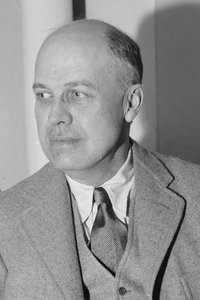
1882–1967, США
Едвард Гоппер
Тиша американського пейзажу Едвард Гоппер народився в Аппер-Няк, Сполучені Штати Америки. Його ранні роки минули у спостереженні за світом пильним поглядом — ця звичка зародилася ще в дитинстві з ретельно датованих та підписаних ескізів. Хоча батьки пропонували йому практичний шлях у комерційній ілюстрації, його пристрасть залишалася незмінною — образотворче мистецтво. Він навчався в Нью-Йоркській школі мистецтв під керівництвом Вільяма Меррітта Чейза та Роберта Генрі.
Також за участю Едвард Гоппер
 Нічні яструби, Художній інститут Чикаго, Чикаго1942
 Автомат (маленька)
 Будинок біля залізниці1925
 Нью-Йоркський фільм1939
Есе до твору First Row Orchestra
 Топ-25 шедеврів Едварда Гоппера: мистецтво самотності та американського реалізму | OriginalUniqueArtВідкрийте для себе 25 культових картин Едварда Гоппера – символів американського реалізму та самотності. Історія мистецтва, техніки живопис…
 Solitude in Color: 10 Masterpieces That Capture the Essence of LonelinessExplore iconic works by Hopper and Dalí that capture profound solitude. Discover all masterpieces on OriginalUniqueArt.com.
 Figurative Expressionism: Integrating Raw Emotion and the Human Form into High-End Hospitality DesignElevate hospitality interiors with Figurative Expressionism. Discover how hand-painted oil reproductions of emotive human forms create prof…