 Переглянути в інтер'єрі
 Надіслати
 Поділитися
 Деталі
 Посібник

 Завантажити
 Схожі предмети колекціонування
 Рентгенівське дослідження
 Слайд-шоу
 Статистика переглядів
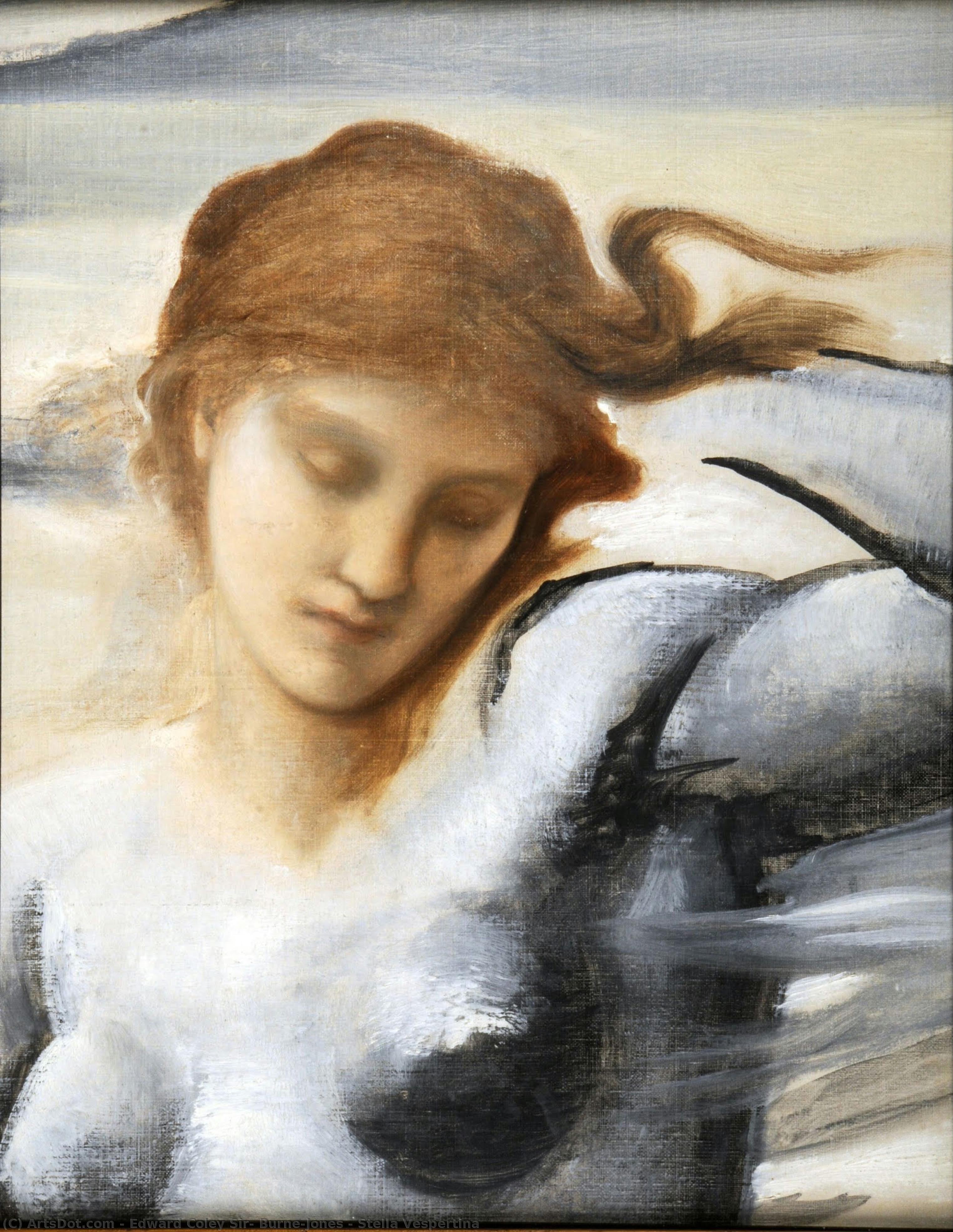
Stella Vespertina


 Читати далі
Гікле / Художній принт
Музейна якість друку جيкле або на полотні з оперативним виготовленням та різноманітними варіантами фінішної обробки. ( Купити картину ручної роботи Перейти до цифрових зображень)




P118B $10

P118H $10

P118W $10

P438Z $10

P508JH $12

P508YH $12

P805H $10

P805Z $10

P919BZ $10

P919G $10

P919XJ $10

P959ZH $10

P968JZ $12

W106C $8

W218G $10

W218JH $8

W218Y $10

W307PJ $10

W316G $10

W316PJ $8

W316Y $10

W398PJ $8

W4111J $10

W500HY $15

W500JH $15

W692G $12

W849H $8

W940BG $15

W953PJ $8




Обирайте з наших стандартних розмірів, що відповідають оригінальним пропорціям твору мистецтва.

Ви можете вказати власні розміри, щоб репродукція ідеально підійшла до конкретної рами або інтер'єру. Якщо обраний вами розмір не відповідає пропорціям оригіналу, ми або обріжемо полотно, або розширимо зображення за допомогою дзеркального відображення чи суцільної заливки країв. Перед початком виробництва вам буде надіслано цифровий макет для затвердження.
Будь ласка, зверніть увагу, що попередній перегляд на екрані не відображає фактичне обрізання або розширення. Тільки макет точно покаже фінальну композицію.
Хоча можливість замовлення індивідуальних розмірів доступна, ми рекомендуємо обирати формат із попередньо визначеного списку, щоб зберегти оригінальні пропорції.
Доставка по всьому світу () за 2 тижні замість стандартних 4/5 тижнів. (27 Вересень)

Безкоштовна експрес-доставка по всьому світу

Високоякісне лляне полотно

Повне страхове покриття доставки

Гарантія повернення митних зборів

Гарантія точного відтворення кольорів

Політика повернення протягом 100 днів (лише у разі виявлення дефектів)

Гарантія повернення 100% коштів

Знижка на оптові замовлення
 Скляний варіант доступний лише для розмірів до 110 см

Stella Vespertina
Гікле / Художній принт
Розмір репродукції
-


Загальна вартість
$ 80
A Melancholic Vision: The Soul of Stella Vespertina
In the quiet, evocative realm of Sir Edward Coley Burne-Jones’ Stella Vespertina, viewers are invited into a space where time seems to suspend itself. Completed around 1881, this hauntingly beautiful oil painting serves as more than a mere portrait; it is a profound meditation on the human condition, capturing a moment of deep, melancholic introspection. The title itself, Latin for "Evening Star," hints at the celestial and the ephemeral, suggesting a light that shines most brilliantly just before the onset of darkness. As one gazes upon the young woman’s downward gaze and profile, there is an immediate sense of shared solitude, making the piece an exquisite choice for those who find beauty in the quiet, contemplative corners of life.
The painting emerged from a transformative creative process that reflects Burne-Jones' mastery over scale and emotion. Originally conceived as a monumental full-length nude seated upon a rock—a composition echoing the religious iconography of Mary Magdalene—the artist eventually distilled the work into a more concentrated, intimate canvas. This reduction allowed the emotional weight to intensify, focusing the viewer's attention on the subtle nuances of the subject's expression. The woman’s flowing hair cascades around her shoulders like a silken shroud, symbolizing a sense of vulnerability and inner unrest, while the delicate inclusion of her hat acts as a symbolic barrier, protecting her private grief from the encroaching world.
A Masterclass in Pre-Raphaelite Technique
Technically, Stella Vespertina represents a breathtaking intersection of Pre-Raphaelite precision and the burgeoning influence of Impressionism. Burne-Jones employs a sophisticated palette of muted tones—shades of gray, soft browns, and ethereal whites—to cultivate a somber, atmospheric mood. The brushwork is remarkably expressive; while the rendering of the face possesses a delicate clarity, the surrounding elements are treated with loose, fluid strokes that suggest a misty, perhaps even stormy, environment. This interplay between detail and abstraction creates a sense of depth through atmospheric perspective, as the background gradually dissolves into a soft, gray haze.
For the discerning collector or interior designer, this artwork offers a unique textural richness. The contrast between the smooth, porcelain-like skin of the subject and the more rugged, textured treatment of her hair and the background provides a visual complexity that commands attention in any setting. Whether placed in a sunlit gallery or a dimly lit study, the painting’s soft, diffused lighting and lack of harsh highlights allow it to integrate seamlessly into sophisticated decor, acting as a focal point that evokes a sense of historical grandeur and romantic mystery.
Symbolism and Emotional Resonance
To possess a reproduction of Stella Vespertina is to hold a piece of the late Victorian aesthetic movement. The painting is steeped in the symbolism characteristic of the Pre-Raphaelite Brotherhood, where every element—from the tilt of a head to the flow of a garment—is imbued with psychological depth. It captures the essence of Romanticism, celebrating the beauty found within sorrow and the dignity of resilience. This emotional resonance makes the piece particularly compelling for those looking to add a layer of intellectual and emotional sophistication to their collections.
Ultimately, the enduring allure of this work lies in its ability to transcend its era. It does not merely depict a woman lost in thought; it invites the observer to lose themselves in thought alongside her. As an investment in fine art reproduction, it offers a timeless connection to the legendary partnership between Burne-Jones and William Morris, bringing the dreamlike, medieval-inspired spirit of the 19th century into the modern home.
Біографія митця
A Dream Woven in Color: The Life and Art of Edward Burne-Jones
Edward Coley Burne-Jones, a name synonymous with Victorian romanticism and Pre-Raphaelite beauty, was born in the industrial heart of Birmingham in 1833. His early life, marked by the tragic loss of his mother, shaped a contemplative spirit deeply immersed in imaginative worlds – a foundation that would profoundly influence his artistic vision. Raised by his father and the steadfast housekeeper Ann Sampson, he received an education at King Edward VI Grammar School and later the Birmingham School of Art, honing his technical skills but it was his time at Exeter College, Oxford, that truly ignited his creative destiny. There, amidst the intellectual fervor of the Pre-Raphaelite movement, he forged a lifelong friendship with William Morris, a bond built on shared passions for beauty and a yearning to reclaim the artistic values of the Middle Ages – a rejection of the perceived ugliness and materialism of the modern world. This connection would not only shape Burne-Jones’s artistic trajectory but also become central to the establishment of Morris & Co., a firm dedicated to reviving traditional craftsmanship and elevating design to an art form in itself.The Brotherhood and the Birth of a Unique Style
Oxford became a crucible for artistic experimentation, where Burne-Jones, alongside Morris and their circle – including Dante Gabriel Rossetti and John Ruskin – delved into medieval literature, mythology, and art. The writings of Ruskin, with his passionate defense of craftsmanship and his critique of industrial society, profoundly influenced the group’s aesthetic sensibilities. They sought to escape the perceived artificiality of contemporary art by returning to the idealized beauty and spiritual depth of the Middle Ages. This wasn't mere nostalgia; it was a deliberate act of rebellion against the prevailing trends of the era. The formation of "The Brotherhood" provided a space for these artists to collaborate, share ideas, and develop their individual styles – Burne-Jones’s quickly distinguishing itself through its ethereal beauty, melancholic grace, and meticulous attention to detail. His early works were heavily influenced by Rossetti's romanticism, but he soon developed his own distinctive voice, characterized by elongated figures, dreamlike landscapes, and a profound sense of longing. The influence of Botticelli and Filippo Lippi is evident in the delicate forms and muted colors that permeate many of his paintings, yet Burne-Jones infused these classical elements with a uniquely British sensibility – a blend of elegance, melancholy, and spiritual yearning.From Painting to Tapestry: A Renaissance of Craft
Burne-Jones’s artistic output extended far beyond the canvas. Recognizing the potential for art to permeate every aspect of life, he collaborated closely with William Morris in establishing Morris & Co., a revolutionary firm dedicated to reviving traditional crafts. He wasn't simply designing decorative patterns; he was reimagining the very concept of artistry, advocating for a holistic approach where beauty and functionality intertwined seamlessly. The firm produced exquisite textiles, wallpapers, furniture, ceramics, and stained glass – all bearing the hallmark of Burne-Jones’s refined aesthetic. His designs for stained glass windows are particularly remarkable, transforming churches and cathedrals into luminous realms of color and narrative. These weren't merely functional elements; they were works of art in their own right, imbued with symbolism and designed to evoke a sense of wonder and spiritual contemplation. This commitment to craftsmanship wasn’t simply about reviving ancient techniques; it was a deliberate attempt to elevate the status of decorative arts, challenging the prevailing hierarchy that placed painting and sculpture at the pinnacle of artistic achievement. Burne-Jones's designs for the "Story of Beauty and the Beast" tile exemplify this fusion of artistry and functionality, showcasing his ability to create both visually stunning and practically useful objects.Mythic Visions and Personal Shadows
Burne-Jones’s subject matter often drew from medieval legends, Arthurian romances, and classical mythology – tales of chivalry, love, loss, and the eternal struggle between good and evil. His most famous works, such as *The Legend of King Arthur* (1878) and *The Lady of Shalott* (1888), capture this spirit with breathtaking beauty and emotional depth. He wasn’t simply illustrating these stories; he was interpreting them through his own unique artistic vision, imbuing them with a sense of melancholy and psychological complexity. However, Burne-Jones's personal life was not without its shadows. His marriage to Georgiana MacDonald, though enduring, was marked by a passionate affair with his Greek model, Maria Zambaco, which led to a dramatic crisis. Despite these emotional challenges, he continued to produce an astonishing body of work, exploring themes of love, loss, and the search for spiritual meaning throughout his career.A Lasting Legacy
Edward Burne-Jones’s influence on British art and design is undeniable. His paintings continue to captivate audiences with their ethereal beauty, intricate detail, and profound emotional depth. He played a pivotal role in revitalizing traditional crafts through his collaboration with William Morris, establishing a new standard for decorative arts. His stained glass windows remain iconic examples of Victorian artistry, transforming sacred spaces with their luminous colors and evocative narratives. Burne-Jones’s work stands as a testament to the power of art to transcend time and touch the deepest recesses of the human soul – a reminder that beauty, spirituality, and craftsmanship can coexist in harmonious balance. His legacy endures not only through his paintings but also through the enduring influence he had on subsequent generations of artists and designers who sought to recapture the lost ideals of the Pre-Raphaelite movement.
Едвард Берне-Джонс
1833 - 1898 , Великобританія
Довідкова інформація
- Artistic Movement Or Style: Прерафаелізм, Естетизм
- Artists Or Movements Influenced By This Artist:
- Вікторіанські художники
- Ремісники
- Artists Who Influenced This Artist:
- Россетті
- Ботьєллі
- Ліппі
- Date Of Birth: 1833
- Date Of Death: 1898
- Full Name: Edward Coley Burne-Jones
- Nationality: Британський
- Notable Artworks:
- Merlin і Німея
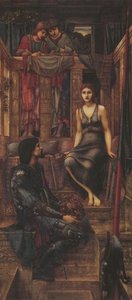
- Король Копетхуа та служка
- Place Of Birth: Бірмінгем, Великобританія
Схожі статті

The Pre-Raphaelite Brotherhood: Rediscovering Beauty, Romance, and Medieval Magic in Victorian Art
Embark on a journey through the Pre-Raphaelite Brotherhood. Discover the romantic symbolism, medieval magic, and radical beauty of Rossetti and Burne-Jones in this expert exploration of Victorian art history.

Pre-Raphaelite Romanticism: A Guide to Vivid Detail and Medieval Beauty in Victorian Art
Explore the vivid detail and medieval beauty of Pre-Raphaelite Romanticism. Discover the history of masters like Rossetti and Millais through our expert guide to Victorian art, perfect for collectors and professionals seeking authentic, museum-quality reproductions.
Edward Burne-Jones: A Pre-Raphaelite Vision of Myth, Symbolism & Aesthetic Idealism
Discover the enchanting world of Edward Burne-Jones and the Pre-Raphaelite Brotherhood. Explore his mythical paintings, distinctive style, and lasting influence on Victorian art & the Aesthetic Movement. Expert analysis & high-quality reproductions at OriginalUniqueArt.

25 шедеврів Данте Габріеля Россетті: мистецтво, краса та декор для вашого дому
Відкрийте 25 захопливих шедеврів Данте Габріеля Россетті! Пориньте у світ прерафаелітів, символізму та неймовірної краси. Купуйте репродукції картин онлайн на OriginalUniqueArt.com – декор для вашого дому з музейною якістю.
The Pre-Raphaelite Brotherhood: Reclaiming Beauty, Nature, and Truth in Victorian Art History
Explore the revolutionary Pre-Raphaelite Brotherhood. Discover how these visionary artists rejected academic tradition to reclaim beauty, nature, and truth through luminous detail and literary depth in Victorian art history.