- Додому

- Цифрове зображення
- eduard ole
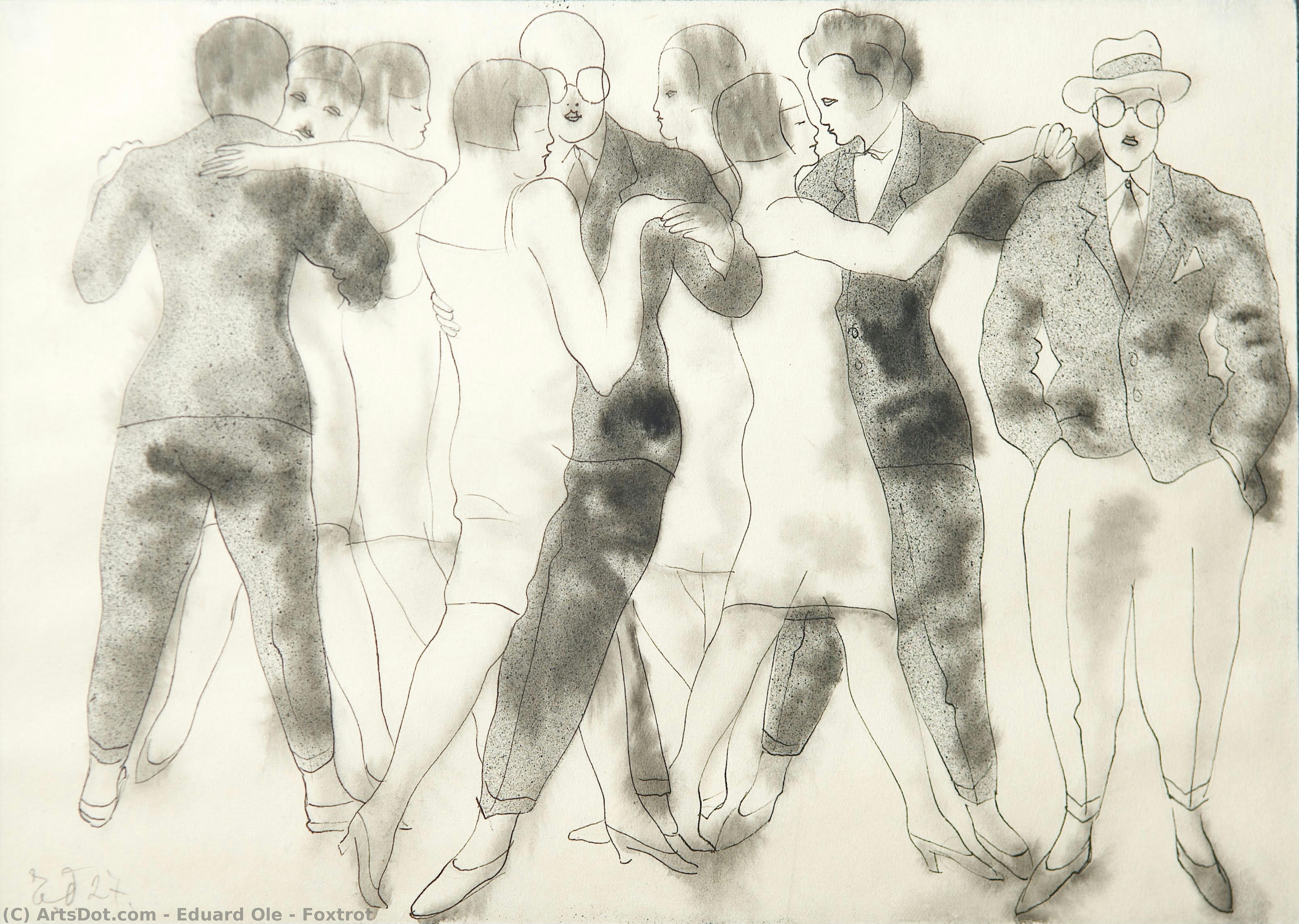
- Foxtrot
 Замовити друк Замовити репродукцію
 Надіслати
 Поділитися
 Деталі витвору
 Додати до улюблених

 Завантажити
 Схожі вироби
 Рентгенівське дослідження
 Слайд-шоу
Foxtrot


 Розгорнути текст
Придбайте цифрову копію високої роздільної здатності з покращеною якістю, що значно перевершує онлайн-перегляд.
Кожен файл ретельно підготовлений нашими фахівцями за допомогою сучасних інструментів та професійної ручної ретуші. Ми гарантуємо виняткову чіткість, точну передачу кольору та високу деталізацію кожного зображення.
Фінальний файл надсилається електронною поштою протягом 72 годин і оптимізований для негайного використання у професійних виданнях та друкованих матеріалах. Таку якість обирають провідні дизайнерські студії, видавництва та галереї.
Цифрове зображення
Завантажте файл високої роздільної здатності для особистого перегляду, друку та творчих проєктів.
Включено в кожне замовлення цифрових зображень
Експертна цифрова доставка, гарантовано
Обираючи OriginalUniqueArt.com, ви отримуєте не просто зображення — ви отримуєте професійно вдосконалений цифровий витвір мистецтва, створений з надзвичайною точністю та підкріплений гарантією задоволення. Ось усе, що автоматично додається до вашого замовлення:

Швидка доставка на email
Ваш цифровий файл із зображенням високої роздільної здатності буде надісланий вам електронною поштою протягом 72 годин після оформлення замовлення — він буде готовий до негайного використання.

Цифровий файл із покращенням ШІ
Ваш витвір мистецтва професійно оптимізовано за допомогою передових інструментів штучного інтелекту та ручної корекції, що забезпечує максимальну деталізацію, чіткість і точність передачі кольорів.

Безкоштовне повторне надання послуг протягом усього життя
Випадково видалили або втратили файл? Не хвилюйтеся — ми надішлемо його вам повторно в будь-який час безкоштовно.

Без митних зборів — завжди
Насолоджуйтесь вашим витвором мистецтва миттєво без жодних мит, зборів або плати за доставку — цифрові завантаження завжди не оподатковуються.

Гарантія точності кольорів
Ми гарантуємо, що ваше цифрове зображення максимально точно відтворює оригінальні кольори завдяки використанню професійних інструментів та систем управління кольором.

Гарантія задоволення протягом 60 днів
Якщо ви не задоволені придбаним цифровим зображенням, ми відкоригуємо його або повернемо 100% вартості протягом 60 днів — без жодних запитань.

Гарантія повернення 100% коштів
Не задоволені покупкою? Отримайте повне повернення коштів протягом 60 днів після отримання цифрового файлу — без жодних запитань.

Знижки на оптові замовлення
Купуйте 3 зображення — заощаджуйте 10% — Купуйте 5 — заощаджуйте 15% — Купуйте 10+ — заощаджуйте 20%. Чудово підходить для творчих проєктів, галерей та агентств.
Біографія митця
A Life Bridging Worlds: The Evocative Art of Eduard Ole
Eduard Ole, born on May 20th, 1898, in the rural Estonian parish of Kaagjärve, emerged as a pivotal figure in 20th-century Estonian art. His journey was one of constant adaptation and exploration, shaped by the tumultuous political landscape of his time and a deep engagement with European artistic currents. Ole’s early life unfolded within a modest farming family—the seventh of eight children—instilling in him a connection to the land that would resonate throughout his oeuvre. Even as a young boy, he demonstrated an innate curiosity for art, fueled by reproductions encountered in school libraries and visits to galleries and museums in Saint Petersburg and Moscow. These early exposures ignited a passion that led him to enroll at the prestigious Imperial Academy of Arts in St. Petersburg between 1914 and 1918, where he first encountered the expressive power of German Expressionism.From Expressionist Beginnings to Cubist Experimentation
Ole’s formative years at the Academy were profoundly influenced by the burgeoning Expressionist movement. This early exposure instilled in him a desire to convey emotion and inner experience through bold, often distorted forms and vibrant color palettes. However, upon his return to Estonia in 1918—a nation newly independent—Ole found himself drawn into a more experimental phase. He quickly became an integral part of the Estonian art scene, working as a theatre designer and drawing teacher while simultaneously pursuing his own artistic vision. In 1923, alongside Friedrich Hist and Felix Randel, he co-founded the Group of Estonian Artists in Tartu, a collective dedicated to exploring the radical possibilities of Cubism. This group served as a vital platform for introducing modernist ideas to Estonia, organizing exhibitions that showcased their geometric abstractions and decorative colorism—a distinctly Synthetic Cubist approach characterized by modest forms rather than explorations of simultaneity or collage. Works like *Still Life with a Guitar* (1925) exemplify this period, revealing Ole’s ability to balance experimentation with a continued connection to the material world.A Parisian Interlude and the Rise of Realism
The year 1927 marked a turning point in Ole's artistic development. A study trip to Paris exposed him to new influences, prompting a shift away from the rigid structures of Cubism towards a more figurative style. Inspired by Art Deco and the vibrant energy of metropolitan life, he began creating large-scale compositions characterized by soft planes, nuanced pastel tones, and dramatic staging. This transition is evident in paintings like *Passengers* (1929), which captures the dynamism of modern urban existence. Simultaneously, Ole embarked on a series of portraits depicting prominent Estonian cultural figures, showcasing his growing mastery of realism and psychological insight. His watercolours from this period also reveal a delicate sensibility and a refined use of color, reflecting the fresh impulses gained during his time in Paris.Exile and Enduring Legacy
The outbreak of World War II dramatically altered Ole’s life trajectory. Forced to flee Estonia in 1944 under Soviet occupation, he sought refuge first in Finland and then in Sweden, where he settled in Stockholm. Despite the challenges of exile, Ole continued to paint prolifically, focusing primarily on landscapes while supplementing his income as an illustrator. His later works reflect a quiet resilience and a deep connection to nature, imbued with a romantic sensibility and precise observation. In 1973, he published his two-volume illustrated memoirs, *Suurel maanteel* (“On the Big Highway”), offering a poignant account of his life and artistic journey. A new edition of these memoirs was released in Estonia in 2010, further solidifying his place in Estonian cultural memory. Eduard Ole passed away on November 24th, 1995, leaving behind a rich and diverse body of work that continues to captivate audiences today. His paintings are prominently featured at the Kumu Art Museum in Tallinn and the Tartu Art Museum, serving as a testament to his enduring contributions to Estonian art—a bridge between modernist innovation and traditional realism, forged amidst personal upheaval and political change.
eduard ole
1898 - 1995

