

 Надіслати як листівку
 Поділитися
 Деталі витвору
 Посібник

 Завантажити
 Схожі екземпляри
 Слайд-шоу
 Статистика
Cantoria
 Мрамор
- Скульптура
- Early Renaissance
 1439
1439 348.0 x 570.0 cm
 Музео дель Опра дель Дуомо
 Розгорнути текст
Олійная репродукція ручної роботи
Написана вручну олією на полотні у вашому розмірі та рамі, виготовлена на замовлення нашими художниками. ( Перейти до друку Перейти до цифрових зображень)




































Обирайте з наших стандартних розмірів, що відповідають оригінальним пропорціям твору мистецтва.

Введіть необхідну ширину та висоту, щоб картина підійшла до вашої рами або стіни. Оскільки це ручний розпис, для зміни пропорцій художник може дописати трохи більше по краях або дещо обрізати композицію — вибір за вами. Перед початком роботи ми надішлемо вам цифровий макет для затвердження. Зображення, показане на цій сторінці, не є реальним результатом — лише макет відображає майбутній вигляд.
Після оформлення замовлення команда OriginalUniqueArt.com зв'яжеться з клієнтом електронною поштою для отримання інструкцій та надасть попередній макет
Доставка по всьому світу () за 3–4 тижні замість стандартних 5 тижнів. (27 Жовтень). Без жодних компромісів у якості.

Безкоштовна експрес-доставка по всьому світу

Високоякісне лляне полотно

Повне страхове покриття доставки

Гарантія повернення митних зборів

Гарантія точного відтворення кольорів

Політика повернення протягом 100 днів (лише у разі виявлення дефектів)

Гарантія повернення 100% коштів

Пропозиція на оптові замовлення
 Скляний варіант доступний лише для розмірів до 110 см

Cantoria
Матеріал репродукції
Розмір репродукції
-


Підсумкова вартість
₴ 13446
The Echoes of Florence: Donatello’s Cantoria
Within the hallowed halls of the Museo dell'Opera del Duomo in Florence resides a sculpture that transcends mere stone and marble – it is an embodiment of Renaissance spirit, a vibrant testament to human aspiration. Donatello’s Cantoria, completed in 1439, isn’t simply a decorative element above a choir; it’s a dynamic narrative carved into the very fabric of space, inviting contemplation on faith, music, and the boundless energy of life itself. Commissioned for the south sacristy of Florence Cathedral, this monumental marble relief stands as a pivotal work, showcasing Donatello's mastery and signaling a dramatic shift in artistic expression.
The sculpture’s genesis lies within the Early Renaissance, a period of profound transformation where classical ideals intertwined with burgeoning humanism. Donatello, deeply influenced by his study of ancient Greek and Roman sculpture, sought to capture not just likeness but also emotion and movement – a departure from the more static representations prevalent in preceding centuries. The Cantoria reflects this ambition; it’s a celebration of earthly joy expressed through the depiction of a bustling scene of singing, dancing, and musical performance. The sheer scale of the work—measuring an impressive 348 x 570 cm—immediately commands attention, drawing the viewer into its intricate world.
A Symphony in Marble: Technique and Design
Donatello’s genius is immediately apparent in his masterful manipulation of marble. The sculpture isn't a smooth, polished surface; instead, it’s characterized by deeply incised lines, dramatic contrasts between light and shadow, and an astonishing level of detail. The figures are not rendered with idealized beauty but rather with a palpable sense of humanity – their faces etched with expressions of delight, exertion, and communal spirit. The use of architectural elements—columns, arches, and a pediment adorned with acanthus leaves—adds to the sculpture’s grandeur, creating a harmonious blend of classical form and Renaissance dynamism.
Notably, Donatello employed a technique known as “spolvero,” using a tool to dust away excess marble, leaving behind delicate lines that define the forms. This method, combined with his meticulous carving, results in an astonishingly lifelike quality, particularly evident in the faces of the figures. The incorporation of glass paste and gilded elements further enhances the visual impact, creating a shimmering effect that seems to imbue the scene with divine light. The frieze depicting dancing putti—winged cherubs—is a particular highlight, their swirling movements conveying an infectious sense of joy and celebration.
Symbolism and Spiritual Resonance
Beyond its technical brilliance, the Cantoria is rich in symbolic meaning. The act of singing and music itself represents praise and devotion to God – a core tenet of Renaissance spirituality. The depiction of diverse human activities—dancing, playing instruments, and engaging in communal rituals—underscores the importance of community and shared experience within the Christian faith. The use of the term “putti” (little spirits) suggests an elevation of these earthly pleasures to a realm of divine grace.
The architectural setting – the choir loft above the sacristy – further amplifies the sculpture’s symbolic significance. It was intended as a space for liturgical music and communal worship, transforming the Cantoria into more than just a decorative element; it became an integral part of the sacred ritual. The overall impression is one of exuberant joy and spiritual elevation, reflecting the Renaissance belief in the potential for human flourishing within a divinely ordained world.
A Legacy Enduring: Reproduction and Inspiration
Today, Donatello’s Cantoria remains a source of inspiration for artists and designers alike. Its dynamic composition, masterful technique, and profound symbolism continue to resonate with audiences across centuries. High-quality reproductions capture the essence of this remarkable sculpture, allowing viewers to appreciate its beauty and complexity in their own homes or studios. Whether admired as a historical artifact or simply enjoyed as a work of art, the Cantoria stands as a timeless testament to the creative genius of Donatello and the enduring power of Renaissance artistry.
Питання та відповіді
Кому варто подарувати «Cantoria» роботи Донателло?
«Cantoria» роботи Донателло рекомендується як подарунок для Весілля. Як презент можна обрати репродукцію цього витвору мистецтва.
Чому «Cantoria» роботи Донателло рекомендують як подарунок?
Рефлексивний емоційний тон твору «Cantoria» роботи Донателло ідеально підходить для такого приводу для подарунка: Весілля.
Який загальний настрій передає «Cantoria» роботи Донателло?
«Cantoria» роботи Донателло описують як твір із Елегантність настроєм. Така класифікація допоможе підібрати відповідний інтер'єр для цієї роботи.
Біографія митця
Early Life and Artistic Beginnings
Donato di Niccolò di Betto Bardi, universally known as Donatello, was born in Florence around 1386 – a time of immense artistic ferment within the burgeoning Renaissance city. His early life remains somewhat shrouded in mystery, but it’s understood that he received his initial training not within a formal academy, but through apprenticeship with various stone carvers working on the magnificent Duomo Cathedral. This experience exposed him to the classical ideals and emerging techniques that would profoundly shape his future work. Donatello's father, Niccolò di Betto Bardi, was a wool carder, a modest profession that nonetheless provided the family with a degree of financial stability within Florence’s complex social hierarchy. It is believed that Donatello’s exposure to the works of Lorenzo Ghiberti, who was creating the famed bronze doors for the Duomo, served as a crucial catalyst in his artistic development. Ghiberti's mastery of classical forms and his innovative approach to relief sculpture undoubtedly influenced young Donatello’s nascent style.Key Works and Revolutionary Techniques
Donatello quickly established himself as a sculptor of exceptional talent, rapidly moving beyond simple apprenticeships to undertake increasingly ambitious commissions. His most celebrated work, the bronze *David* (circa 1440), stands as a testament to his revolutionary approach to sculpture. Unlike previous depictions of the biblical hero, which often portrayed him as a mature warrior, Donatello presented David as a youthful, vulnerable figure – a radical departure from established conventions. This portrayal captured not only the physical beauty of the young shepherd but also an intense psychological depth, conveying a sense of anticipation and determination. Other significant works include the emotionally charged *St. Louis of Toulouse* (circa 1422-25), showcasing his masterful use of classical forms within a Gothic framework, and the dramatic relief panel *The Sacrifice of Isaac*, created for the campanile of Santa Maria del Fiore in Florence. Donatello’s innovative technique of “schiacciato,” or flattened relief, allowed him to create incredibly detailed and dynamic scenes with a remarkable sense of depth and perspective – a technique that would become highly influential throughout the Renaissance.The Evolution of Style: From Gothic Roots to Classical Influence
Donatello's artistic style underwent a fascinating evolution over his long career. Initially, his work reflected the influence of the International Gothic style prevalent in Florence at the time, characterized by elegant lines and delicate details. However, as he matured, Donatello increasingly embraced classical ideals, drawing inspiration from ancient Roman sculpture and architecture. This shift is particularly evident in his later works, such as *St. George*, where he skillfully blended classical proportions with a heightened sense of realism and emotional intensity. He wasn’t simply copying the ancients; rather, he was reinterpreting their forms and principles through his own unique artistic vision. Donatello's ability to synthesize these diverse influences – Gothic elegance, classical restraint, and his own innate expressive power – cemented his position as one of the most groundbreaking sculptors of the Renaissance.Legacy and Lasting Impact
Donatello’s impact on the course of Western art is immeasurable. He liberated sculpture from its purely decorative role, transforming it into a powerful medium for expressing human emotion and exploring complex narratives. His pioneering use of bronze, his innovative techniques, and his willingness to challenge artistic conventions paved the way for subsequent generations of sculptors – including Michelangelo Buonarroti, who famously declared that “all men are Donatello’s pupils.” Donatello's work continues to captivate audiences today with its remarkable beauty, psychological depth, and enduring relevance. His legacy is not merely one of technical mastery but also of artistic courage and a profound understanding of the human condition. He remains an icon of the Renaissance, a testament to the transformative power of art.
Донателло
1386 - 1466 , Італія
Короткі факти
- Artistic Movement Or Style: Ранній Ренесанс
- Artists Or Movements Influenced By This Artist: ['Італійський Ренесанс']
- Artists Who Influenced This Artist: ['Класична скульптура']
- Date Of Birth: c. 1386
- Date Of Death: 1466
- Full Name: Donatello di Niccolò
- Nationality: Італійський
- Notable Artworks:
- Давид
- Святий Луїджі
- Посвячення Ісаака
- Place Of Birth: Флоренція, Італія
Пов'язані статті

The Enduring Allure of Marble in Art History: From Classical Sculpture to Modern Abstraction
Explore the captivating history of marble sculpture from ancient Greece to modern art. Discover renowned artists like Canova & Michelangelo, carving techniques, and investment insights at OriginalUniqueArt.

The Enduring Form: Exploring Themes & Techniques in Sculpture Across Historical Periods
Explore the rich history of sculpture from ancient masterpieces to contemporary innovations. Discover key techniques, influential artists & investment potential for discerning art collectors.
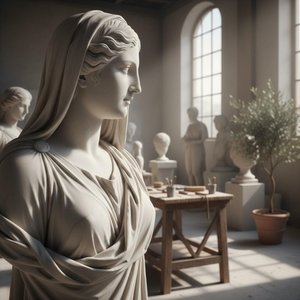
Timeless Elegance: A Complete Guide to the Sublime Beauty and Artistry of Marble Sculpture
Discover the sublime beauty of marble art through an expert exploration of Renaissance and Neoclassical masterpieces. From the delicate textures of Carpeaux to the grandeur of Sansovino, immerse yourself in a guide to timeless elegance and sculptural perfection.

10 Легендарних Бронзових Шедеврів, Які Змінили Мистецтво | OriginalUniqueArt
Відкрийте для себе 10 легендарних бронзових шедеврів, що змінили мистецтво! Історія створення, художні техніки та вплив скульпторів Ренесансу й Античності. Купуйте репродукції картин на OriginalUniqueArt.com – музейна якість для вашого дому.

10 легендарних бронзових скульптур, що змінили мистецтво | OriginalUniqueArt
Відкрийте 10 легендарних бронзових скульптур, що змінили хід мистецтва! Дізнайтесь історії Мікеланджело, Родена та інших геніїв. Репродукції картин преміум-класу для вашого дому – на OriginalUniqueArt.com
