
 Переглянути в інтер'єрі
 Надіслати як листівку
 Поділитися
 Деталі витвору
 Посібник

 Завантажити
 Схожі екземпляри
 Рентгенівське дослідження
 Слайд-шоу
 Питання та відповіді
 Статистика
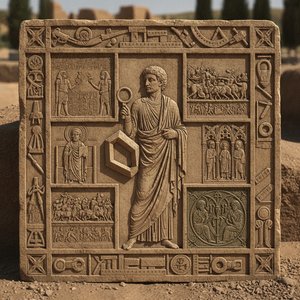
Annunciation (detail)


 Розгорнути текст
Гікле / Художній принт
Друк جيкле або на полотні музейної якості з оперативним виготовленням та різноманітними варіантами фінішної обробки. ( Замовити картину ручної роботи Перейти до цифрових зображень)




P118B ₴10

P118H ₴10

P118W ₴10

P438Z ₴10

P508JH ₴12

P508YH ₴12

P805H ₴10

P805Z ₴10

P919BZ ₴10

P919G ₴10

P919XJ ₴10

P959ZH ₴10

P968JZ ₴12

W106C ₴8

W218G ₴10

W218JH ₴8

W218Y ₴10

W307PJ ₴10

W316G ₴10

W316PJ ₴8

W316Y ₴10

W398PJ ₴8

W4111J ₴10

W500HY ₴15

W500JH ₴15

W692G ₴12

W849H ₴8

W940BG ₴15

W953PJ ₴8




Обирайте з наших стандартних розмірів, що відповідають оригінальним пропорціям твору мистецтва.

Введіть необхідну ширину та висоту, щоб принт ідеально підійшов до вашої рами або стіни. Принт можна лише обрізати, але не можна зробити більшим за оригінал, тому при зміні пропорцій частина зображення буде втрачена. Перед друком ми надсилаємо вам цифровий макет для затвердження. Зображення на цій сторінці не відображає реальну обрізку — її можна побачити лише на макеті.
Доставка по всьому світу () за 2 тижні замість стандартних 4/5 тижнів. (5 Листопад)

Безкоштовна експрес-доставка по всьому світу

Високоякісне лляне полотно

Повне страхове покриття доставки

Гарантія повернення митних зборів

Гарантія точного відтворення кольорів

Політика повернення протягом 100 днів (лише у разі виявлення дефектів)

Гарантія повернення 100% коштів

Пропозиція на оптові замовлення
 Скляний варіант доступний лише для розмірів до 110 см

Annunciation (detail)
Гікле / Художній принт
Розмір репродукції
-


Підсумкова вартість
₴ 3644
The Genesis of a Vision: Donatello’s Annunciation
Donatello's "Annunciation," specifically this exquisite detail from the relief adorning the Cavalcanti Chapel in Santa Croce, Florence, stands as a pivotal moment in the burgeoning Renaissance. Crafted around 1435, it represents more than just a biblical narrative; it’s a profound exploration of human emotion and a masterful synthesis of classical ideals with emerging humanist sensibilities. Donatello, already a rising star after his time in Rome, was pushing boundaries, moving beyond the stylized formality of the International Gothic style towards a greater emphasis on naturalism, dynamism, and psychological depth – qualities that would define the Florentine Renaissance itself. This particular panel captures a crucial juncture: the moment of revelation, the silent exchange between the Archangel Gabriel and the Virgin Mary, pregnant with the promise of divine intervention.
Sculpting Emotion: Technique and Material
Donatello’s genius lies not just in his subject matter but also in the remarkably expressive execution. Carved from *pietra serena*, a durable, fine-grained marble prized for its ability to hold detail, the relief is imbued with an astonishing sense of immediacy. The artist employed a technique known as “bassorilievo,” creating figures that recede slightly from the background plane, lending them a tangible presence and inviting the viewer into the scene. Note the subtle shifts in posture – Mary’s slight inclination towards Gabriel, her hand raised in a gesture of receptive humility; Gabriel's alert stance, conveying urgency and divine authority. The use of gold highlights, particularly noticeable upon restoration, adds to the work’s opulence and emphasizes the sacred nature of the event. The meticulous detailing of their garments—the flowing robes, the delicate folds—demonstrates Donatello’s mastery of form and his ability to capture the texture and weight of fabric with remarkable precision.
- Pietra Serena Marble: Chosen for its durability and capacity for fine detail.
- Bassorilievo Technique: Creates a sense of depth and immediacy, drawing the viewer into the scene.
- Gold Highlights: Accentuate the sacredness of the event and add to the work’s visual richness.
Symbolism and Narrative Resonance
Beyond its literal depiction of the Annunciation, the panel is rich in symbolic meaning. The setting within a *ædicula*, or small shrine-like enclosure, immediately elevates the scene to a realm of sacred contemplation. The figures themselves are imbued with classical references – Mary’s head echoes the idealized forms of Greek sculpture, suggesting her purity and divine grace. The putti (cherubic angels) flanking the central figures represent innocence and joy, symbolizing the hope associated with the birth of Christ. The overall composition is carefully balanced, reflecting a harmonious order that reflects Renaissance ideals of beauty and proportion. The inclusion of the Cavalcanti family’s name on the base underscores the work's commission by a prominent Florentine family, highlighting its significance within the city’s cultural landscape.
A Legacy of Innovation
Donatello’s “Annunciation” is more than just a beautiful artwork; it’s a landmark achievement in Renaissance sculpture. It represents a decisive break from the conventions of previous generations and established new standards for naturalism, emotional expression, and technical virtuosity. His willingness to experiment with form, texture, and composition paved the way for subsequent artists like Michelangelo and Raphael, shaping the course of Western art history. Reproductions of this masterpiece offer a tangible connection to one of the most transformative periods in artistic innovation – a chance to experience the profound beauty and intellectual depth of Donatello’s vision.
Питання та відповіді
Чи є путівник до «Annunciation (detail)» роботи Донателло?
Посібник до «Annunciation (detail)» — це сторінка Довідка для студентів твору, що являє собою друковану інформаційну картку з зображенням витвору, його підписом, зазначенням авторства та ідентифікаційною таблицею (художник, дати, техніка, оригінальний розмір, колекція).
Чи можу я побачити «Annunciation (detail)» роботи Донателло на власній стіні перед покупкою?
Для твору "Annunciation (detail)" доступна функція попереднього перегляду в доповненій реальності: на сторінці Перегляд в AR ви можете побачити його у власному інтер'єрі за допомогою сумісного пристрою.
Для якого призначення та в якому інтер'єрі рекомендується розміщувати «Annunciation (detail)» роботи Донателло?
«Annunciation (detail)» чудово підійде для Statement, а найкращим місцем для його розміщення стане Living Room.
Біографія митця
Early Life and Artistic Beginnings
Donato di Niccolò di Betto Bardi, universally known as Donatello, was born in Florence around 1386 – a time of immense artistic ferment within the burgeoning Renaissance city. His early life remains somewhat shrouded in mystery, but it’s understood that he received his initial training not within a formal academy, but through apprenticeship with various stone carvers working on the magnificent Duomo Cathedral. This experience exposed him to the classical ideals and emerging techniques that would profoundly shape his future work. Donatello's father, Niccolò di Betto Bardi, was a wool carder, a modest profession that nonetheless provided the family with a degree of financial stability within Florence’s complex social hierarchy. It is believed that Donatello’s exposure to the works of Lorenzo Ghiberti, who was creating the famed bronze doors for the Duomo, served as a crucial catalyst in his artistic development. Ghiberti's mastery of classical forms and his innovative approach to relief sculpture undoubtedly influenced young Donatello’s nascent style.Key Works and Revolutionary Techniques
Donatello quickly established himself as a sculptor of exceptional talent, rapidly moving beyond simple apprenticeships to undertake increasingly ambitious commissions. His most celebrated work, the bronze *David* (circa 1440), stands as a testament to his revolutionary approach to sculpture. Unlike previous depictions of the biblical hero, which often portrayed him as a mature warrior, Donatello presented David as a youthful, vulnerable figure – a radical departure from established conventions. This portrayal captured not only the physical beauty of the young shepherd but also an intense psychological depth, conveying a sense of anticipation and determination. Other significant works include the emotionally charged *St. Louis of Toulouse* (circa 1422-25), showcasing his masterful use of classical forms within a Gothic framework, and the dramatic relief panel *The Sacrifice of Isaac*, created for the campanile of Santa Maria del Fiore in Florence. Donatello’s innovative technique of “schiacciato,” or flattened relief, allowed him to create incredibly detailed and dynamic scenes with a remarkable sense of depth and perspective – a technique that would become highly influential throughout the Renaissance.The Evolution of Style: From Gothic Roots to Classical Influence
Donatello's artistic style underwent a fascinating evolution over his long career. Initially, his work reflected the influence of the International Gothic style prevalent in Florence at the time, characterized by elegant lines and delicate details. However, as he matured, Donatello increasingly embraced classical ideals, drawing inspiration from ancient Roman sculpture and architecture. This shift is particularly evident in his later works, such as *St. George*, where he skillfully blended classical proportions with a heightened sense of realism and emotional intensity. He wasn’t simply copying the ancients; rather, he was reinterpreting their forms and principles through his own unique artistic vision. Donatello's ability to synthesize these diverse influences – Gothic elegance, classical restraint, and his own innate expressive power – cemented his position as one of the most groundbreaking sculptors of the Renaissance.Legacy and Lasting Impact
Donatello’s impact on the course of Western art is immeasurable. He liberated sculpture from its purely decorative role, transforming it into a powerful medium for expressing human emotion and exploring complex narratives. His pioneering use of bronze, his innovative techniques, and his willingness to challenge artistic conventions paved the way for subsequent generations of sculptors – including Michelangelo Buonarroti, who famously declared that “all men are Donatello’s pupils.” Donatello's work continues to captivate audiences today with its remarkable beauty, psychological depth, and enduring relevance. His legacy is not merely one of technical mastery but also of artistic courage and a profound understanding of the human condition. He remains an icon of the Renaissance, a testament to the transformative power of art.
Донателло
1386 - 1466 , Італія
Короткі факти
- Artistic Movement Or Style: Ранній Ренесанс
- Artists Or Movements Influenced By This Artist: ['Італійський Ренесанс']
- Artists Who Influenced This Artist: ['Класична скульптура']
- Date Of Birth: c. 1386
- Date Of Death: 1466
- Full Name: Donatello di Niccolò
- Nationality: Італійський
- Notable Artworks:
- Давид
- Святий Луїджі
- Посвячення Ісаака
- Place Of Birth: Флоренція, Італія
Пов'язані статті
Mastering Dimension: An Art Historian's Guide to the Elegance of Sculptural Relief Art
Explore the profound beauty of sculptural relief art. From classical bas-relief to modern geometric textures, discover how depth and light transform spaces through an expert guide on art history and sophisticated curation for discerning collectors.

The Enduring Form: Exploring Themes & Techniques in Sculpture Across Historical Periods
Explore the rich history of sculpture from ancient masterpieces to contemporary innovations. Discover key techniques, influential artists & investment potential for discerning art collectors.

The Enduring Form: Sculpture Across History, Technique & Emotional Resonance
Explore the rich history of sculpture with OriginalUniqueArt. Discover key techniques, influential artists & investment potential for discerning collectors. Expert insights into valuing and collecting timeless masterpieces.

10 Легендарних Бронзових Шедеврів, Які Змінили Мистецтво | OriginalUniqueArt
Відкрийте для себе 10 легендарних бронзових шедеврів, що змінили мистецтво! Історія створення, художні техніки та вплив скульпторів Ренесансу й Античності. Купуйте репродукції картин на OriginalUniqueArt.com – музейна якість для вашого дому.

10 легендарних бронзових скульптур, що змінили мистецтво | OriginalUniqueArt
Відкрийте 10 легендарних бронзових скульптур, що змінили хід мистецтва! Дізнайтесь історії Мікеланджело, Родена та інших геніїв. Репродукції картин преміум-класу для вашого дому – на OriginalUniqueArt.com
