

 Переглянути в інтер'єрі
 Надіслати як листівку
 Поділитися
 Детальніше

 Завантажити
 Схожі експонати
 Рентгенівське дослідження
 Слайд-шоу
Nativity
 Oil On Panel
- Early Renaissance
 1492
1492 85.0 x 63.0 cm
 Фитцвільямський коледж
 Читати далі
Гікле / Художній принт
Музейна якість друку جيкле або на полотні з оперативним виготовленням та різноманітними варіантами фінішної обробки. ( Замовити репродукцію ручної роботи Купити цифрове зображення)




P118B $10

P118H $10

P118W $10

P438Z $10

P508JH $12

P508YH $12

P805H $10

P805Z $10

P919BZ $10

P919G $10

P919XJ $10

P959ZH $10

P968JZ $12

W106C $8

W218G $10

W218JH $8

W218Y $10

W307PJ $10

W316G $10

W316PJ $8

W316Y $10

W398PJ $8

W4111J $10

W500HY $15

W500JH $15

W692G $12

W849H $8

W940BG $15

W953PJ $8




Обирайте з наших стандартних розмірів, що відповідають оригінальним пропорціям твору мистецтва.

Ви можете вказати власні розміри, щоб репродукція ідеально підійшла до конкретної рами або інтер'єру. Якщо обраний вами розмір не відповідає пропорціям оригіналу, ми або обріжемо полотно, або розширимо зображення за допомогою дзеркального відображення чи суцільної заливки країв. Перед початком виробництва вам буде надіслано цифровий макет для затвердження.
Будь ласка, зверніть увагу, що попередній перегляд на екрані не відображає фактичне обрізання або розширення. Тільки макет точно покаже фінальну композицію.
Хоча можливість замовлення індивідуальних розмірів доступна, ми рекомендуємо обирати формат із попередньо визначеного списку, щоб зберегти оригінальні пропорції.
Доставка по всьому світу () за 2 тижні замість стандартних 4/5 тижнів. (22 Серпень)

Безкоштовна експрес-доставка по всьому світу

Високоякісне лляне полотно

Повне страхове покриття доставки

Гарантія відшкодування митних зборів

Гарантія точного відтворення кольорів

Політика повернення протягом 60 днів (лише у разі виявлення дефектів)

Гарантія повернення 100% коштів

Пропозиція на оптові замовлення
 Скляний варіант доступний лише для розмірів до 110 см

Nativity
Гікле / Художній принт
Розмір репродукції
-


Підсумкова вартість
$ 80
Опис експоната
Domenico Ghirlandaio: A Florentine Garland
Domenico di Tommaso Curradi di Doffo Bigordi, known to history as Domenico Ghirlandaio, emerged from the vibrant artistic landscape of Florence in 1449. His very nickname, “Il Ghirlandaio” – the garland-maker – speaks volumes about his origins and early influences. It wasn’t a reference to floral arrangements but rather to the exquisite, jewel-like headdresses crafted by his father, a goldsmith, that adorned Florentine women of the era. This familial connection to craftsmanship instilled in young Domenico an appreciation for detail, precision, and the beauty of ornamentation – qualities that would profoundly shape his artistic vision.
Initially apprenticed to his father, learning the intricacies of metalwork, he soon transitioned to painting under Alesso Baldovinetti, absorbing the techniques of fresco and mosaic that defined Florentine art. Some scholars also suggest a formative period with Andrea del Verrocchio, placing him amongst the foremost artists of his time – a lineage that would continue through generations.
His workshop became a crucible for artistic innovation, fostering collaborations with fellow masters like Botticelli and Perugino, shaping the stylistic currents of Renaissance Florence. Ghirlandaio’s output wasn't merely decorative; it was imbued with intellectual curiosity and a deep understanding of humanist ideals, reflecting the burgeoning spirit of rediscovery that characterized the era.
The Nativity: A Masterpiece of Early Renaissance Style
“The Nativity,” created circa 1492 by Domenico Ghirlandaio in Early Renaissance style, stands as a testament to the artistic achievements of its time. Executed with meticulous attention to detail and bathed in the warm glow of diffused light—a hallmark of Florentine fresco painting—the scene depicts Joseph, Mary, and the infant Jesus nestled within a rustic outbuilding or shelter.
The composition is centered around the figures themselves, skillfully arranged against a landscape backdrop that provides depth and context. Ghirlandaio’s masterful use of perspective creates an illusionistic space, transporting viewers into the biblical narrative. Lines are predominantly soft and flowing, contributing to the overall sense of serenity—a deliberate choice reflecting the humanist preoccupation with harmony and balance.
Shapes are largely organic – rounded figures embodying idealized human forms—harmoniously integrated with naturalistic landscapes rendered in muted earth tones. Textures appear subtly rendered, suggesting brushstrokes and layering of paint, demonstrating Ghirlandaio’s mastery of technique. The artist skillfully captures the emotional essence of the nativity scene: tenderness, piety, and familial love.
Symbolism and Artistic Innovation
Beyond its aesthetic beauty, “The Nativity” is rich in symbolic elements that resonate with Christian iconography. The halo above Mary’s head signifies her holiness—a common motif in Renaissance art—while the presence of a cow symbolizes fertility and pastoral life—reflecting the Tuscan countryside.
Ghirlandaio's innovative approach to fresco painting distinguishes him from his predecessors, notably Verrocchio, who had pioneered techniques for achieving realistic illusionism. He skillfully employed chiaroscuro – the dramatic interplay of light and shadow – to sculpt the figures and enhance their expressive power. This masterful manipulation of light contributes significantly to the scene’s emotional impact.
A Legacy Enduring Through Time
Painted in oil on panel, “The Nativity” exemplifies Ghirlandaio's commitment to capturing both visual splendor and psychological nuance. The meticulous layering of pigments—primarily earth tones—creates a luminous surface that retains its vibrancy across centuries. Materials used included linseed oil for binding the paint and wood for the panel substrate.
Today, “The Nativity” resides in the Fitzwilliam Museum (University of Cambridge), where it continues to inspire admiration for its artistic excellence and enduring spiritual significance. Its depiction of the birth of Jesus Christ remains a cornerstone of Christian art history—a timeless masterpiece embodying the ideals of Early Renaissance Florence.
Біографія митця
A Florentine Garland: The Life and Art of Domenico Ghirlandaio
Domenico di Tommaso Curradi di Doffo Bigordi, a name that echoes through the annals of Renaissance art as Domenico Ghirlandaio, emerged from the heart of Florence in 1449. His very moniker, “Il Ghirlandaio” – the garland-maker – immediately speaks to his origins and the formative influences woven into his early life. It wasn’t a reference to floral arrangements, but rather to the exquisite, jewel-like headdresses crafted by his father, a skilled goldsmith, that adorned Florentine women of the era. These elaborate creations, brimming with precious stones and intricate designs, instilled in young Domenico an appreciation for meticulous detail, precise craftsmanship, and the captivating beauty of ornamentation – qualities that would become the very bedrock of his artistic vision. Initially apprenticed to his father, learning the delicate art of metalworking and the secrets of gemstone setting, he soon transitioned to painting under the tutelage of Alesso Baldovinetti, a prominent Florentine master known for his innovative use of perspective and vibrant color palettes. Some scholars also suggest a formative period spent observing the techniques of Andrea del Verrocchio, a legendary sculptor and painter who had shaped the artistic sensibilities of generations of Florentine artists – a connection that undoubtedly contributed to Ghirlandaio’s own burgeoning talent.Bridging the Sacred and the Secular
Domenico Ghirlandaio's true genius lay in his extraordinary ability to seamlessly intertwine religious narratives with the vibrant tapestry of everyday Florentine life. He didn’t depict biblical scenes populated by idealized, timeless figures from antiquity; instead, he brought them to life within recognizable Florentine settings, portraying merchants haggling in bustling marketplaces, townsfolk engaged in their daily routines, and even members of prominent patron families – a revolutionary approach that injected an unprecedented sense of realism and immediacy into his work. This innovative technique wasn’t merely decorative; it served as a powerful means of grounding the sacred within the tangible world, making religious stories relatable and accessible to a wider audience. His workshop, a dynamic and productive hub of artistic activity, was far from a solitary studio. It thrived with the collaborative efforts of his brothers, Davide and Benedetto, alongside his brother-in-law, Sebastiano Mainardi, and, most notably, the young Michelangelo Buonarroti – a precocious talent who spent several years as an apprentice in Ghirlandaio’s workshop, absorbing invaluable lessons about technique, composition, and artistic discipline. The sheer efficiency and remarkable output of this studio allowed Ghirlandaio to undertake ambitious commissions that solidified his reputation as one of Florence's most sought-after artists.Notable Achievements and Artistic Style
Ghirlandaio’s career blossomed during a period of immense artistic innovation in Florence, and he quickly established himself as a master of fresco painting – a technique demanding both technical skill and artistic vision. His frescoes are characterized by their remarkable clarity, vibrant colors, and meticulous attention to detail. He was particularly adept at capturing the nuances of human expression, imbuing his figures with a sense of personality and emotion that resonated deeply with viewers. The *Sassetti Chapel* in Santa Trinita stands as a testament to this skill, showcasing a comprehensive cycle illustrating the life of St. Francis – a work celebrated for its remarkably realistic portrayal of Florentine society, capturing not just religious scenes but also the everyday activities and social customs of the time. His contribution to the Sistine Chapel, *The Vocation of the Apostles*, is equally significant, demonstrating his mastery of perspective and narrative storytelling within one of the world’s most iconic artistic spaces. The *Adoration of the Magi* in the Uffizi Gallery further exemplifies his exceptional talent, showcasing a vibrant and detailed depiction brimming with symbolism and artistic flair.Rome and the Legacy of Michelangelo
The pinnacle of Ghirlandaio's career arrived in 1481 when he was summoned to Rome by Pope Sixtus IV. The pontiff sought to assemble a team of Florence’s most accomplished artists – including Botticelli, Perugino, and Rossetti – to adorn the walls of the newly constructed Sistine Chapel. Ghirlandaio's contribution, *The Vocation of the Apostles*, stands as a remarkable example of his artistic prowess within this monumental project. While often overshadowed by Michelangelo’s later ceiling frescoes, Ghirlandaio’s work demonstrates his exceptional skill in narrative storytelling and his ability to create compelling compositions filled with expressive figures. Crucially, this commission provided a vital learning experience for the young Michelangelo Buonarroti, who observed Ghirlandaio's techniques firsthand, absorbing invaluable lessons about fresco painting and artistic composition – insights that would profoundly influence his own future masterpieces.A Lasting Influence
Domenico Ghirlandaio’s untimely death in 1494 at the age of forty-five tragically cut short a promising career, yet his impact on Renaissance art remains undeniably profound. He left behind a legacy not only through his numerous frescoes and paintings but also through the artists he trained – most notably Michelangelo. His emphasis on realism, his ability to portray contemporary life within religious contexts, and his masterful use of color and composition profoundly influenced generations of painters who followed in his footsteps. While perhaps less universally celebrated than some of his contemporaries like Leonardo da Vinci or Raphael, Domenico Ghirlandaio’s work offers a unique and invaluable window into the vibrant artistic landscape of Renaissance Florence – a world where faith, commerce, and artistic innovation converged to create an era of unparalleled cultural achievement. His paintings continue to captivate viewers today, offering a tangible connection to the lives and beliefs of those who lived centuries ago.Notable Works
- St. Jerome in His Study (1480): A companion piece to Botticelli’s *Saint Augustine*, showcasing Ghirlandaio's skill with fresco and attention to detail.
- The Last Supper (Ognissanti, 1480): A groundbreaking work that influenced later depictions of this iconic scene, including Leonardo da Vinci’s masterpiece.
- Frescoes in the Sassetti Chapel (Santa Trinita, 1482-1485): A comprehensive cycle illustrating the life of St. Francis, celebrated for its realistic portrayal of Florentine society.
- The Vocation of the Apostles (Sistine Chapel, 1483): A significant contribution to one of the world’s most iconic artistic spaces.
- Adoration of the Magi (Uffizi Gallery, 1487): A vibrant and detailed depiction showcasing Ghirlandaio's mastery of composition and color.

Дomenіко Джірландіано
1449 - 1494 , Італія
Короткі факти
- Artistic Movement Or Style: Ранній Ренесанс
- Artists Or Movements Influenced By This Artist: ['Мікеланджело']
- Artists Who Influenced This Artist:
- Алессо Бальбоньєтті
- Андреа дель Верроккьо
- Date Of Birth: 1449
- Full Name: Дomenico di Tommaso Curradi
- Nationality: Італійський
- Notable Artworks:
- Святий Єрмоген у своєму кабінеті
- Похождення Христове
- Виклик апостолів
- Place Of Birth: Флоренція, Італія
Пов'язані статті

The Enduring Legacy of Oil on Canvas: Technique, History & Aesthetic Impact
Explore the rich history & techniques of oil painting – from Renaissance masters to Impressionism. Discover pigments, layering methods, and why this timeless medium endures. Expert insights for artists & art enthusiasts.

Oil on Canvas: A Historical & Technical Exploration of a Timeless Artistic Medium
Explore the rich history & enduring techniques of oil painting on canvas. Discover the science behind its longevity, conservation practices, and contemporary relevance. Expert insights for art enthusiasts.

The Enduring Power of Painting: A Historical & Contemporary Exploration of Form and Emotion
Explore the rich history & enduring techniques of oil painting with OriginalUniqueArt. Discover masterpieces, learn about art collecting, and find authentic handmade reproductions crafted by skilled artists.

Вікові традиції олійного живопису: техніка, історія та сучасна практика
Дізнайтеся про вікову історію олійного живопису, техніки майстрів та сучасні тенденції. Відкрийте світ класичного мистецтва та натхнення для власної творчості!
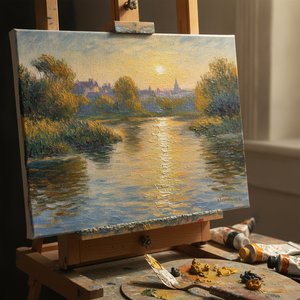
The Soul of Impressionism: Why Oil on Canvas Captures Eternal Light and Timeless Emotion
Discover the enchanting alchemy of Impressionism. Explore how the mastery of oil on canvas, through glazing and impasto, captures eternal light and emotion. Perfect for lovers of Monet and Van Gogh seeking the profound depth of hand-painted fine art.



