Переглянути в інтер'єрі
 Надіслати
 Поділитися
 Деталі
 Посібник

 Завантажити
 Схожі предмети колекціонування
 Рентгенівське дослідження
 Слайд-шоу
 Статистика переглядів
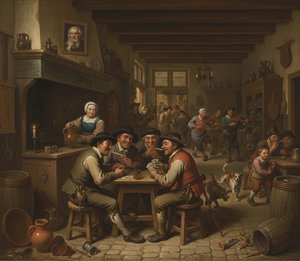
The Kitchen
 Acrylic On Canvas
- WallArt
- Baroque
 1646
1646 171.0 x 237.0 cm
 Ермітаж
 Читати далі
Гікле / Художній принт
Музейна якість друку جيкле або на полотні з оперативним виготовленням та різноманітними варіантами фінішної обробки. ( Купити картину ручної роботи Перейти до цифрових зображень)




P118B ₴10

P118H ₴10

P118W ₴10

P438Z ₴10

P508JH ₴12

P508YH ₴12

P805H ₴10

P805Z ₴10

P919BZ ₴10

P919G ₴10

P919XJ ₴10

P959ZH ₴10

P968JZ ₴12

W106C ₴8

W218G ₴10

W218JH ₴8

W218Y ₴10

W307PJ ₴10

W316G ₴10

W316PJ ₴8

W316Y ₴10

W398PJ ₴8

W4111J ₴10

W500HY ₴15

W500JH ₴15

W692G ₴12

W849H ₴8

W940BG ₴15

W953PJ ₴8




Обирайте з наших стандартних розмірів, що відповідають оригінальним пропорціям твору мистецтва.

Введіть необхідну ширину та висоту, щоб принт ідеально підійшов до вашої рами або стіни. Принт можна лише обрізати, але не можна зробити більшим за оригінал, тому при зміні пропорцій частина зображення буде втрачена. Перед друком ми надсилаємо вам цифровий макет для затвердження. Зображення на цій сторінці не відображає реальну обрізку — її можна побачити лише на макеті.
Доставка по всьому світу () за 2 тижні замість стандартних 4/5 тижнів. (24 Жовтень)

Безкоштовна експрес-доставка по всьому світу

Високоякісне лляне полотно

Повне страхове покриття доставки

Гарантія повернення митних зборів

Гарантія точного відтворення кольорів

Політика повернення протягом 100 днів (лише у разі виявлення дефектів)

Гарантія повернення 100% коштів

Знижка на оптові замовлення
 Скляний варіант доступний лише для розмірів до 110 см

The Kitchen
Гікле / Художній принт
Розмір репродукції
-


Загальна вартість
₴ 3596
A Snapshot of Everyday Life: David Teniers the Younger’s “The Kitchen”
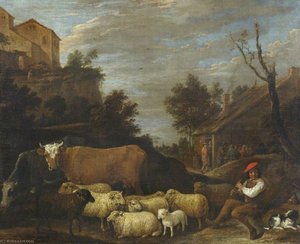
David Teniers the Younger's "The Kitchen," painted in 1646, isn’t merely a depiction of a domestic scene; it’s a vibrant tableau brimming with life, humor, and an astute observation of Flemish society. This remarkable work transcends simple genre painting, offering a glimpse into the heart of a bustling household—a microcosm reflecting the rhythms and relationships of everyday existence. Measuring 171 x 237 cm, the canvas explodes with activity, populated by thirteen individuals engaged in various tasks within a richly detailed kitchen environment. The sheer number of figures, coupled with their diverse interactions – from children playfully chasing birds to adults tending hearths and tables – immediately draws the viewer into this immersive world.
The painting’s Baroque style is evident in its dynamic composition, dramatic lighting, and meticulous attention to detail. Teniers masterfully employs a technique of *alla prima*, working directly onto the wet canvas without underdrawing, resulting in a sense of immediacy and spontaneity. Notice how he captures the textures of rough-hewn wooden furniture, the glint of metal tools, and the folds of fabric with remarkable precision. The artist’s use of color is equally noteworthy – warm earth tones dominate, punctuated by brighter accents that draw attention to key elements within the scene, such as a vibrant red tablecloth or the gleam of copper pots.
A Window into 17th-Century Flanders
To understand “The Kitchen,” it’s crucial to situate it within its historical context. The painting was created during a period of significant artistic and social change in the Netherlands, following the decline of the High Renaissance and the rise of Baroque styles. David Teniers the Younger emerged as a leading figure in this transition, skillfully blending influences from his father's earlier work with contemporary trends. His subject matter often revolved around scenes of rural life, domestic interiors, and tavern gatherings – themes that resonated deeply with the burgeoning middle class.
The inclusion of numerous animals—a dog, two cats, and a flock of birds—adds another layer of interest to the composition. Animals were frequently depicted in Flemish art, often serving as symbols of fertility, abundance, or domesticity. In “The Kitchen,” they seamlessly integrate into the human drama, contributing to the overall sense of lively chaos. The presence of books suggests an appreciation for learning and intellectual pursuits within the household, while the scattered bottles and bowls hint at a life filled with simple pleasures and convivial gatherings.
Symbolism and Social Commentary
Beyond its immediate visual appeal, “The Kitchen” offers subtle insights into 17th-century Flemish society. The scene’s bustling energy reflects the importance of family and community in this era. The various activities taking place—cooking, eating, cleaning, and socializing—highlighted the central role of the home as a focal point for social interaction. The inclusion of both adults and children underscores the multi-generational nature of Flemish households. Furthermore, the painting’s depiction of everyday life provides a valuable glimpse into the material culture and social customs of the time.
Interestingly, Teniers' career was marked by a remarkable versatility. He served as a court painter, a printmaker, and even a curator for Archduke Leopold Wilhelm, demonstrating a broad range of artistic skills and interests. His ability to capture both the grandeur of formal portraits and the intimacy of genre scenes cemented his reputation as one of the most prolific and influential artists of his generation. “The Kitchen” stands as a testament to this remarkable talent, offering a captivating window into a bygone era.
Запитання та відповіді
Хто створив "The Kitchen" і в якому році?
Автором «The Kitchen» є Девід Тенірс Старший, а дата створення твору — 1646.
Який основний відтінок пронизує «The Kitchen» Девід Тенірс Старший?
Переважаючий відтінок твору «The Kitchen» Девід Тенірс Старший — Golden Yellow Range. Цей відтінок є основою всієї палітри.
Чи є «The Kitchen» Девід Тенірс Старший відомим витвором мистецтва?
«The Kitchen» класифікується як Recognized.
Біографія митця
David Teniers the Younger: A Master of Flemish Life
David Teniers the Younger, born in Antwerp on December 15, 1610, was a pivotal figure in the vibrant artistic landscape of Flanders during the Baroque era. His life and career were inextricably linked to his family’s rich artistic heritage – his father, David Teniers the Elder, was himself a respected painter – and he inherited not only technical skills but also a deep appreciation for capturing the essence of everyday Flemish life. From humble beginnings, marked by periods of financial hardship where young David contributed by copying older masterworks to supplement the family income, he rose to become one of the most celebrated genre painters of his time, leaving behind a legacy that continues to captivate art lovers today.Early Influences and Artistic Training
Teniers’ early artistic development was profoundly shaped by his father's style, which leaned towards smaller-scale cabinet paintings – intimate scenes often depicting mythological subjects or portraits. However, he also absorbed the influence of other masters, particularly Pieter Bruegel the Elder, whose earthy realism and ability to portray peasant life resonated deeply with young David. A truly transformative moment in his artistic journey occurred through his marriage to Anna Brueghel, daughter of Jan Brueghel the Elder – a connection that brought him into close contact with Peter Paul Rubens himself. The Archduke served as witness at their wedding, establishing a bond that would profoundly impact Teniers’ career and artistic sensibilities. Rubens' influence is evident in Teniers’ later works, particularly his use of color and dynamic composition.The Rise to Prominence: Genre Painting and the Kermesses
As he matured as an artist, David Teniers began to specialize in genre painting – a genre that allowed him to depict scenes from everyday Flemish life with remarkable detail and immediacy. He became renowned for his lively portrayals of “kermesses,” exuberant village festivals filled with dancing, drinking, games, and communal merriment. These paintings, collectively known as the "Flemish Kermess" series, are arguably Teniers’ most celebrated works. They are characterized by their vibrant colors, intricate compositions, and a keen eye for capturing the nuances of human behavior – the joy, the boisterousness, and even the occasional mischief that defined these festive gatherings. His depictions weren't simply records of events; they were celebrations of Flemish culture and community spirit.Court Painter and Curator: Shaping an Artistic Legacy
A significant turning point in Teniers’ career arrived with his appointment as court painter and curator to Archduke Leopold Wilhelm, the Governor General of the Spanish Netherlands. This prestigious position afforded him access to a vast collection of art, which he meticulously cataloged and curated – a task that further honed his artistic skills and deepened his understanding of visual culture. He established the Antwerp Academy of Fine Arts, an ambitious project aimed at reviving Flemish painting after the decline following the deaths of Rubens and Van Dyck. This academy served as a training ground for young artists, fostering a new generation of painters who would carry on the traditions of Flemish art.A Lasting Impact: Style, Technique, and Influence
David Teniers the Younger’s artistic style is instantly recognizable – a blend of meticulous detail, vibrant color palettes, and an ability to imbue even the most mundane scenes with a sense of life and energy. He was a master of capturing light and shadow, creating a palpable atmosphere in his paintings. His work influenced a wide range of artists, both during his lifetime and in subsequent generations. French Rococo painters, such as Antoine Watteau, drew inspiration from Teniers’ depictions of elegant tavern interiors and fashionable gatherings, adapting his techniques to create their own distinctive style. His legacy extends beyond individual works; he helped shape the very definition of Flemish genre painting, establishing a standard for realism, observation, and artistic expression that continues to be admired today. He died in Antwerp on April 25, 1690, leaving behind an extraordinary body of work that offers a unique glimpse into the vibrant world of 17th-century Flanders.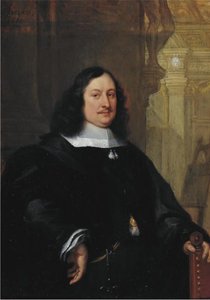
Девід Тенірс Старший
1610 - 1690 , Бельгія
Довідкова інформація
- Artistic Movement Or Style: Бароко
- Artists Or Movements Influenced By This Artist: ['Антуан Вотє']
- Artists Who Influenced This Artist: ['Пєтр Паул Рубенс']
- Date Of Birth: 1610
- Date Of Death: 1690
- Full Name: David Teniers the Younger
- Nationality: Фламандський
- Notable Artworks:
- Два п'яниці
- Село
- Інтер'єр таверни
- Place Of Birth: Антверпен, Бельгія
Схожі статті
Jacob Jordaens: Baroque Dynamism & Genre Innovation of the Antwerp School
Discover Jacob Jordaens, a leading Flemish Baroque painter renowned for his dynamic compositions & realistic genre scenes. Explore his life, art, and lasting influence with OriginalUniqueArt.
David Teniers the Younger: Genre Painting & Social Commentary in Baroque Flanders
Explore the captivating world of David Teniers the Younger, a leading Flemish Baroque painter. Discover his genre scenes, social commentary, and lasting influence on 17th-century art. Learn about his life, techniques & legacy.
David Teniers II: Master of Flemish Genre & Social Commentary
Explore the captivating world of David Teniers II, a leading Flemish Baroque painter renowned for his lively genre scenes & insightful social commentary. Discover his masterpieces and legacy with OriginalUniqueArt.

The Visceral Stage: Exploring Dramatic Narratives & Emotional Intensity in Baroque Art
Explore the dramatic world of Baroque art! Discover iconic masters like Caravaggio & Rembrandt, their techniques, and the movement's lasting impact. Expert insights for collectors & enthusiasts at OriginalUniqueArt.

Mastering Drama and Light: A Definitive Guide to the Flemish Baroque Art Movement
Explore the dramatic brilliance of the Flemish Baroque movement. Discover how masters like Peter Paul Rubens utilized chiaroscuro and dynamic composition to redefine art history through light, shadow, and unparalleled emotion.