

 Переглянути в інтер'єрі
 Надіслати як листівку
 Поділитися
 Деталі витвору
 Посібник

 Завантажити
 Схожі екземпляри
 Рентгенівське дослідження
 Слайд-шоу
 Статистика
Sketch for the play
 Acrylic On Canvas
- WallArt
- Expressionism
 1947
1947 30.0 x 30.0 cm
 Арт-палац Грузії - Музей культурної історії
 Розгорнути текст
Гікле / Художній принт
Друк جيкле або на полотні музейної якості з оперативним виготовленням та різноманітними варіантами фінішної обробки. ( Замовити картину ручної роботи Перейти до цифрових зображень)




P118B ₴10

P118H ₴10

P118W ₴10

P438Z ₴10

P508JH ₴12

P508YH ₴12

P805H ₴10

P805Z ₴10

P919BZ ₴10

P919G ₴10

P919XJ ₴10

P959ZH ₴10

P968JZ ₴12

W106C ₴8

W218G ₴10

W218JH ₴8

W218Y ₴10

W307PJ ₴10

W316G ₴10

W316PJ ₴8

W316Y ₴10

W398PJ ₴8

W4111J ₴10

W500HY ₴15

W500JH ₴15

W692G ₴12

W849H ₴8

W940BG ₴15

W953PJ ₴8




Обирайте з наших стандартних розмірів, що відповідають оригінальним пропорціям твору мистецтва.

Введіть необхідну ширину та висоту, щоб принт ідеально підійшов до вашої рами або стіни. Принт можна лише обрізати, але не можна зробити більшим за оригінал, тому при зміні пропорцій частина зображення буде втрачена. Перед друком ми надсилаємо вам цифровий макет для затвердження. Зображення на цій сторінці не відображає реальну обрізку — її можна побачити лише на макеті.
Доставка по всьому світу () за 2 тижні замість стандартних 4/5 тижнів. (25 Жовтень)

Безкоштовна експрес-доставка по всьому світу

Високоякісне лляне полотно

Повне страхове покриття доставки

Гарантія повернення митних зборів

Гарантія точного відтворення кольорів

Політика повернення протягом 100 днів (лише у разі виявлення дефектів)

Гарантія повернення 100% коштів

Пропозиція на оптові замовлення
 Скляний варіант доступний лише для розмірів до 110 см

Sketch for the play
Гікле / Художній принт
Розмір репродукції
-


Підсумкова вартість
₴ 3591
A Storm Within: David Kakabadze’s ‘Sketch for the Play’
David Kakabadze's “Sketch for the Play,” painted in 1947, isn’t merely a depiction of a landscape; it’s an immersion into a turbulent emotional state. This arresting work, measuring a modest 30x30 cm, immediately commands attention with its dramatic interplay of color and texture – a visual representation of internal conflict rendered on canvas with bold, expressive strokes. The piece transcends the simple act of portraying a storm; it embodies the anxieties and uncertainties simmering beneath the surface of Georgian society during a period of profound change.
At first glance, the composition presents two distinct panels. The upper portion explodes with a furious sky – jagged mountain peaks clawing at a bruised, grey-blue expanse. Thick impasto brushstrokes build up layers of color, creating a palpable sense of movement and raw energy. Rain streaks across the canvas, mirroring the chaotic nature of the scene. Below this tempestuous realm lies an interior space, a cluttered studio or workshop dominated by a colossal mechanical device – likely a printing press – its intricate gears and levers hinting at industry and perhaps even a touch of oppressive machinery. Walls are painted in stark whites punctuated by patches of darker grey, suggesting age, wear, and the weight of accumulated labor.
The Expressionist Palette and Georgian Roots
Kakabadze’s stylistic choices firmly situate “Sketch for the Play” within the realm of Expressionism, a movement characterized by its emphasis on subjective experience and emotional intensity. He abandons realistic representation in favor of conveying feeling – the anxiety of the storm, the claustrophobia of the confined space. Yet, despite this embrace of modern techniques, the painting remains deeply rooted in Georgian tradition. Kakabadze’s heritage is evident in his use of color, particularly the cool blues and grays that evoke the rugged landscapes of his native region, the mountainous Caucasus. The deliberate simplification of forms, a hallmark of Expressionism, also echoes the folk art traditions prevalent in Georgia.
Born in 1889 in the village of Kukhi near Khoni, Kakabadze’s early life instilled within him a deep connection to his land and its artistic heritage. His formal training at St. Petersburg University provided exposure to European avant-garde movements, but he skillfully integrated these influences with his own unique vision, forging a distinctly Georgian modernism. His multifaceted career – encompassing painting, graphic design, scenic design for theatre, and even cinematic innovation – speaks to a restless intellect and an unwavering commitment to artistic exploration.
Symbolic Layers: Chaos and Creation
The imagery within “Sketch for the Play” is rich with symbolic potential. The storm itself can be interpreted as representing chaos, disruption, or perhaps the challenges facing Georgia during this period of political and social upheaval. Conversely, the mechanical device in the lower panel suggests order, industry, and the relentless drive to create – a potentially conflicting force within the larger composition. The juxtaposition of these elements invites contemplation on the relationship between nature and technology, tradition and modernity, and perhaps even the individual’s struggle against external forces.
The subtle use of warmer tones—hints of orange and yellow—within the mechanical device offer a glimmer of hope or resilience amidst the prevailing gloom. These touches suggest that even within the most oppressive circumstances, creativity and human ingenuity can endure. Kakabadze's masterful manipulation of impasto creates a tactile surface, drawing the viewer into the painting’s emotional core and inviting a deeply personal response.
A Legacy in Texture and Emotion
“Sketch for the Play” is more than just a visually striking artwork; it’s a poignant reflection on the complexities of the human experience. David Kakabadze's ability to capture raw emotion through bold brushstrokes, evocative color palettes, and carefully considered symbolism ensures its enduring appeal. Reproductions of this powerful piece offer an opportunity to bring this captivating vision into any space, serving as a reminder of the beauty and turbulence inherent in both nature and the human spirit. It stands as a testament to Kakabadze’s pioneering role in Georgian modernism and his profound understanding of how art can illuminate the deepest recesses of our souls.
Питання та відповіді
Чи доступний попередній перегляд «Sketch for the play» у доповненій реальності?
Ви можете приміряти «Sketch for the play» роботи Давід Какабадзе на власну стіну за допомогою сторінки Перегляд в AR з використанням технології доповненої реальності на сумісному пристрої.
Чи можу я переглянути "Sketch for the play" у форматі повноекранного слайд-шоу?
Доступне слайд-шоу: сторінка Слайд-шоу твору «Sketch for the play» роботи Давід Какабадзе.
Яку атмосферу передає "Sketch for the play"?
Загальний настрій «Sketch for the play» роботи Давід Какабадзе — Dramatic. Цей настрій передає загальну атмосферу твору.
Біографія митця
A Pioneer of Georgian Modernism: The Life and Art of David Kakabadze
David Kakabadze, born in the village of Kukhi near Khoni, Georgia, in 1889, stands as a pivotal figure in the development of twentieth-century Georgian art. His career was one of remarkable innovation, seamlessly blending the burgeoning currents of European avant-garde movements with a deep reverence for his native Georgian traditions. Kakabadze wasn’t merely an artist; he was a polymath – a painter, graphic artist, scenic designer, art scholar, cinematic innovator, and even an amateur photographer. This multifaceted approach to creativity defined his artistic journey and cemented his legacy as one of Georgia's most important modernist masters. His early life, though rooted in the simplicity of a peasant family, was marked by intellectual curiosity fostered through sponsorship that allowed him to pursue studies at St. Petersburg University, graduating with a degree in natural sciences in 1916. Simultaneously, he honed his artistic skills under Dmitroyev-Kavkazsky and immersed himself in the study of Georgia’s rich artistic heritage. This dual education – scientific rigor combined with artistic sensitivity – would become a hallmark of his work.Early Influences and Artistic Formation
Kakabadze's formative years instilled within him a profound appreciation for both intellectual inquiry and aesthetic exploration. The patronage he received from local philanthropists enabled him to access the highest levels of academic education, equipping him with the analytical tools necessary to dissect artistic traditions and formulate innovative conceptual frameworks. His studies at St. Petersburg University weren’t simply about acquiring knowledge; they were about engaging in a dialogue with the intellectual currents shaping Europe at the time – movements like Symbolism and Neo-Romanticism that championed emotion and imagination alongside rational thought. Crucially, he recognized the importance of grounding artistic experimentation within a broader understanding of cultural context. This conviction led him to dedicate himself to researching Georgia’s ancient art history, immersing himself in the iconography and stylistic conventions of medieval Georgian frescoes and manuscripts. He meticulously documented these traditions, demonstrating an unwavering commitment to preserving Georgia's cultural heritage while simultaneously seeking inspiration for his own artistic endeavors.Parisian Encounters: Embracing Cubism and Avant-Garde Innovation
Following a brief period teaching and painting in Tbilisi, Kakabadze embarked on a transformative chapter of his life in Paris from 1919 to 1927. This sojourn placed him squarely at the epicenter of the European avant-garde, exposing him to the revolutionary ideas of Cubism, Futurism, and Constructivism – movements that challenged conventional notions of representation and embraced radical experimentation with form and material. He actively participated in exhibitions organized by Société des Artistes Indépendants, forging connections with fellow Georgian artists Lado Gudiashvili and Shalva Kikodze who shared his passion for exploring new artistic horizons. It was during this period that Kakabadze’s style underwent a dramatic metamorphosis. Initially captivated by the landscapes of Imereti province – his homeland – he began to grapple with “subjectless painting,” striving to transcend mere visual depiction and communicate deeper emotional truths. He experimented with unconventional materials like metal, mirror glass, and stained glass, rejecting traditional pigments in favor of innovative techniques that pushed the boundaries of artistic expression. This bold stylistic shift reflected Kakabadze’s conviction that art should serve as a vehicle for intellectual contemplation and transformative experience.Cinema and Stage Design: Expanding Artistic Boundaries
Kakabadze's inventive spirit extended far beyond painting, demonstrating his remarkable versatility as an artist and innovator. Recognizing the potential of emerging technologies – specifically cinema – he became fascinated by the possibilities offered by moving images to convey narrative and emotion in ways that traditional painting couldn’t achieve. He designed and constructed a stereoscopic film projector for which he secured international patents, pioneering a technique that created the illusion of three-dimensionality without requiring special glasses. This ambitious project wasn't merely a technological feat; it was an artistic endeavor driven by Kakabadze’s desire to reimagine theatrical performance and explore new dimensions of visual storytelling. Furthermore, he collaborated extensively with Kote Marjanishvili, Georgia’s leading theatre director, crafting stunning set designs for Marjanishvili’s productions that incorporated innovative elements like projections and sculptural forms—a testament to his ability to synthesize artistic vision with technical expertise.Legacy and Recognition
David Kakabadze died in 1952, leaving behind a body of work that was largely overlooked during his lifetime but has since garnered increasing recognition as one of Georgia’s most important modernist masters. His pioneering contributions to cinema, his unwavering commitment to artistic experimentation, and his profound engagement with Georgian cultural heritage continue to inspire artists today. His paintings—particularly those depicting Imereti landscapes—remain treasured examples of Georgian art history, embodying the spirit of innovation and intellectual curiosity that characterized Kakabadze’s extraordinary life. Today, his works are housed in prominent museums across Europe and America, ensuring that his legacy endures as a beacon of artistic brilliance and a symbol of Georgia's contribution to the global avant-garde movement.
Давід Какабадзе
1889 - 1952 , Грузія
Короткі факти
- Artistic Movement Or Style: Авангардизм, Кубізм
- Artists Or Movements Influenced By This Artist: ['Багато художників']
- Date Of Birth: 20 серпня 1889 р.
- Date Of Death: 10 травня 1952 р.
- Full Name: David Kakabadze
- Nationality: Грузинський
- Notable Artworks:
- Якось
- Бретань
- Ескіз отримання різних рівнів світла в ламповій розетці
- Place Of Birth: Кутаїсі, Грузія
Пов'язані статті
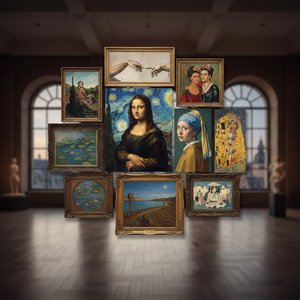
Топ-10 легендарних шедеврів олійного живопису, які змінили мистецтво назавжди | OriginalUniqueArt.com
Відкрийте для себе 10 легендарних шедеврів олійного живопису, які змінили світ мистецтва! Історія Ван Гога, Моне та інших геніїв. Репродукції картин преміум-класу для вашого дому на OriginalUniqueArt.com. Дослідіть колекцію онлайн!

Oil on Canvas: A Historical & Technical Exploration of a Timeless Artistic Medium
Explore the rich history & enduring techniques of oil painting on canvas. Discover the science behind its longevity, conservation practices, and contemporary relevance. Expert insights for art enthusiasts.

The Enduring Legacy of Oil on Canvas: Technique, History & Aesthetic Impact
Explore the rich history & techniques of oil painting – from Renaissance masters to Impressionism. Discover pigments, layering methods, and why this timeless medium endures. Expert insights for artists & art enthusiasts.

Вікові традиції олійного живопису: техніка, історія та сучасна практика
Дізнайтеся про вікову історію олійного живопису, техніки майстрів та сучасні тенденції. Відкрийте світ класичного мистецтва та натхнення для власної творчості!

The Soul of Impressionism: Why Oil on Canvas Captures Eternal Light and Timeless Emotion
Discover the enchanting alchemy of Impressionism. Explore how the mastery of oil on canvas, through glazing and impasto, captures eternal light and emotion. Perfect for lovers of Monet and Van Gogh seeking the profound depth of hand-painted fine art.
